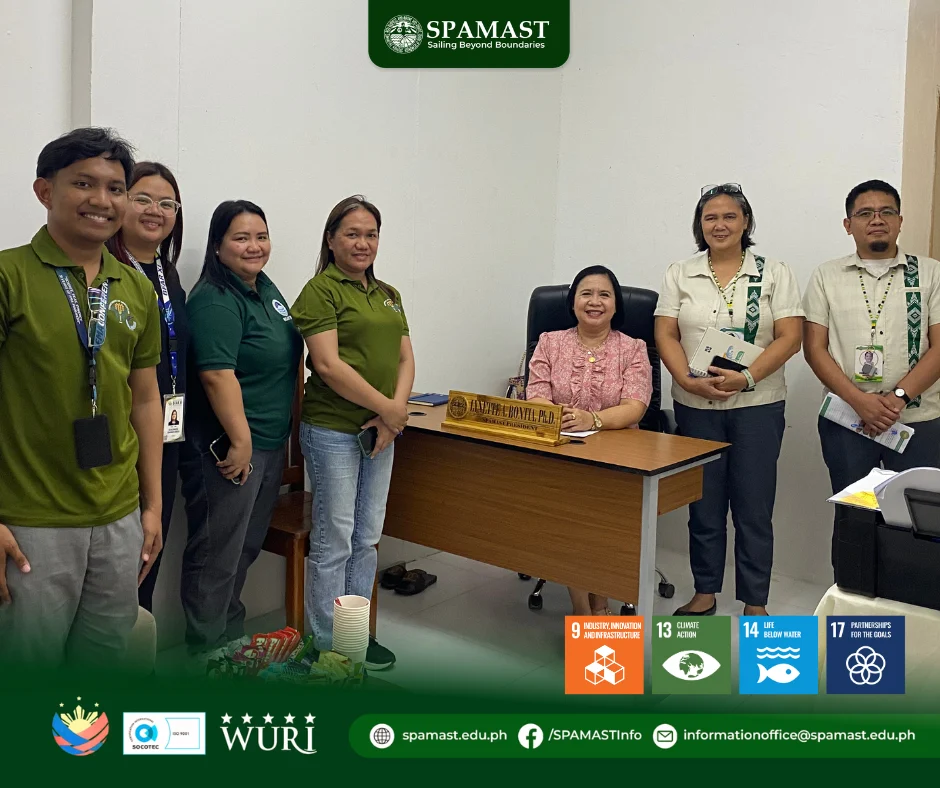
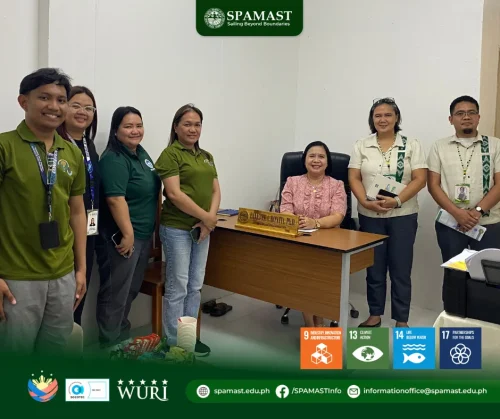
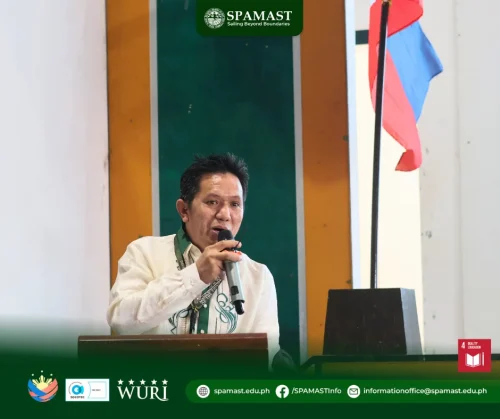
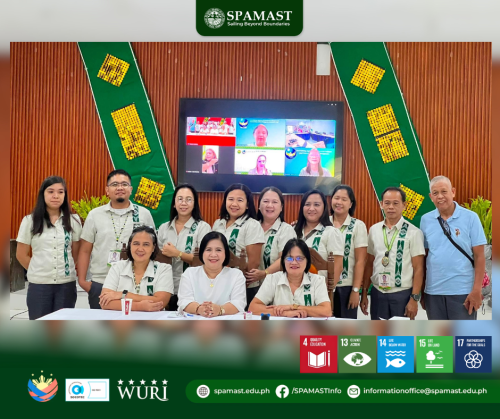
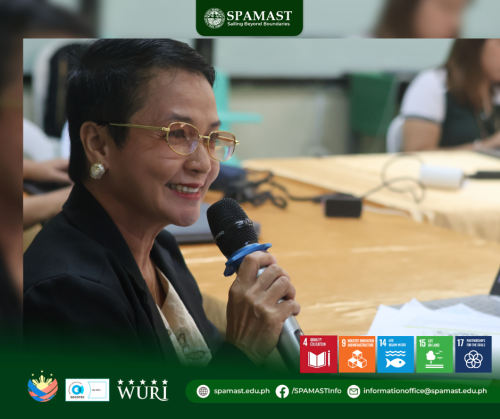
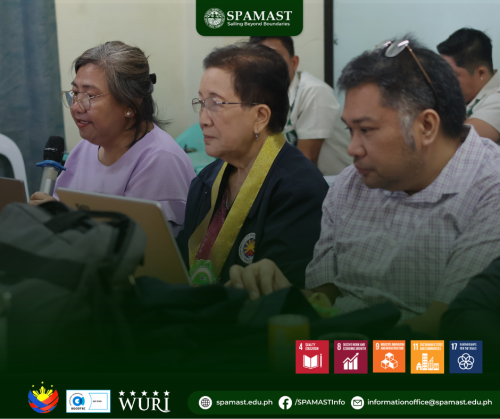
MALITA, Davao Occidental – The Southern Philippines Agri-Business and Marine and Aquatic School of Technology (SPAMAST) is poised to play a vital role in promoting sustainable fisheries management following the presentation of the proposed Memorandum of Understanding (MOU) by the Bureau of Fisheries and Aquatic Resources (BFAR) Fisheries Management Area 2 (FMA 2) during a courtesy visit to the institution on August 4, 2026. The engagement, held at the SPAMAST Malita Campus, signifies another milestone in fostering collaboration between the academe and government in support of ecosystem-based fisheries governance.
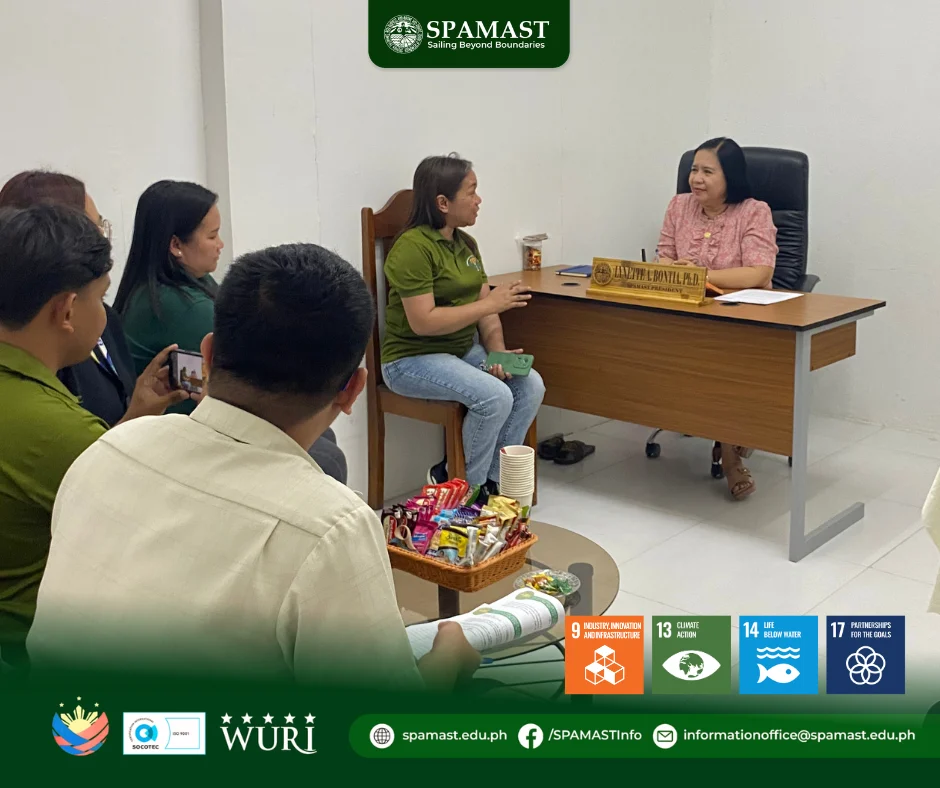
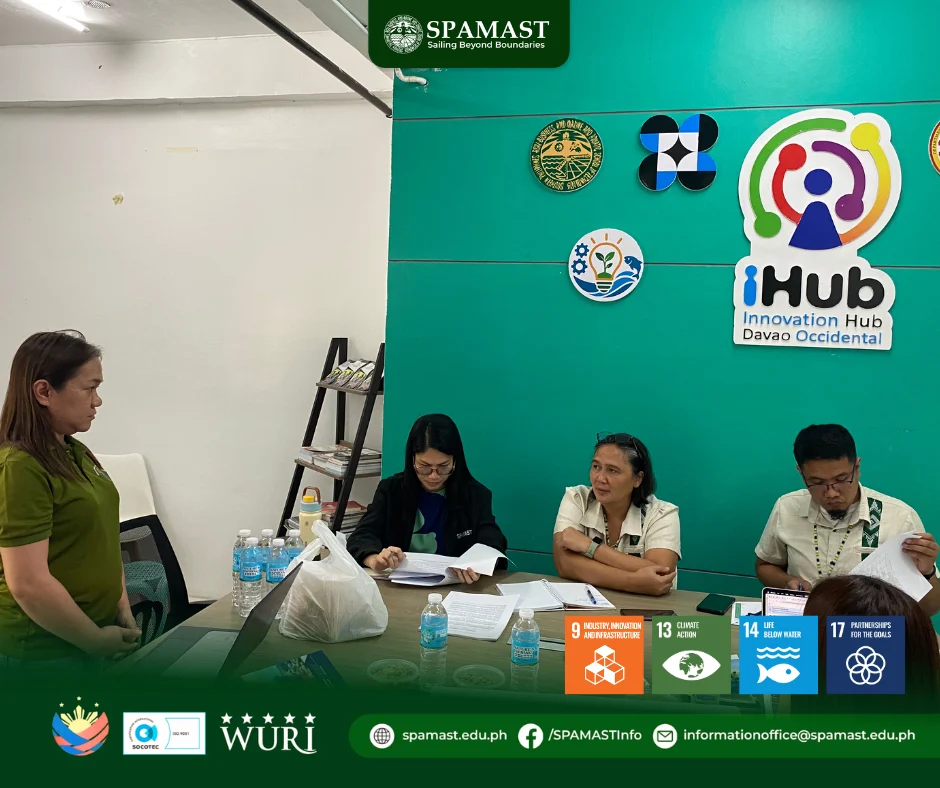
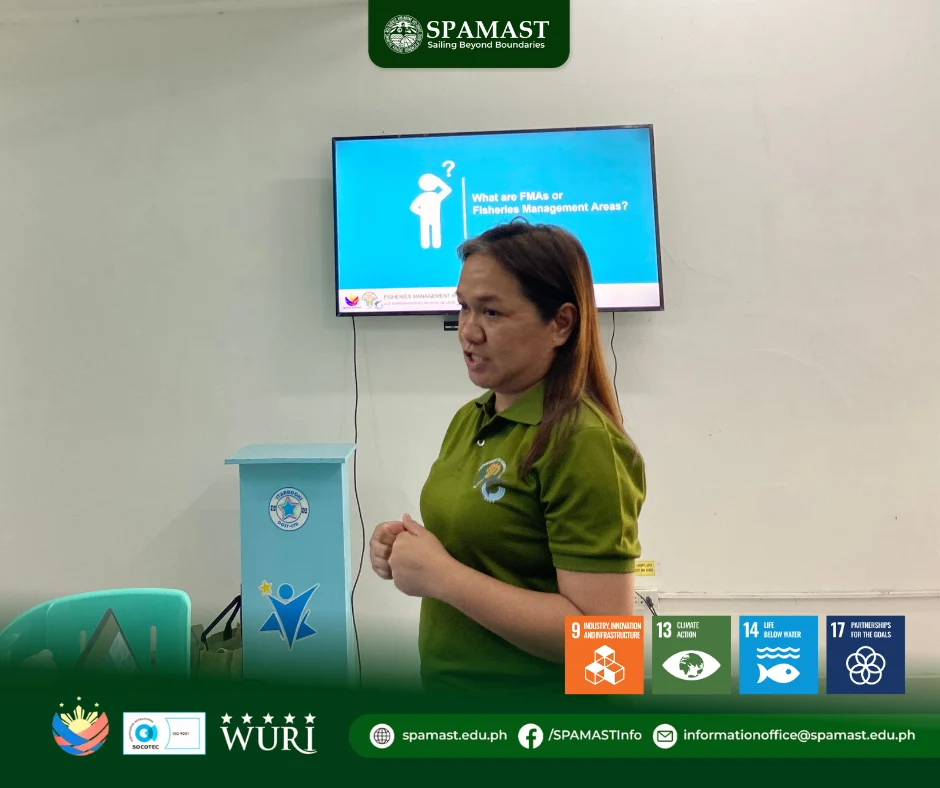
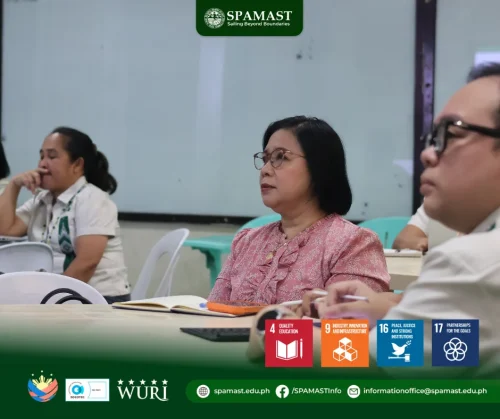
The activity commenced with a courtesy call on SPAMAST President Dr. Lynette A. Bontia, followed by the presentation of the proposed MOU, which outlined the institution’s prospective role in the implementation of the Ecosystem Approach to Fisheries Management (EAFM) Framework Plan for Fisheries Management Area 2. Representatives from BFAR discussed the salient provisions of the agreement and emphasized the importance of engaging higher education institutions in advancing science-based and collaborative fisheries management initiatives.
Under the proposed partnership, SPAMAST is expected to contribute as one of the writers and package developers of the EAFM Framework Plan, providing technical expertise in research, scientific writing, fisheries, marine sciences, and environmental management. The institution’s participation will support the development of comprehensive planning documents and technical packages that will guide the sustainable management, conservation, and utilization of fisheries and aquatic resources within Fisheries Management Area 2.
The proposed MOU also presents SPAMAST’s involvement in the FMA 2 Scientific Advisory Group (SAG), where the institution will work alongside BFAR and other partner organizations in future research initiatives, extension programs, scientific consultations, policy recommendations, capacity-building activities, and other collaborative undertakings that contribute to evidence-based fisheries governance and coastal resource management.
The proposed collaboration reflects SPAMAST’s growing role as a center of excellence in fisheries, marine sciences, research, and extension, while reaffirming its commitment to providing research-driven solutions to pressing environmental and fisheries concerns. By lending its expertise to the formulation of the EAFM Framework Plan, the institution continues to strengthen its contribution to regional and national efforts toward responsible resource stewardship, biodiversity conservation, and sustainable development.
This initiative supports the realization of the United Nations Sustainable Development Goals (SDGs), particularly SDG 14 (Life Below Water) by promoting the sustainable use and conservation of marine and aquatic resources; SDG 17 (Partnerships for the Goals) by fostering meaningful collaboration between government agencies and higher education institutions; SDG 9 (Industry, Innovation and Infrastructure) through research, innovation, and technical knowledge development; and SDG 13 (Climate Action) by advancing ecosystem-based approaches that enhance the resilience and sustainability of marine and coastal ecosystems.