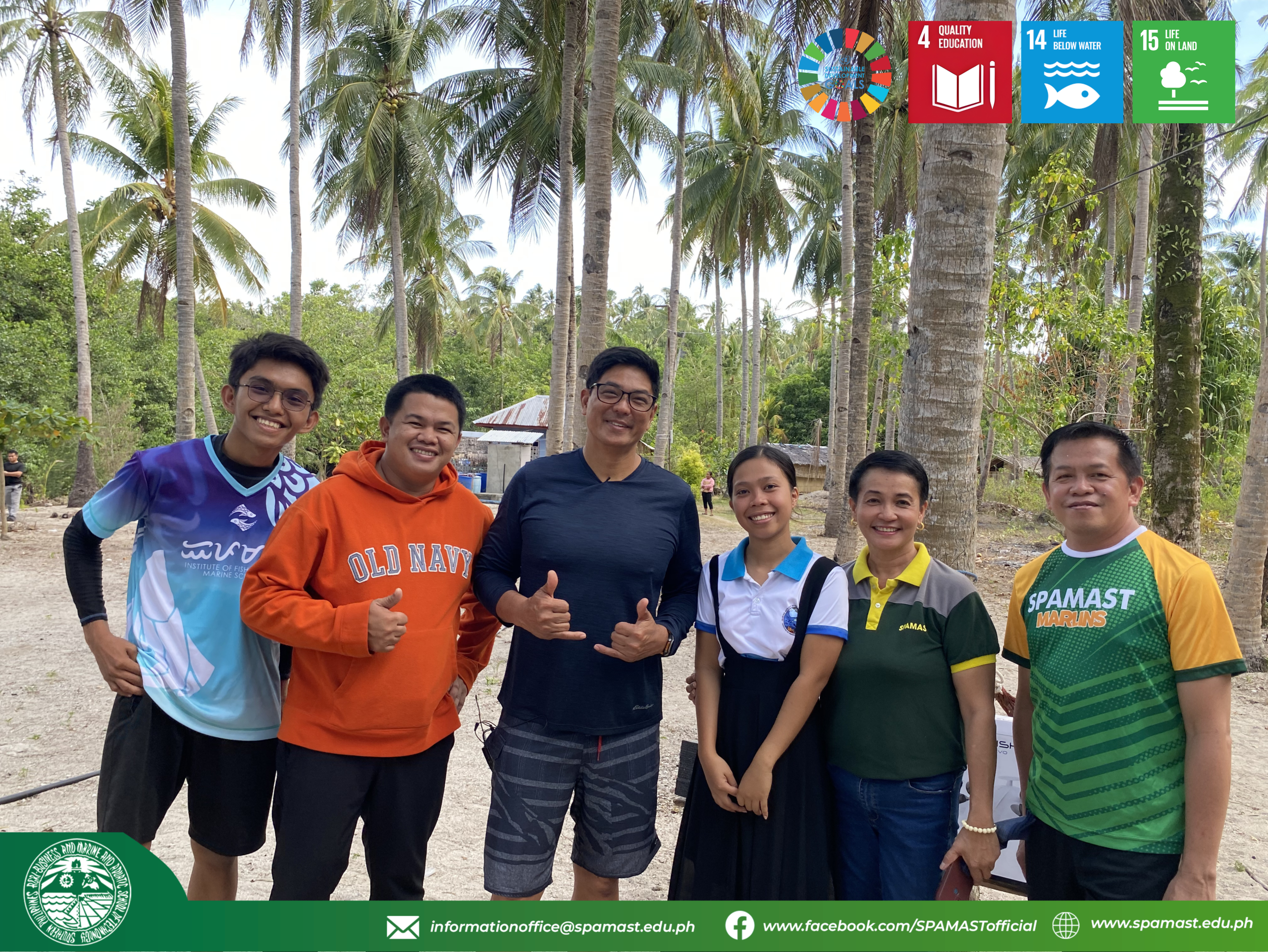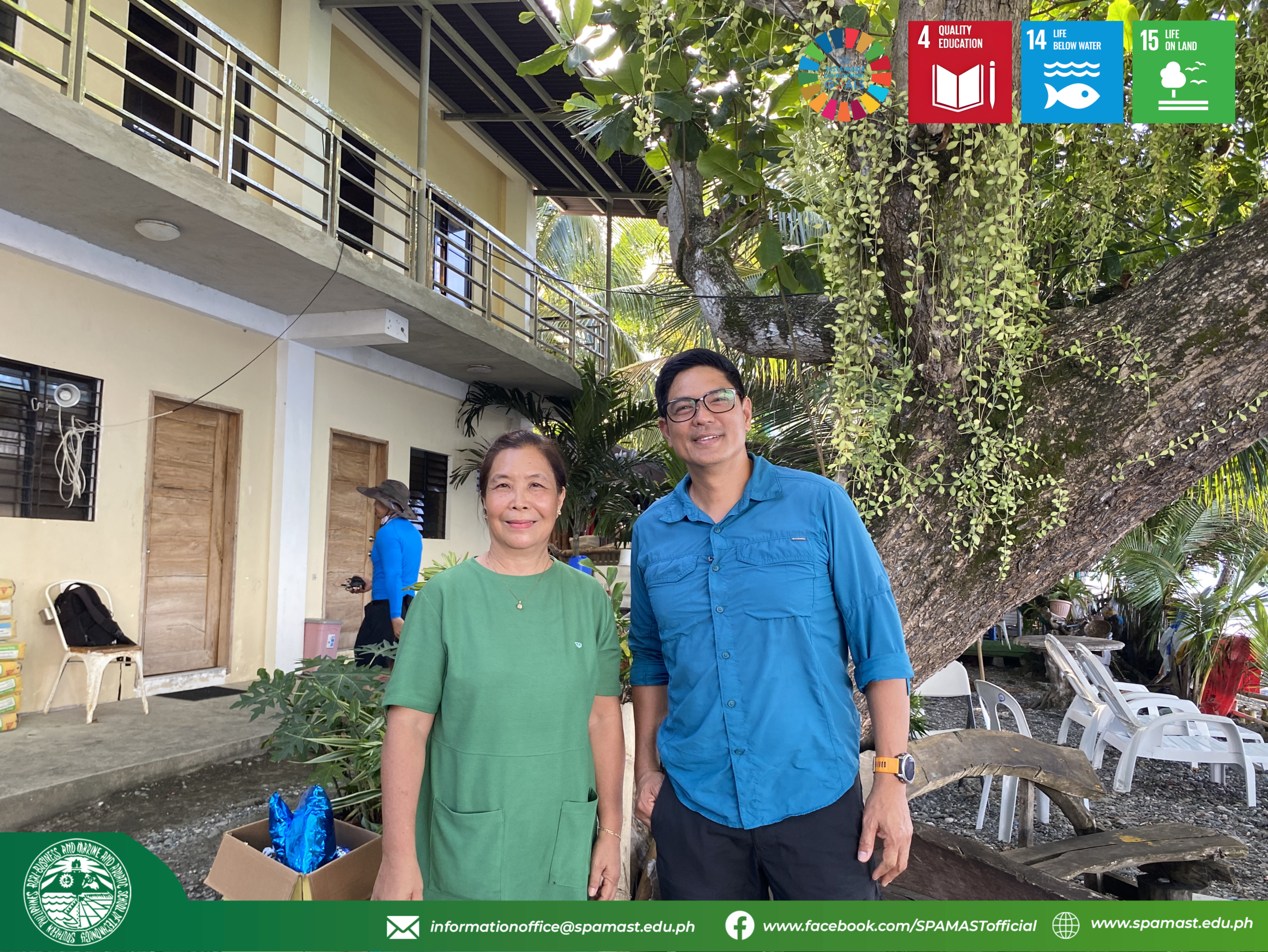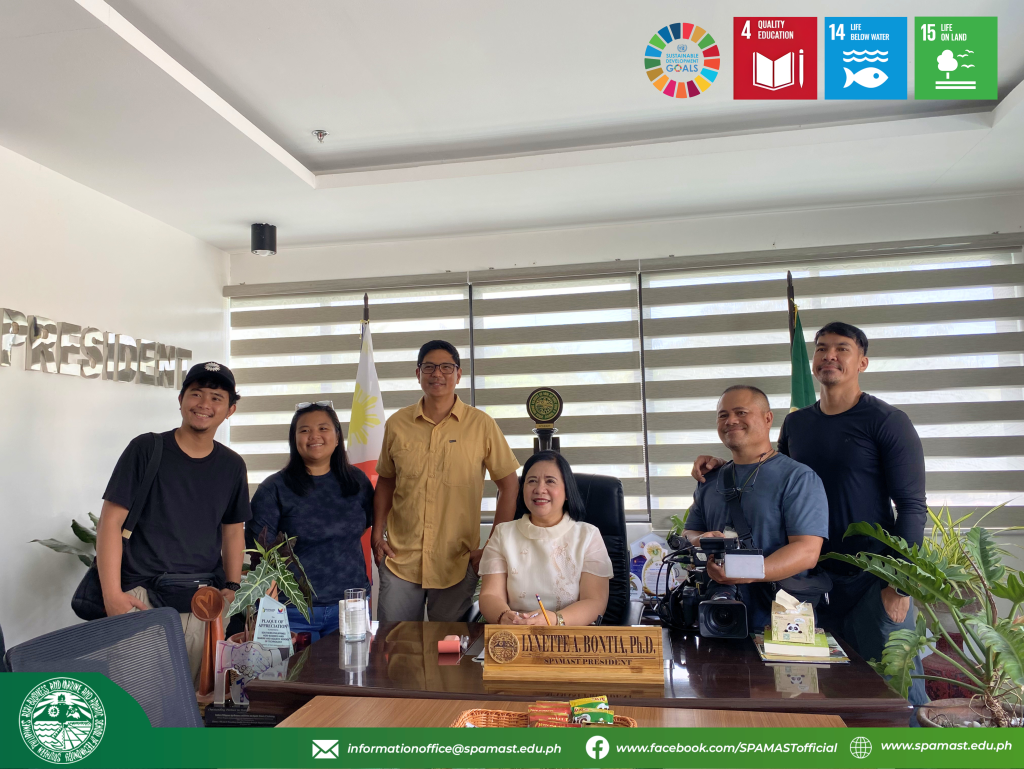
Malita, Davao Occidental — A team from GMA Public Affairs visited the Southern Philippines Agri-Business and Marine and Aquatic School of Technology (SPAMAST) from April 25 to 27, 2026, to document the institution’s research initiatives and biodiversity conservation efforts for the renowned environmental program Born to be Wild.
The three-day coverage highlighted SPAMAST’s contributions to wildlife research, including studies on flying foxes, mangrove ecosystems, dugong sightings, and student-led scientific investigations.
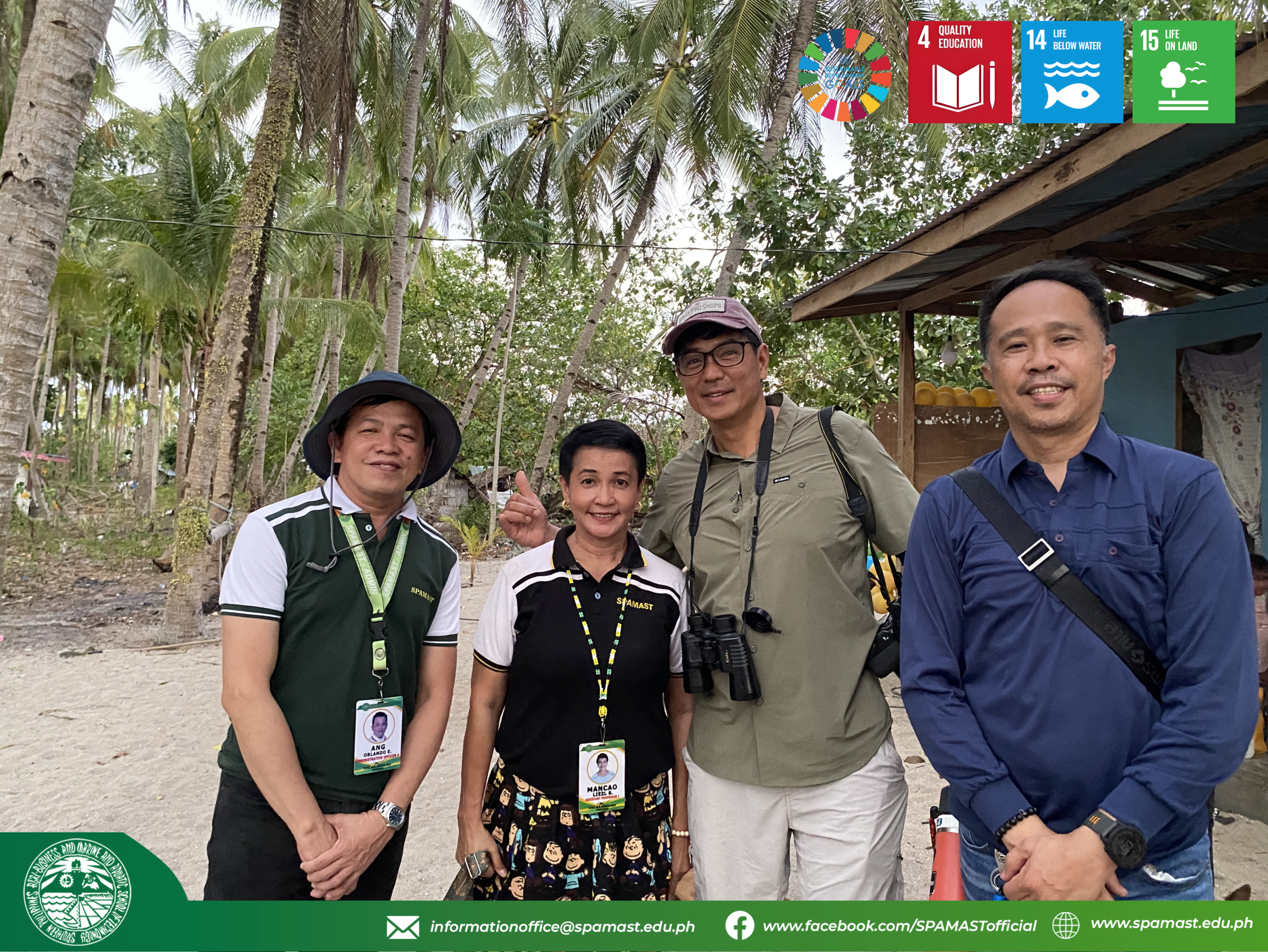
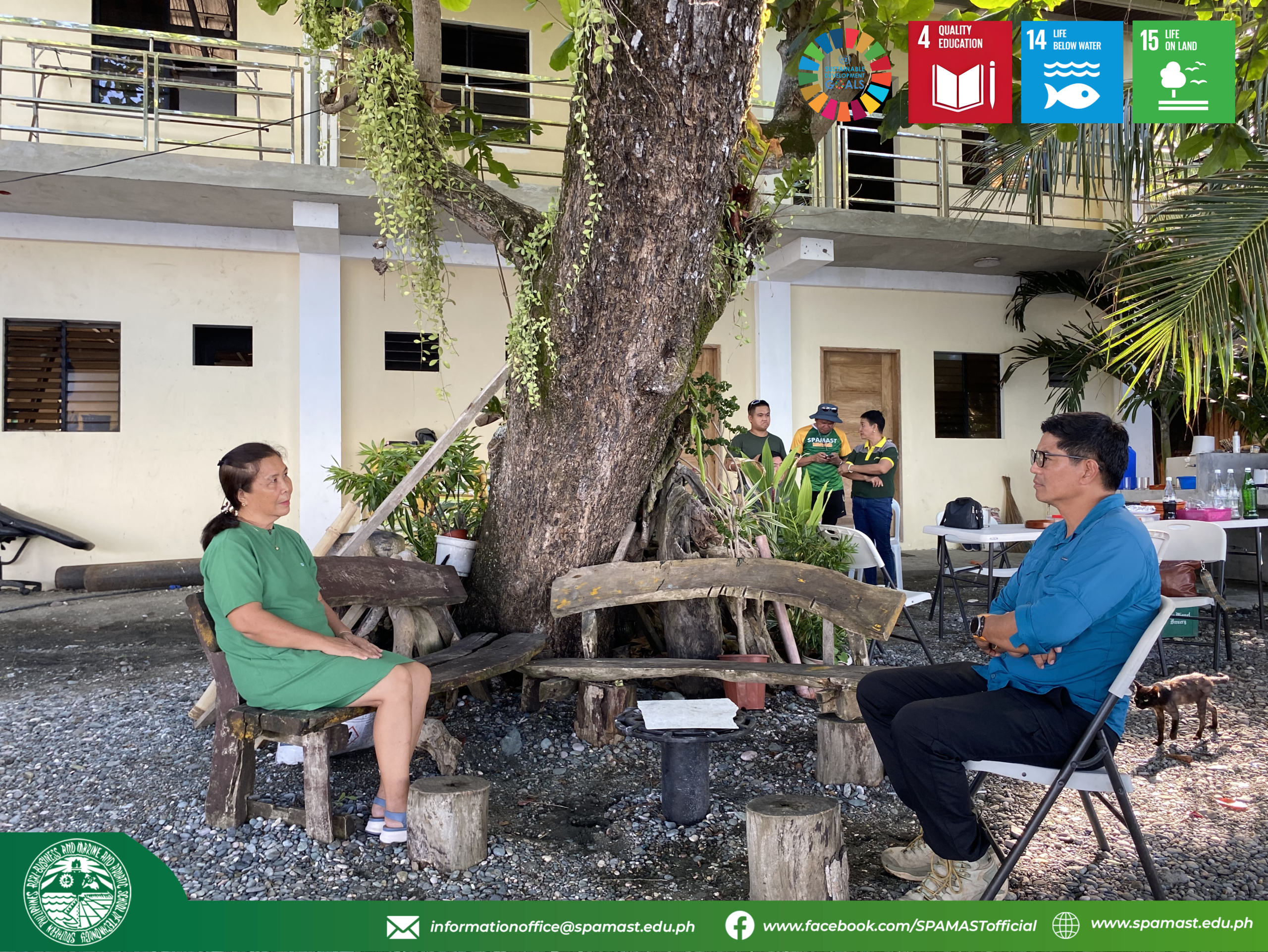
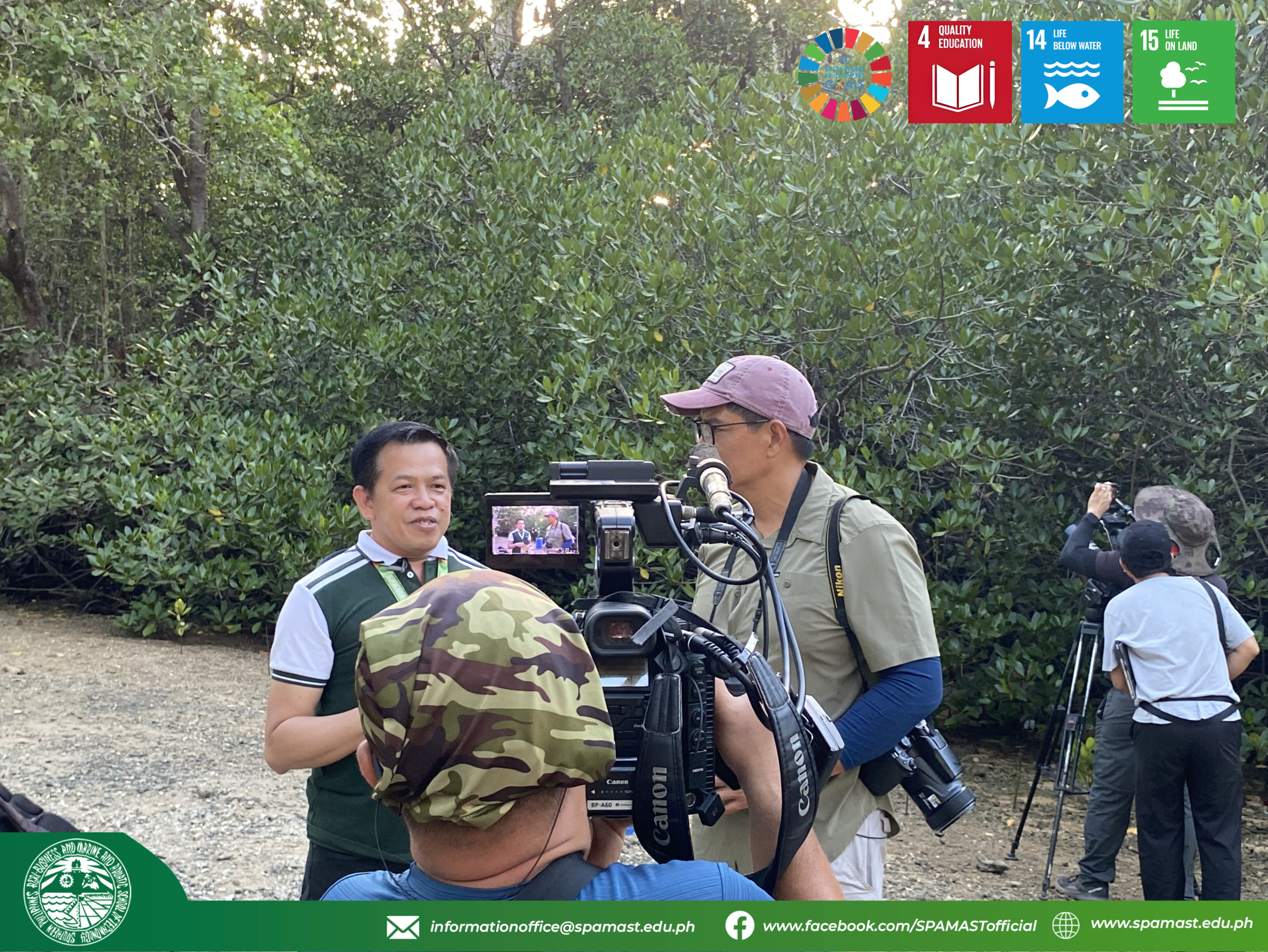
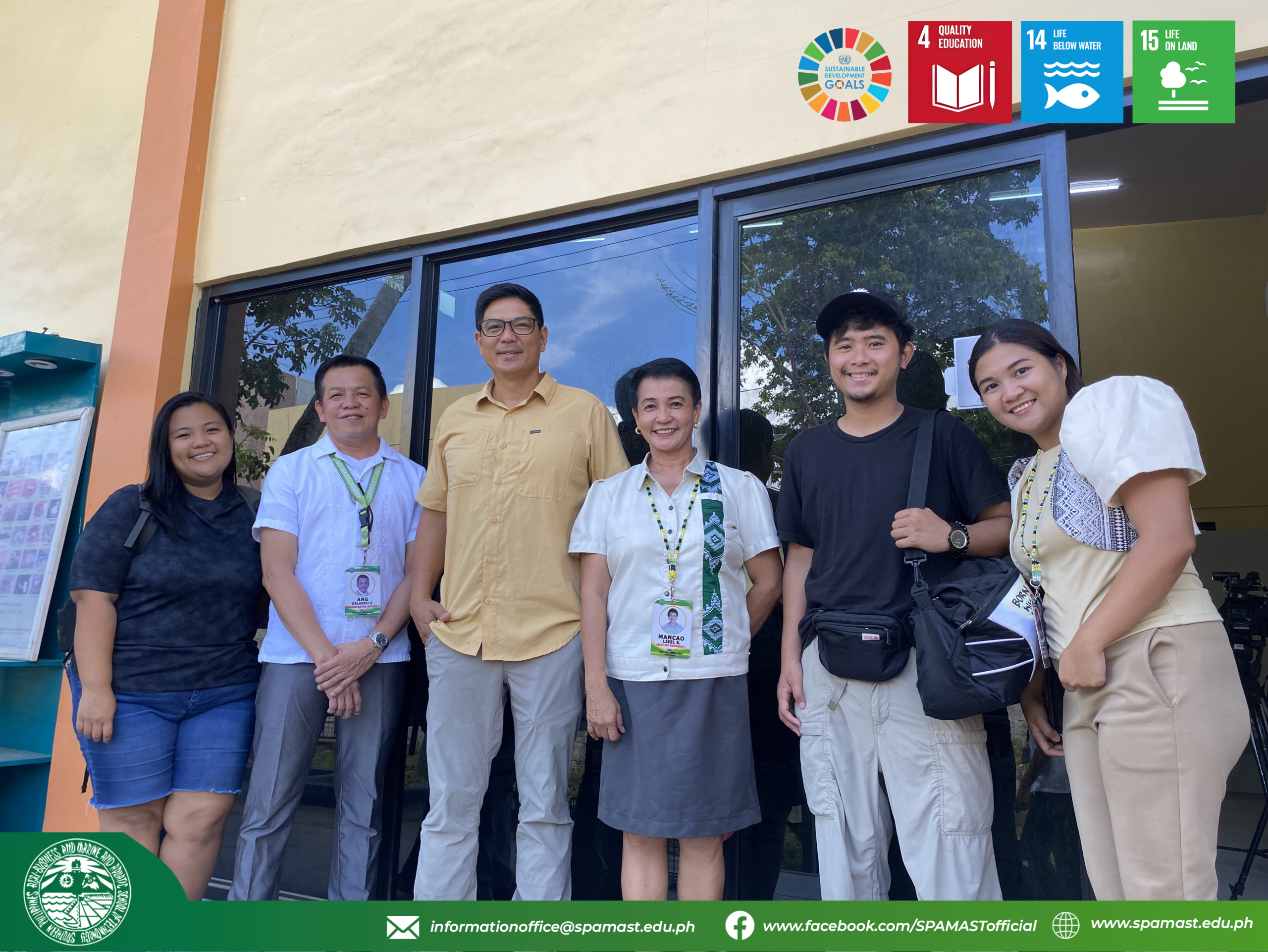
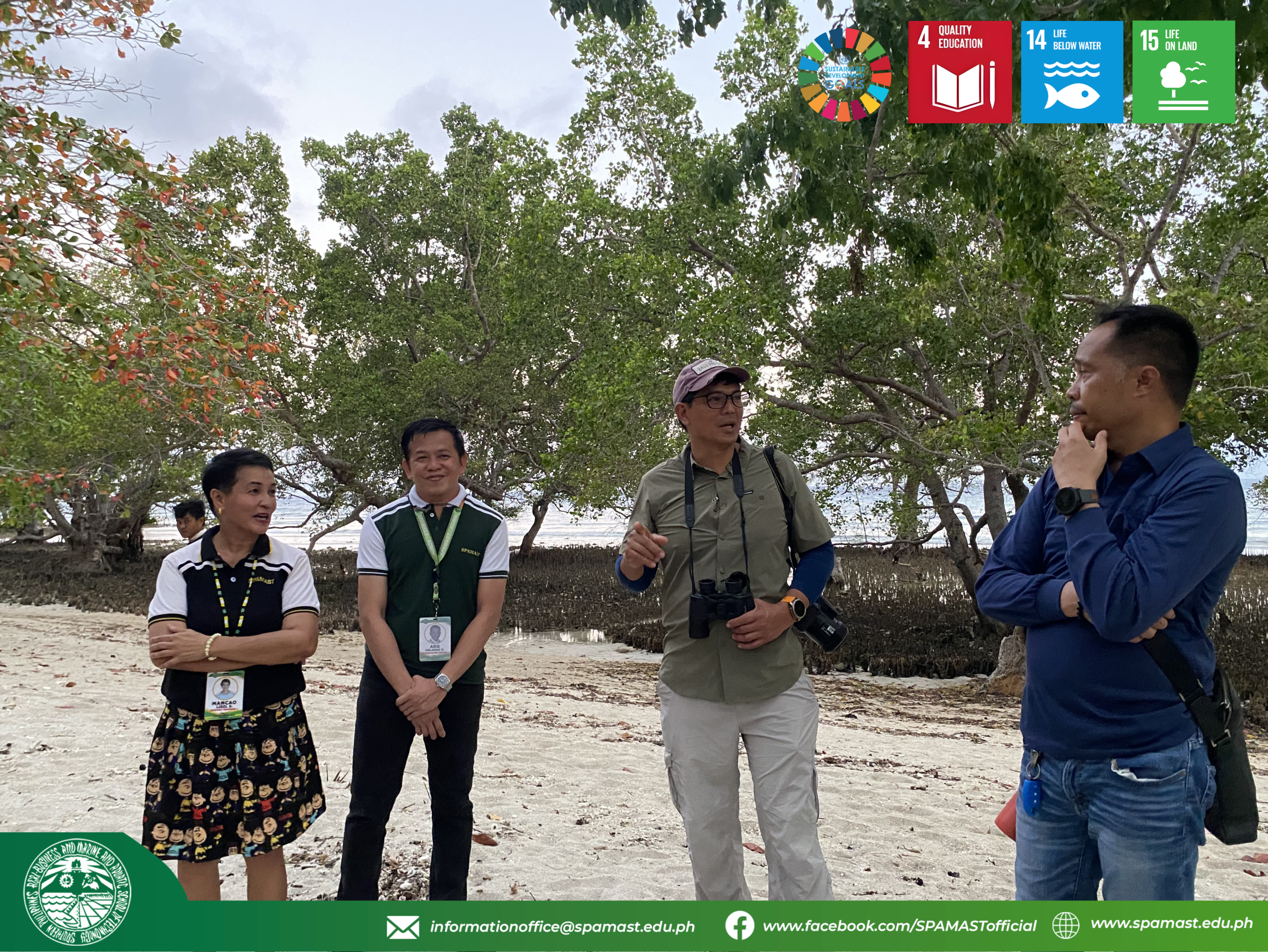
On the first day, the production team traveled to the mangrove areas of Barangay Bukid in Jose Abad Santos, identified as a vital habitat of flying foxes (Pteropus hypomelanus and Pteropus vampyrus). The population of these large fruit bats has been documented through research conducted by Prof. Leizl Mancao, Prof. Leonel Lumogdang, and Mr. Orlando Ang.
The researchers shared their findings during an on-site interview with Born to be Wild host Dr. Nielsen Donato, emphasizing the ecological importance of flying foxes in seed dispersal and forest regeneration. They also highlighted how the study has significantly raised community awareness, encouraging local stakeholders to take part in protecting these essential species and their mangrove habitat.
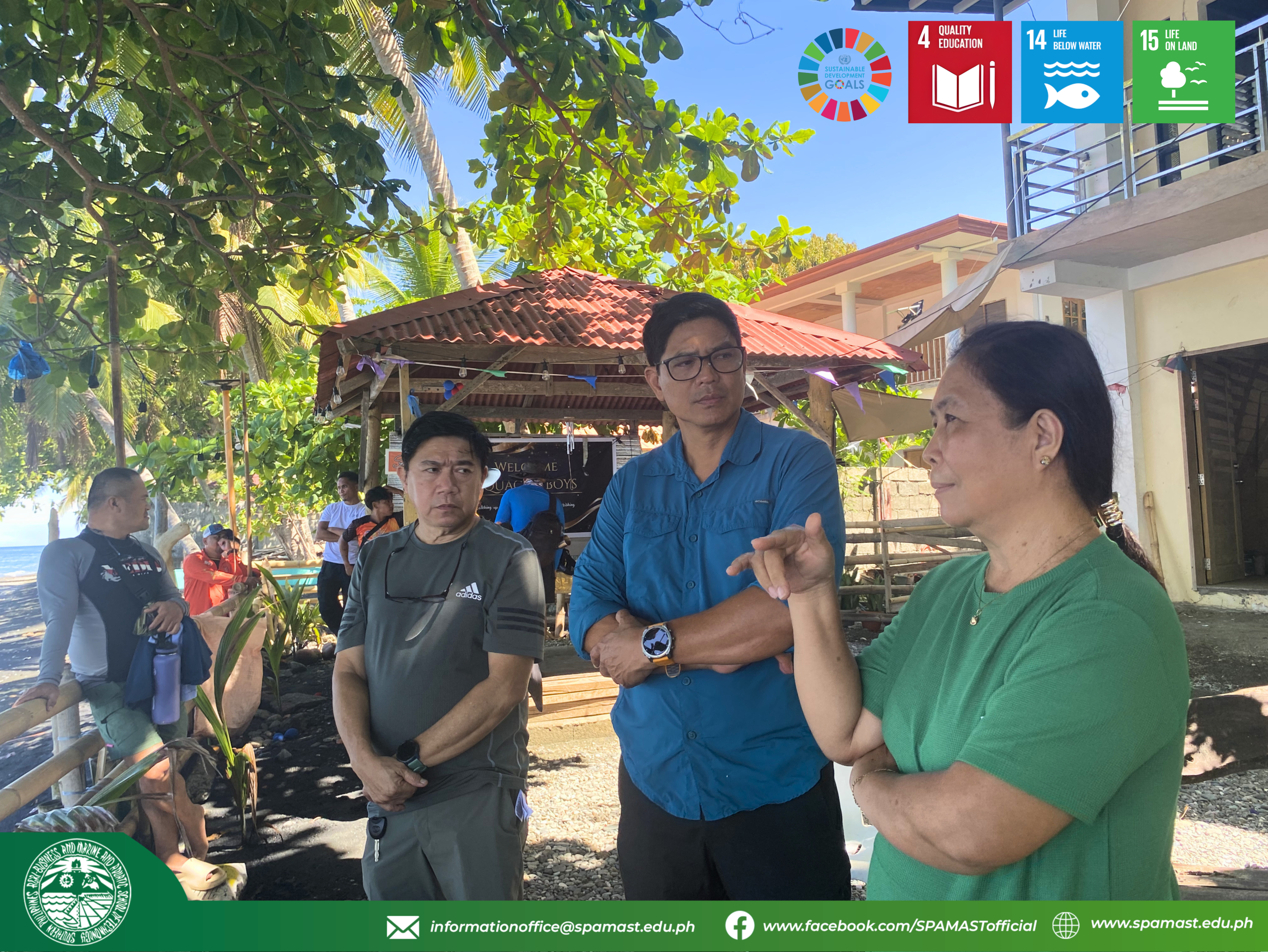
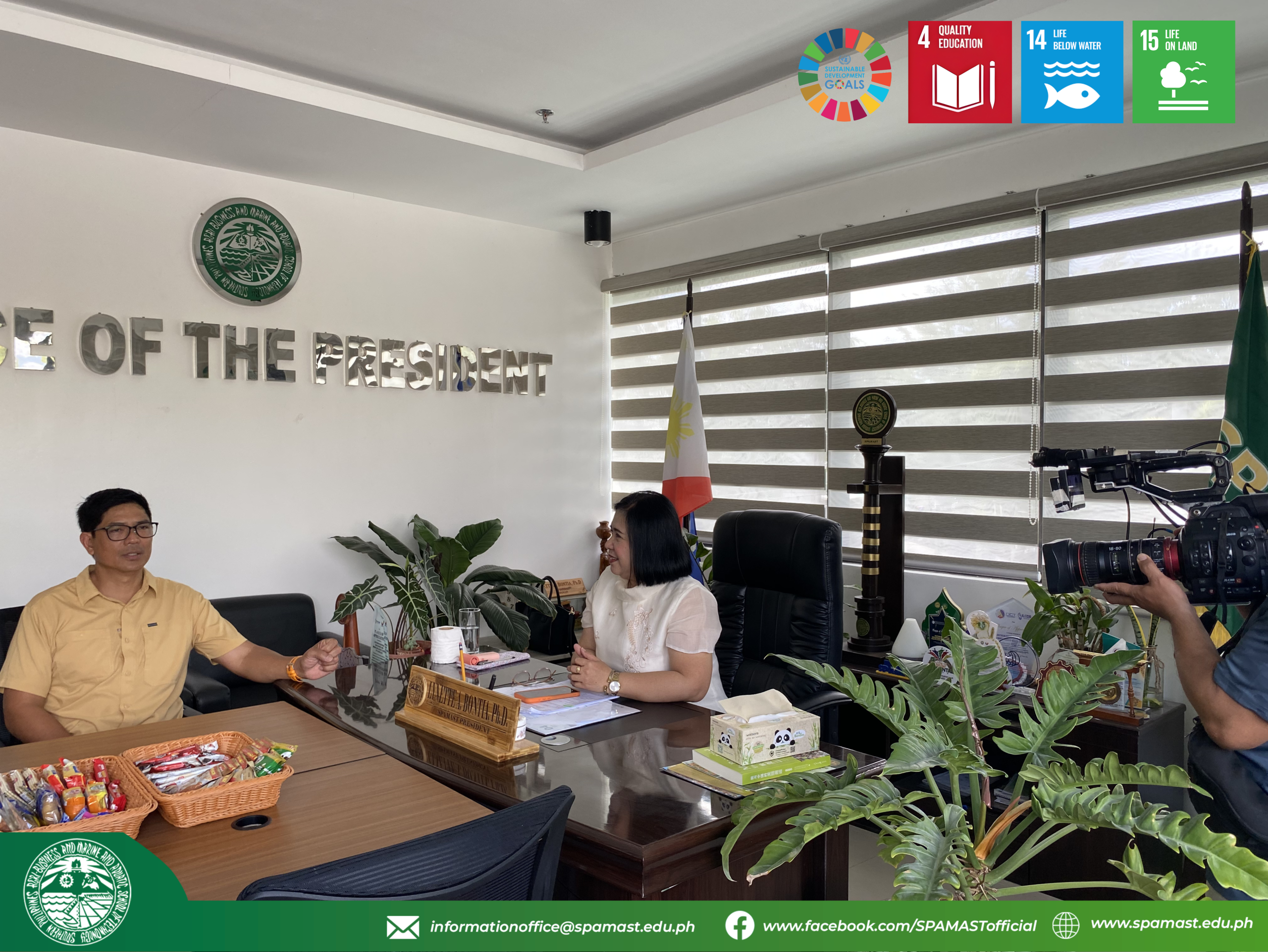
The second day of the visit focused on dugong sightings in coastal areas of Barangay Bukid, Jose Abad Santos, and Barangay New Argao in Malita. The team documented ongoing conservation efforts and conducted interviews with Dr. Ruth S. Lucero, whose research on dugongs (Dugong dugon) has significantly contributed to marine biodiversity studies in the region. Representatives from the Department of Environment and Natural Resources Region XI also provided insights into environmental protection initiatives and policies supporting marine conservation.
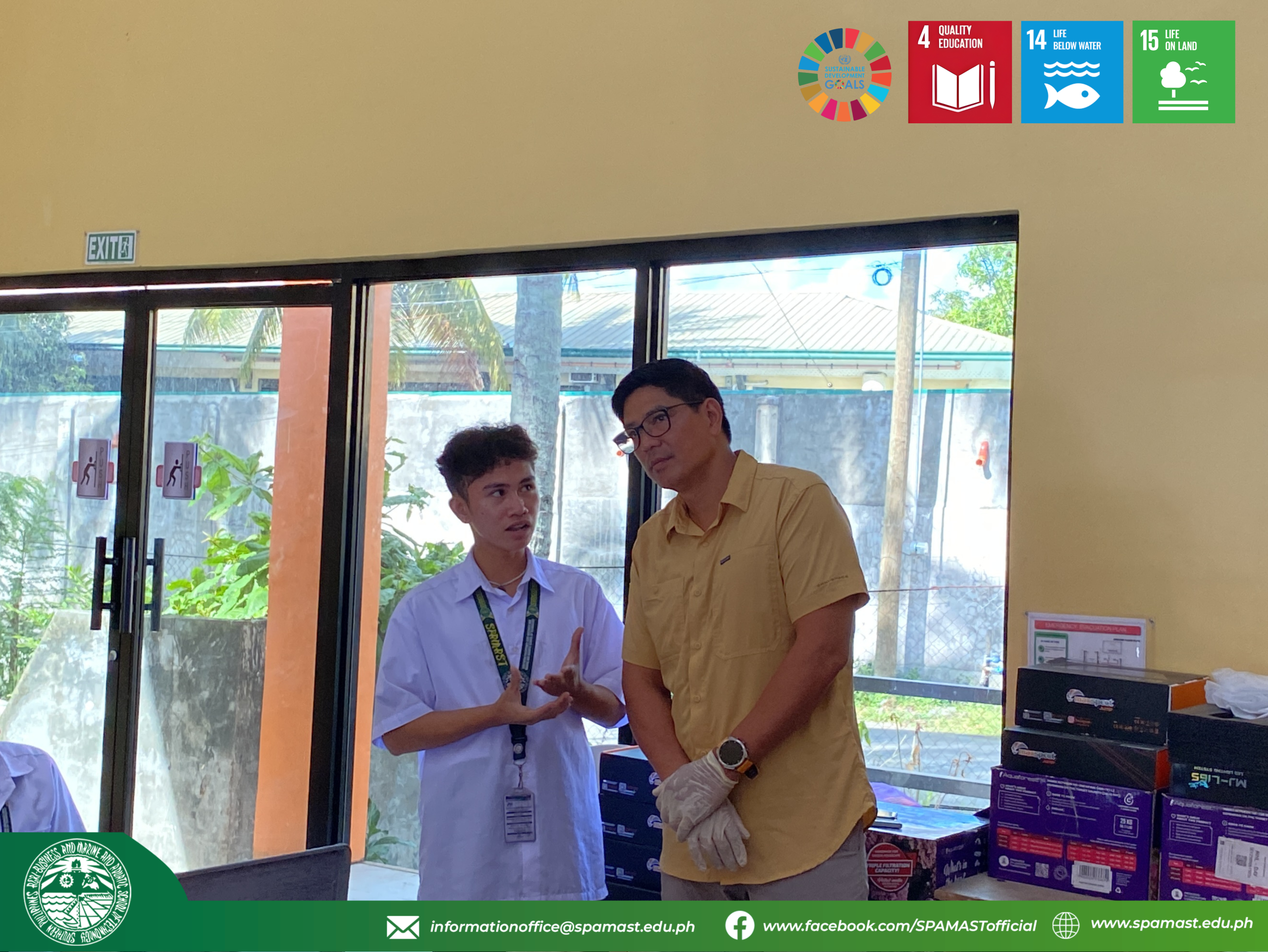
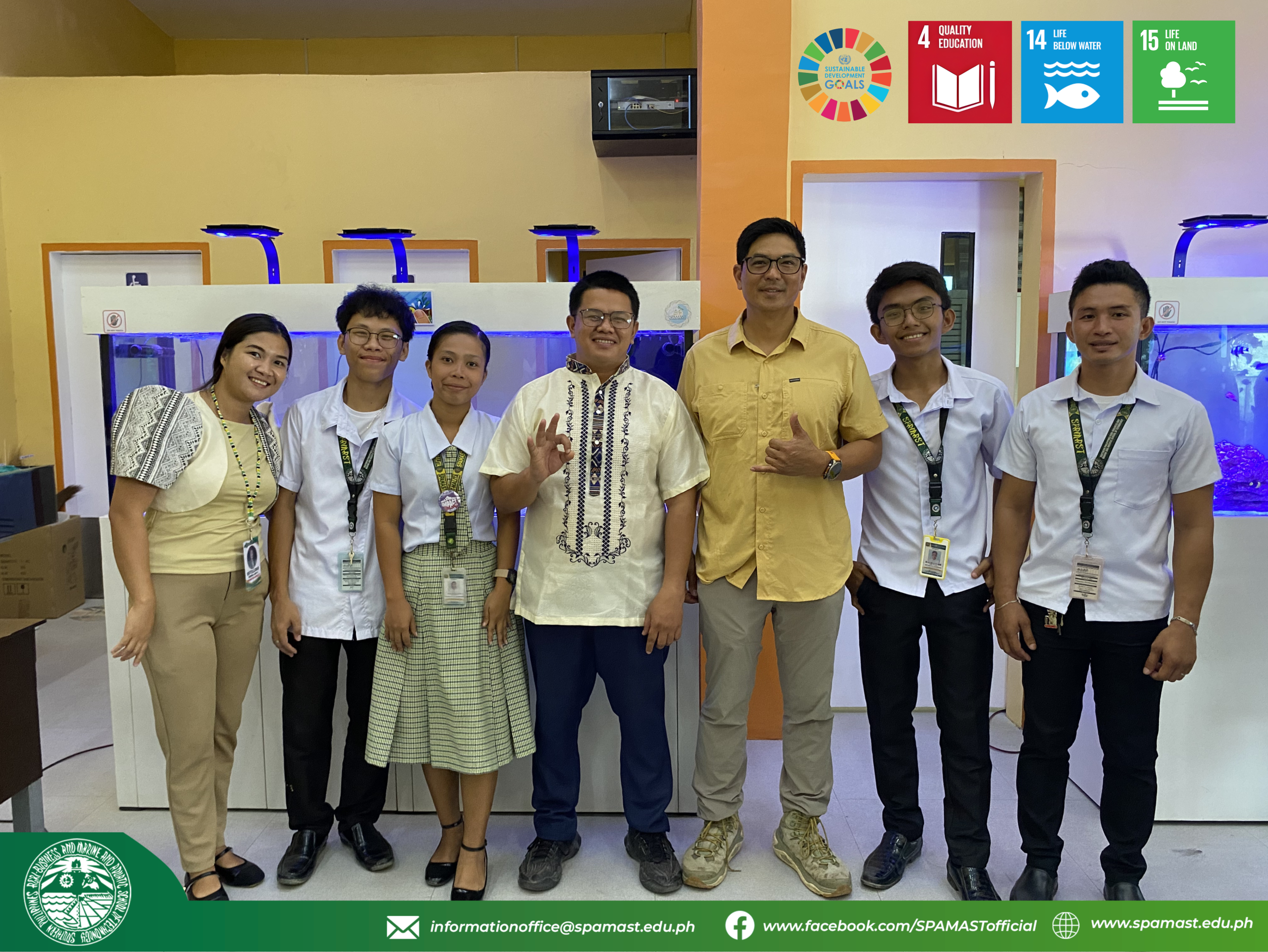
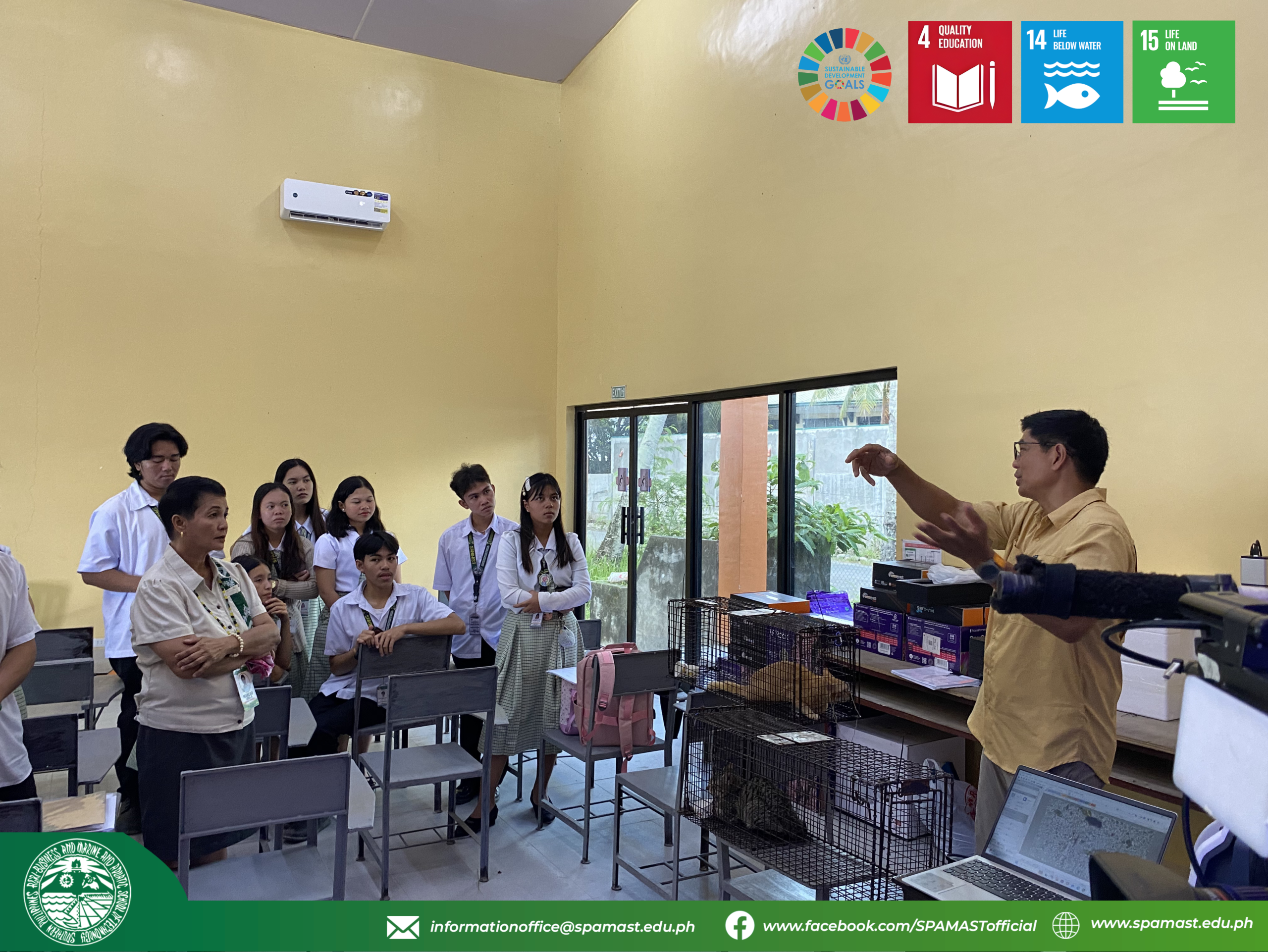
On the final day, the crew visited the SPAMAST Aquamarine Research Center and Rescue Hub, where Dr. Donato and his team examined preserved marine specimens, including skeletal remains of dugongs, offering viewers a closer look at the scientific work undertaken by the institution.
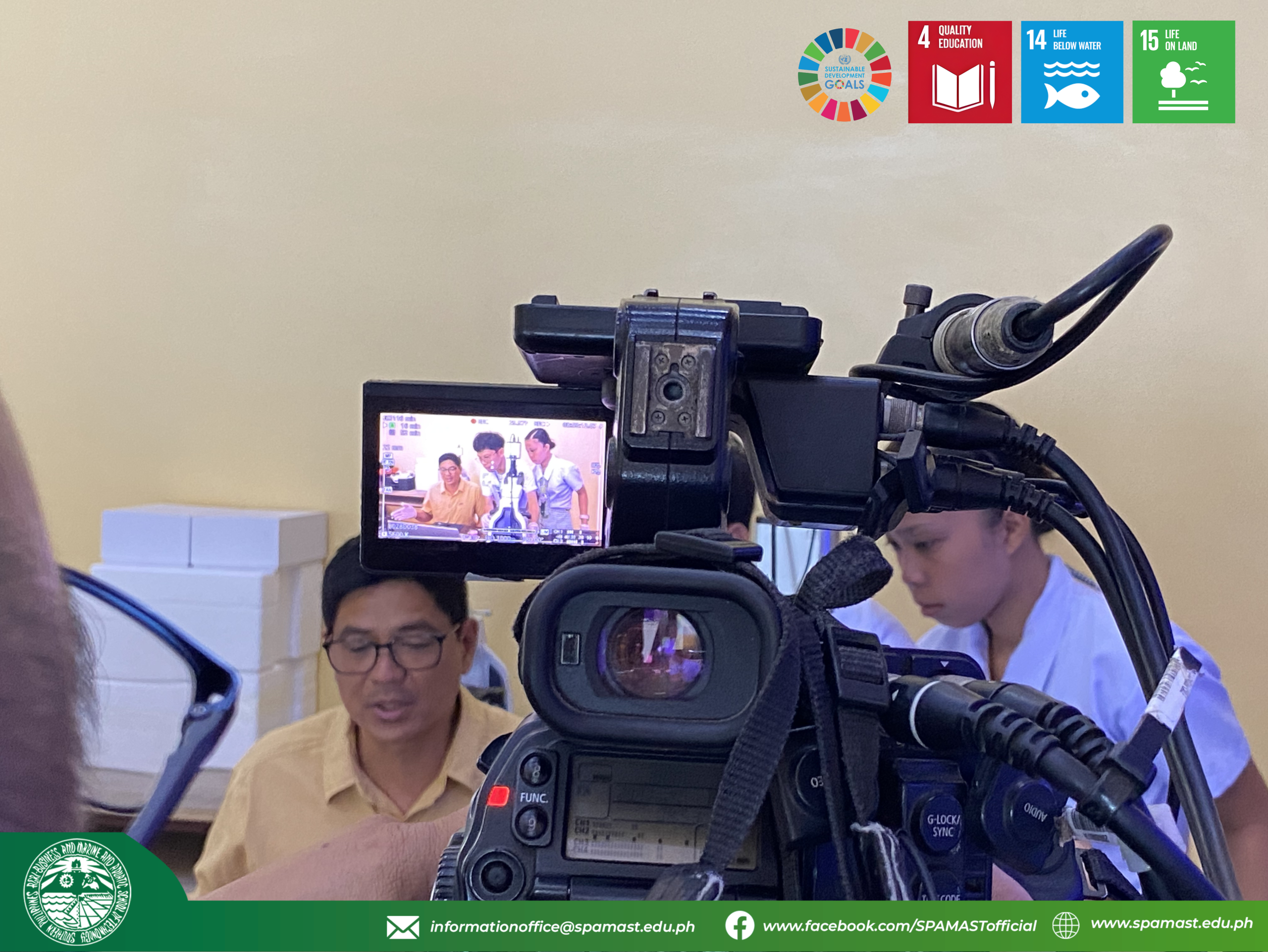
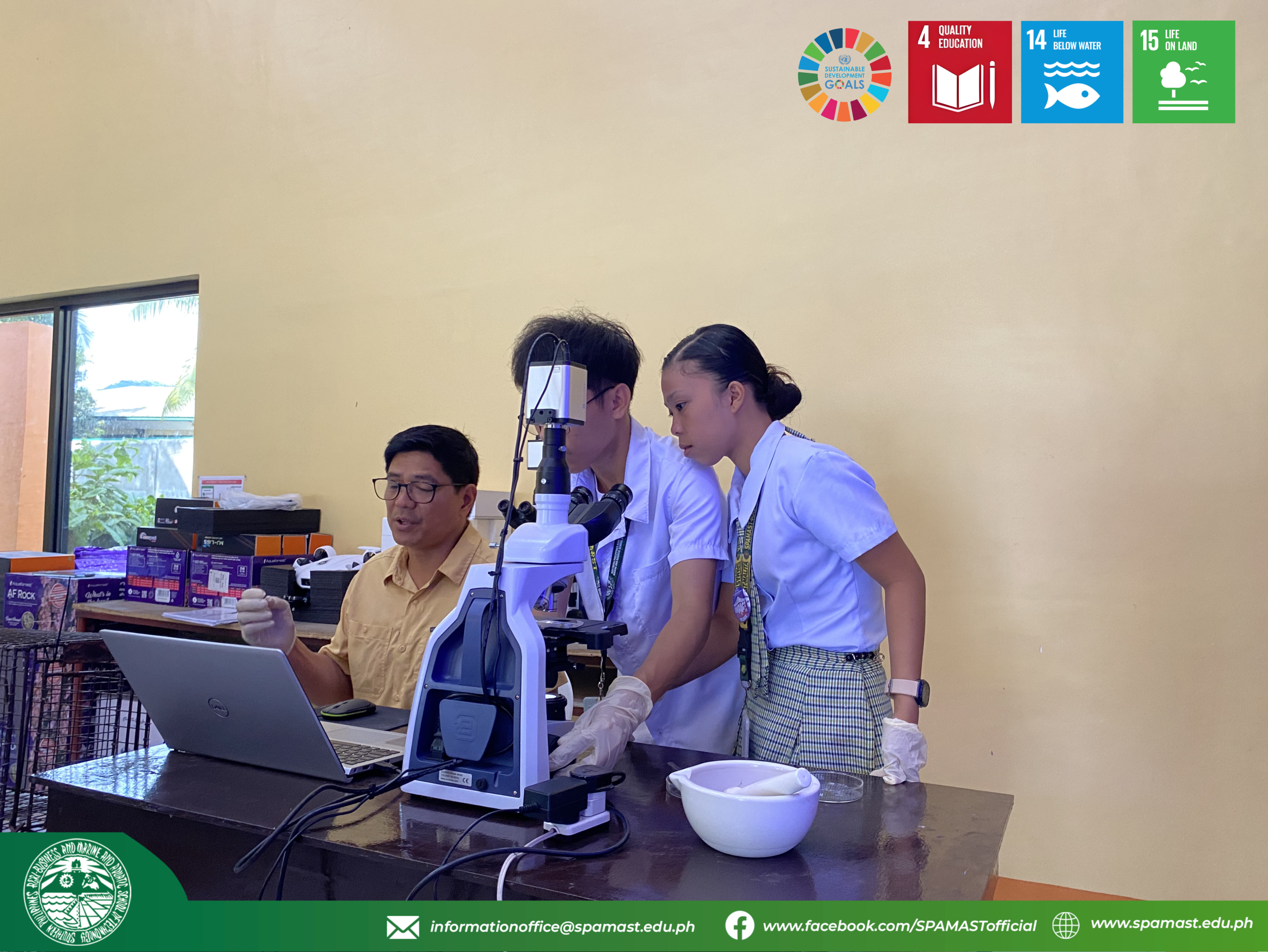
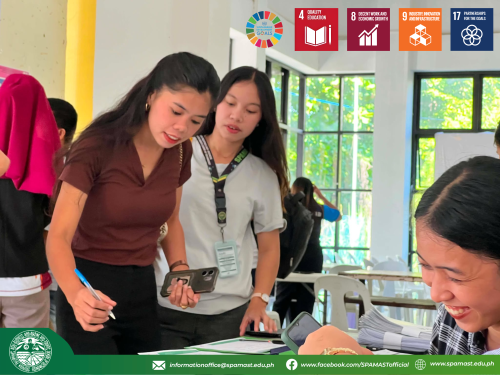
Adding to the highlight of the visit, Marine Biology and Environmental Science students actively participated in a special segment of the program. The students collaborated with the production team in exploring the diet and ecological impact of feral cats in mountainous areas. Through laboratory analysis of collected biological samples, they investigated microscopic traces to better understand how invasive species affect local ecosystems.
The visit not only showcased SPAMAST’s strong commitment to research and environmental stewardship but also provided a valuable platform for students and faculty to contribute to science communication on a national scale.
Viewers are encouraged to watch the upcoming episode of Born to be Wild on GMA Network to discover the findings of Dr. Donato and gain deeper insights into the region’s rich biodiversity and ongoing conservation efforts.