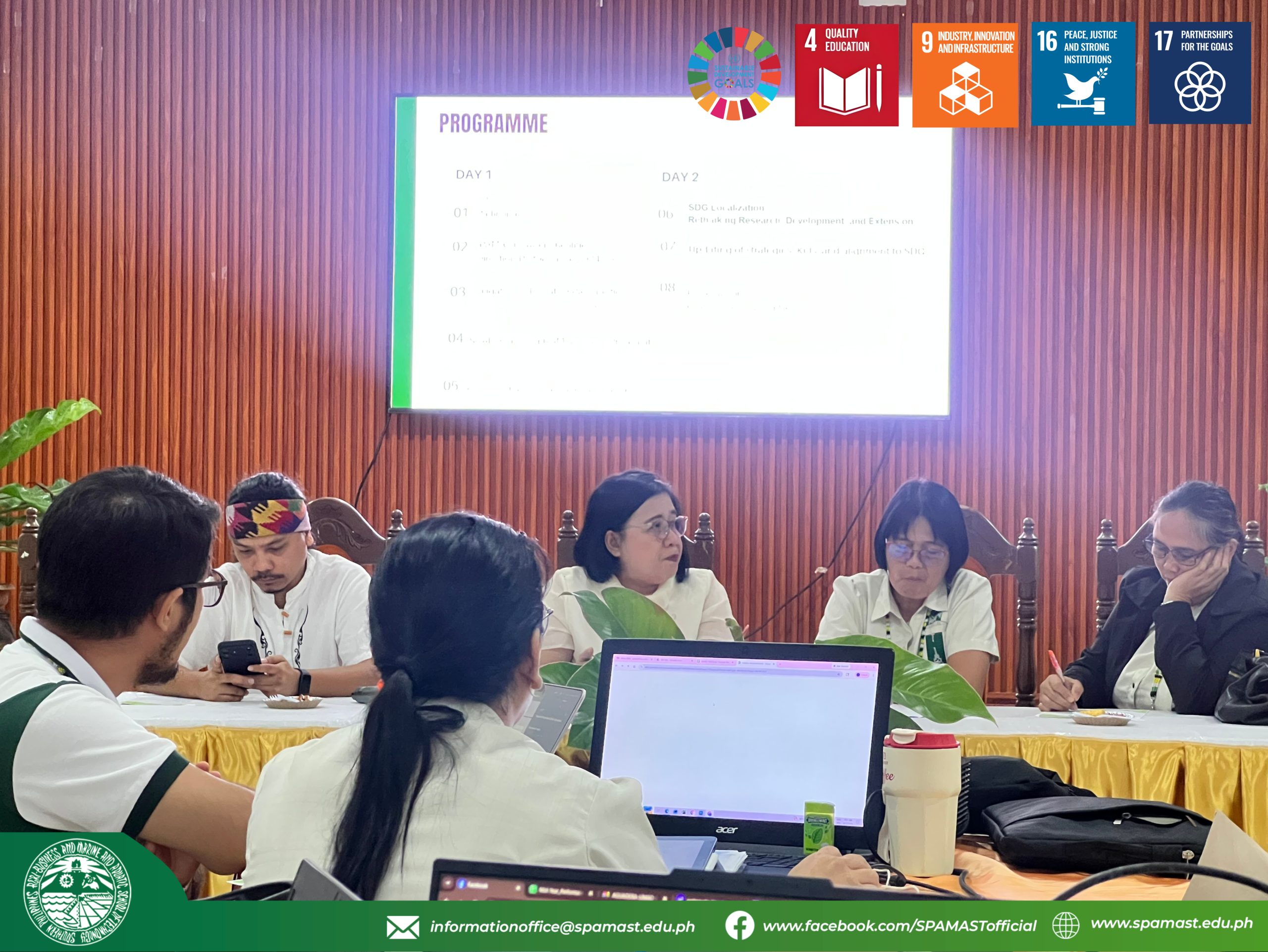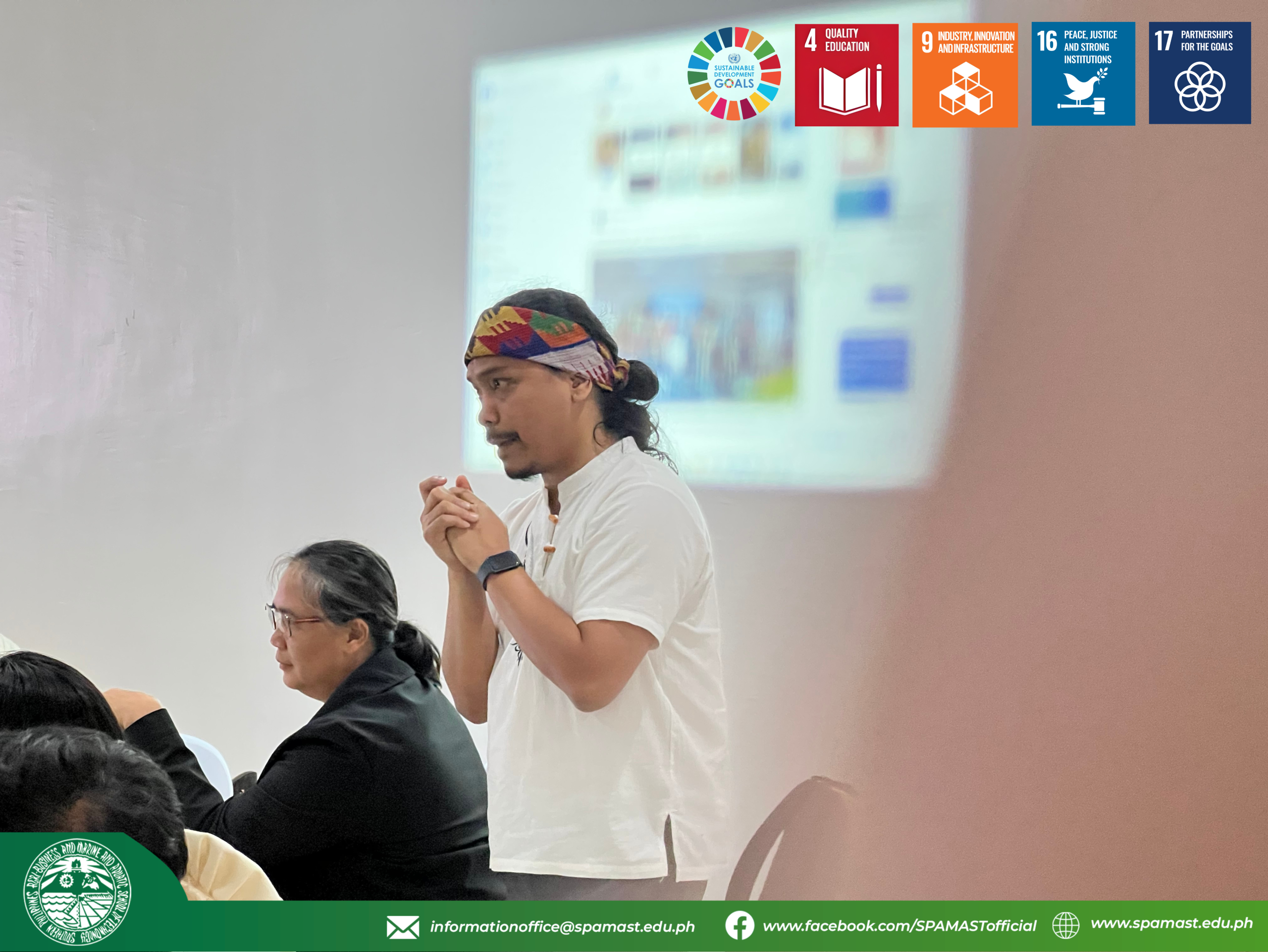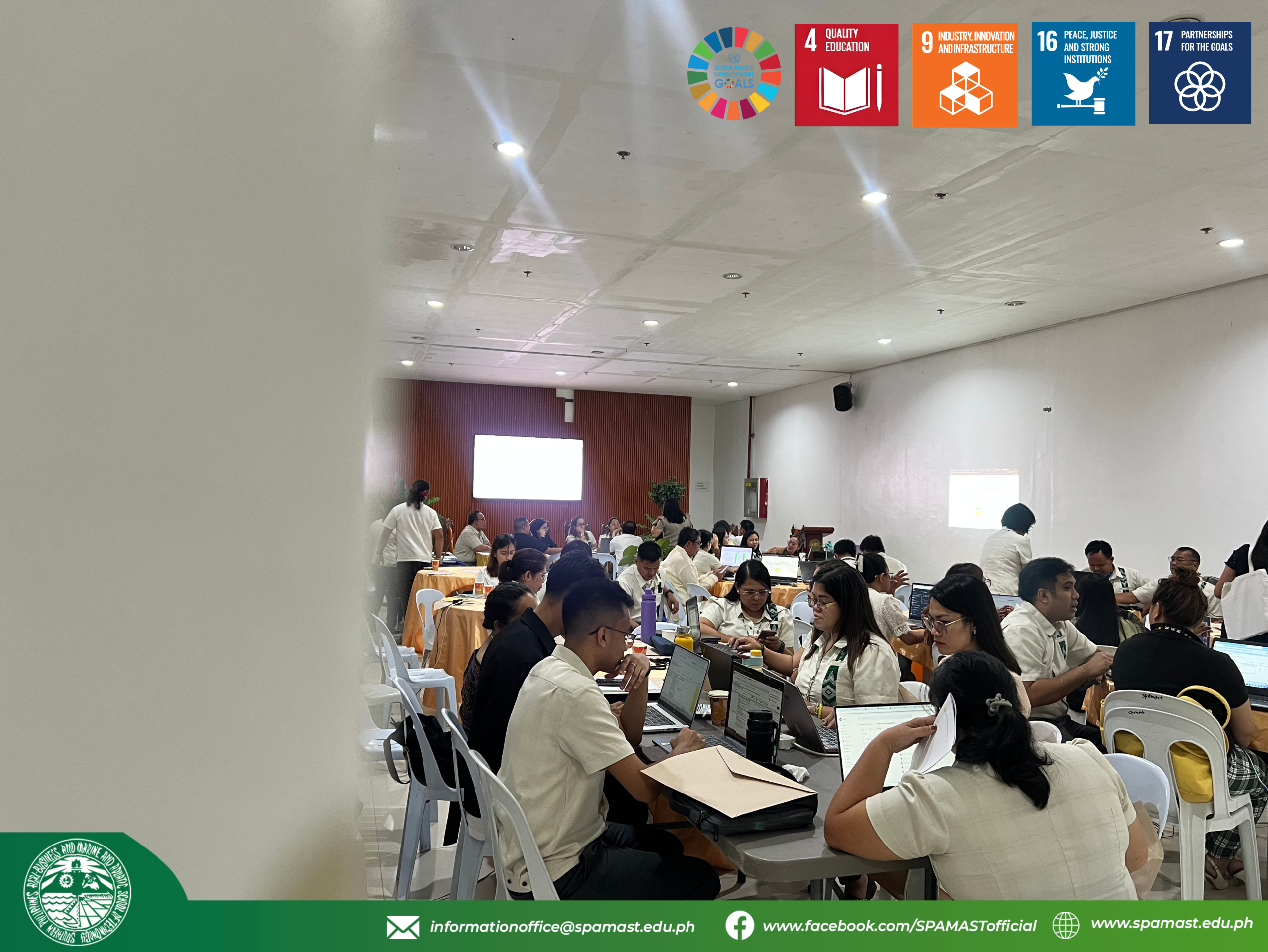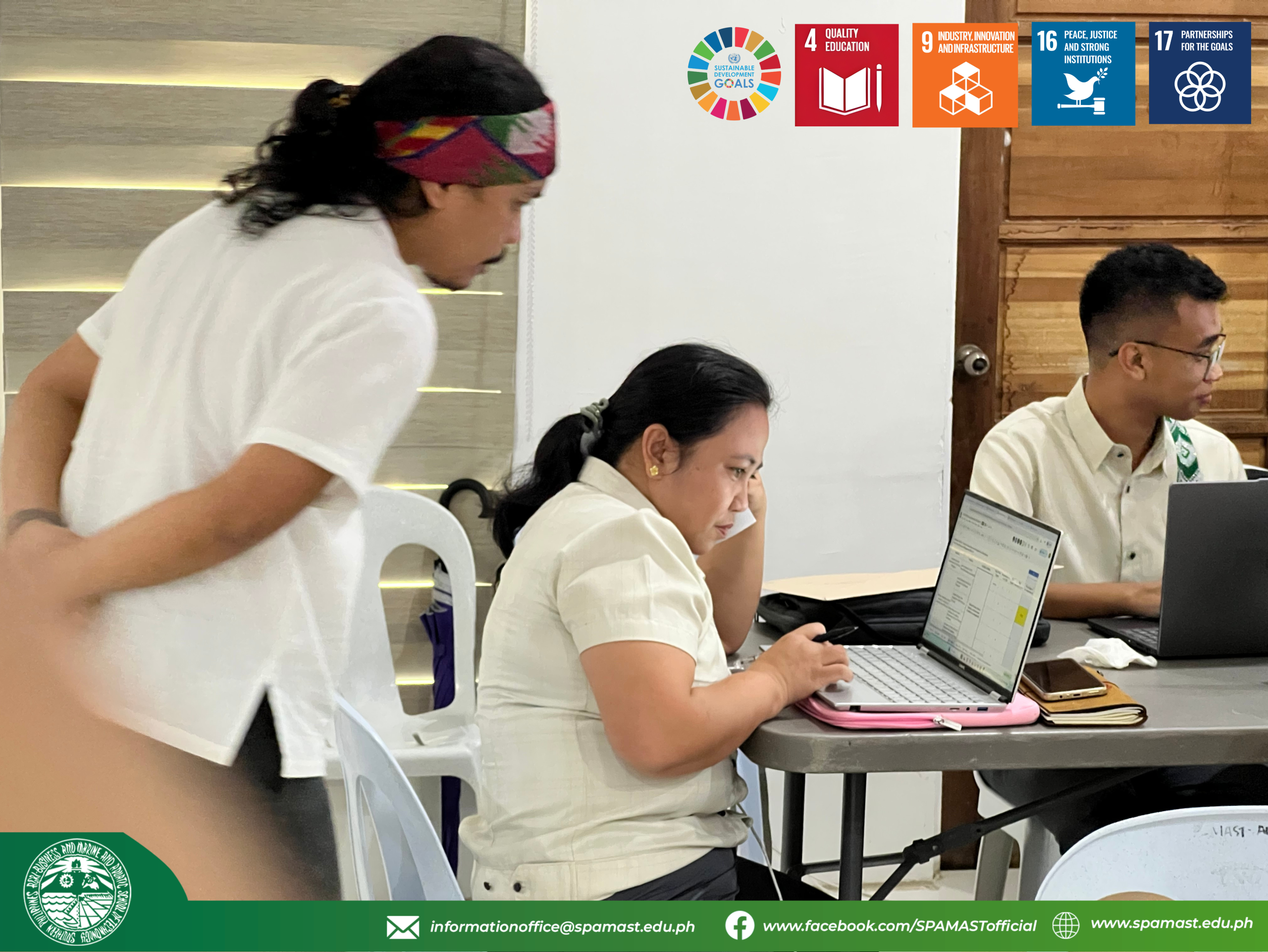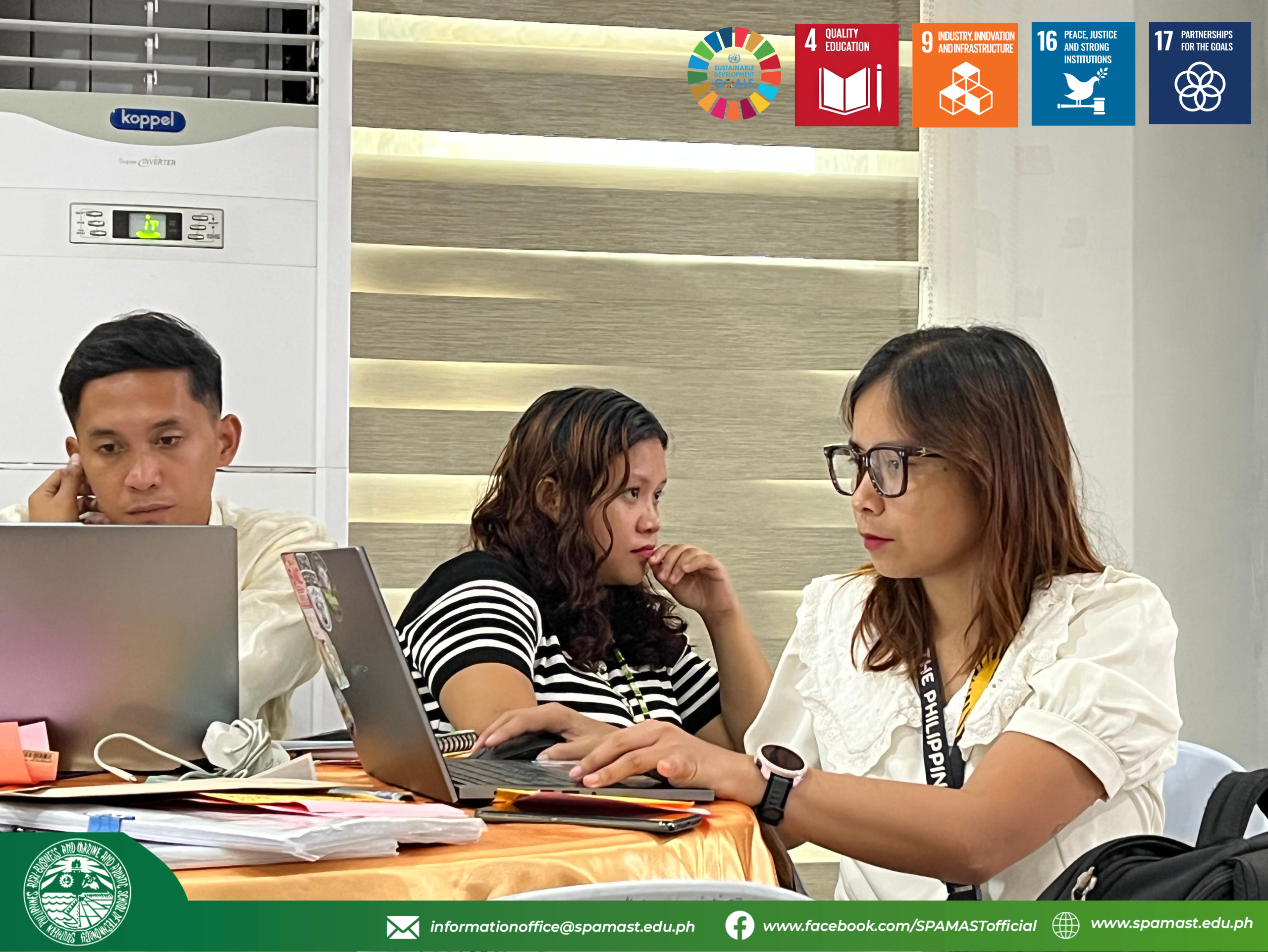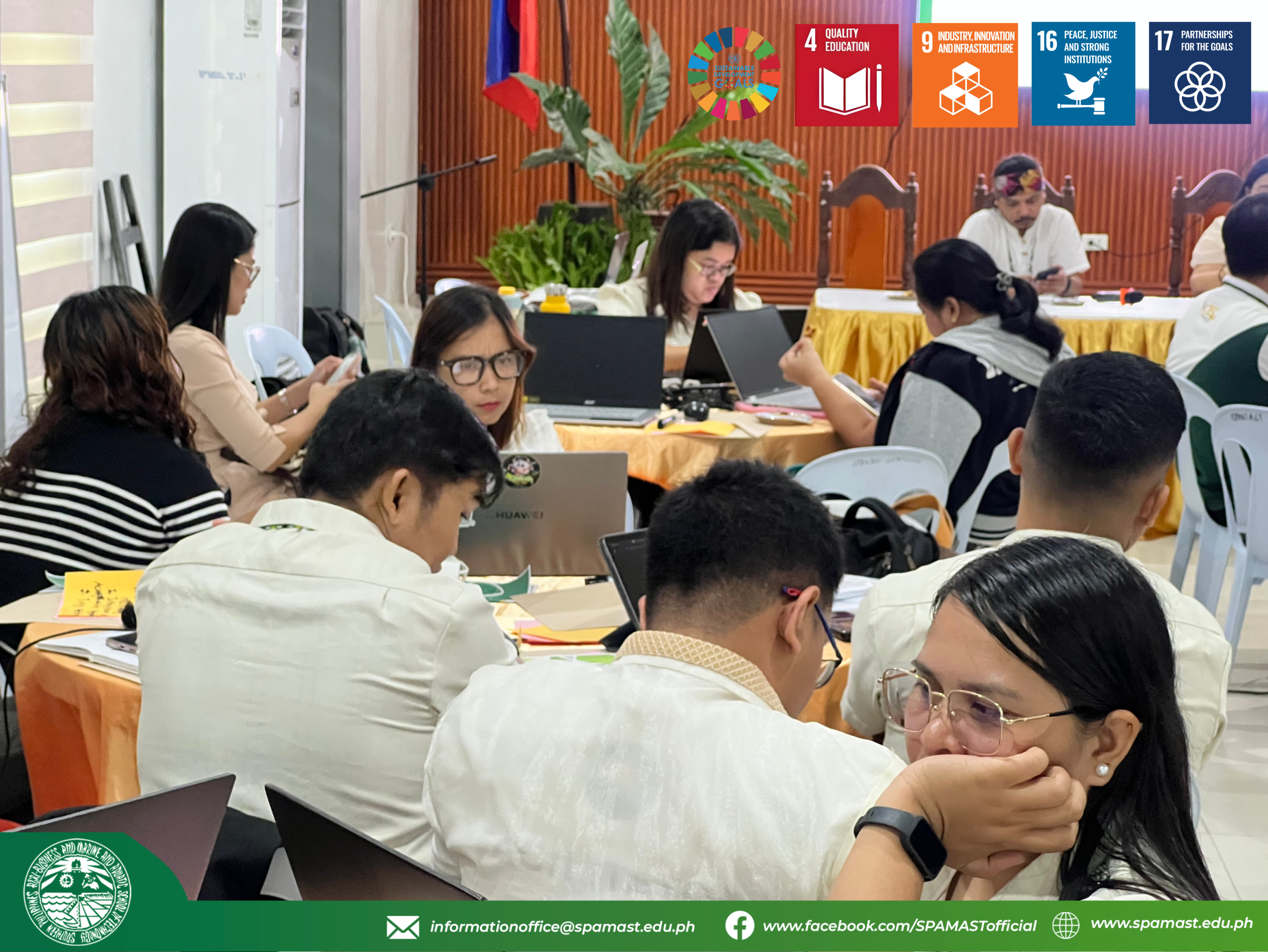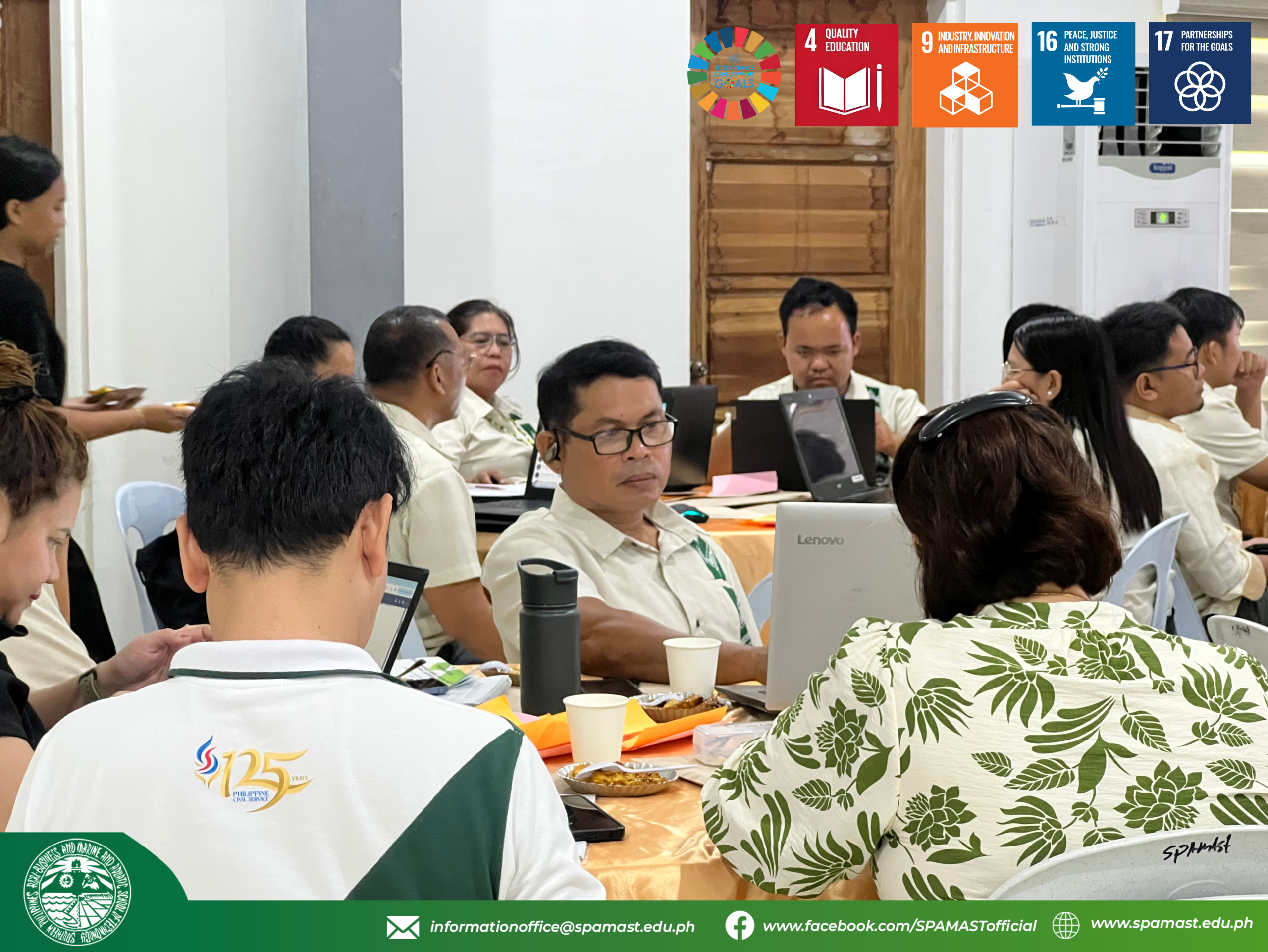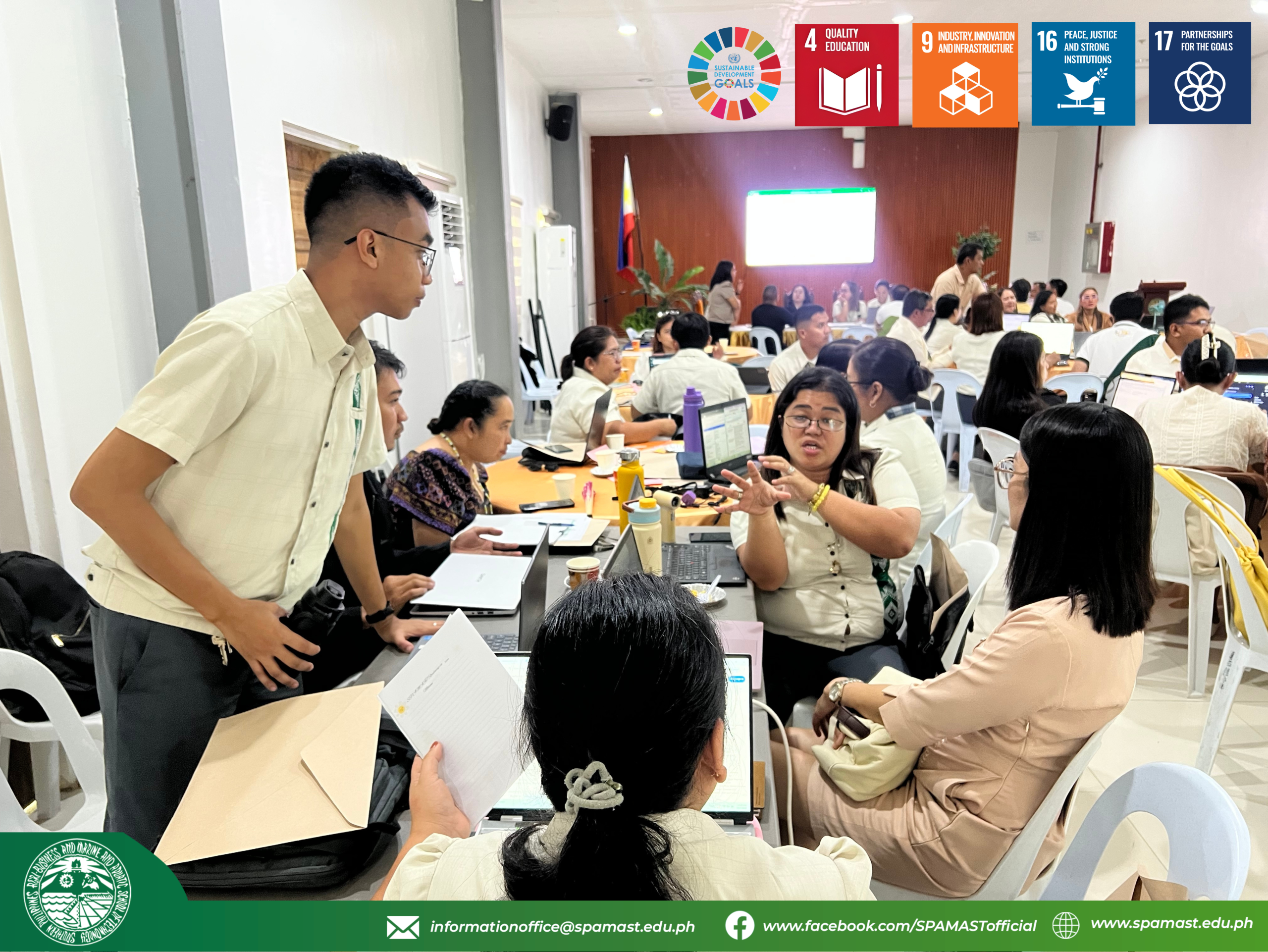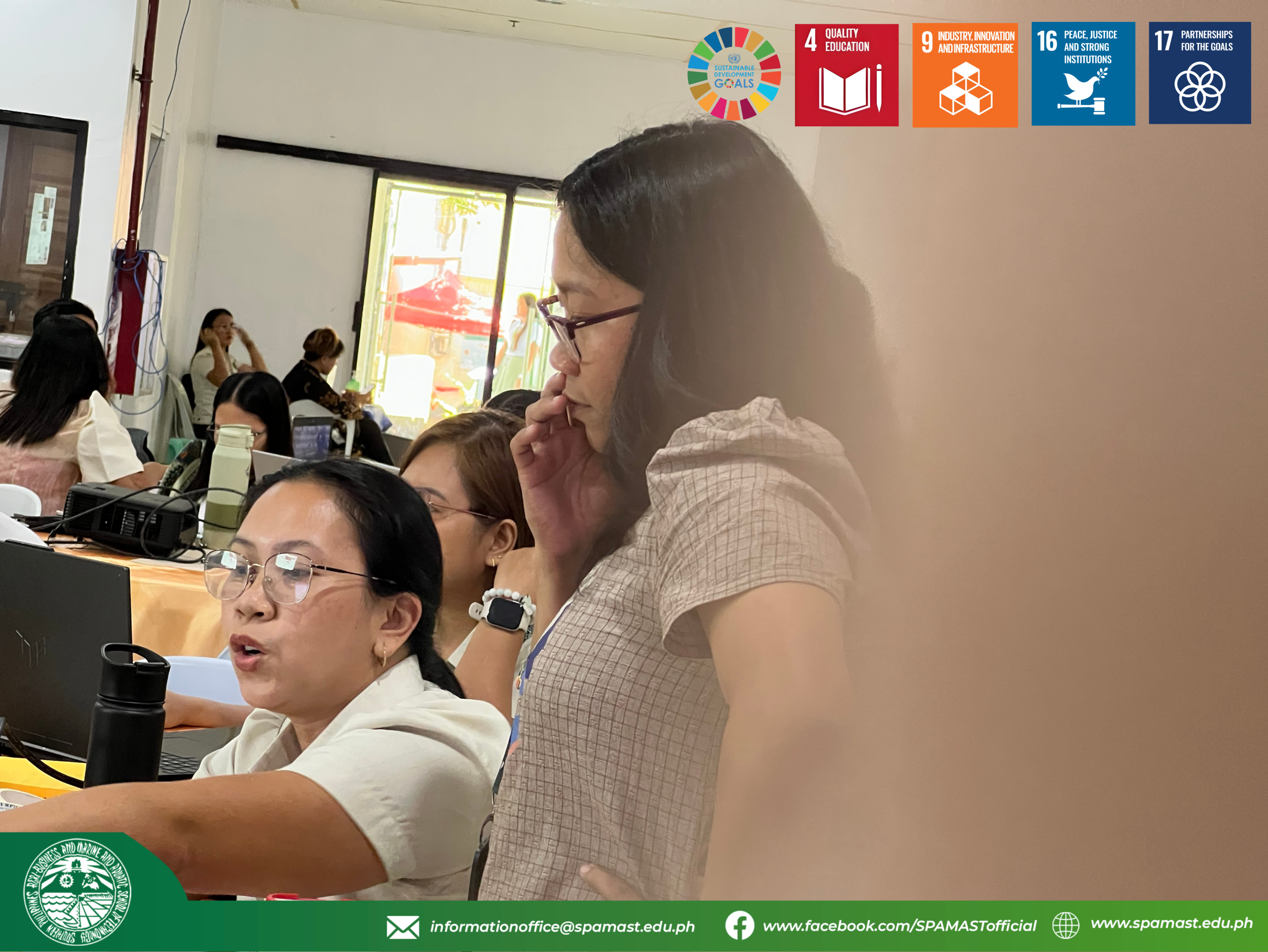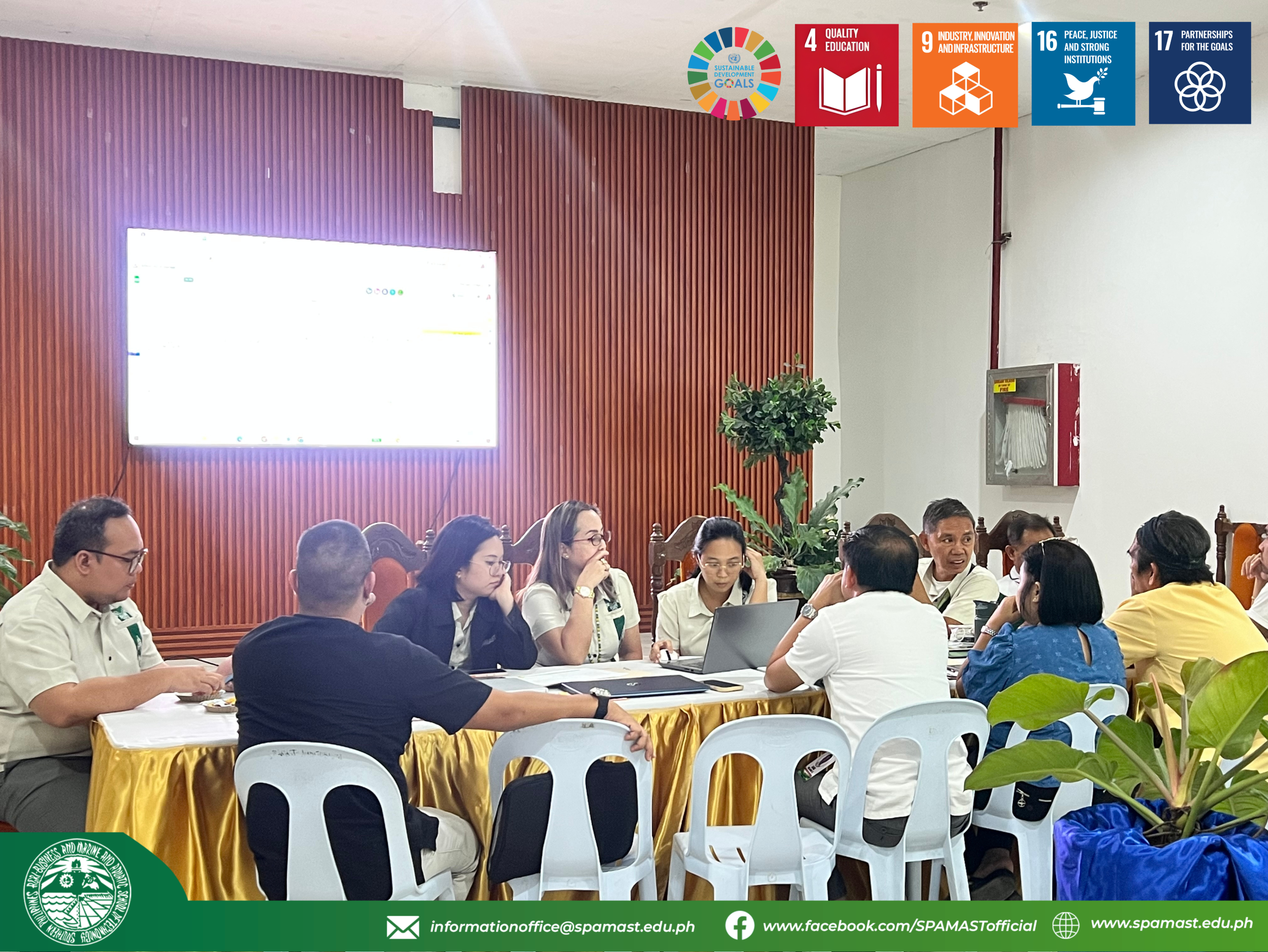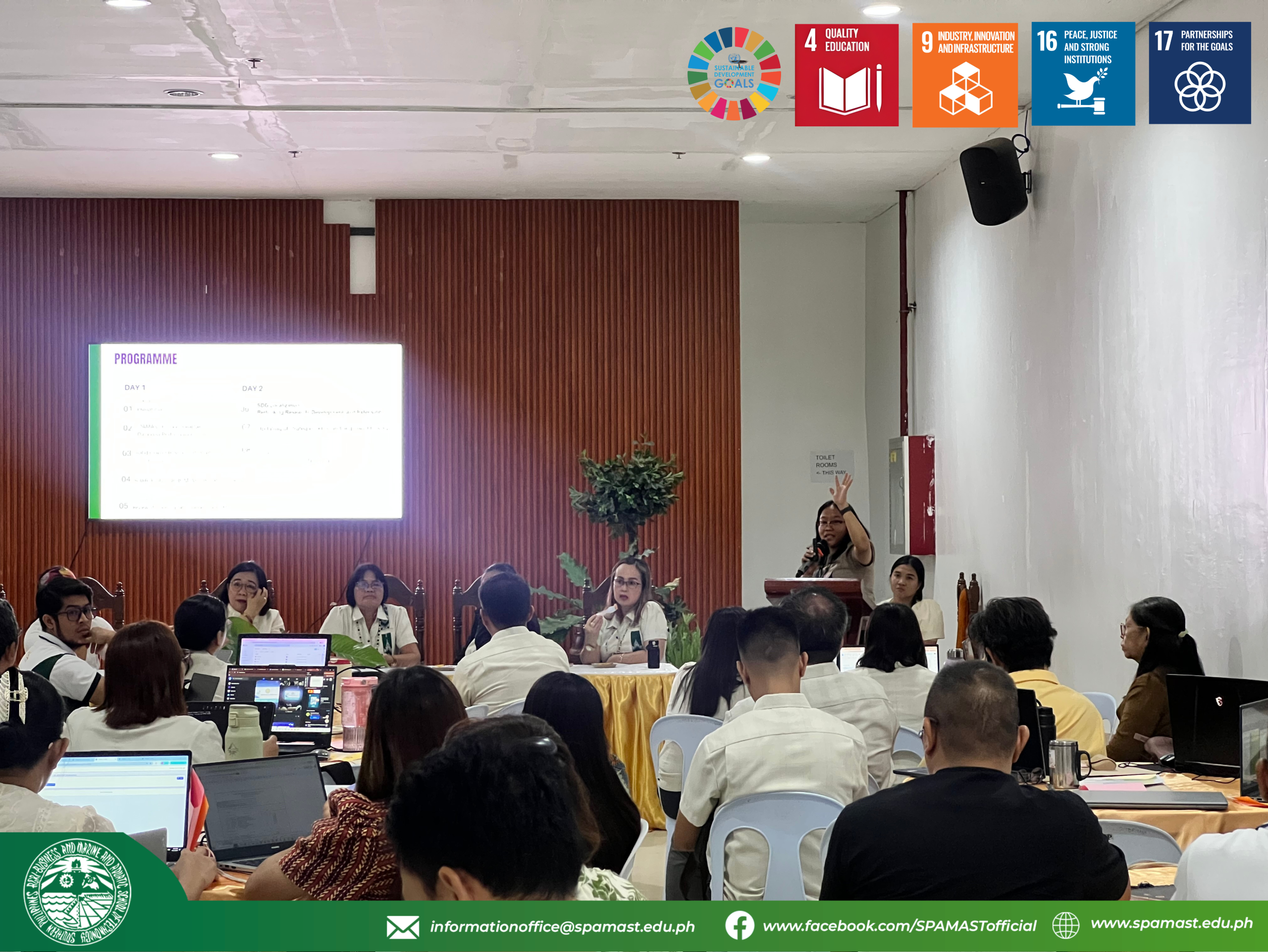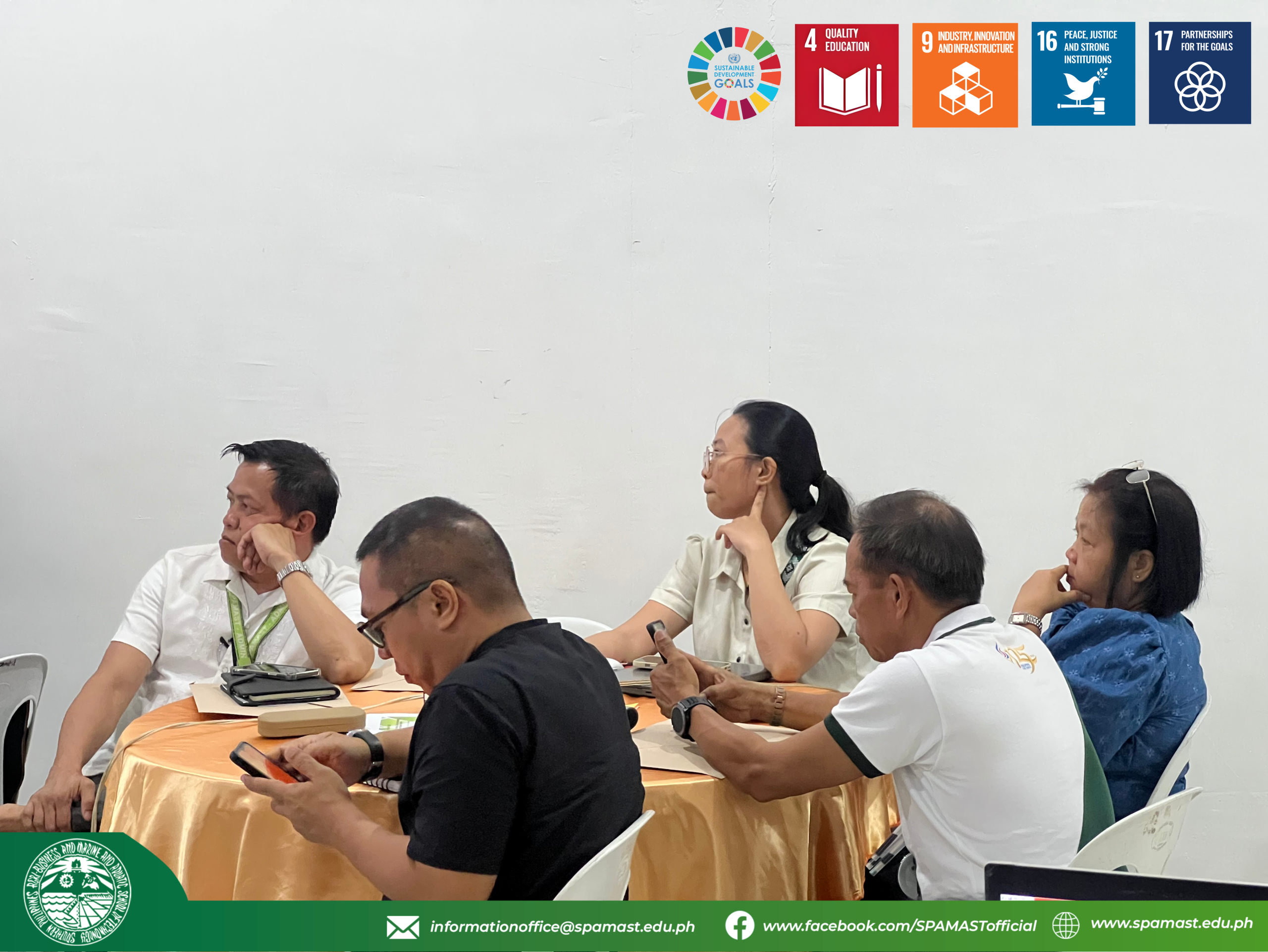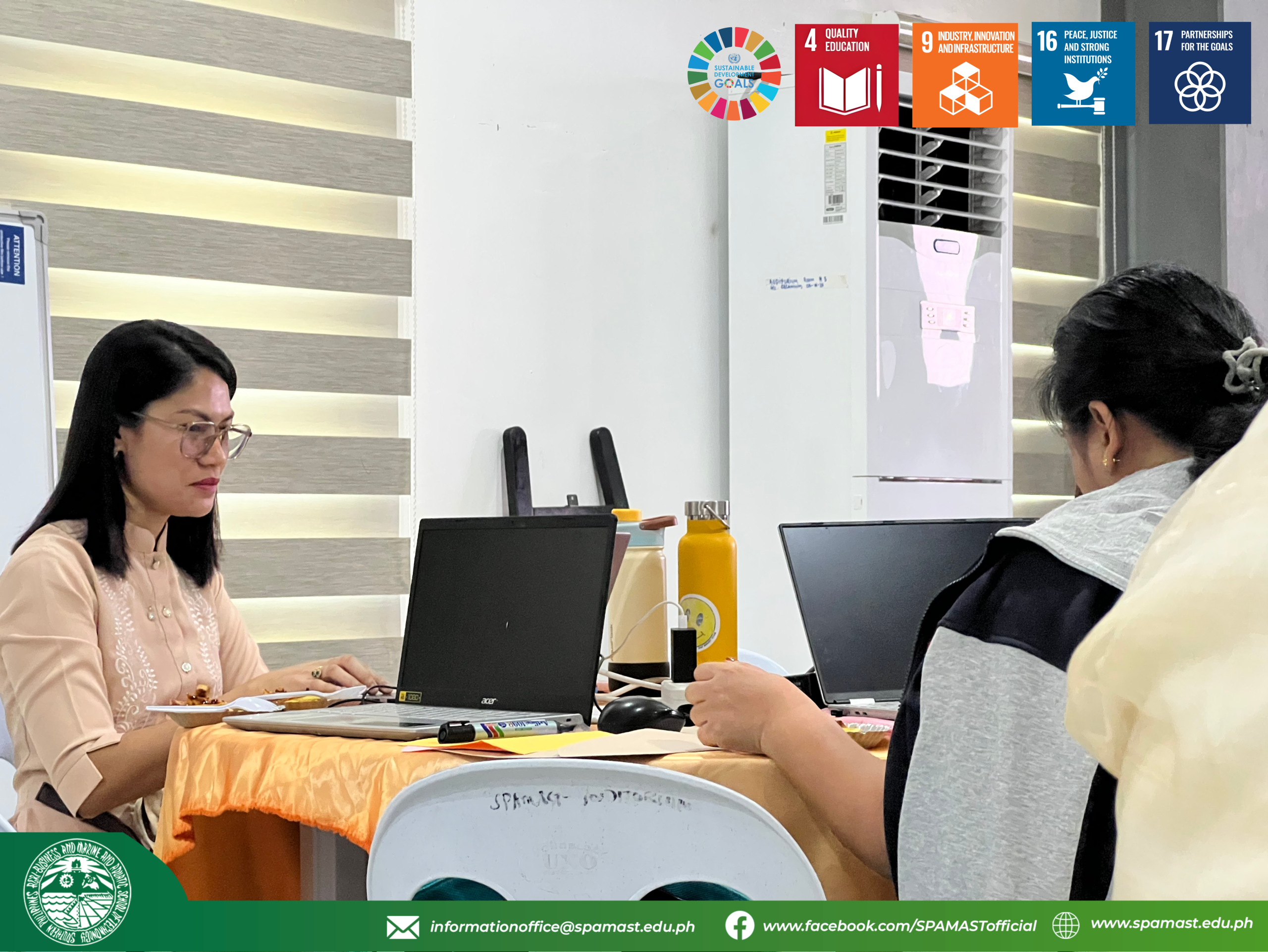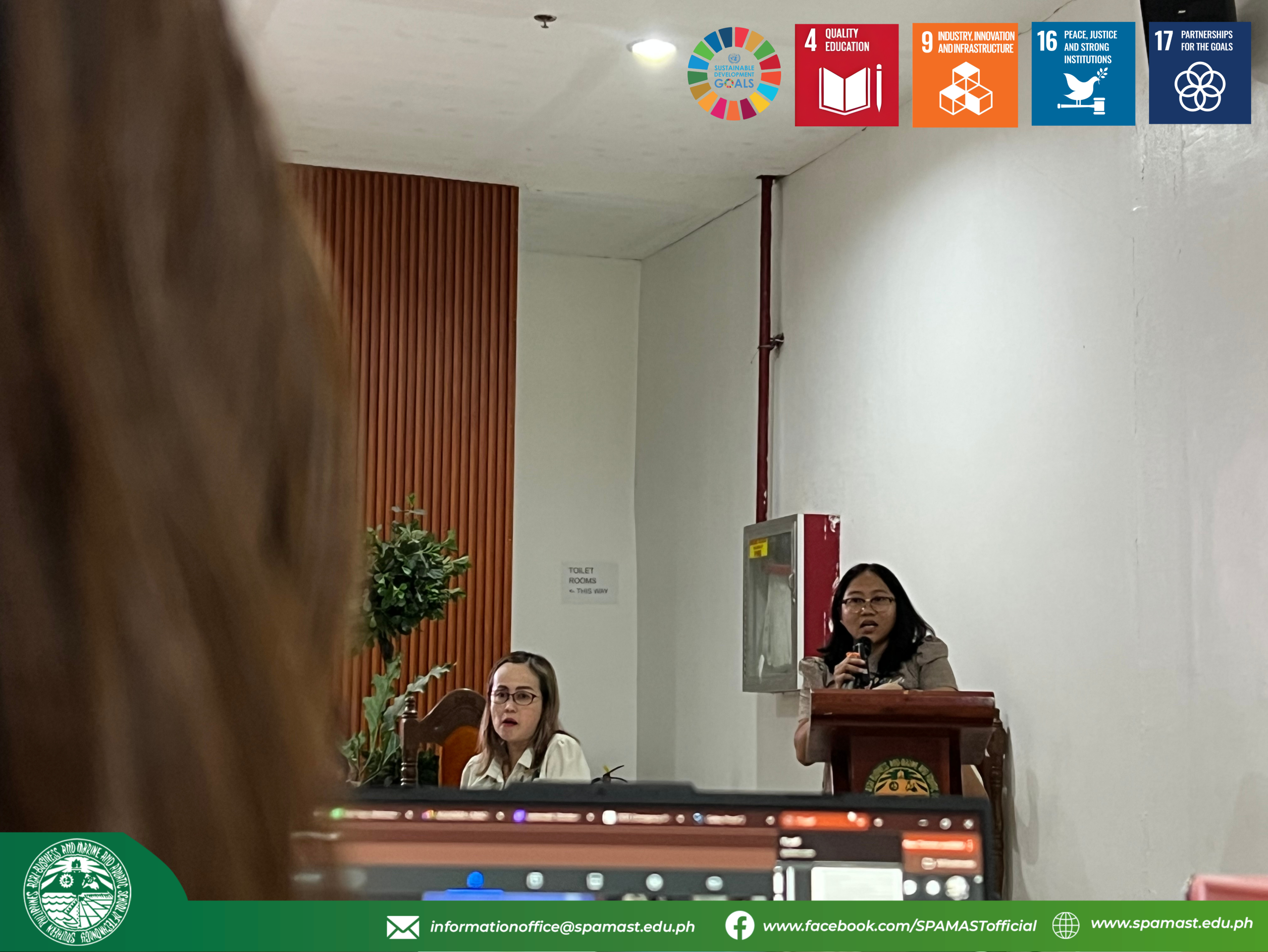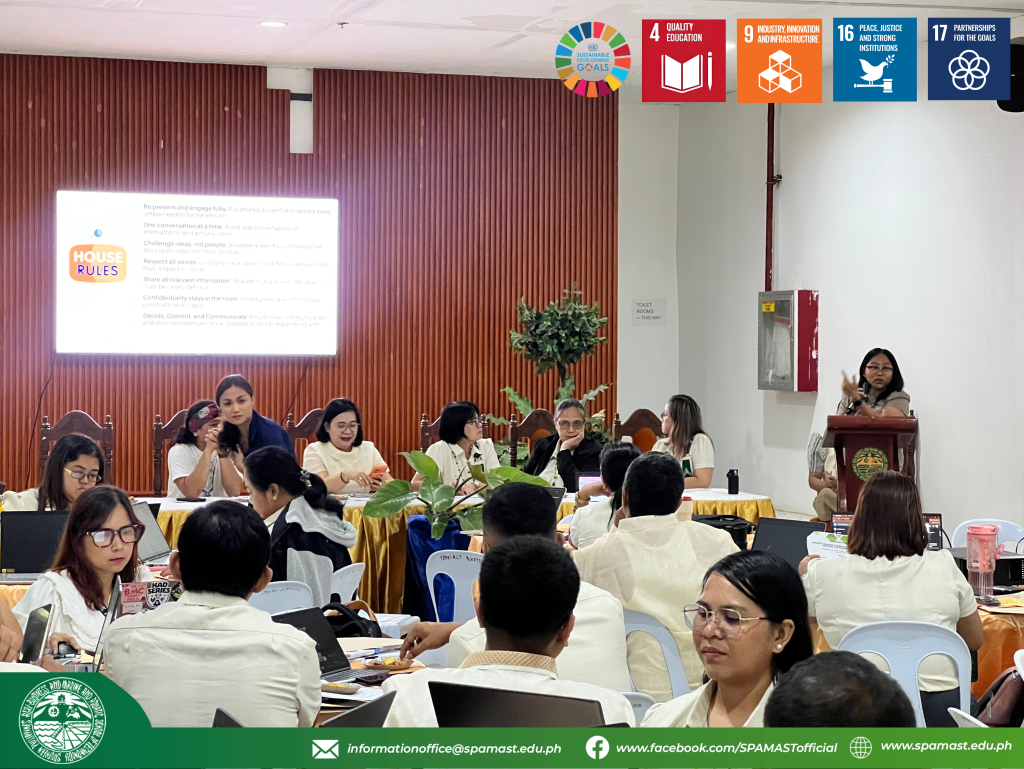
The Southern Philippines Agribusiness and Marine and Aquatic School of Technology (SPAMAST) convened key institutional leaders, planners, and stakeholders on April 27, 2026, at its Lecture Hall in Malita, Davao Occidental for its mid-year monitoring and strategic alignment initiative Day 1, titled “SPAMAST Roadmap in Motion: Mid-Year Monitoring, Alignment, and Strategic Insights.” The activity aimed to assess organizational performance, validate accomplishments, and refine strategic priorities under its 2024–2028 development framework. In her opening message, Dr. Lynette A. Bontia underscored the importance of evidence-based decision-making and institutional accountability, emphasizing that continuous monitoring ensures that the university remains responsive to emerging challenges while sustaining its long-term vision.
The program featured a comprehensive review of SPAMAST’s strategic direction and accomplishments for 2024–2025, presented by the Planning Officer, followed by a rigorous validation of key performance indicators (KPIs) against actual outputs. Facilitated by Ms. Daisy T. Besing and Mr. Francis N. Reginio, the sessions encouraged participatory evaluation and transparent reporting across units. A critical component of the activity was the reassessment of the Strategic Plan 2024–2028 through a SWOT analysis, identifying institutional strengths, gaps, risks, and growth opportunities. Outputs from each session were presented and examined collectively, fostering a culture of collaboration and shared accountability among academic and administrative units.
The mid-year review culminated in the refinement of strategic goals, strategies, and KPIs, reinforcing SPAMAST’s commitment to adaptive governance and sustainable institutional growth. By aligning its operations with measurable outcomes and forward-looking strategies, the university positions itself to deliver more impactful education and community engagement. This initiative also reflects SPAMAST’s contribution to the United Nations’ 17 Sustainable Development Goals, particularly SDG 4 (Quality Education), SDG 9 (Industry, Innovation, and Infrastructure), and SDG 16 (Peace, Justice, and Strong Institutions), highlighting its role in advancing inclusive, innovative, and accountable systems in higher education.