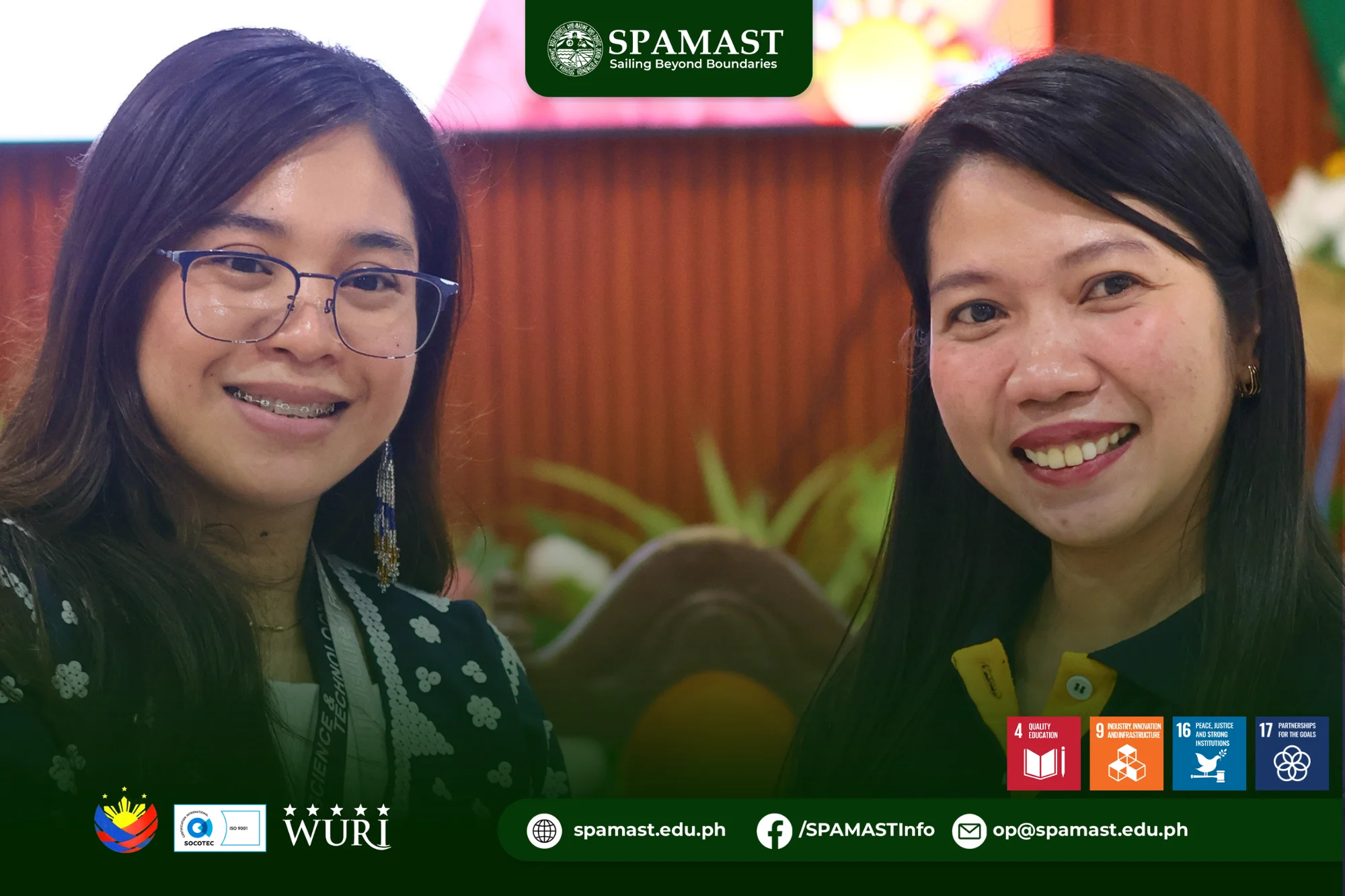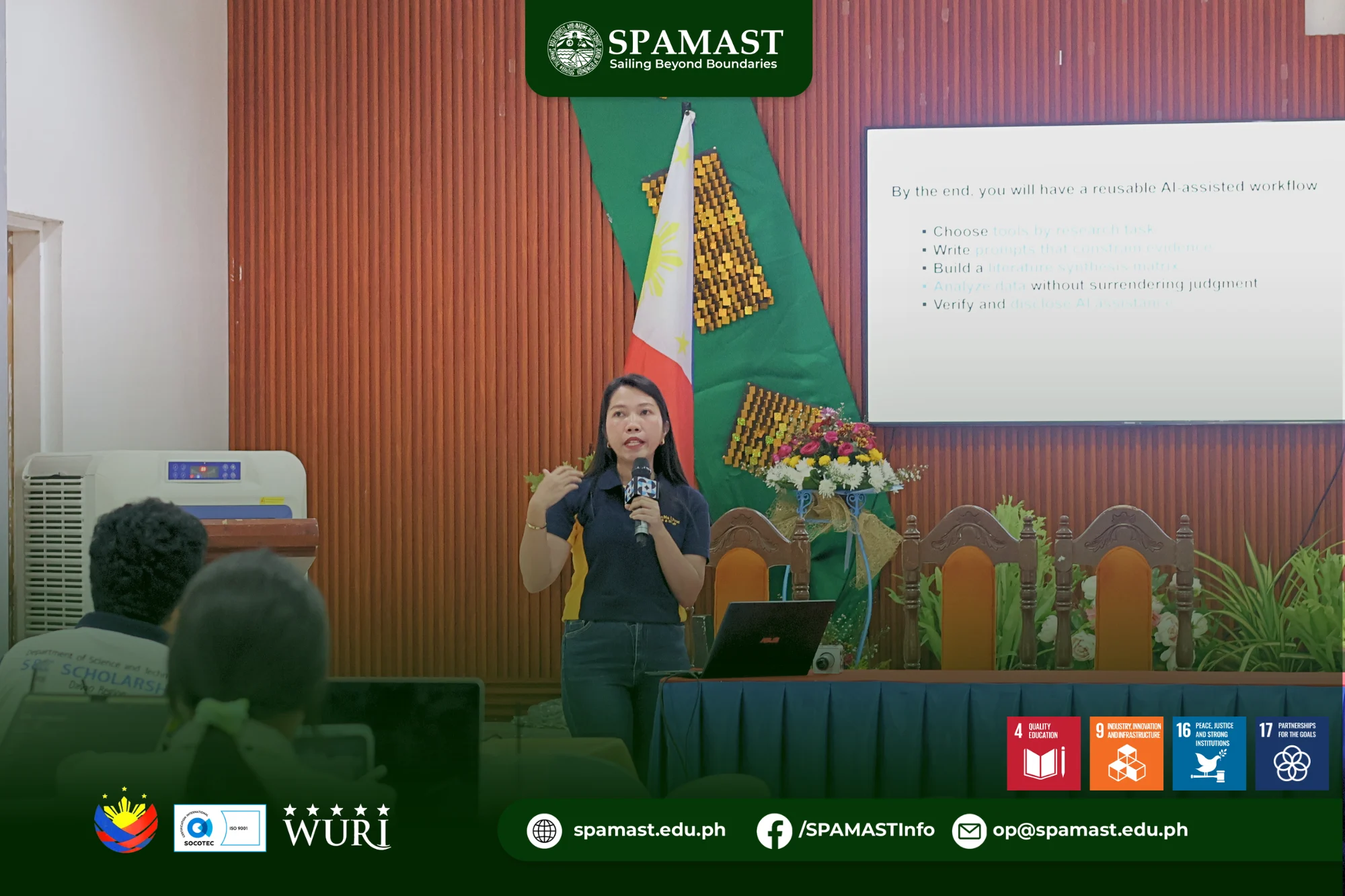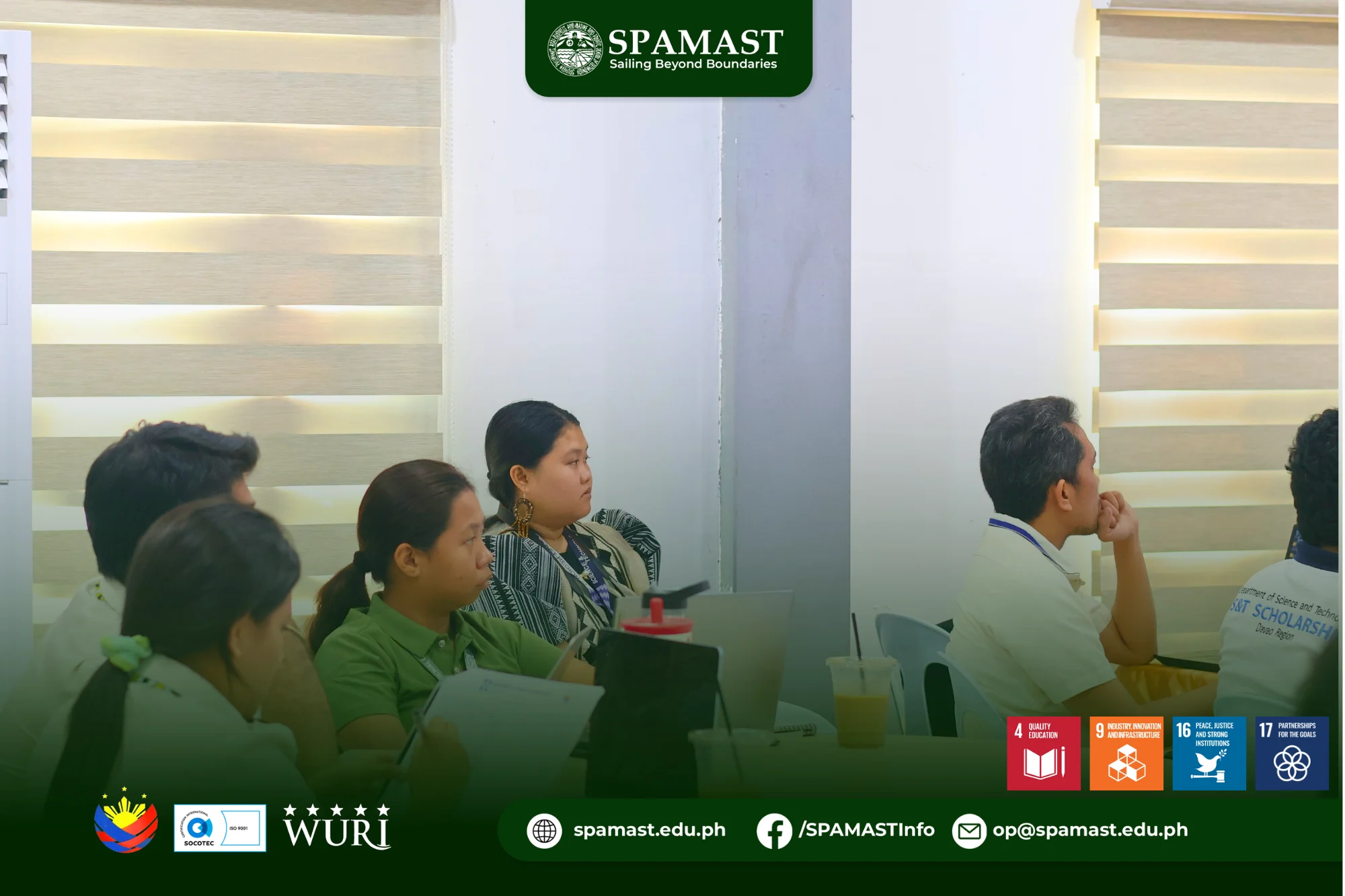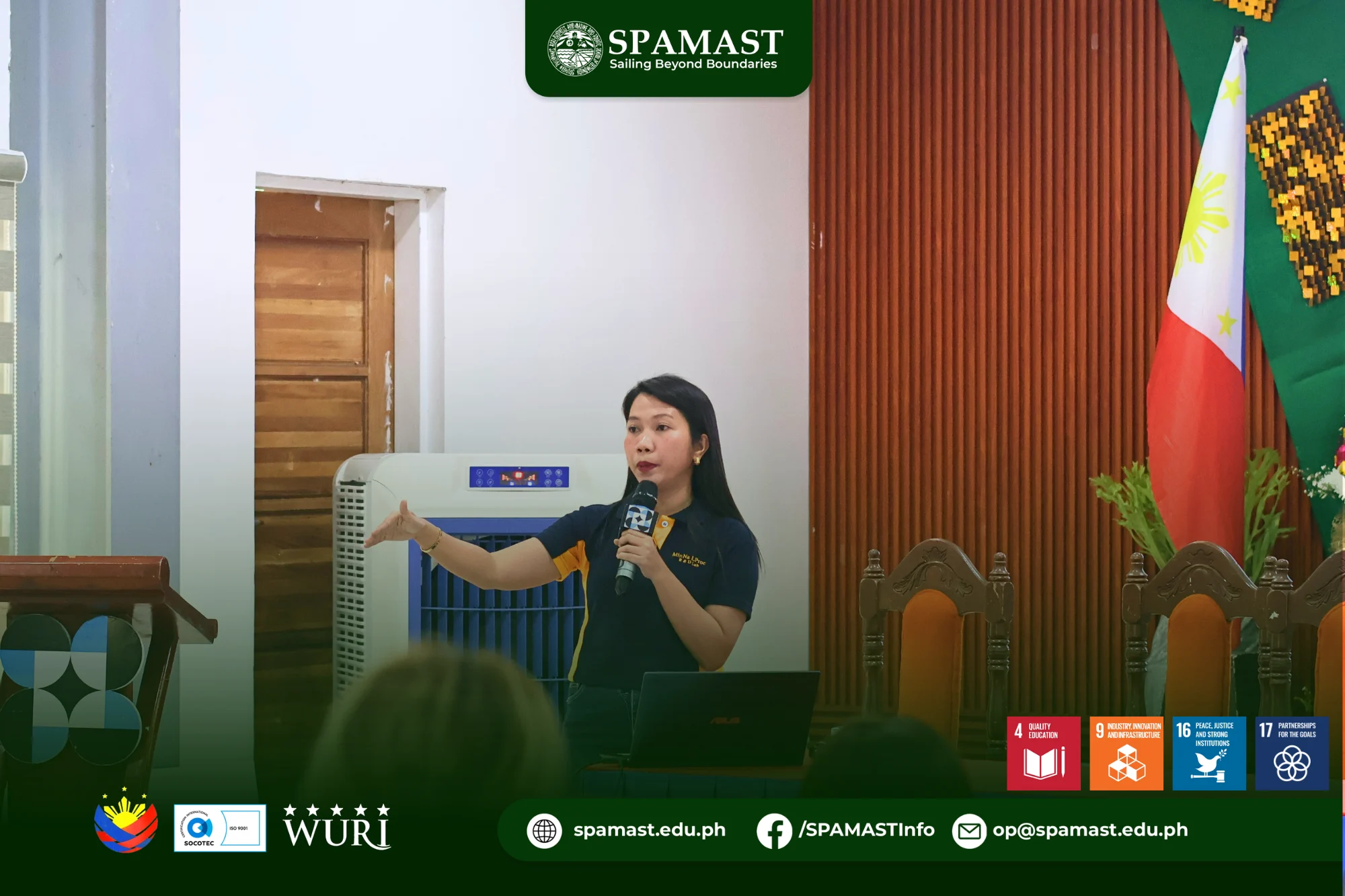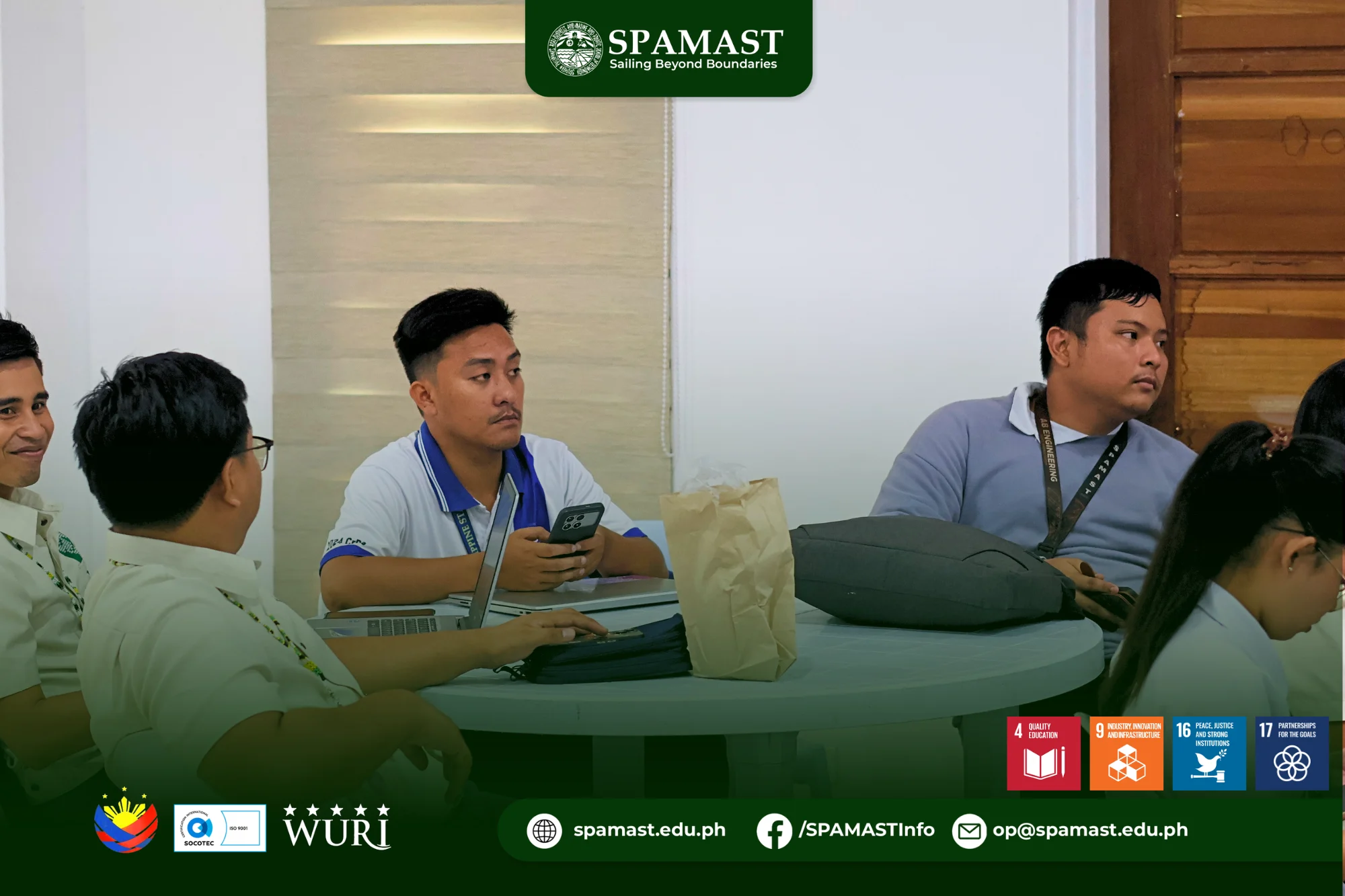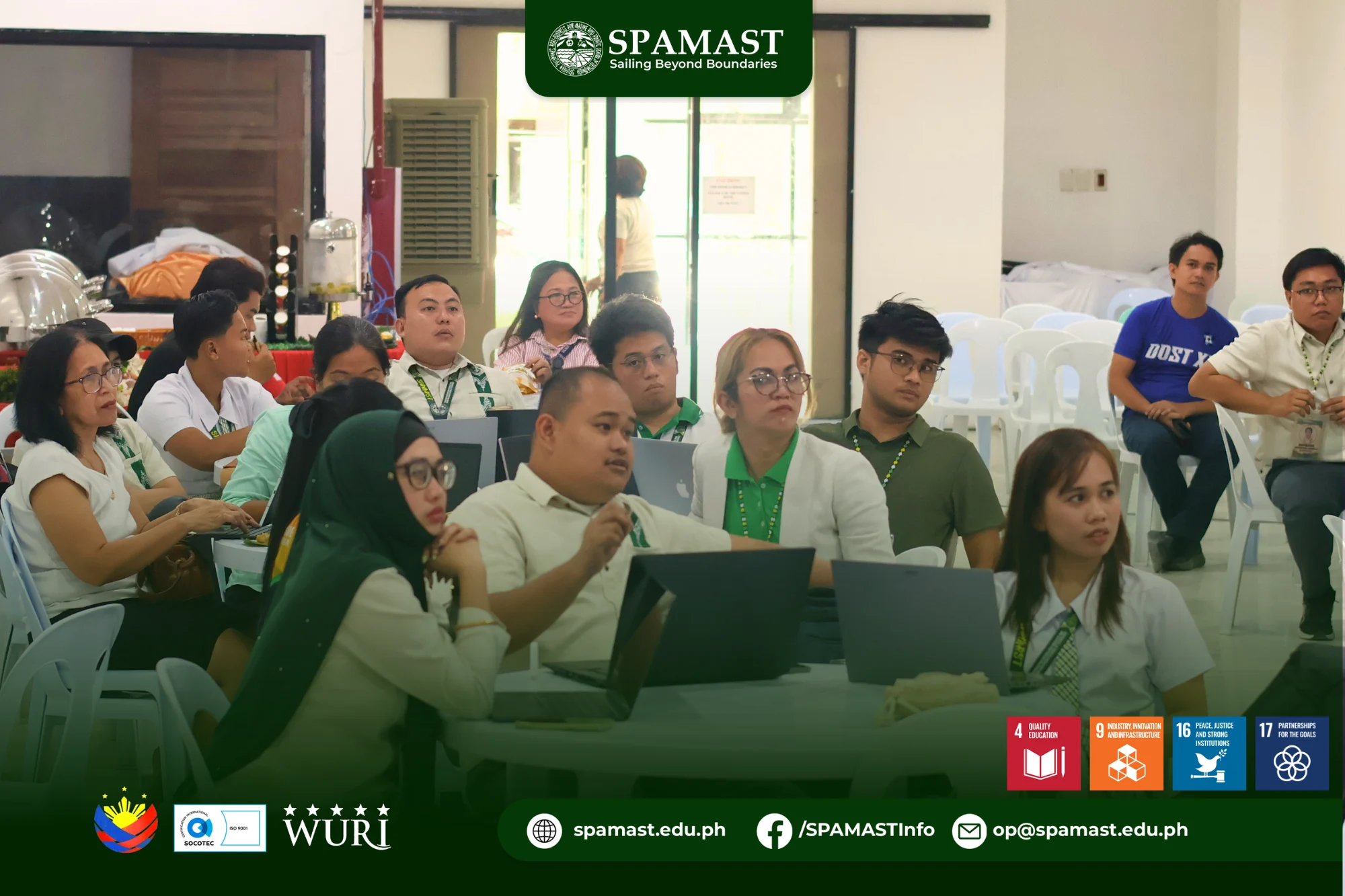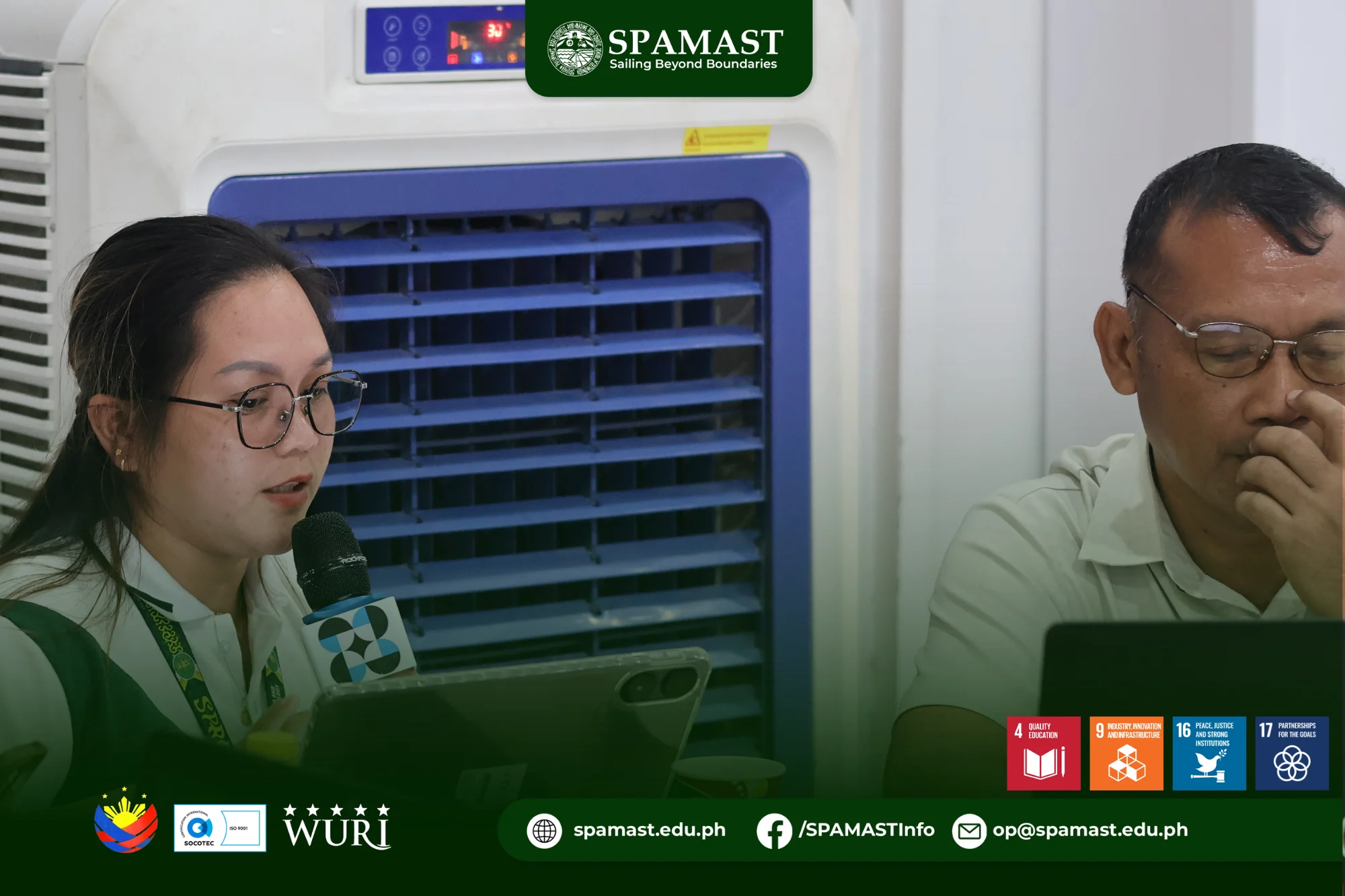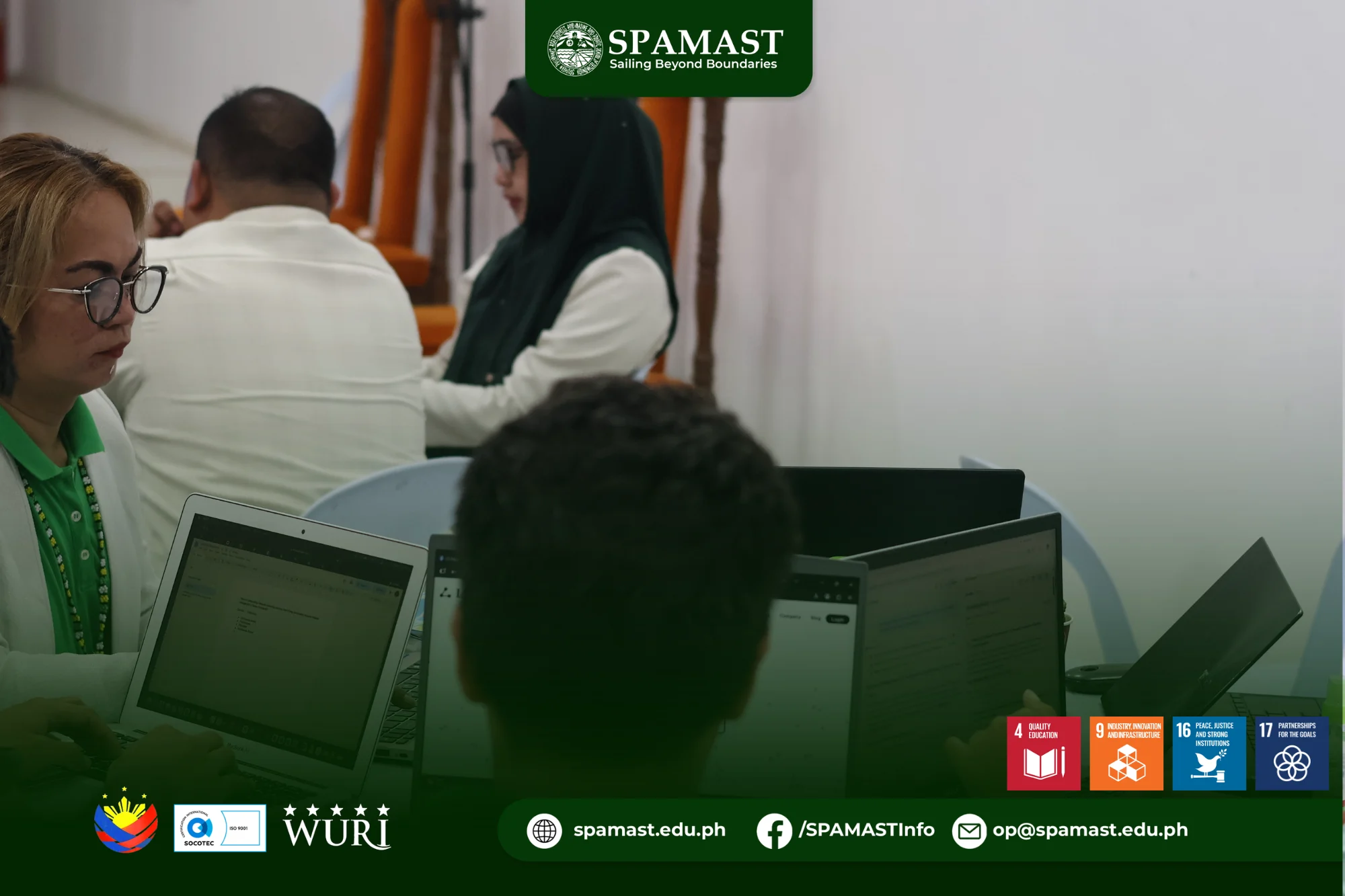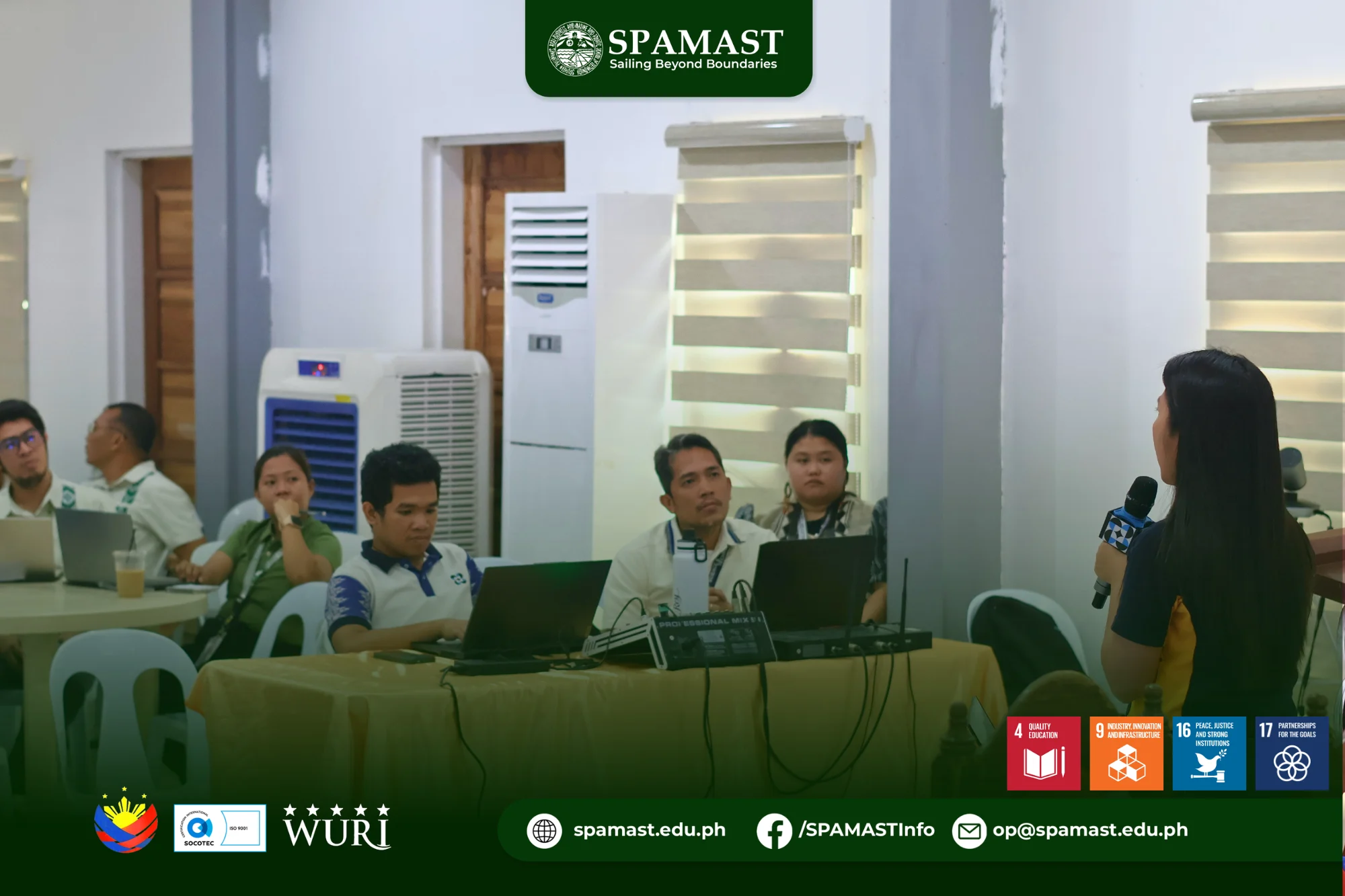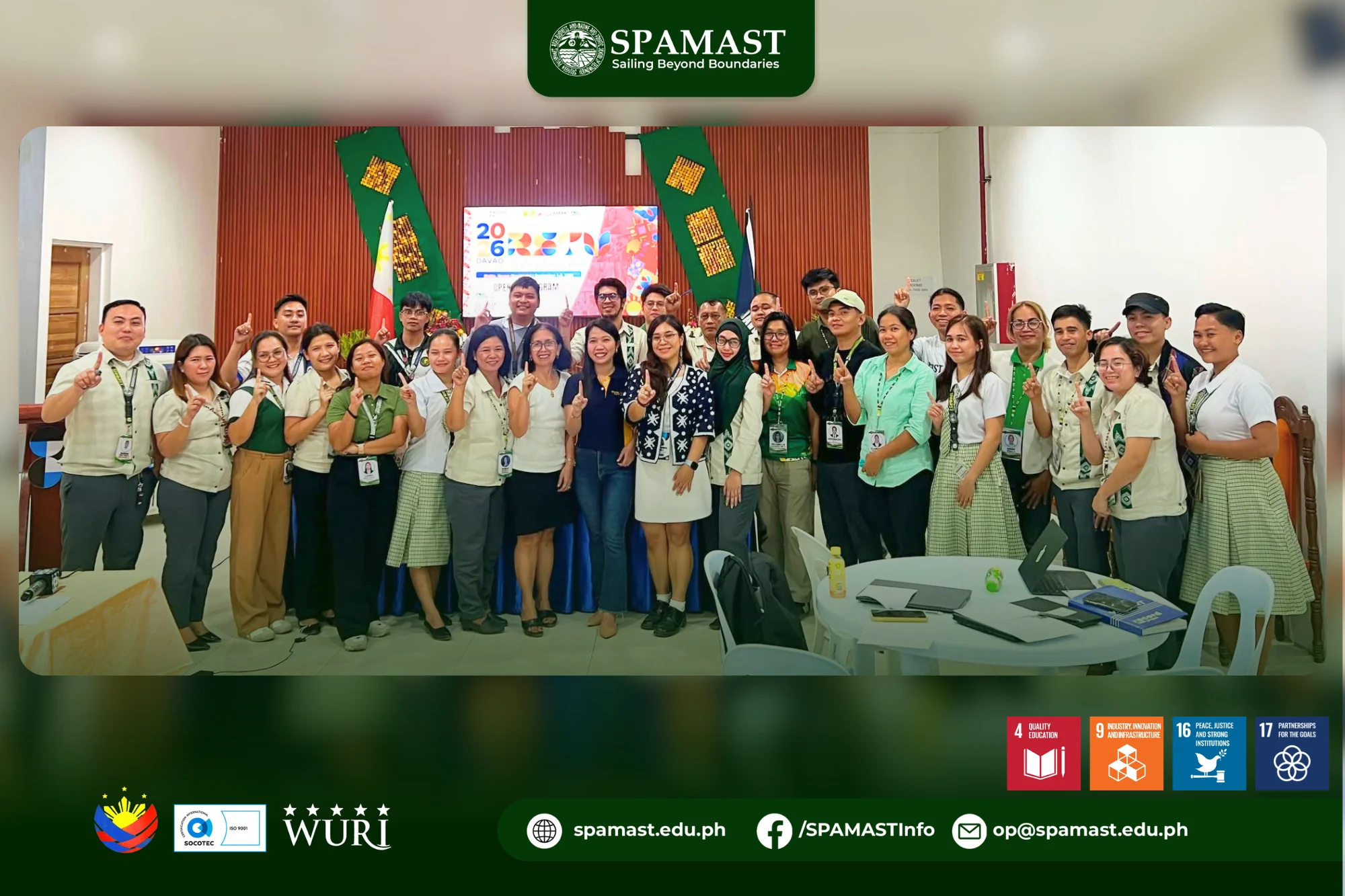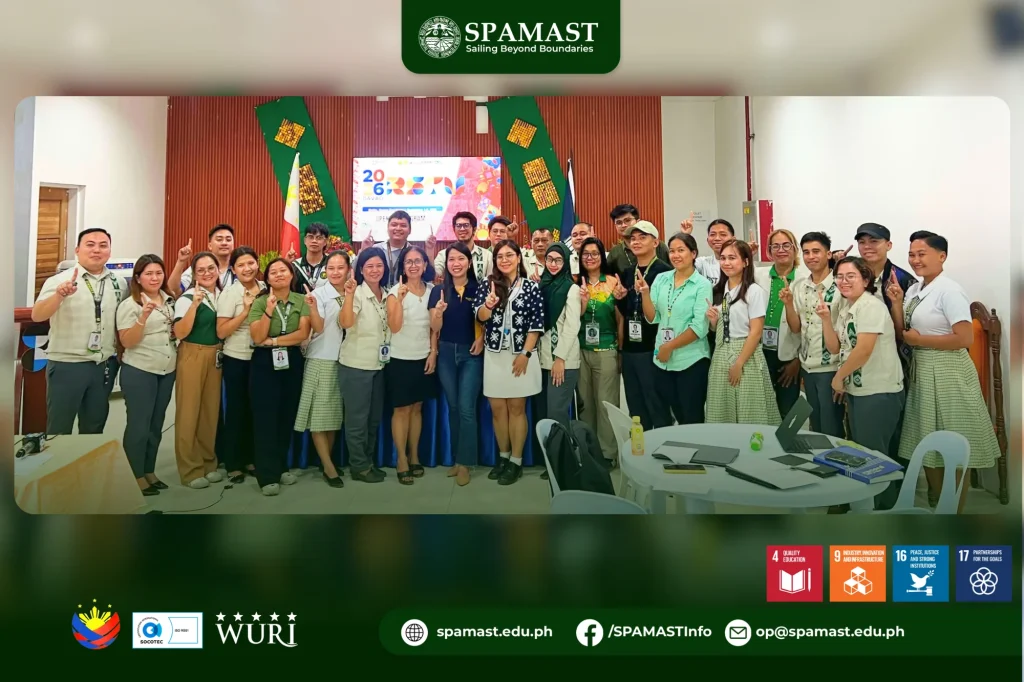
The Southern Philippines Agri-Business and Marine and Aquatic School of Technology (SPAMAST) strengthened its research capabilities through the AI-based Tools for Research Training held on September 1, 2026 at 1:00 p.m. as part of the Regional Science, Technology, and Innovation Week (RSTW) Davao Occidental. The training brought together SPAMAST faculty, administrative personnel from Research and Extension, and students to explore practical, ethical, and effective ways of using Artificial Intelligence (AI) and Natural Language Processing (NLP) to enhance academic research. The activity highlighted the growing role of emerging technologies in supporting researchers in navigating information, developing ideas, and improving research processes.
The session was facilitated by Dr. Kristine Mae M. Adlaon, Research Faculty at the University of the Immaculate Conception and Head of the Mindanao Natural Language Processing Research and Development Laboratory (MinNa LProc). She holds a PhD in Computer Science from De La Salle University and specializes in Artificial Intelligence and Natural Language Processing, with research interests centered on human-centered and responsible AI applications. Through the training, Dr. Adlaon shared practical insights on the effective use of AI in research while emphasizing the importance of critical thinking, ethical practice, and responsible technology use.
The activity reflects SPAMAST’s continuing commitment to advancing research, innovation, and digital competencies among its academic community. By equipping teachers and students with relevant AI-enabled research skills, the initiative contributes to SDG 4 (Quality Education) through capacity-building, SDG 9 (Industry, Innovation and Infrastructure) through the promotion of technological innovation, SDG 16 (Peace, Justice and Strong Institutions) through responsible and ethical use of information and technology, and SDG 17 (Partnerships for the Goals) through collaborative efforts in science, technology, and innovation. The training reinforces the role of responsible AI in building a stronger, more innovative, and future-ready research culture at SPAMAST.