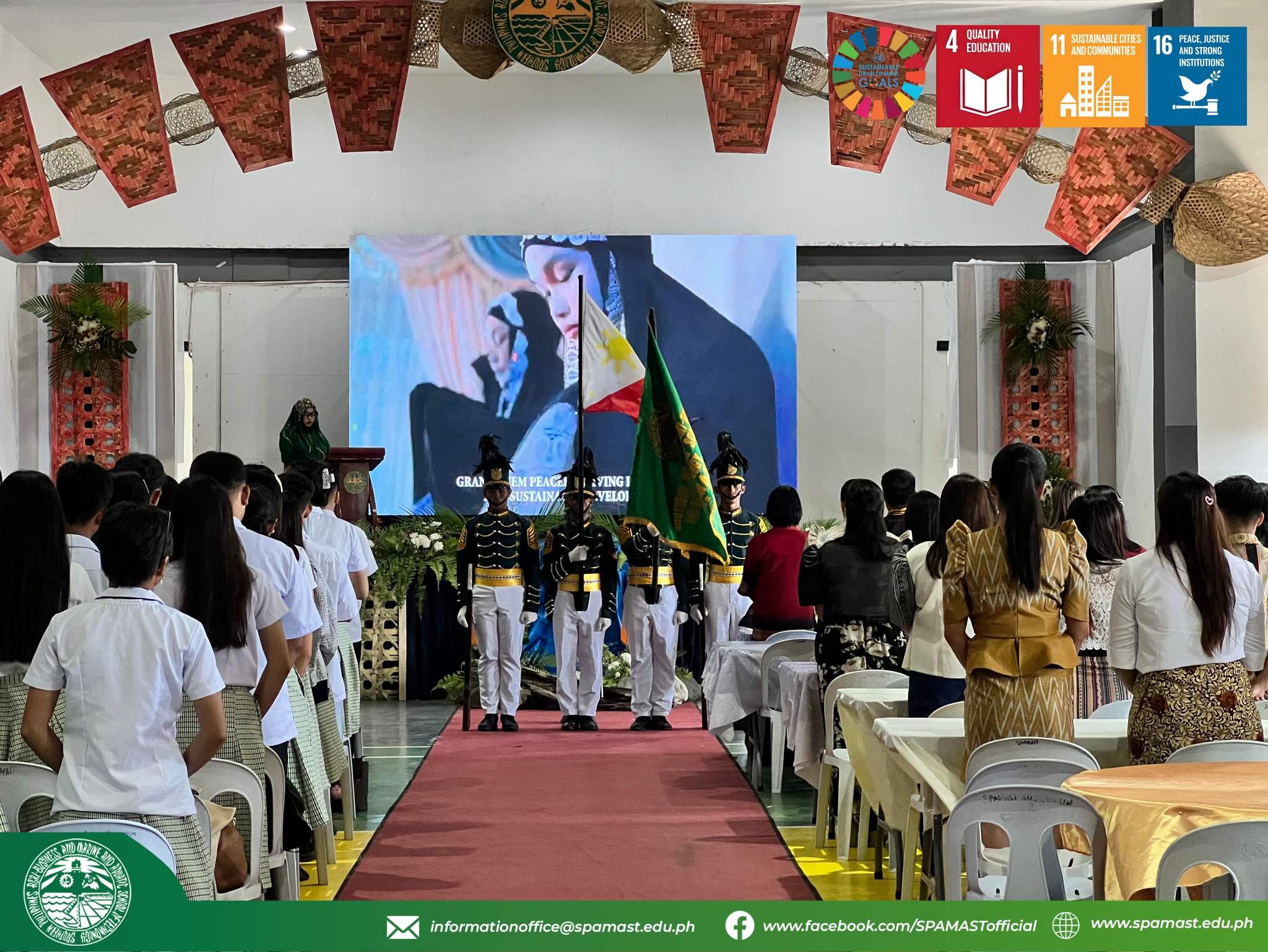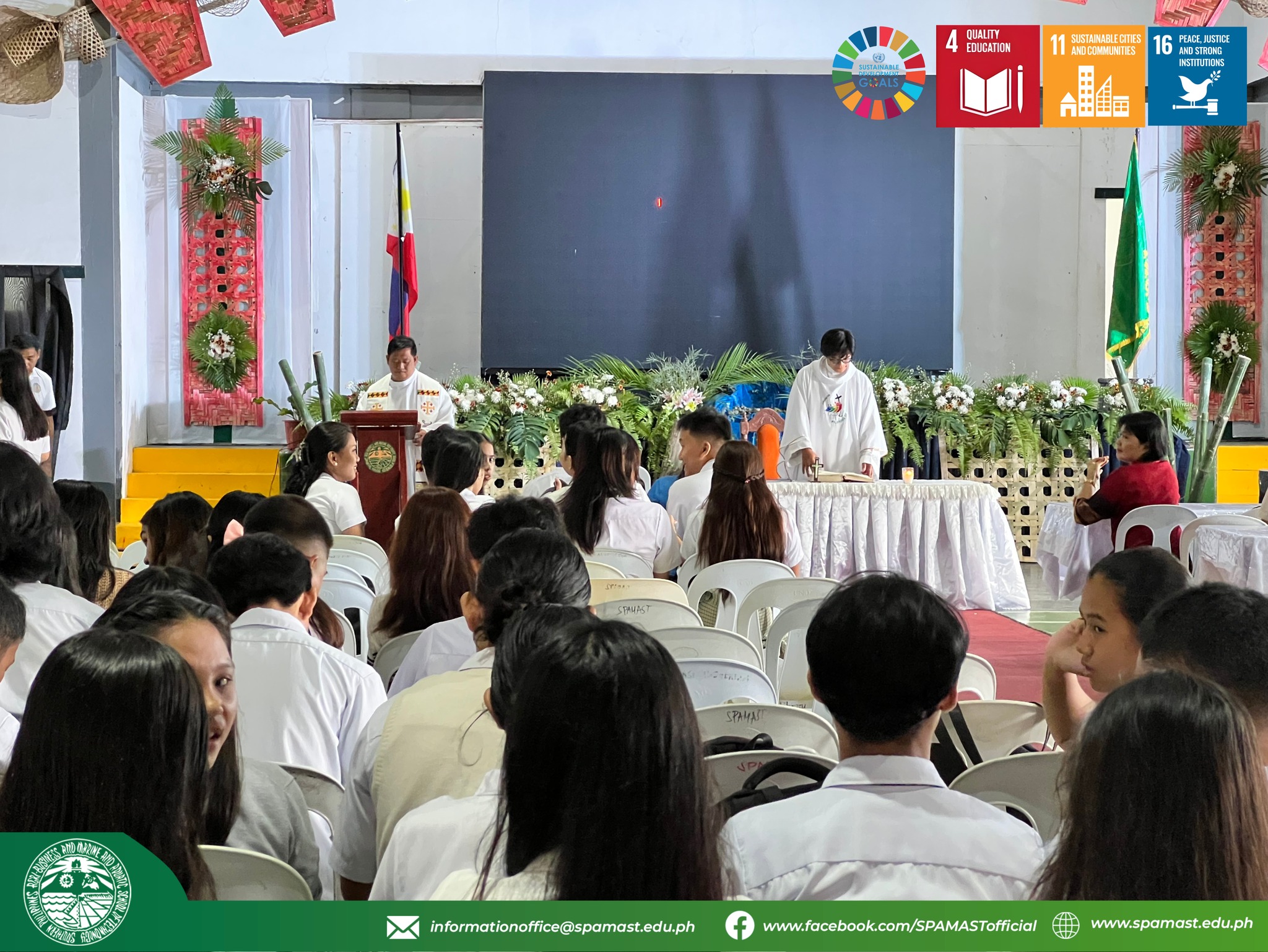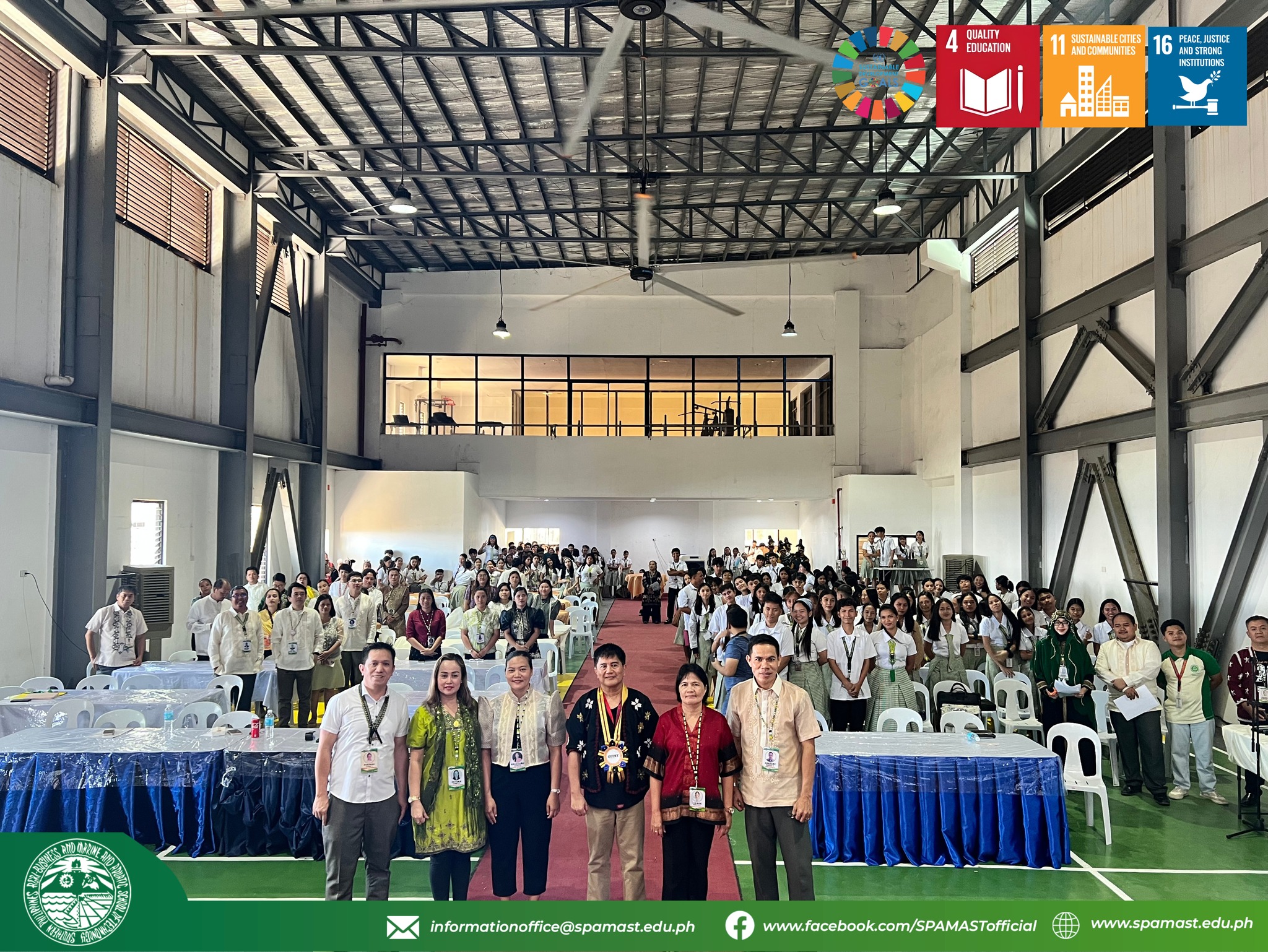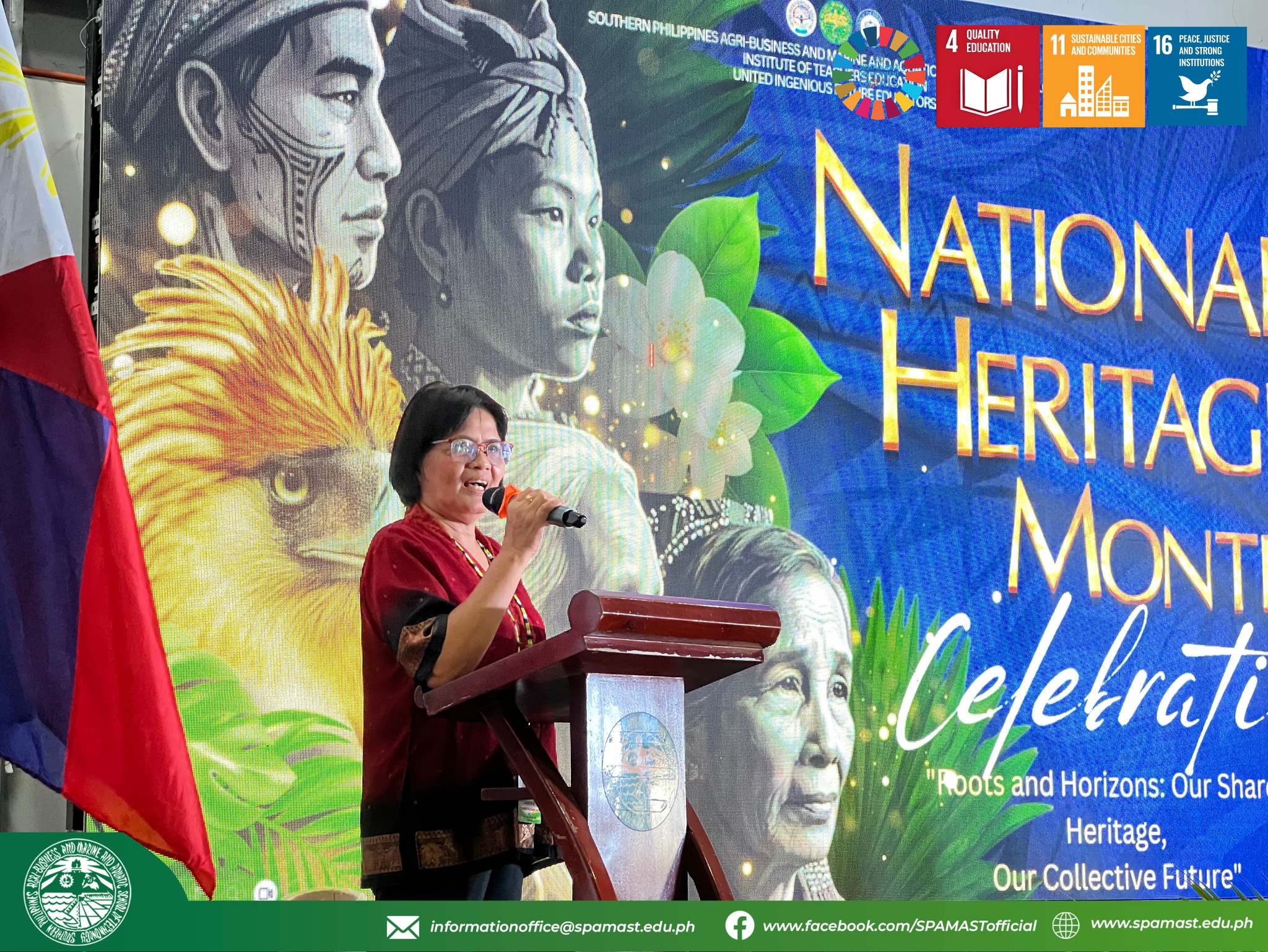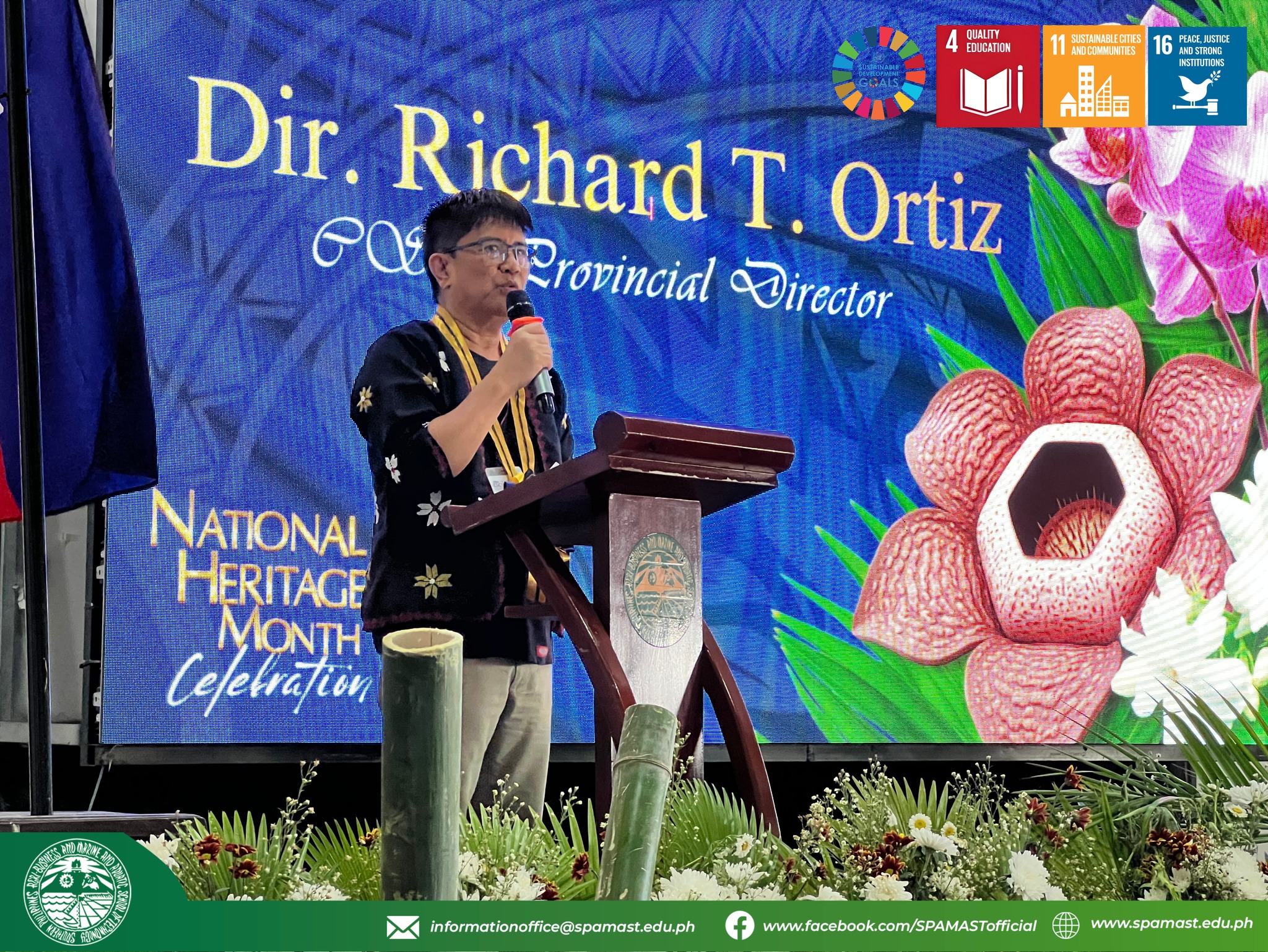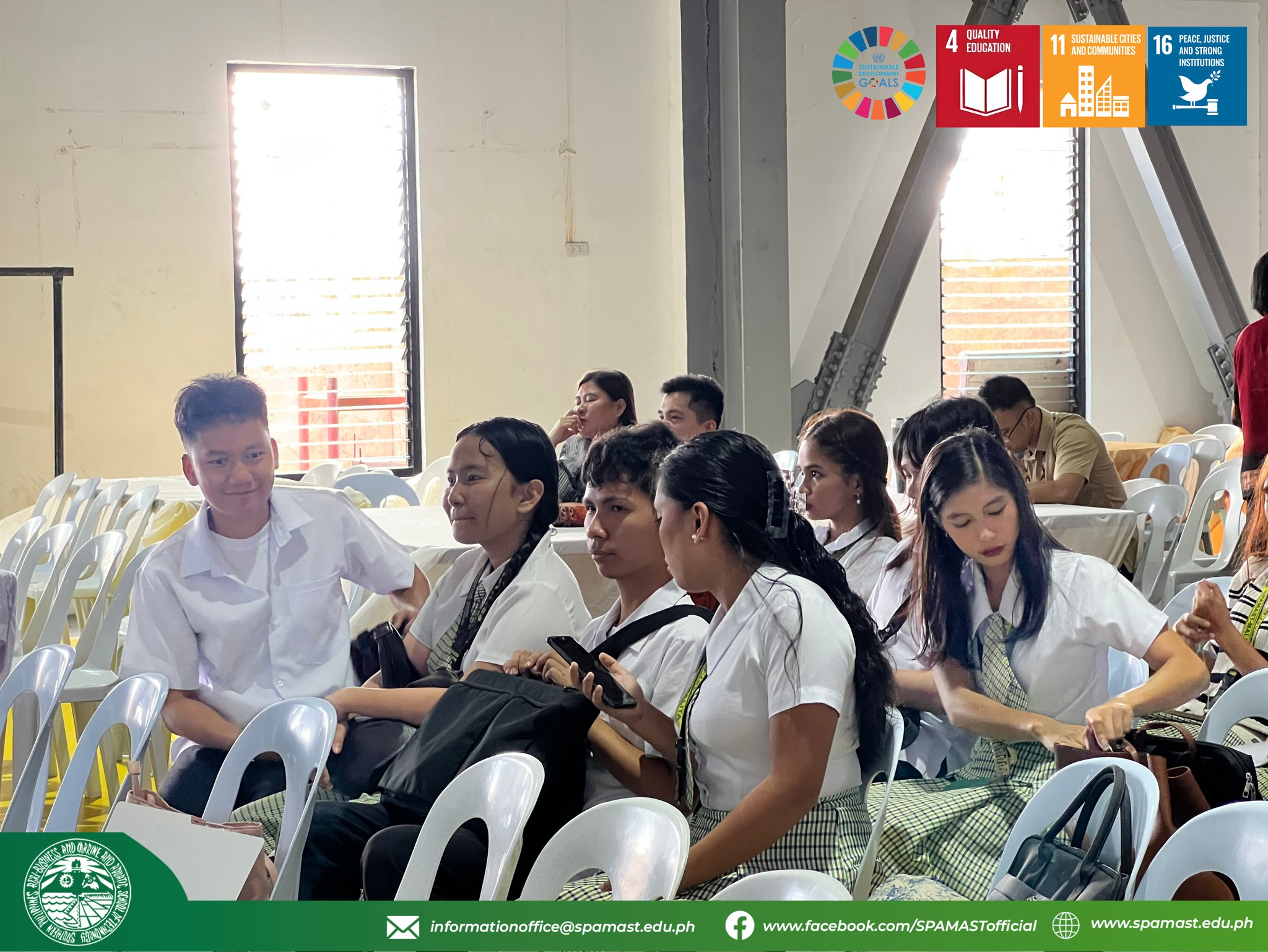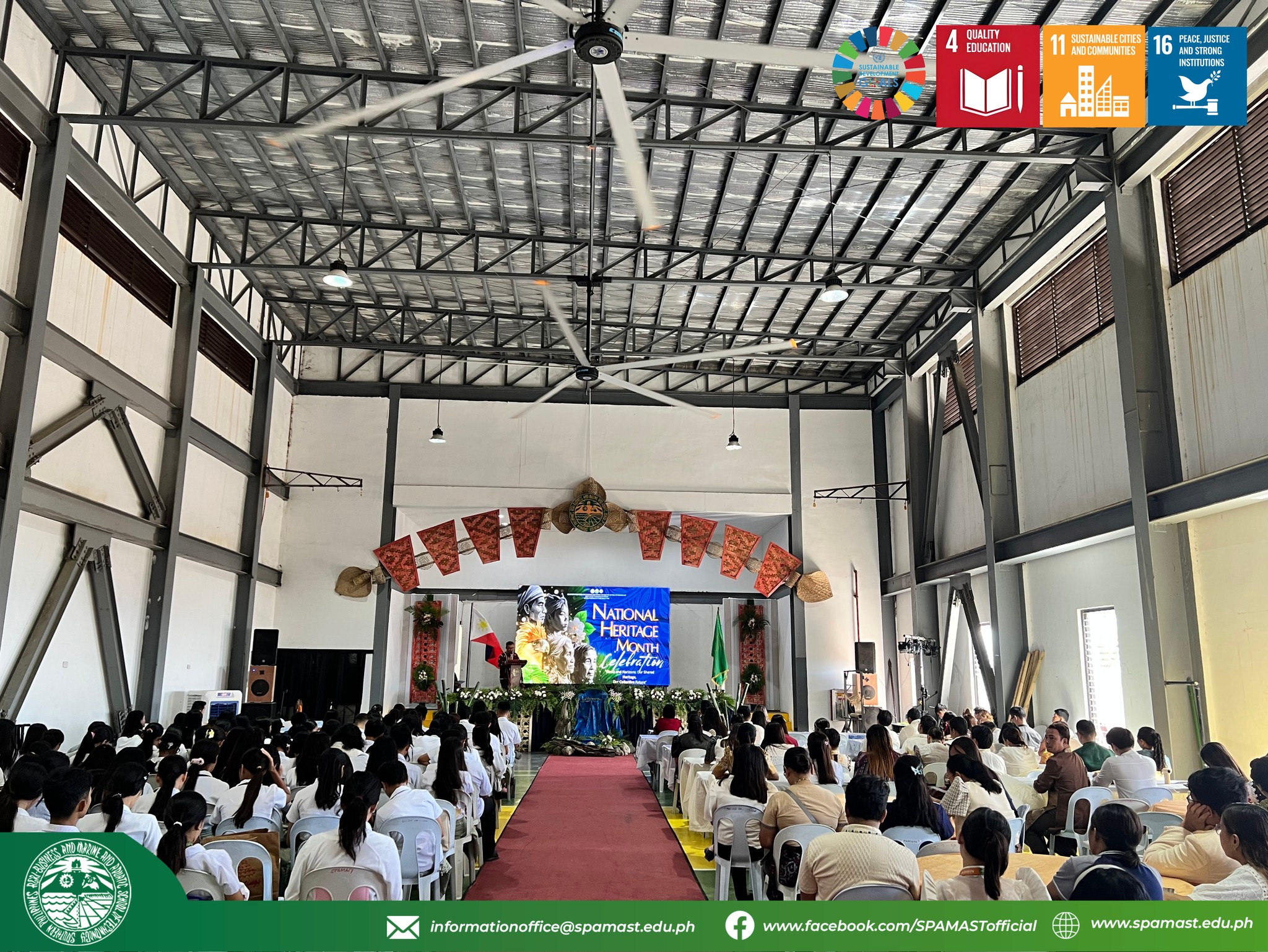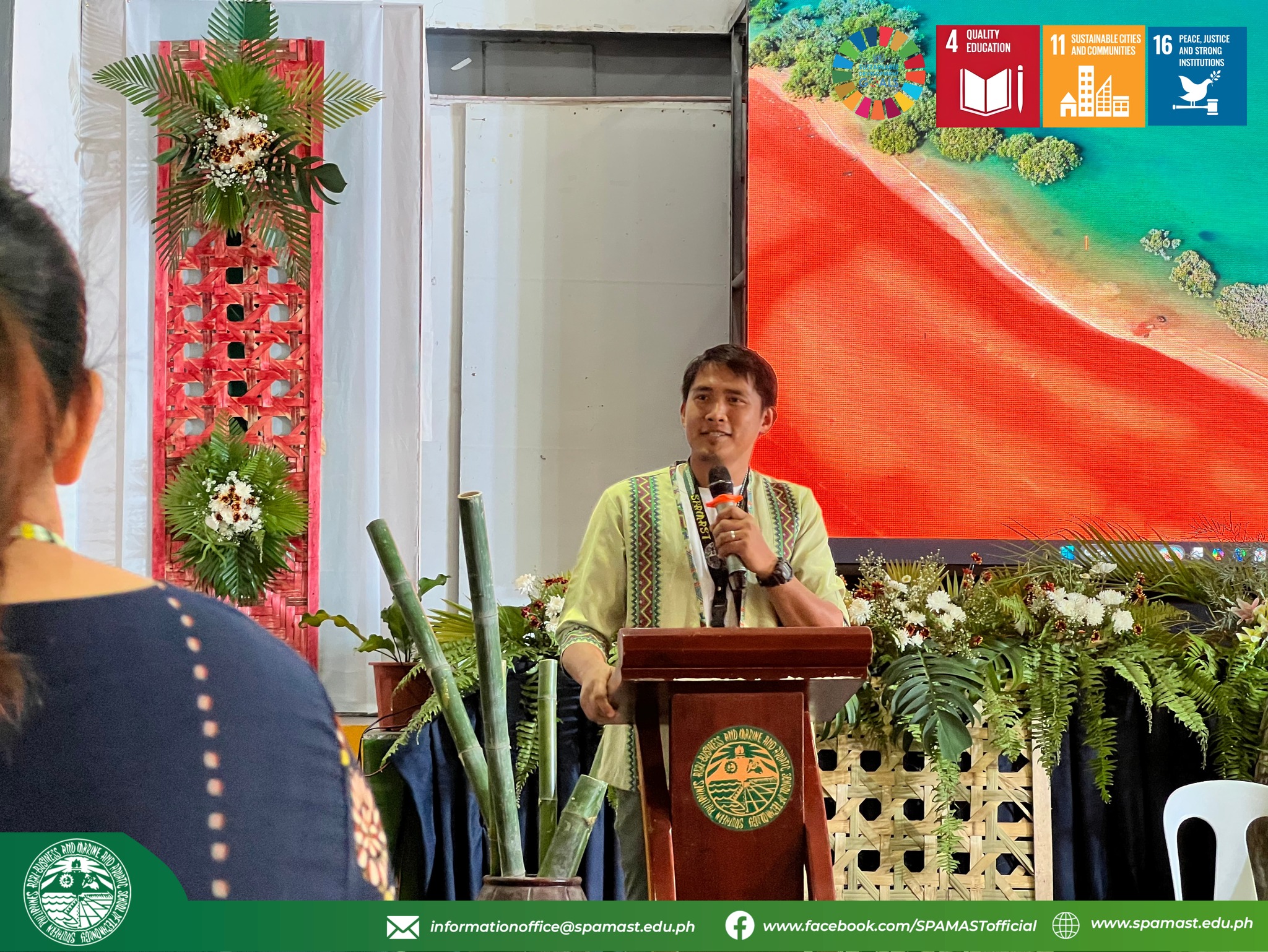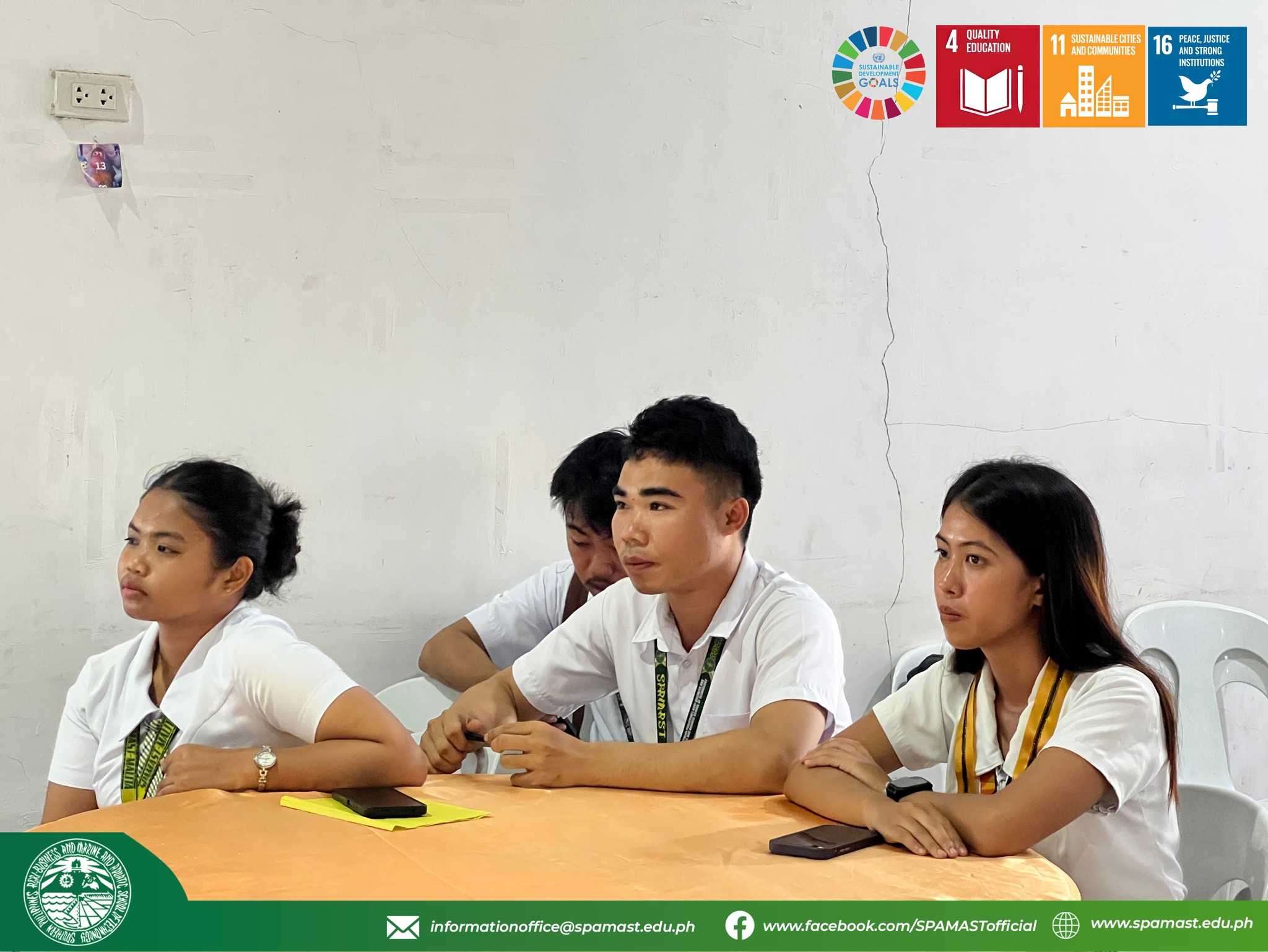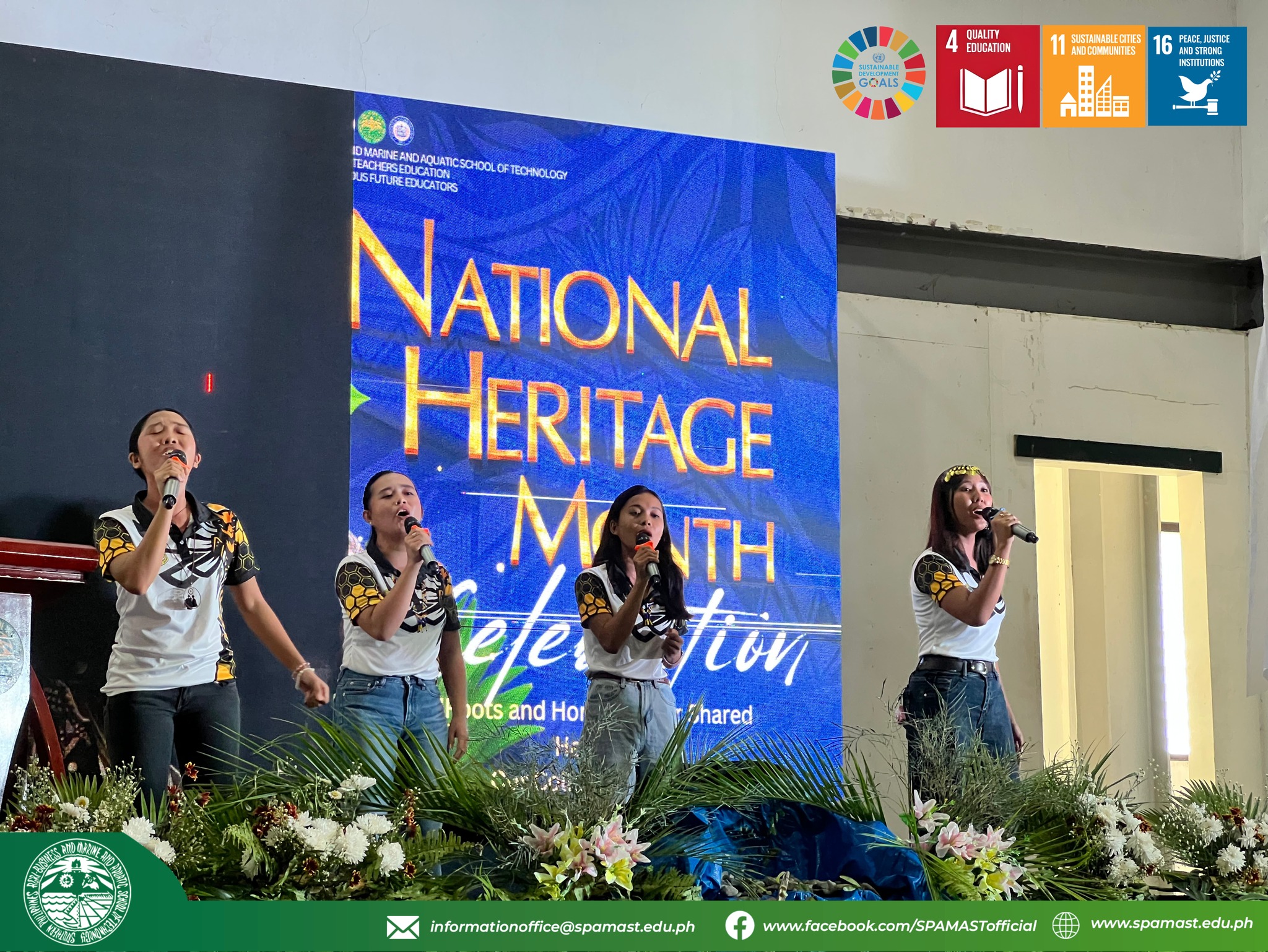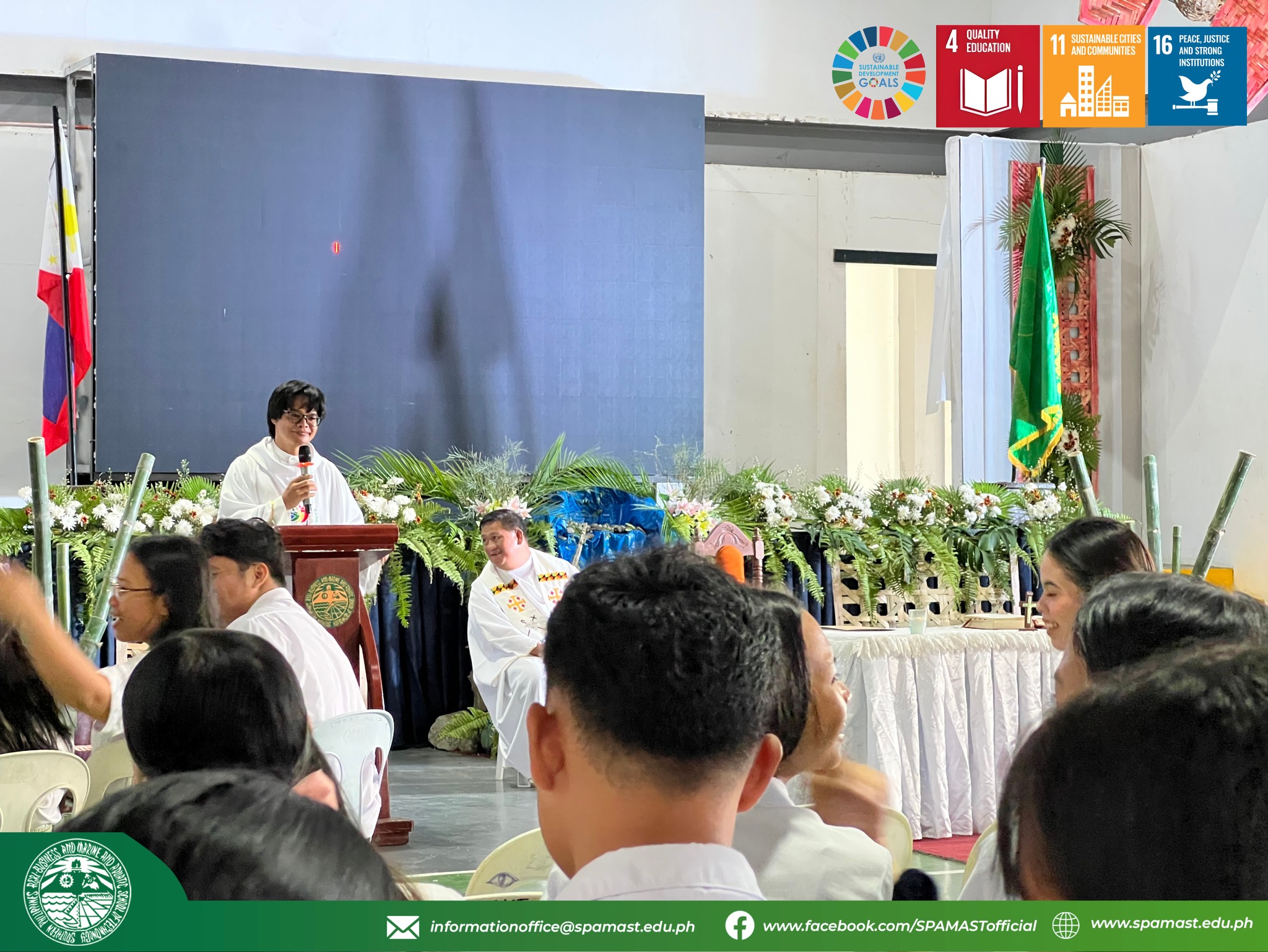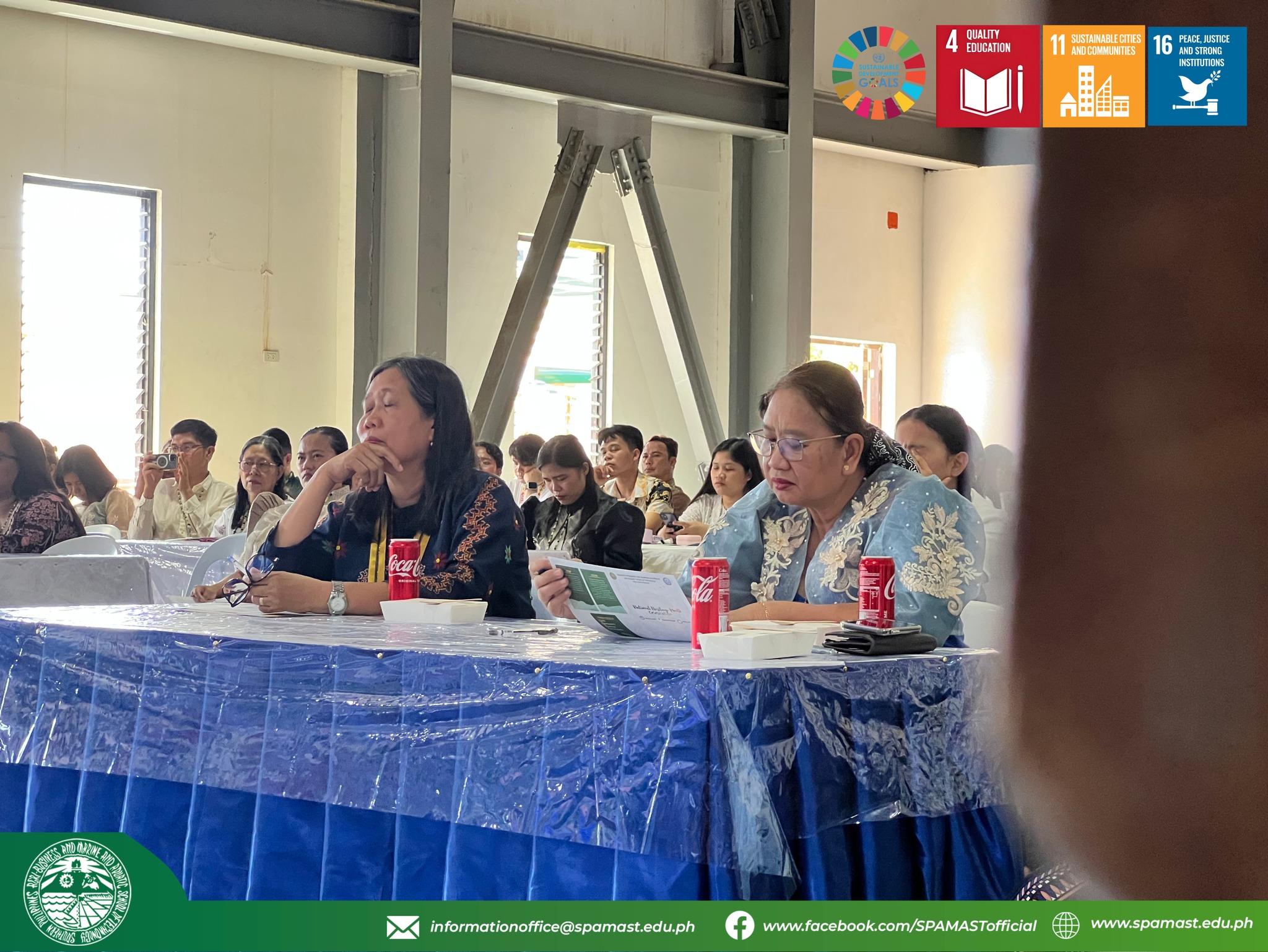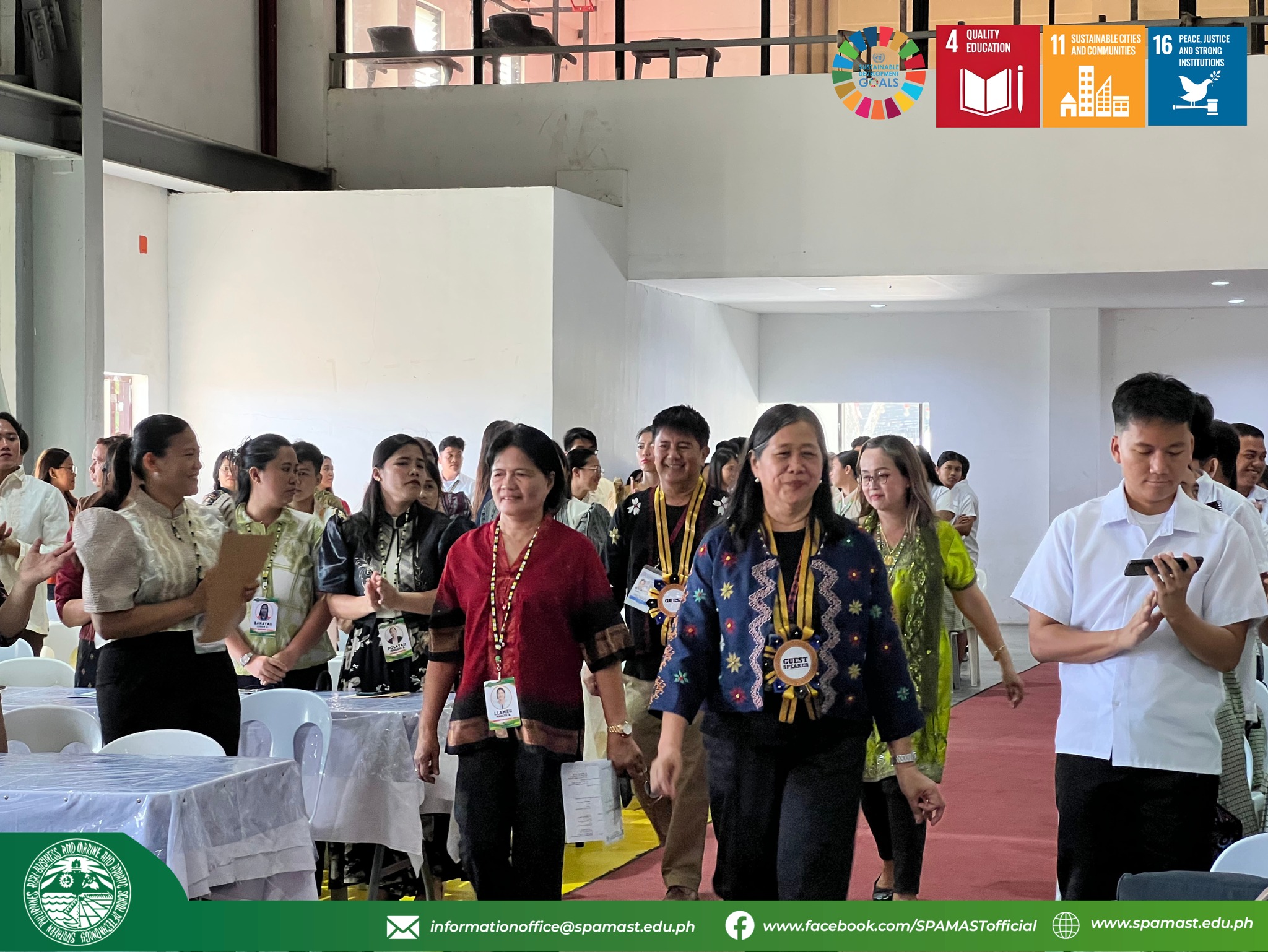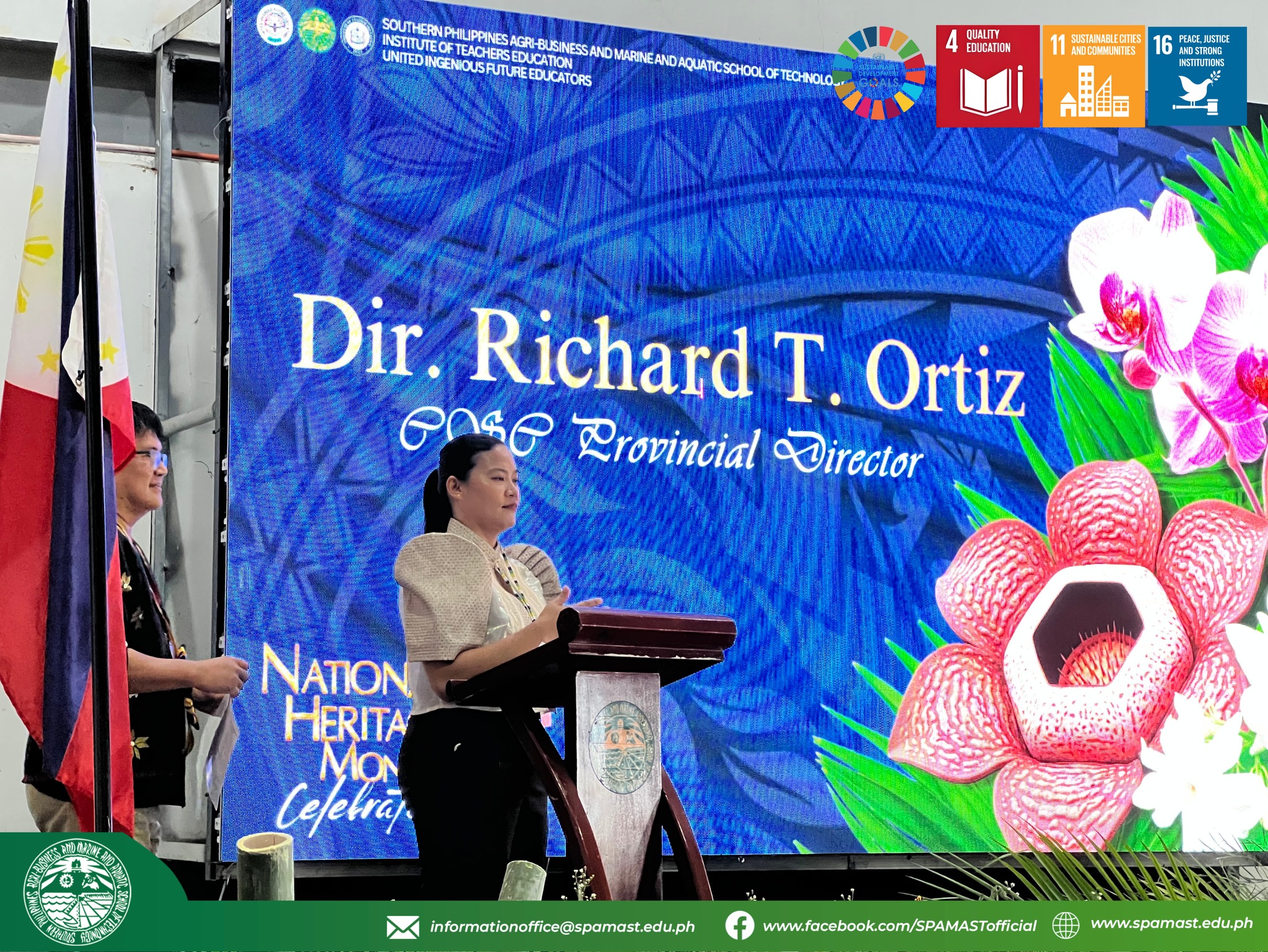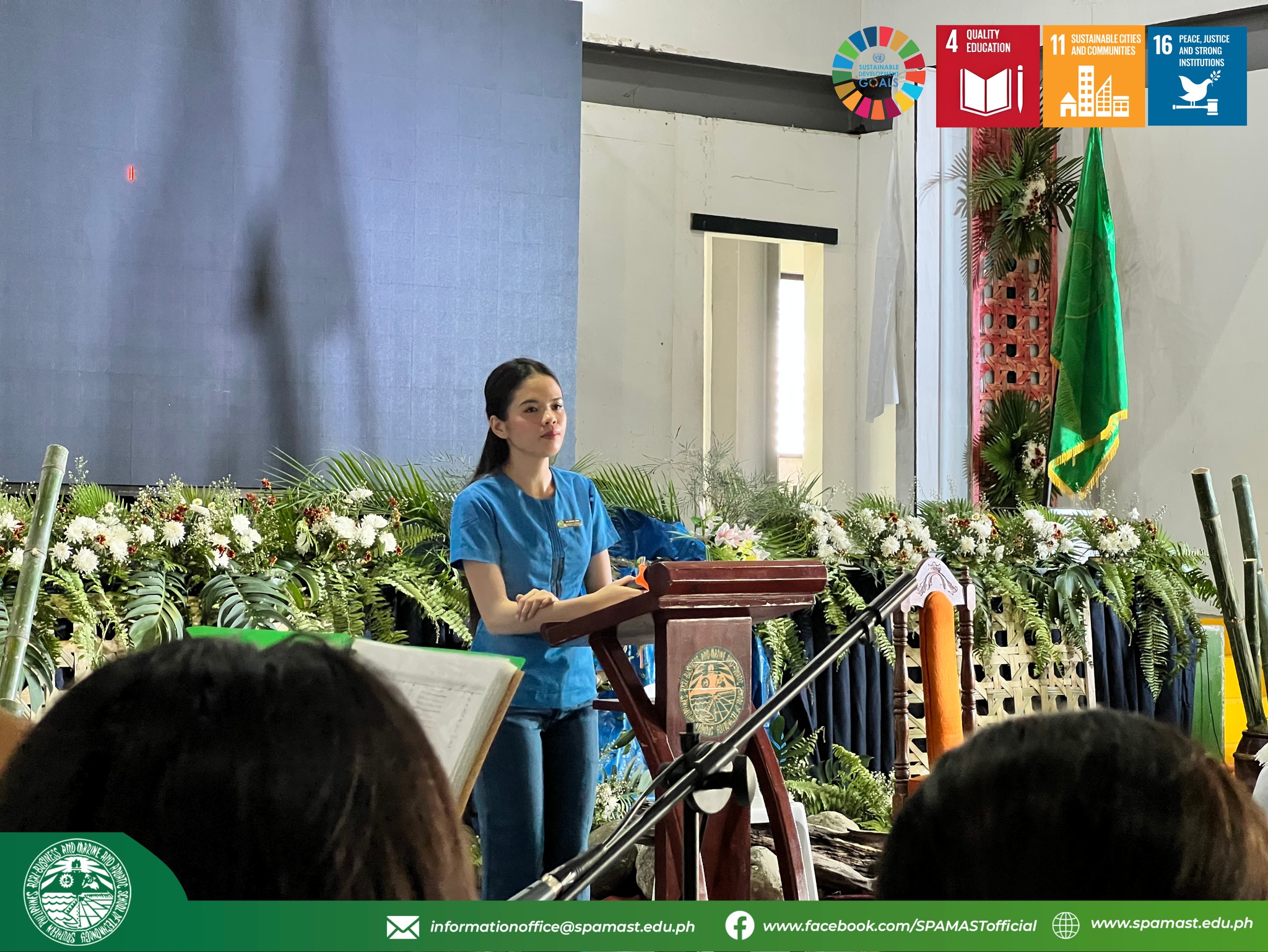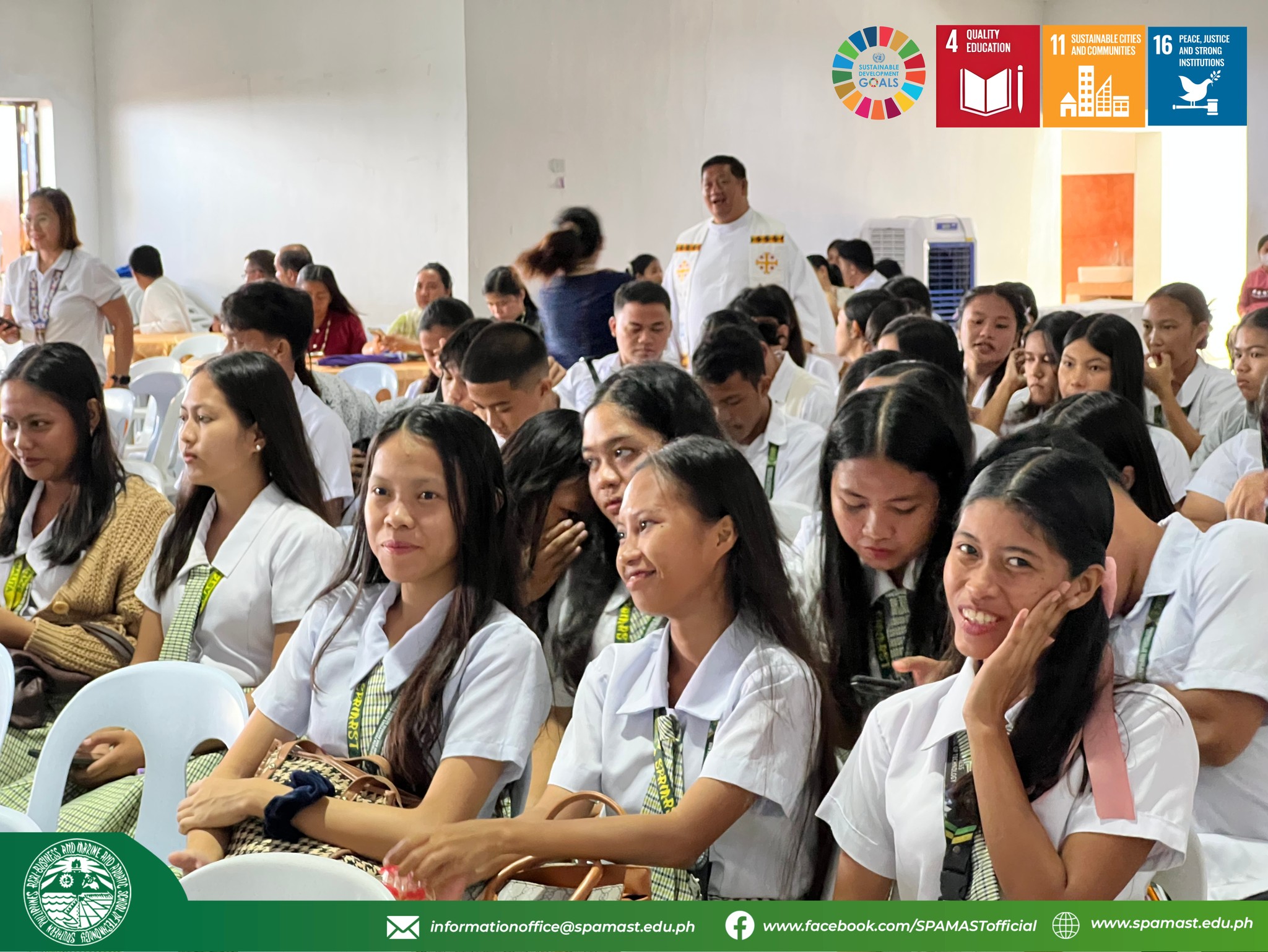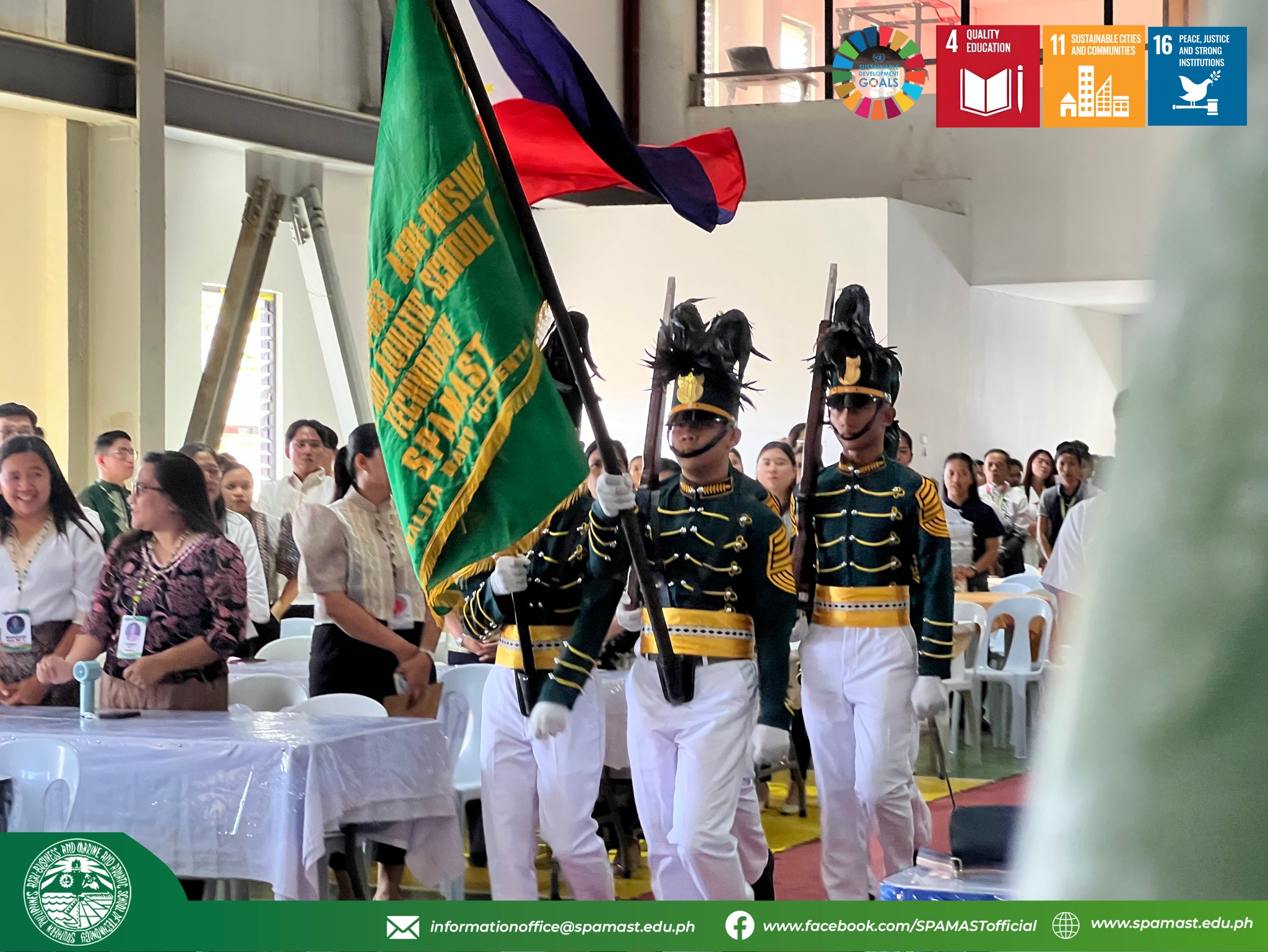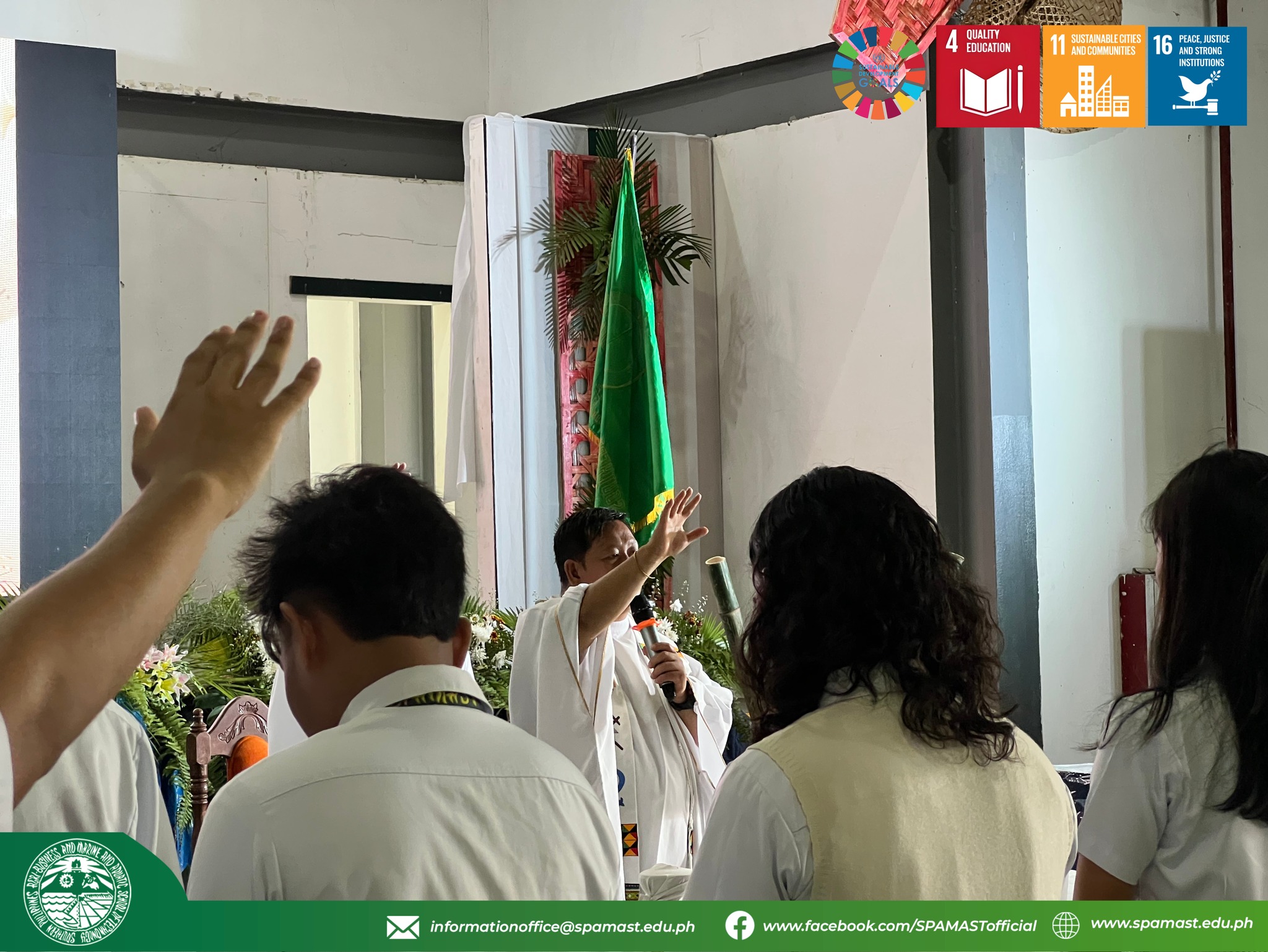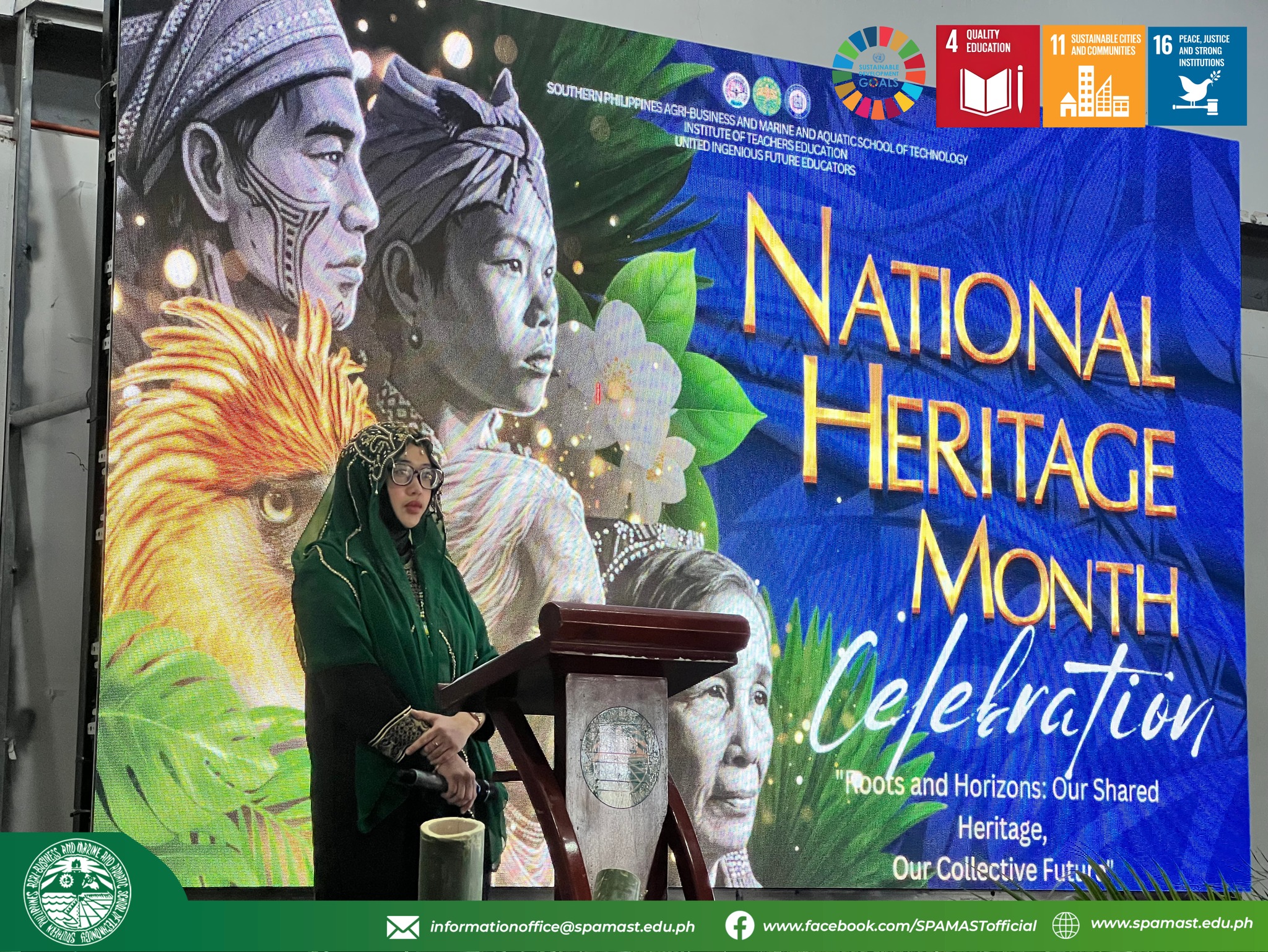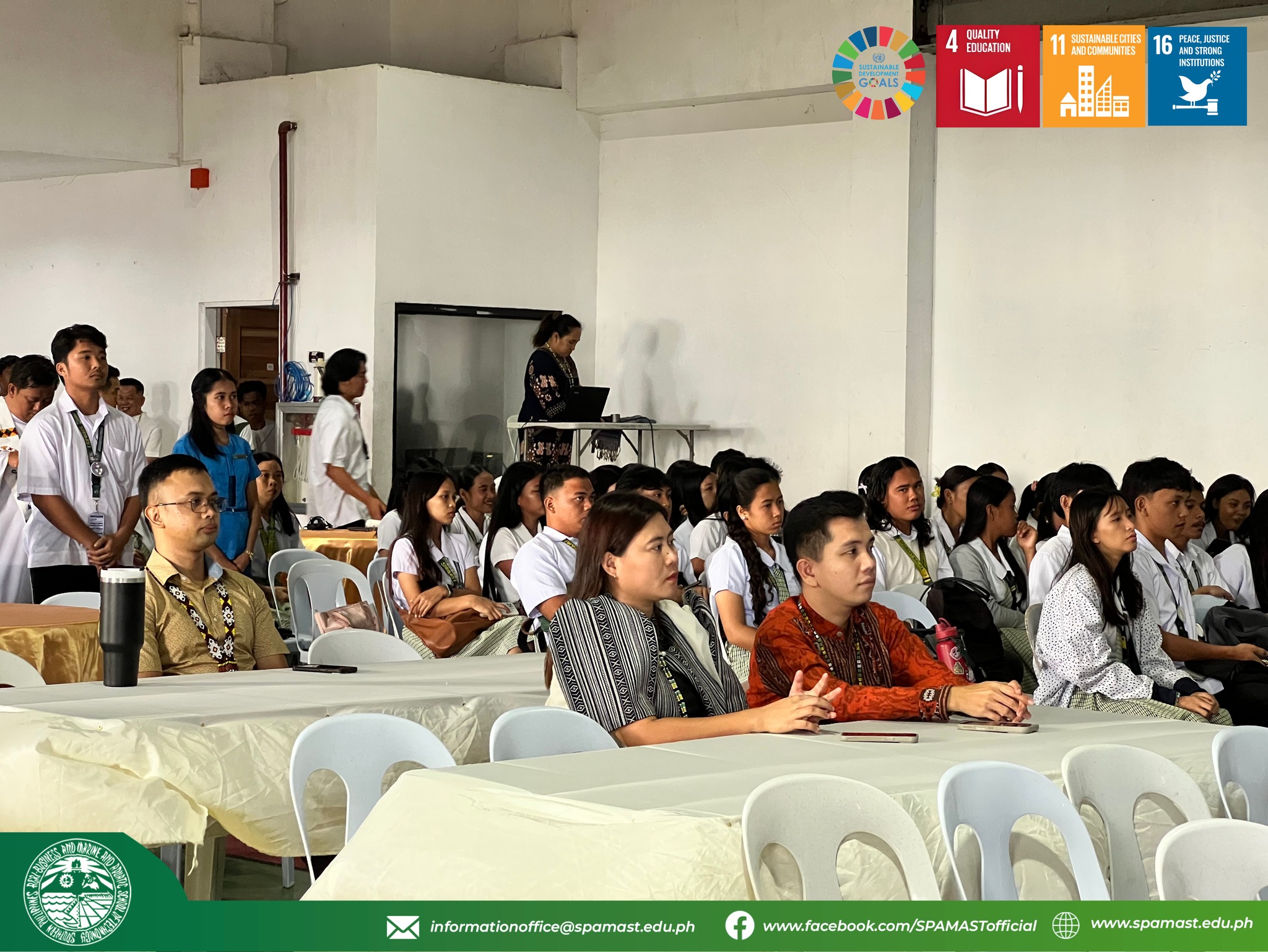
MALITA, Davao Occidental — The Southern Philippines Agri-Business and Marine and Aquatic School of Technology (SPAMAST) formally opened its May 2026 Convocation Program on May 4 at the Founder’s Hall, integrating its observance of National Heritage Month into a comprehensive institutional gathering that highlighted cultural pride, civic responsibility, and academic achievement. Organized by the Institute of Teacher Education, the event commenced with a Holy Mass followed by a series of patriotic and institutional rites, including the entrance of colors led by the ROTC Unit, recitation of national pledges, and musical tributes. The program set a solemn yet celebratory tone, underscoring the institution’s commitment to nation-building and values formation.
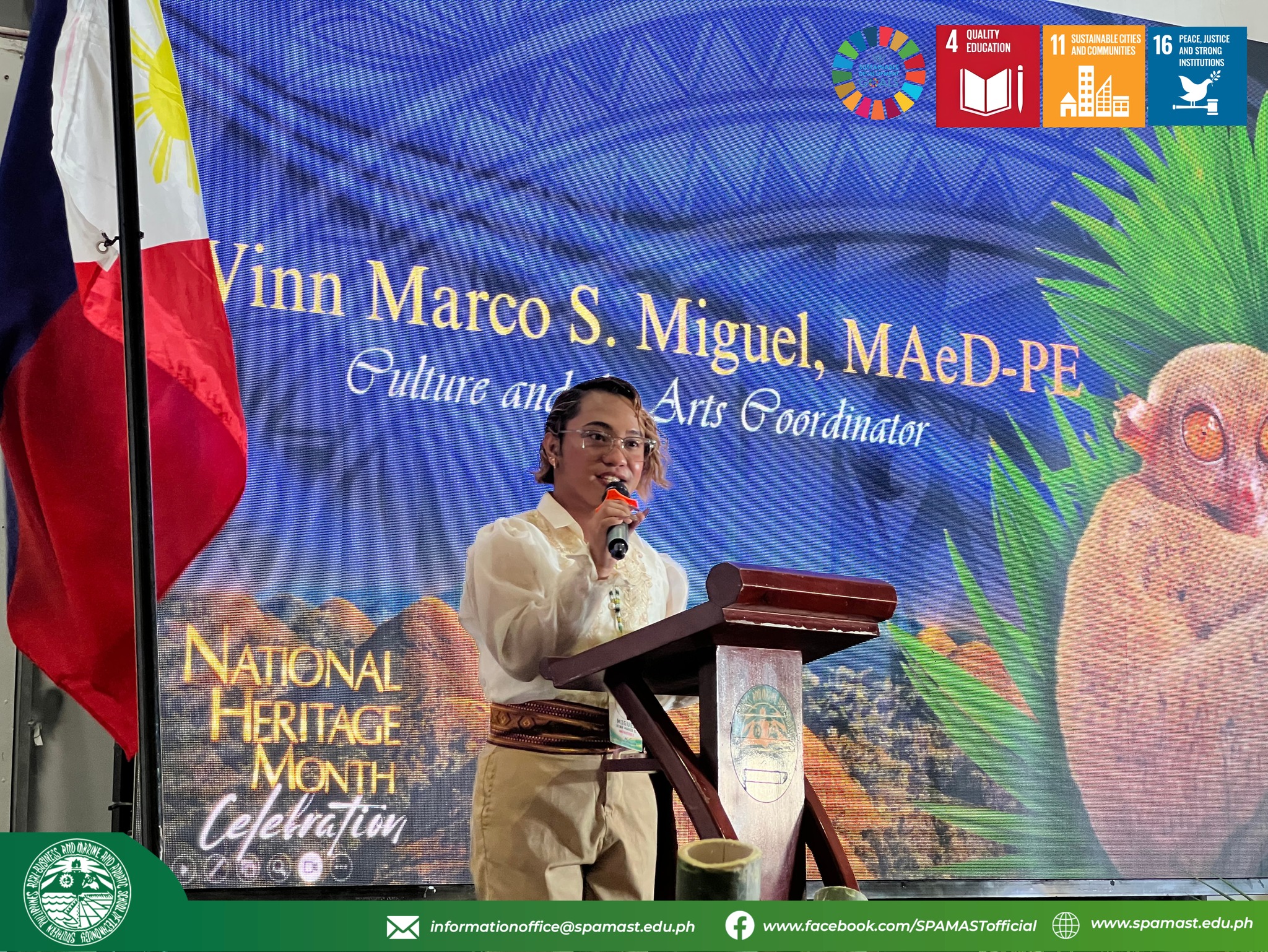
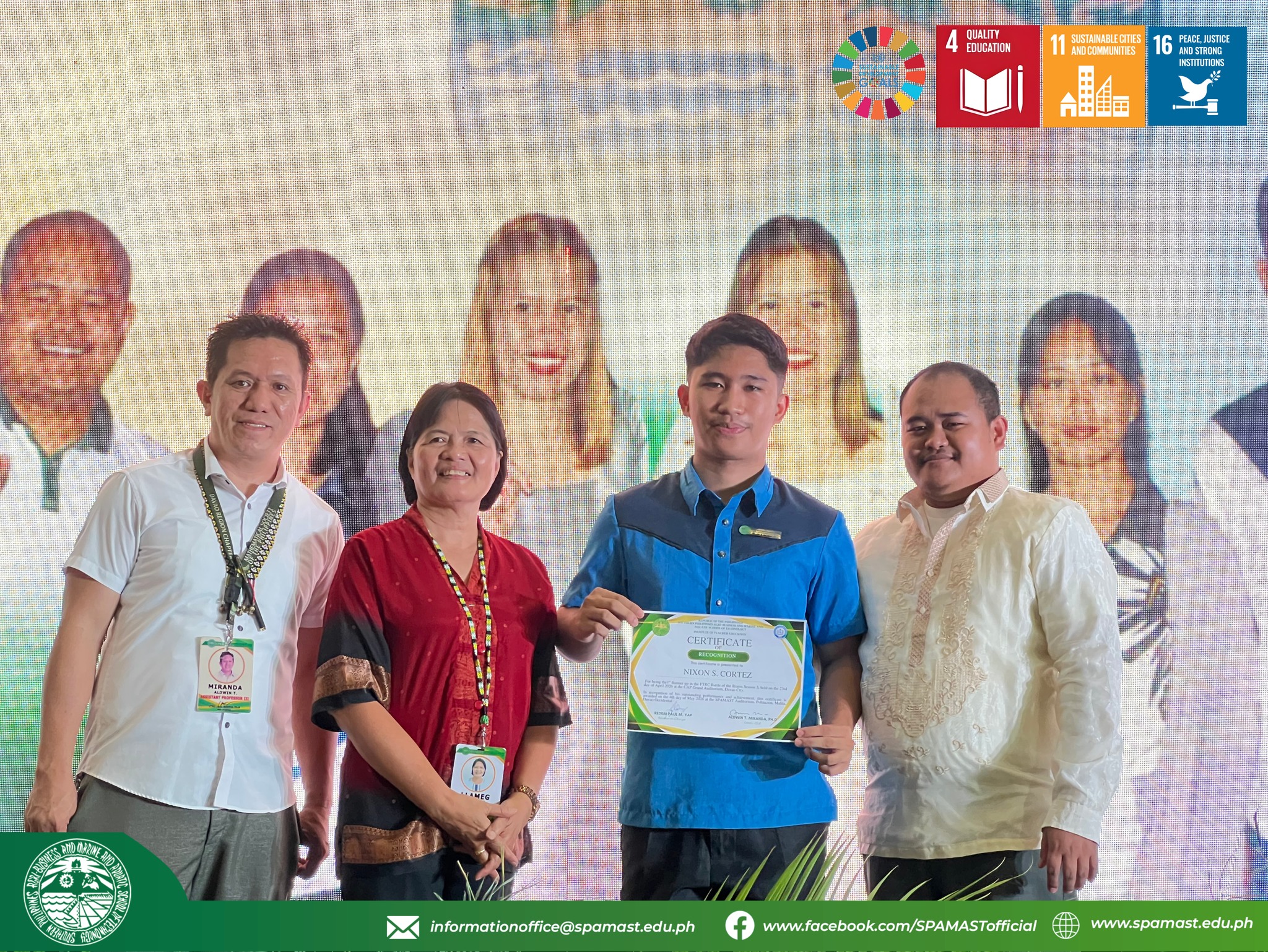
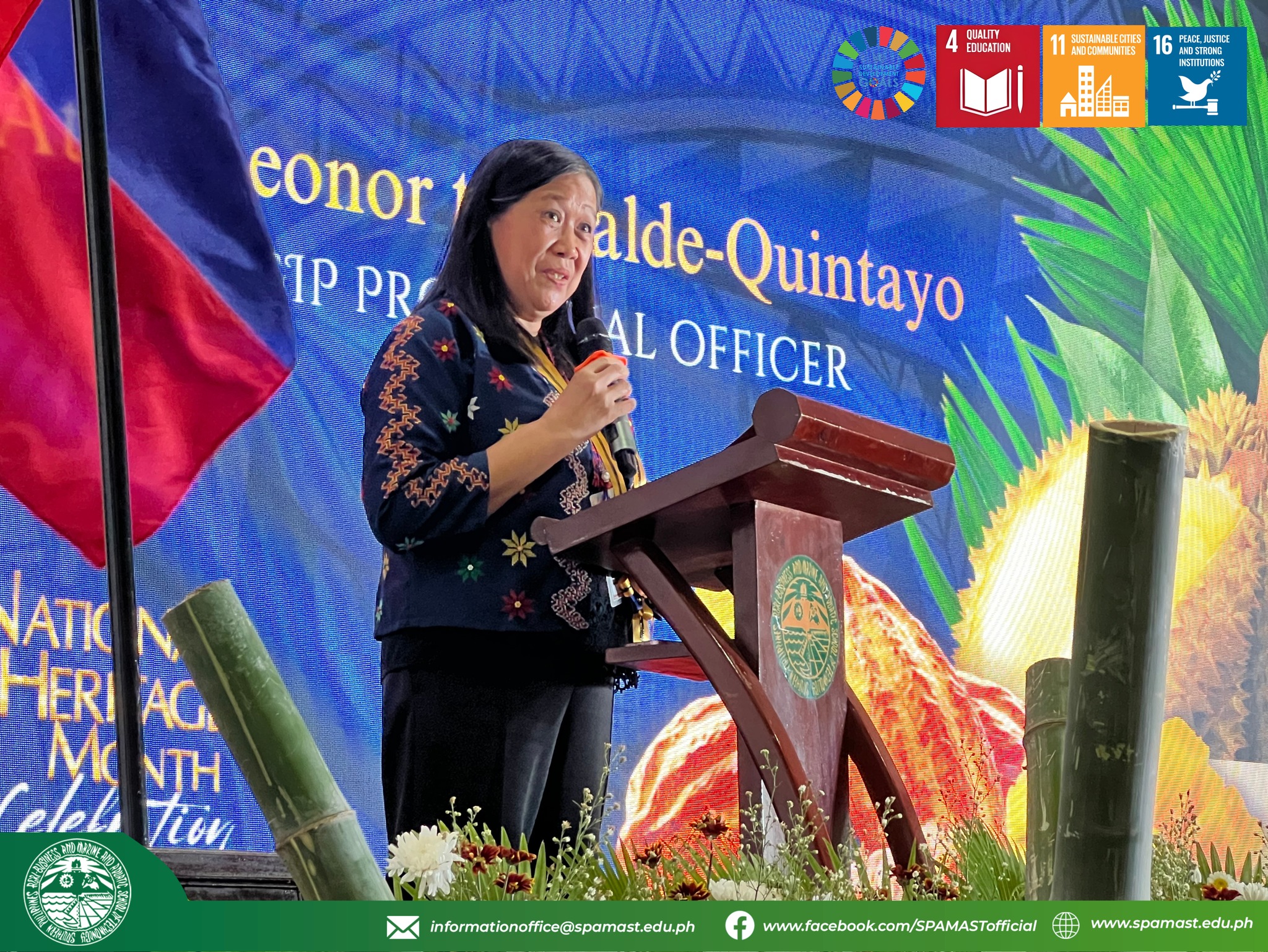
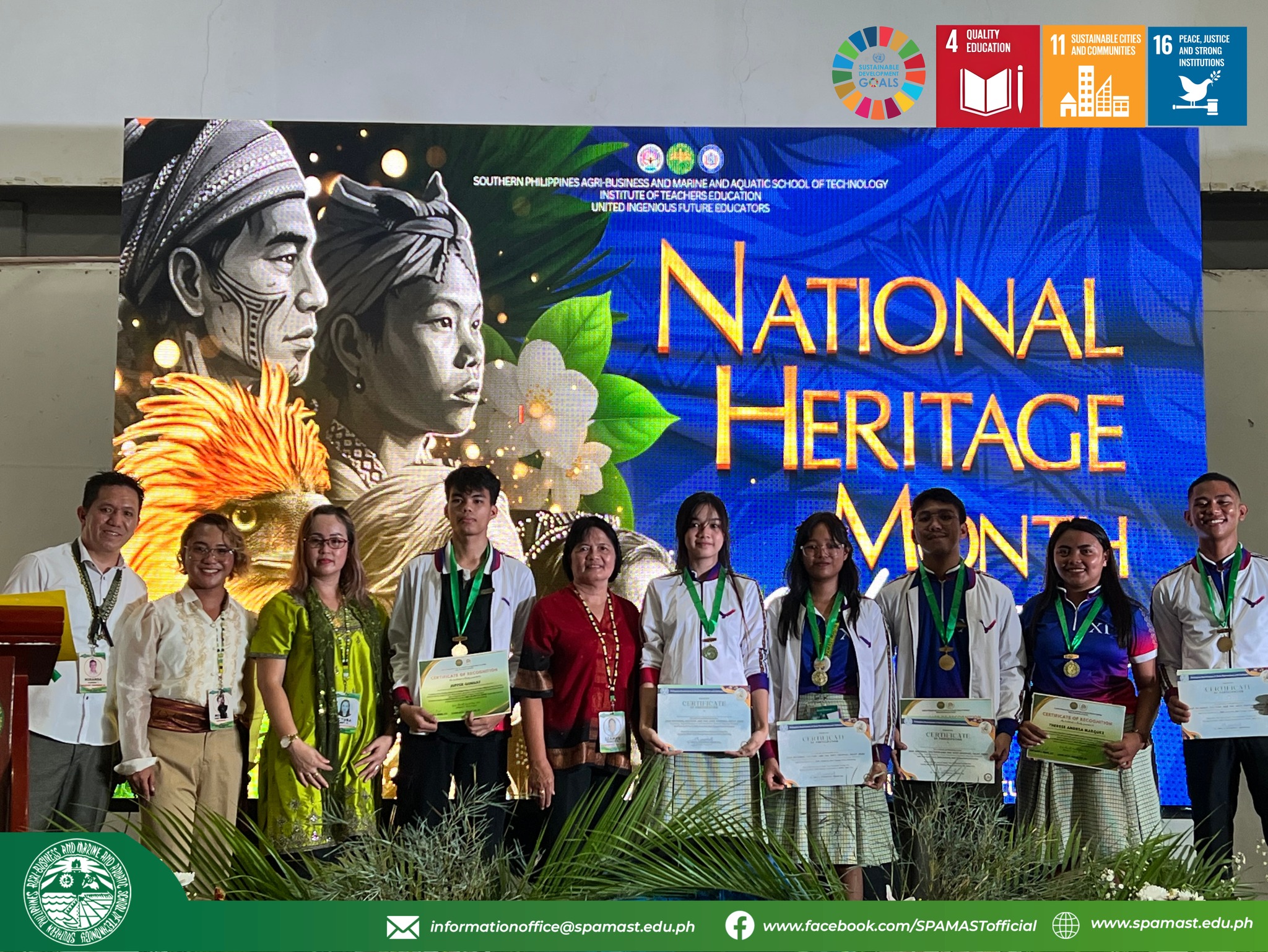
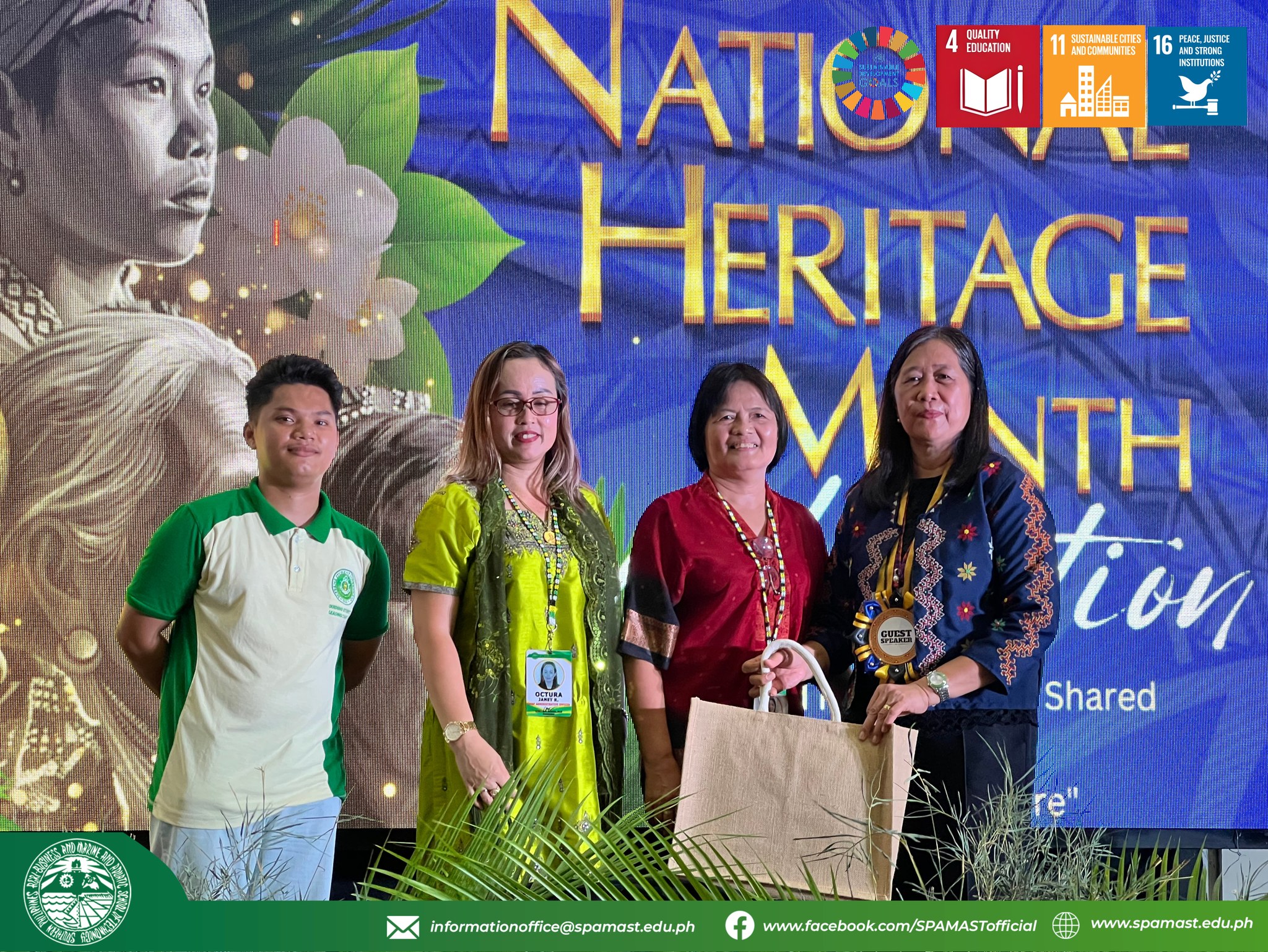
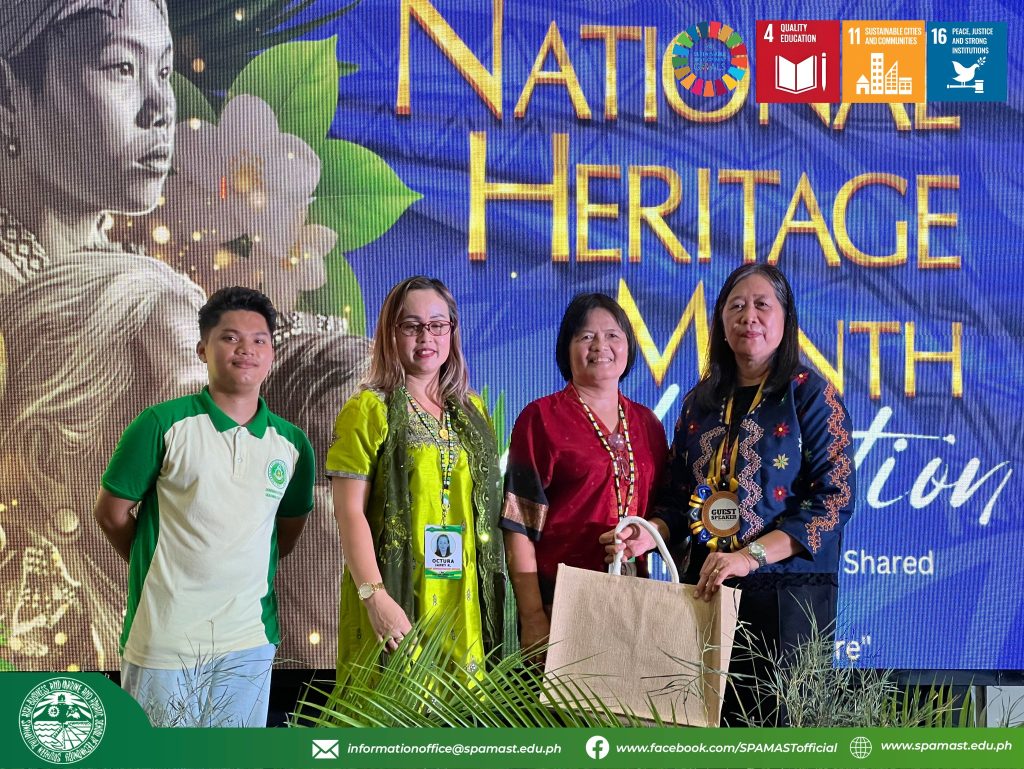
Key highlights of the convocation included the opening message delivered by Culture and the Arts Coordinator Vinn Marco S. Miguel, MAEd-PE, and the keynote address of Atty. Leonor T. Oralde-Quintayc, Provincial Officer of the National Commission on Indigenous Peoples (NCIP), who emphasized the importance of preserving indigenous identity and cultural heritage in contemporary education. Institutional leadership was likewise reinforced through the President’s Message of Dr. Lynette A. Bontia delivered by Dr. Marlyn B. Llameg, who reaffirmed SPAMAST’s role in fostering inclusive and culturally grounded education. The event also recognized outstanding contributions through certificate awarding ceremonies, alongside updates from academic, administrative, and research units led by Dr. Marlyn B. Llameg, Dr. Janet R. Octura, and Dr. Edelyn S. Albiso, respectively.
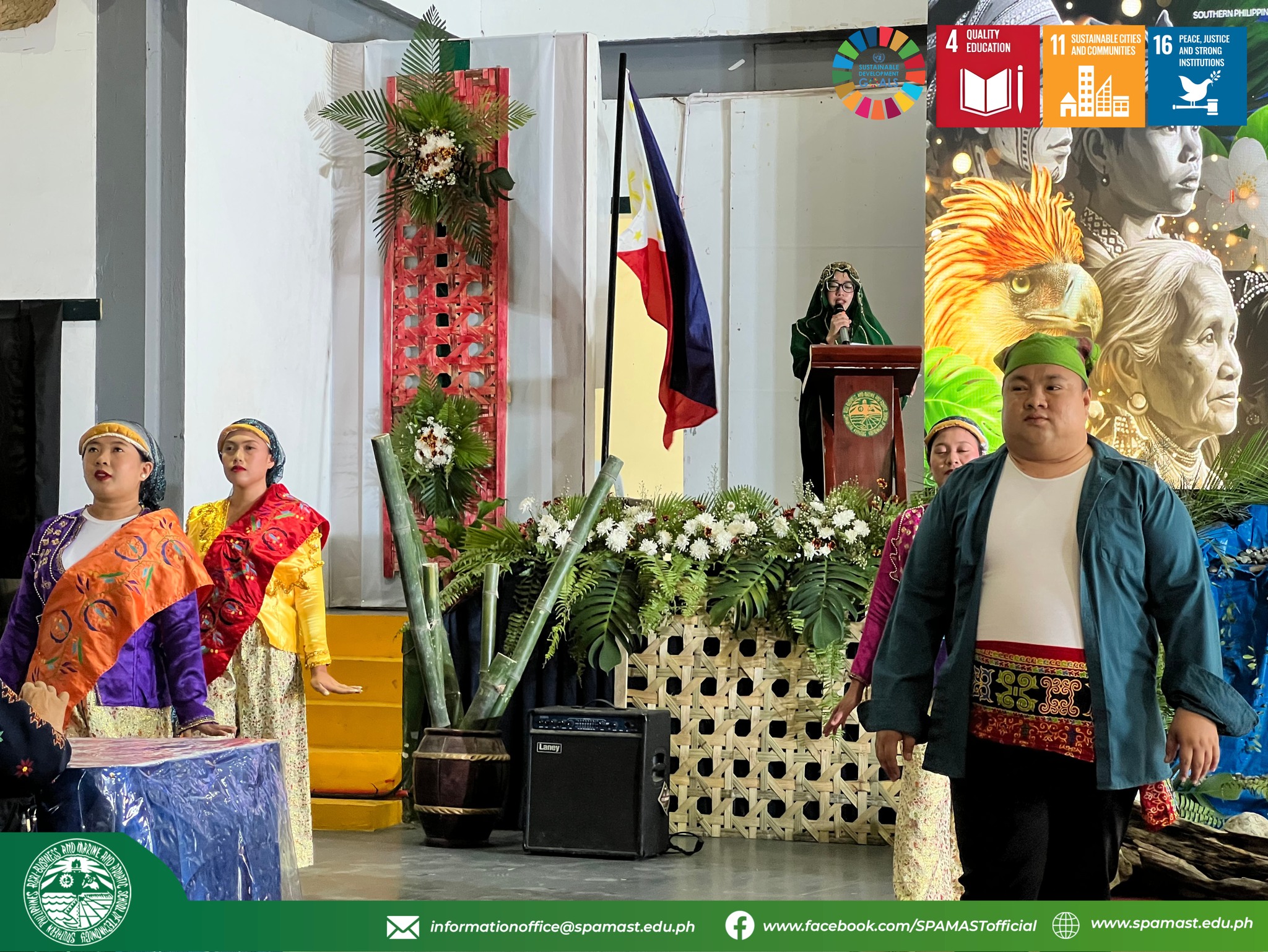
The afternoon program transitioned into vibrant cultural showcases and competitions under the National Heritage Celebration, featuring performances such as “Panulondon: A Cultural Dance Exhibition” and “Handaan sa Banwa: Food Display Presentation,” reflecting local traditions and creative expression. The initiative culminated in awarding ceremonies and closing remarks from Dr. Aldwin T. Miranda, reinforcing the significance of collective participation in cultural preservation. This celebration aligns with the United Nations’ 17 Sustainable Development Goals (SDGs), particularly SDG 4 (Quality Education), SDG 11 (Sustainable Cities and Communities), and SDG 16 (Peace, Justice, and Strong Institutions), by promoting inclusive education, safeguarding cultural heritage, and strengthening institutional values that contribute to sustainable and resilient communities.