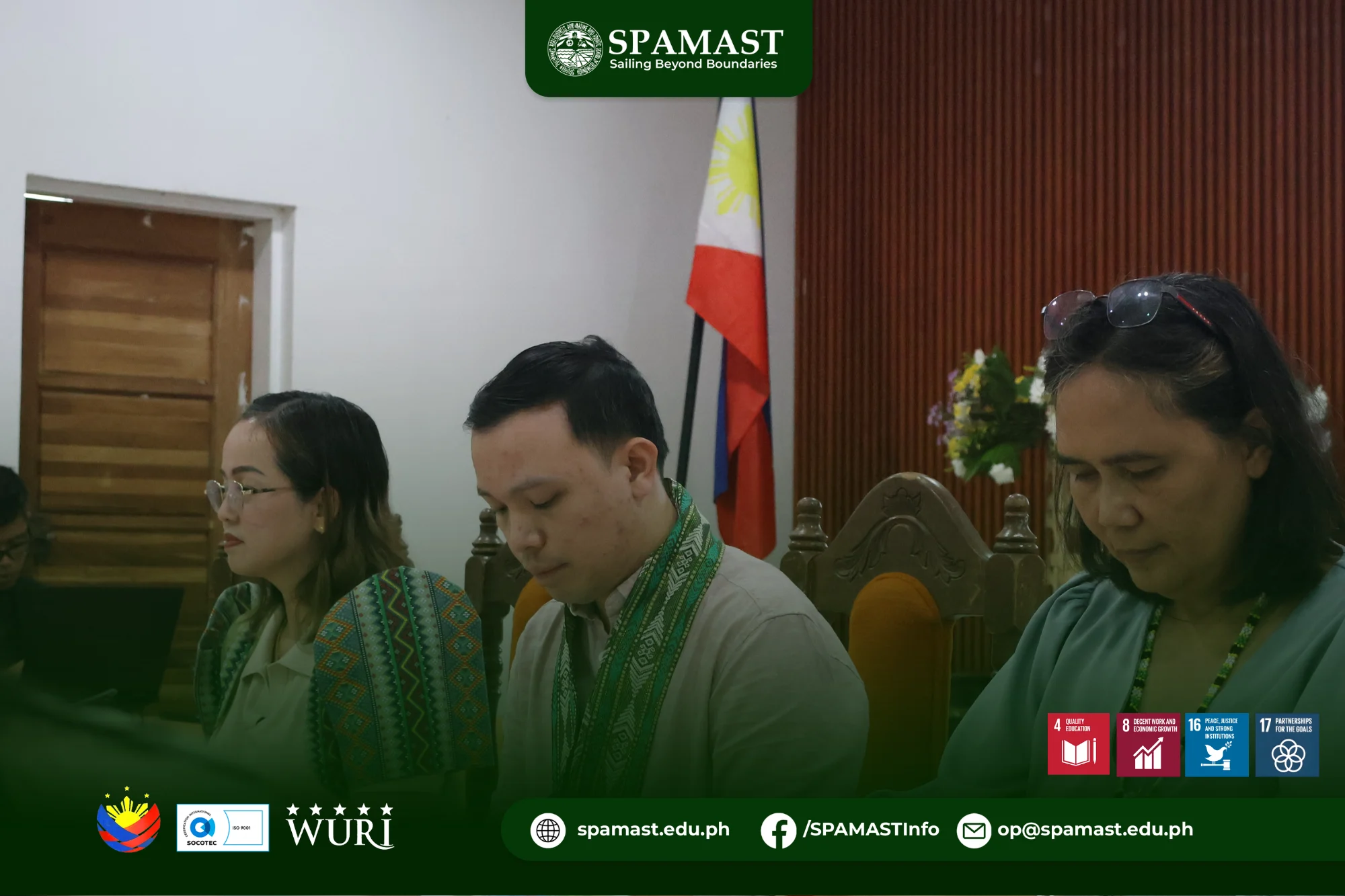
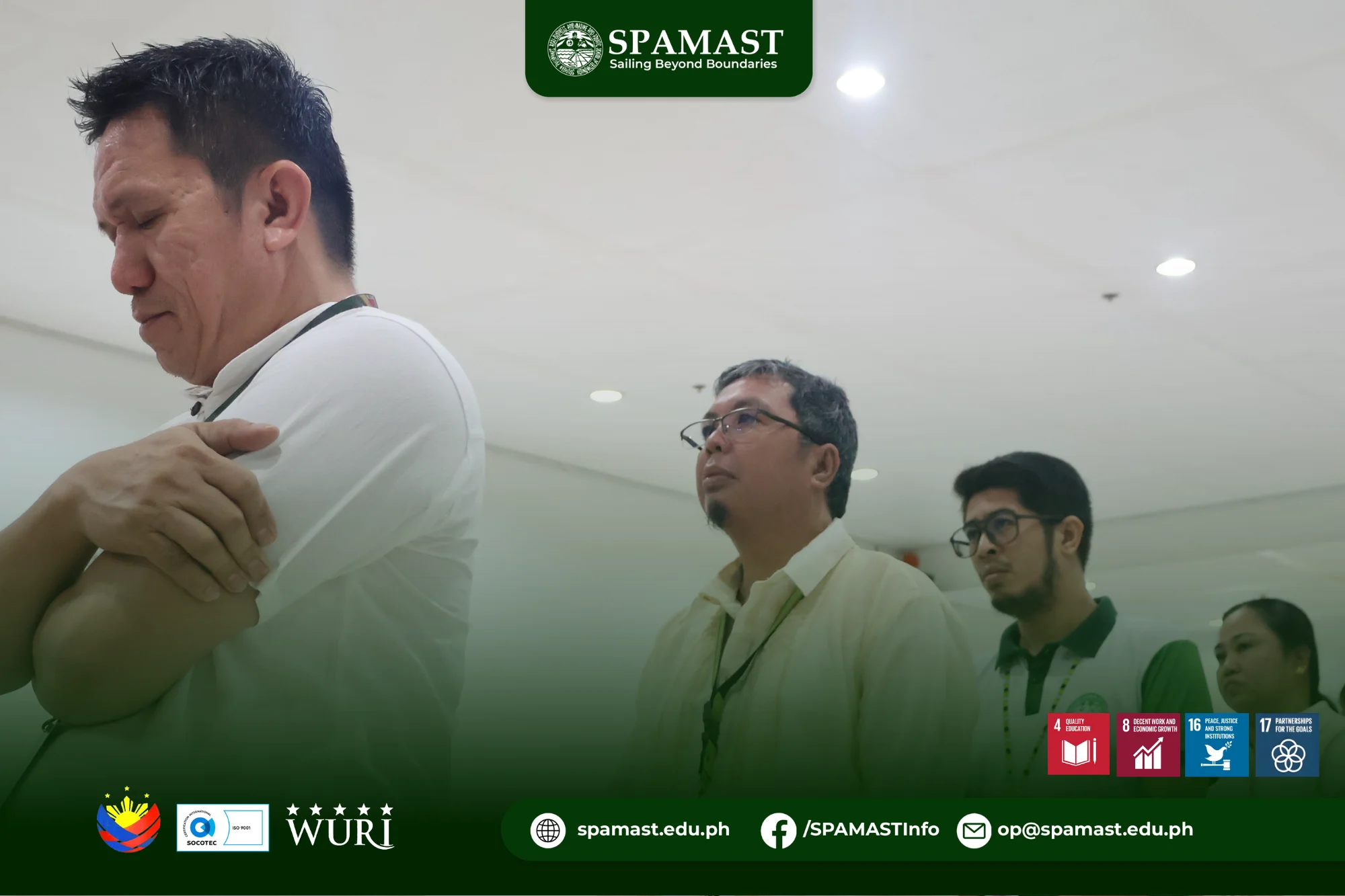
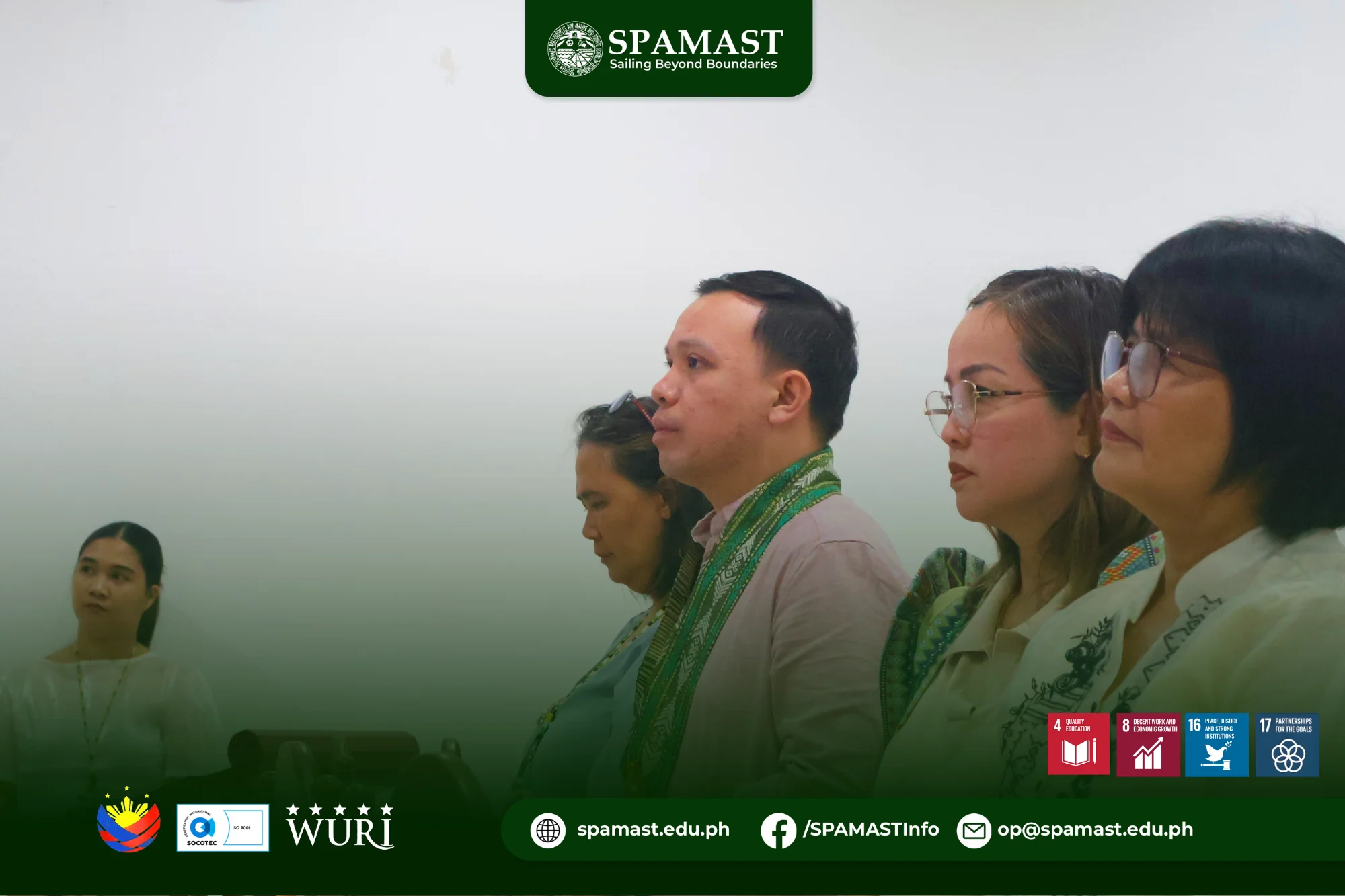
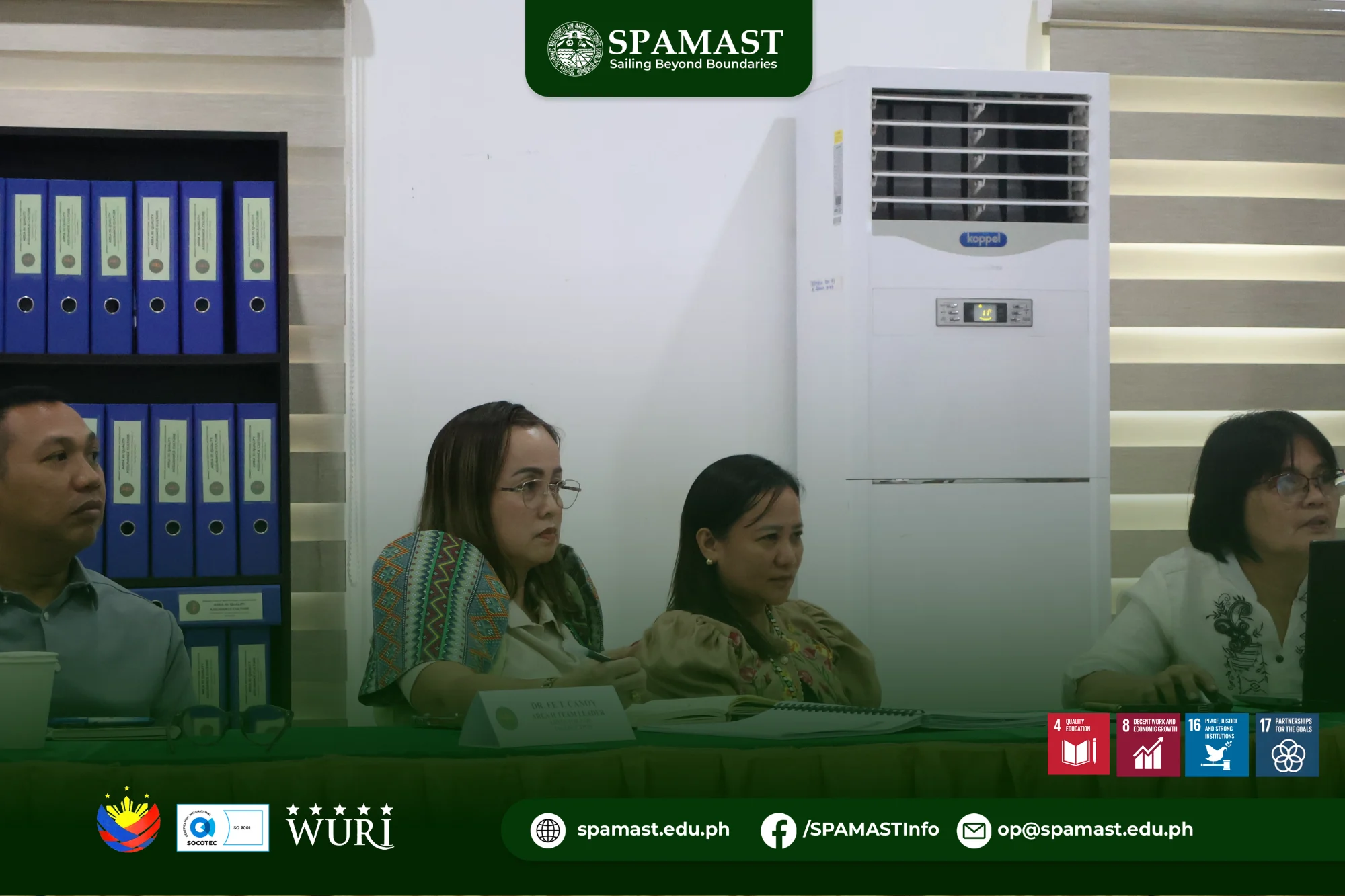
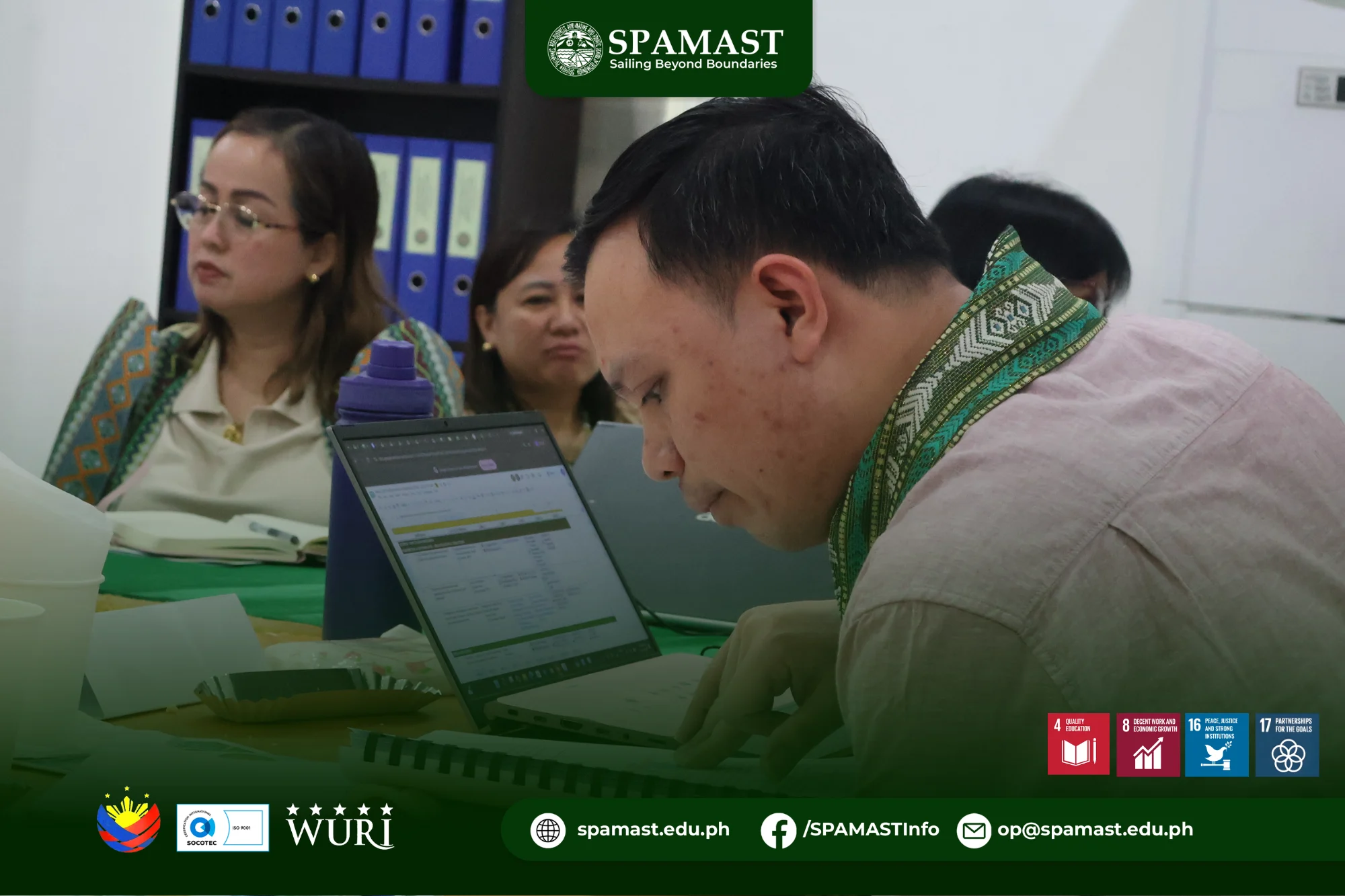
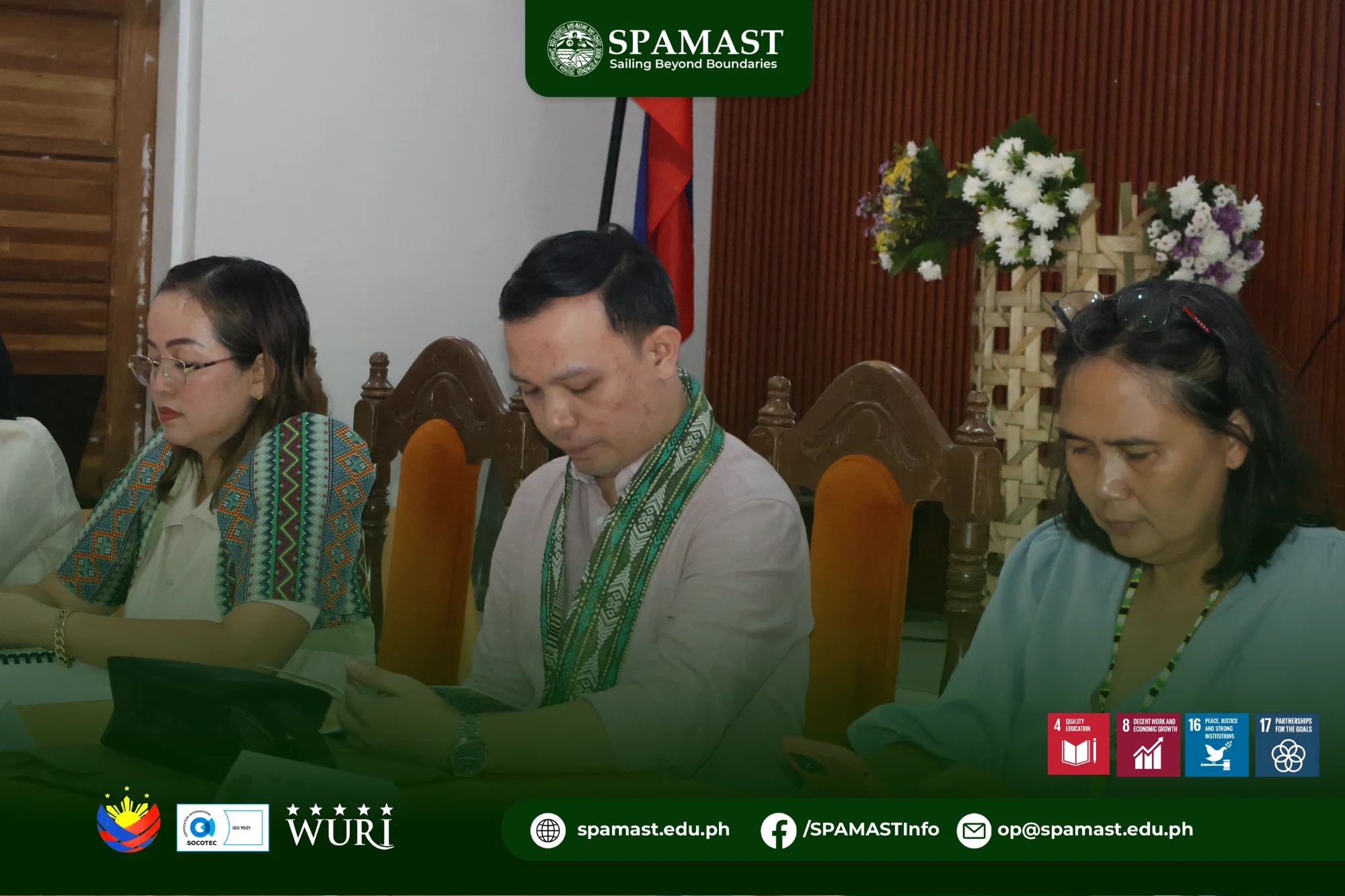
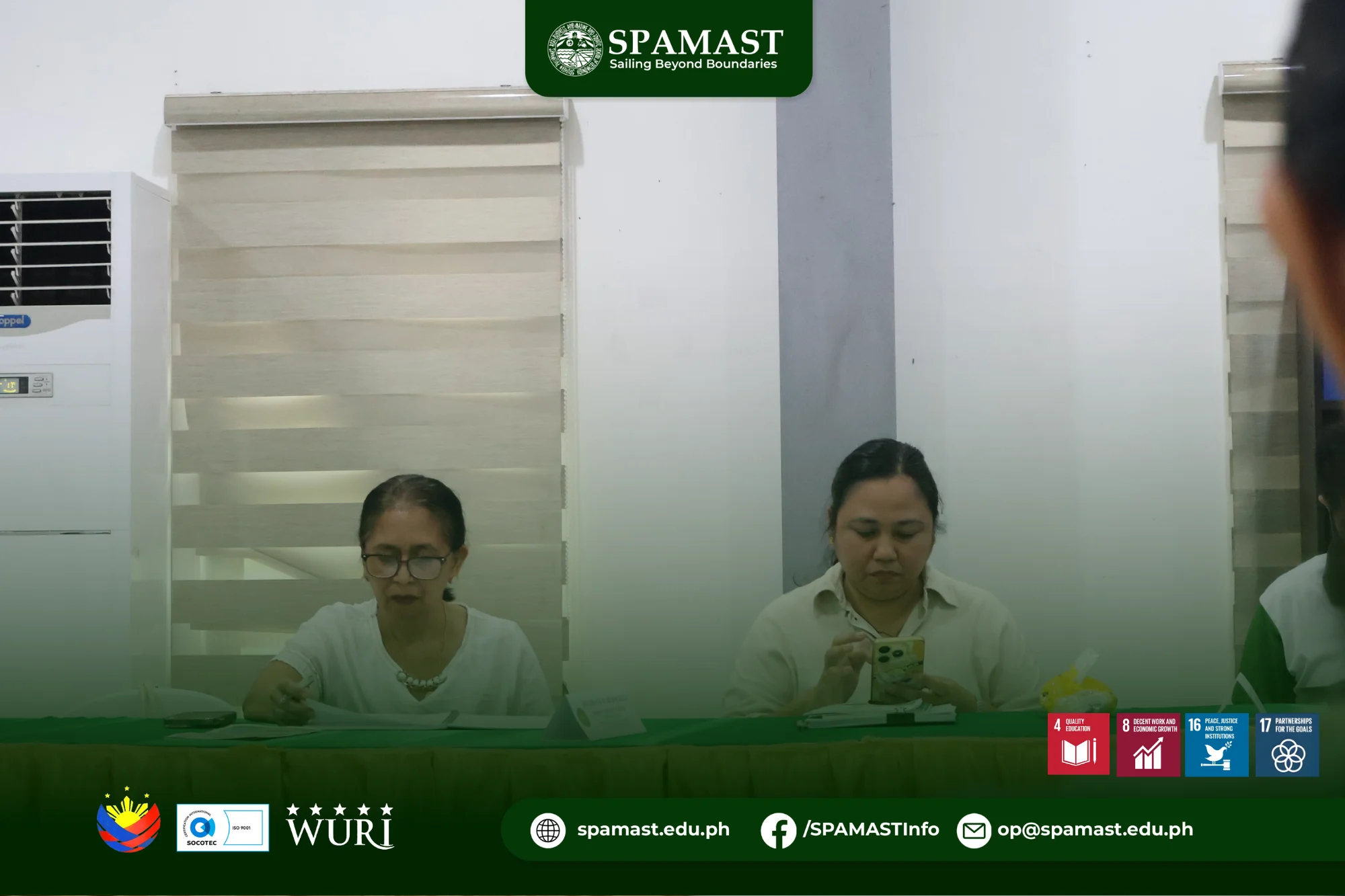
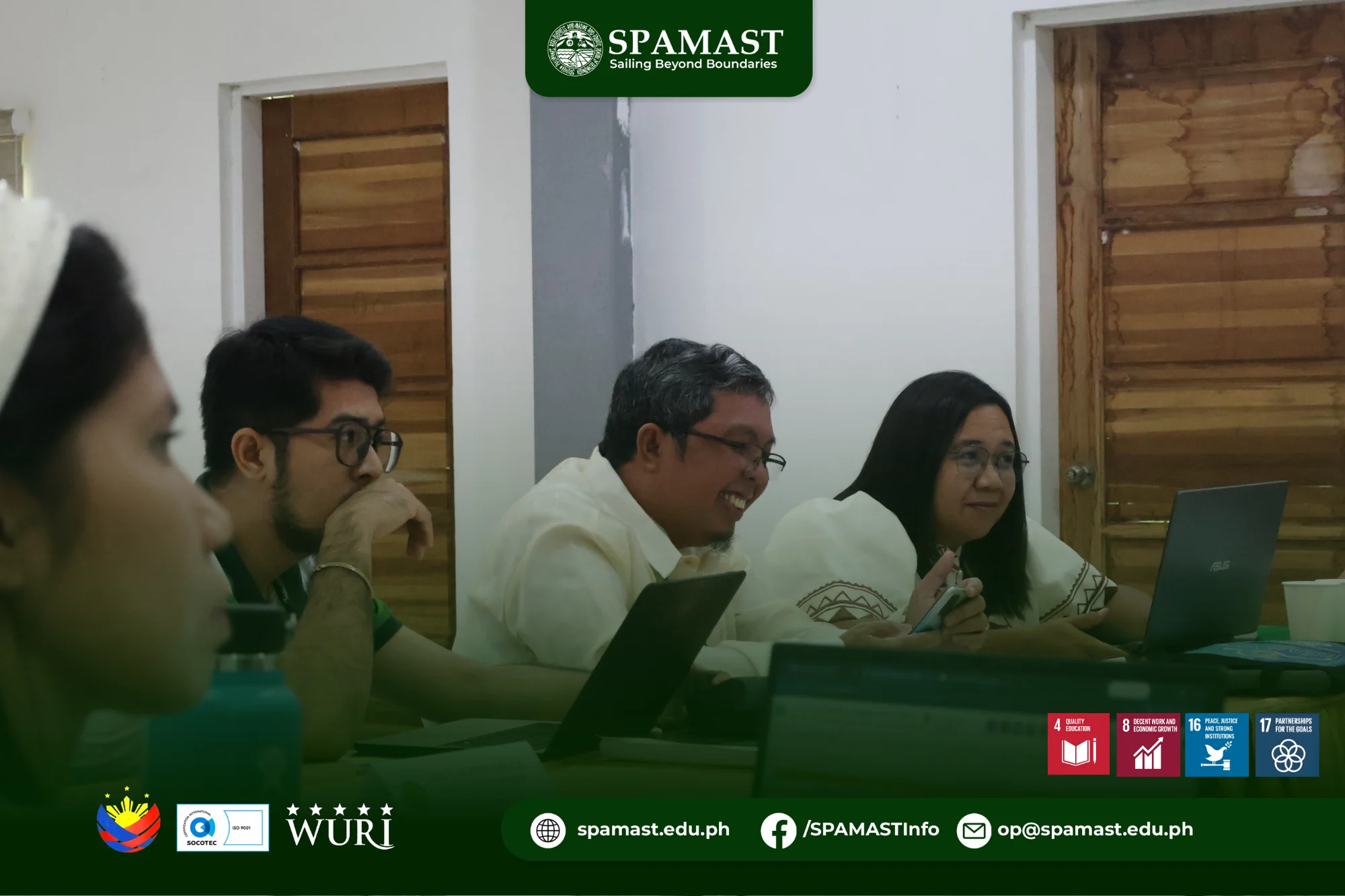
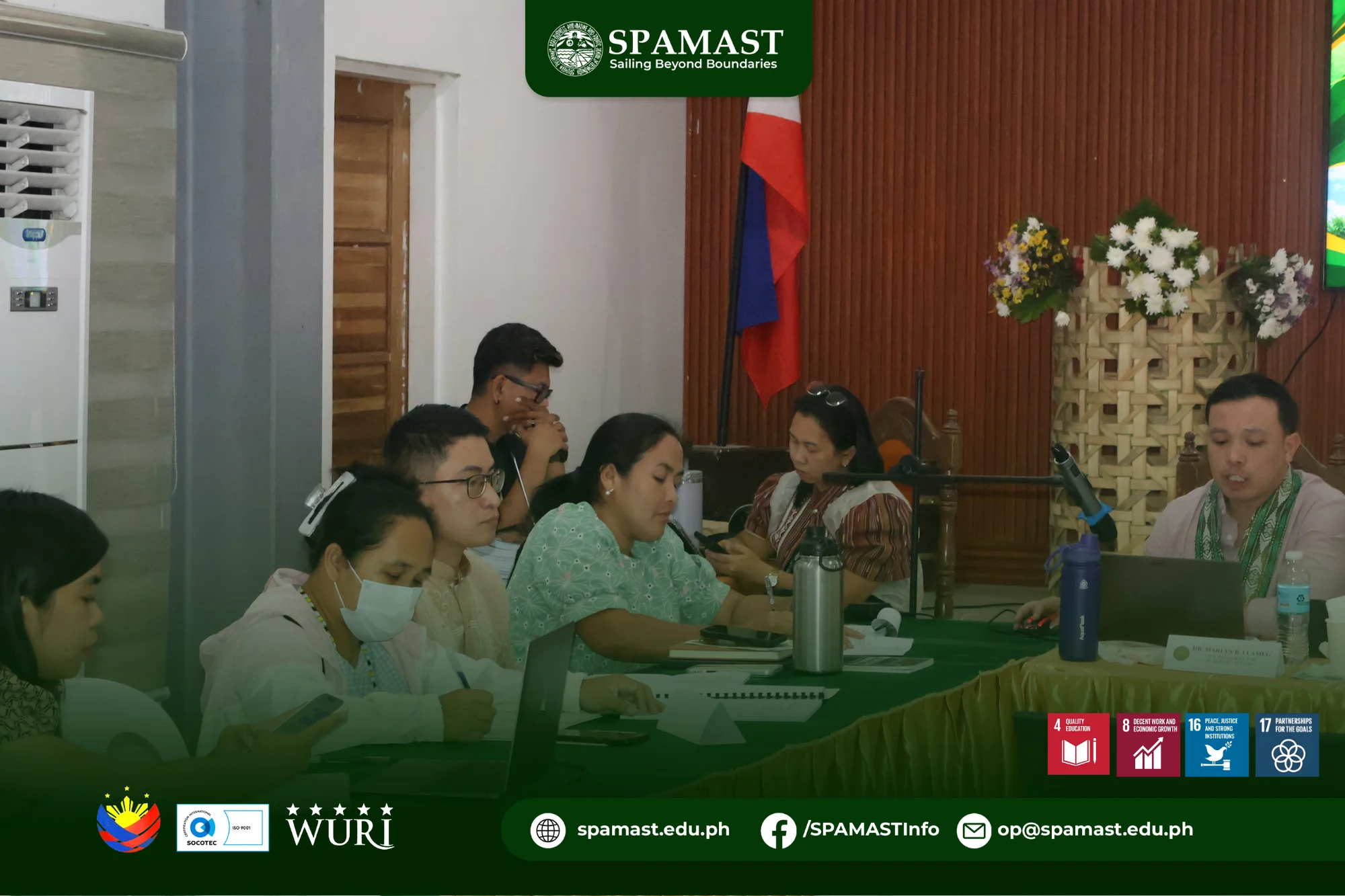
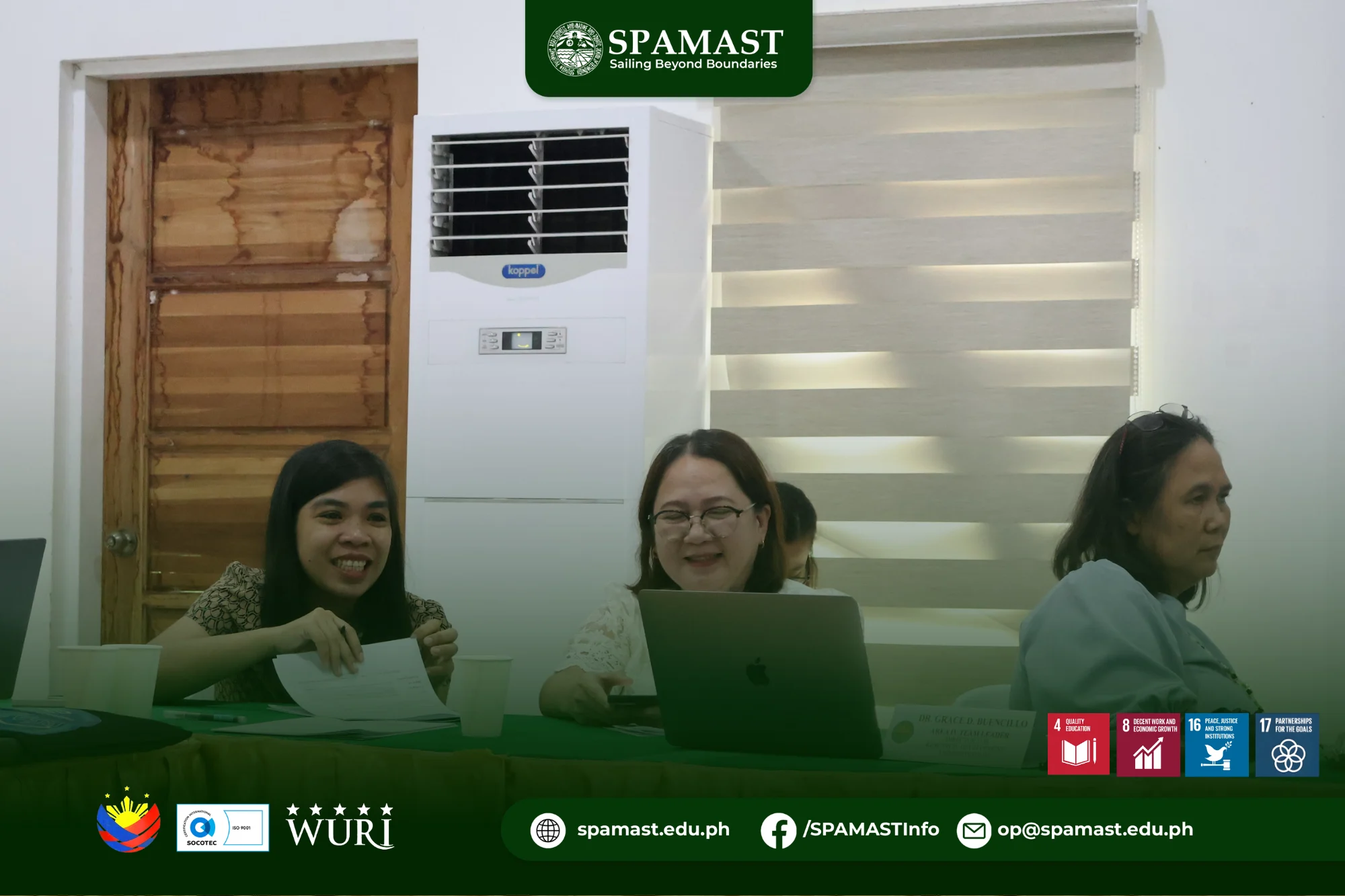
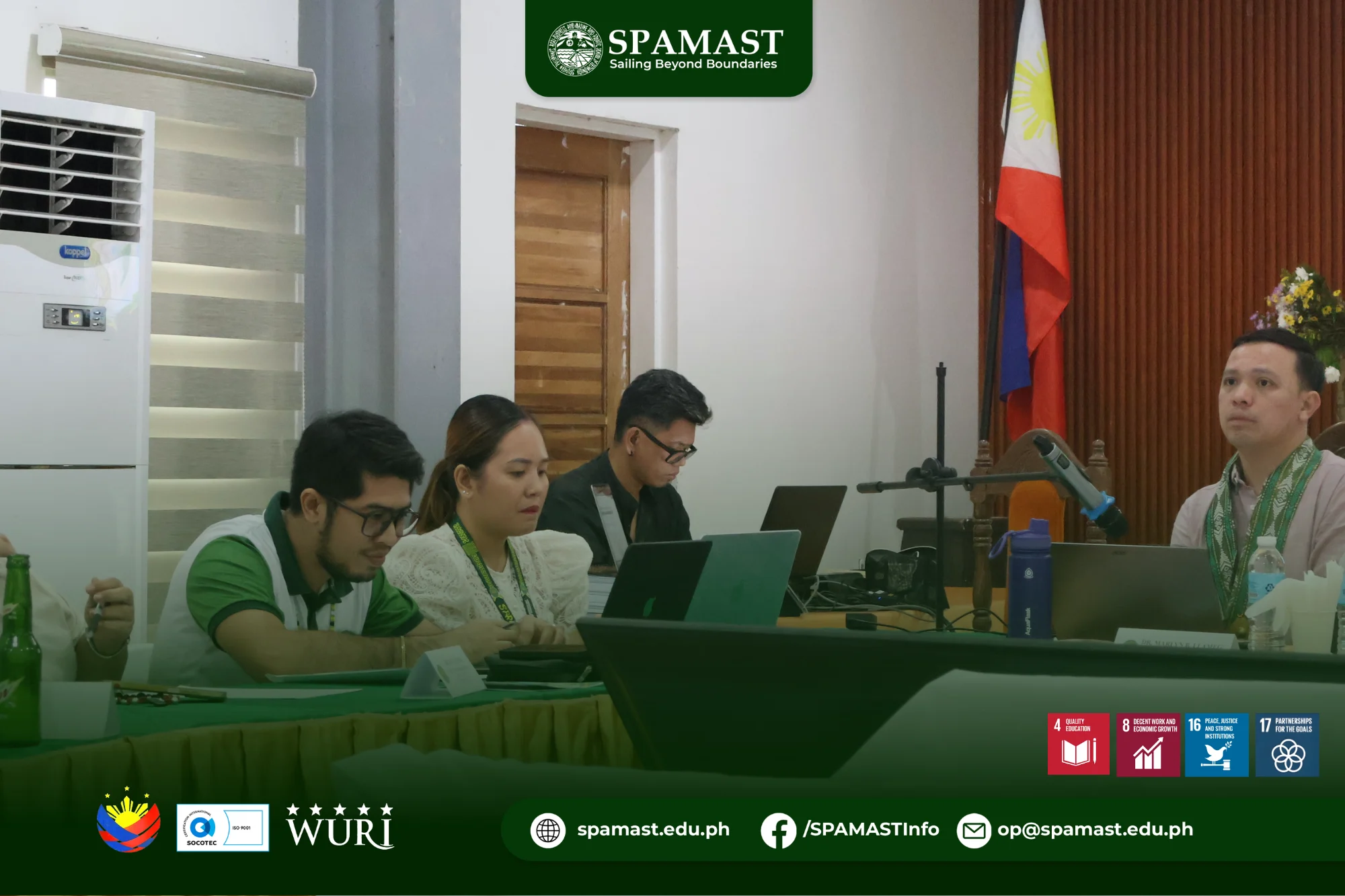
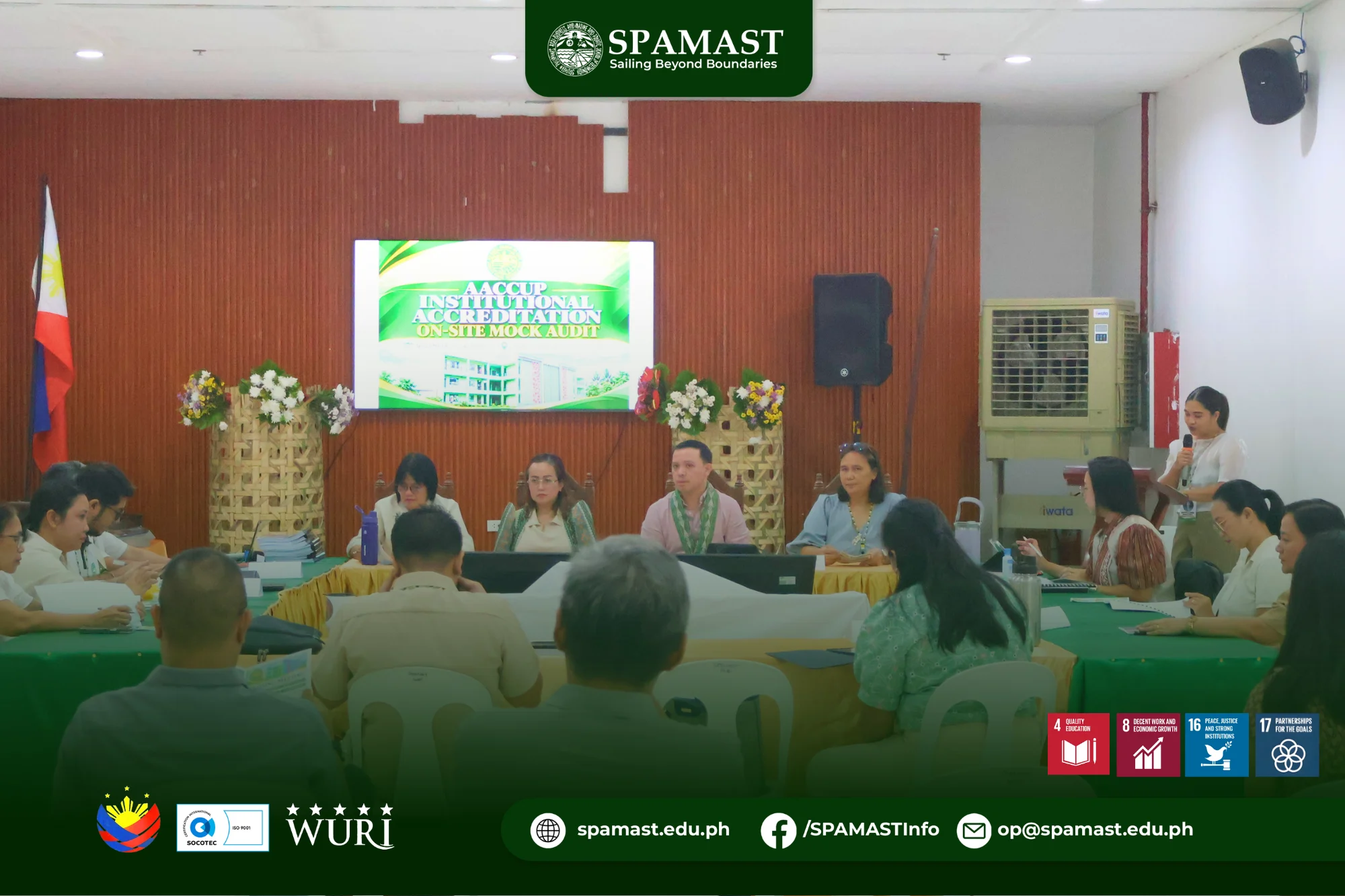
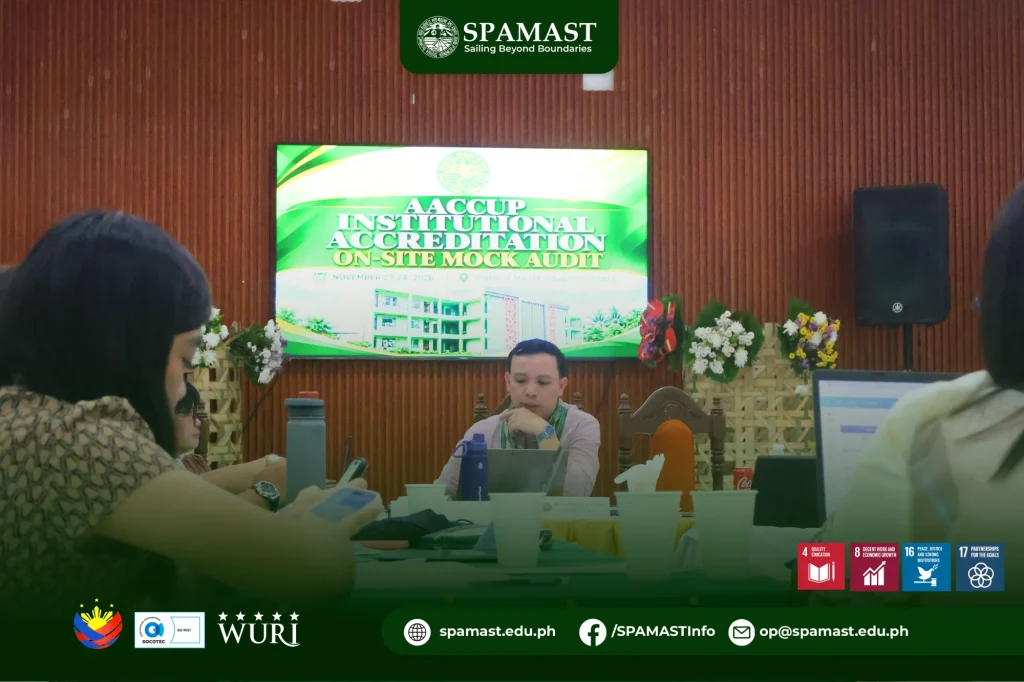
 MALITA, Davao Occidental | November 23, 2026 — The Southern Philippines Agri-Business and Marine and Aquatic School of Technology (SPAMAST) conducted the first day of its Institutional Accreditation On-Site Mock Audit on November 23, 2026, focusing on the evaluation of six institutional areas: Legal, Teaching, Learning and Evaluation, Faculty and Staff, Research, Extension, Consultancy and Linkages, and Support to Students.
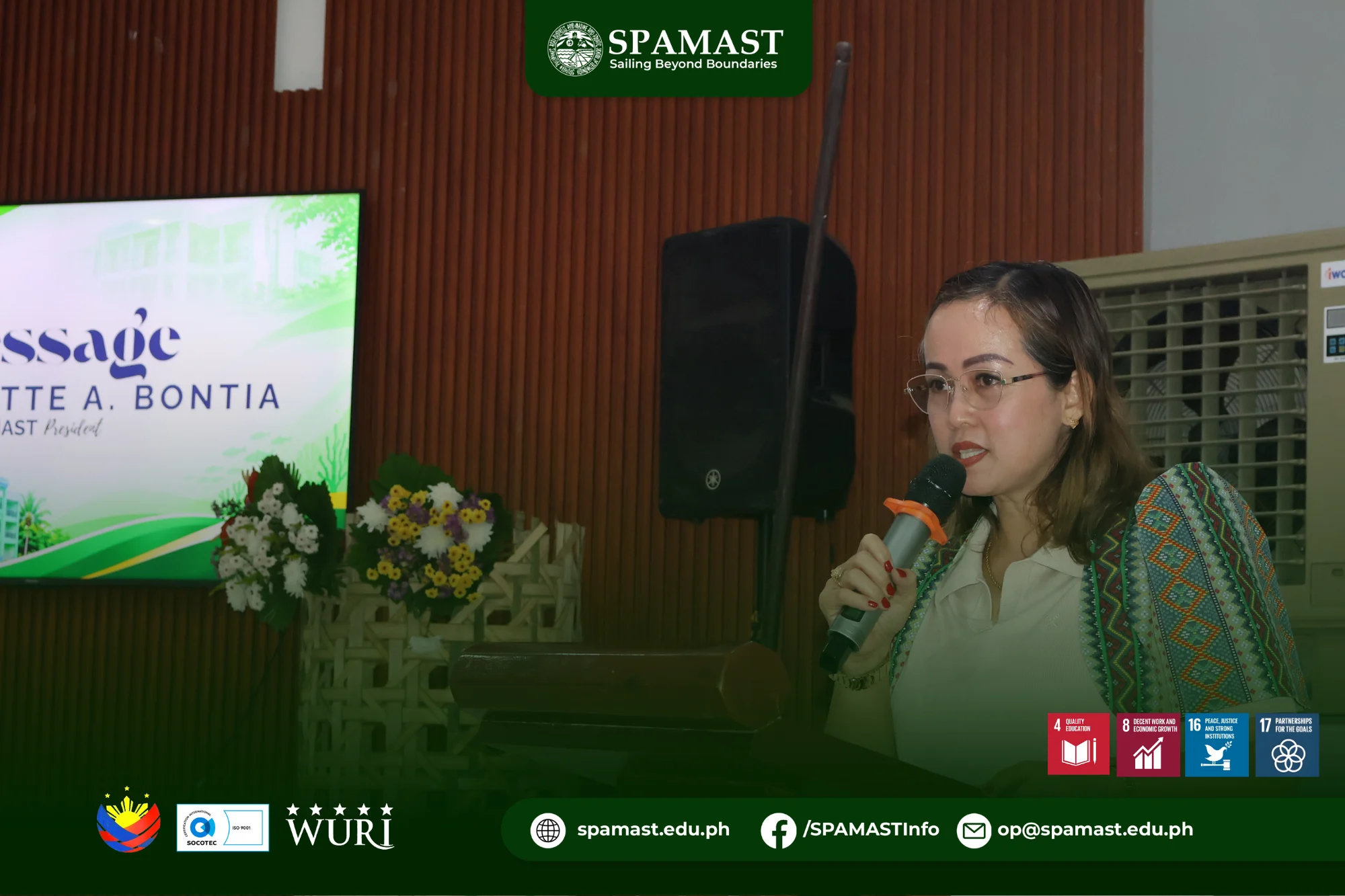
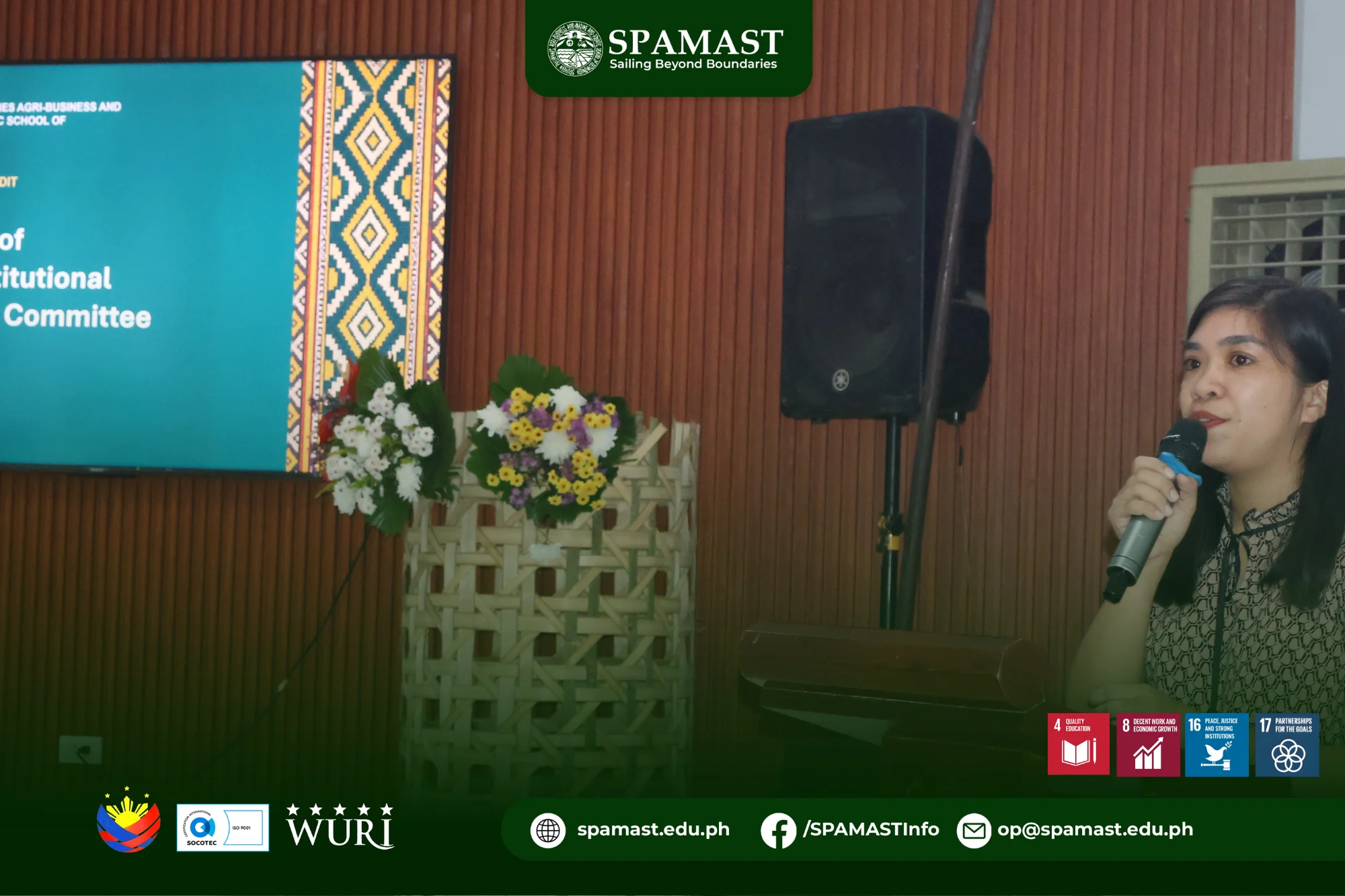
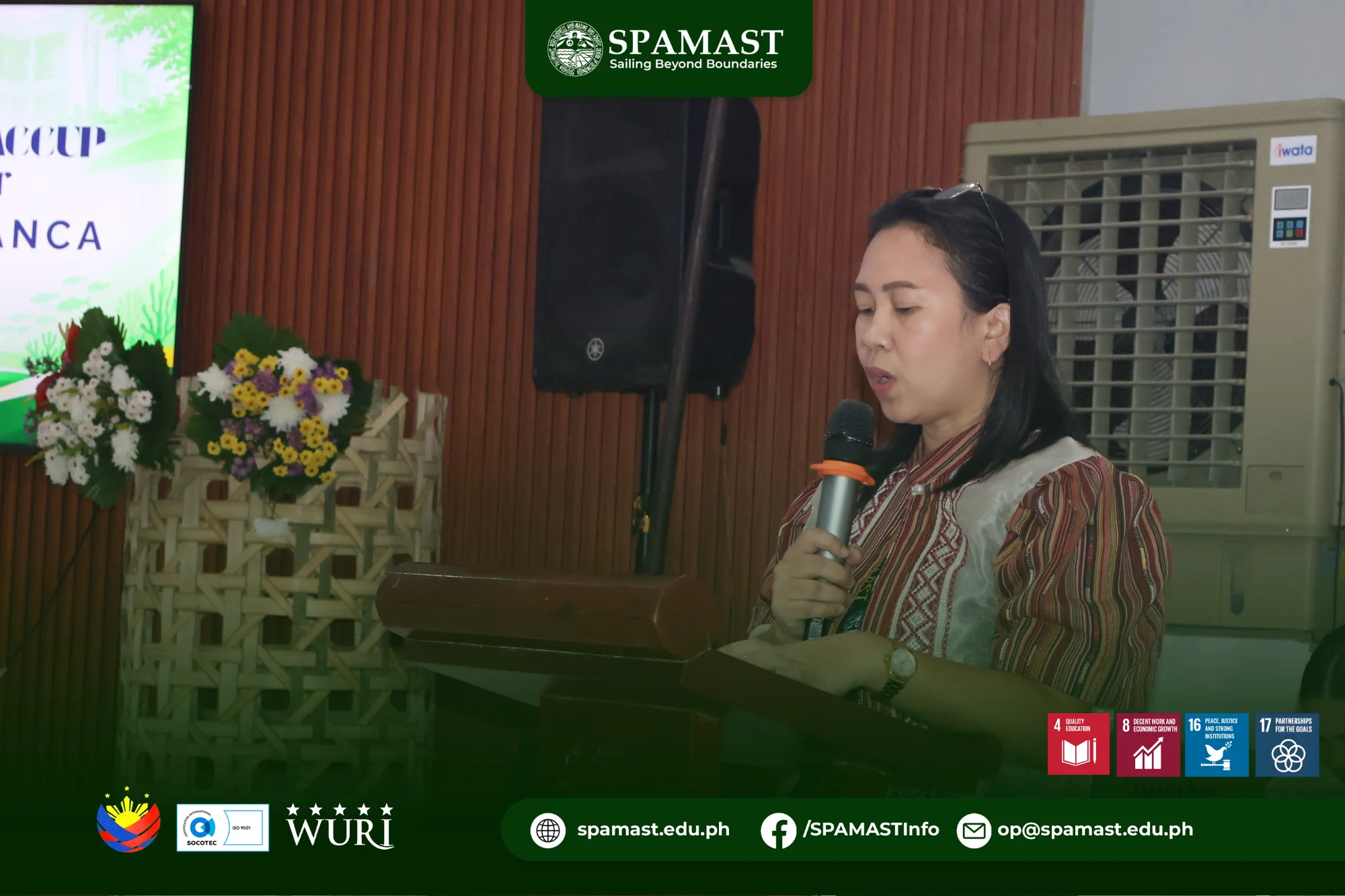
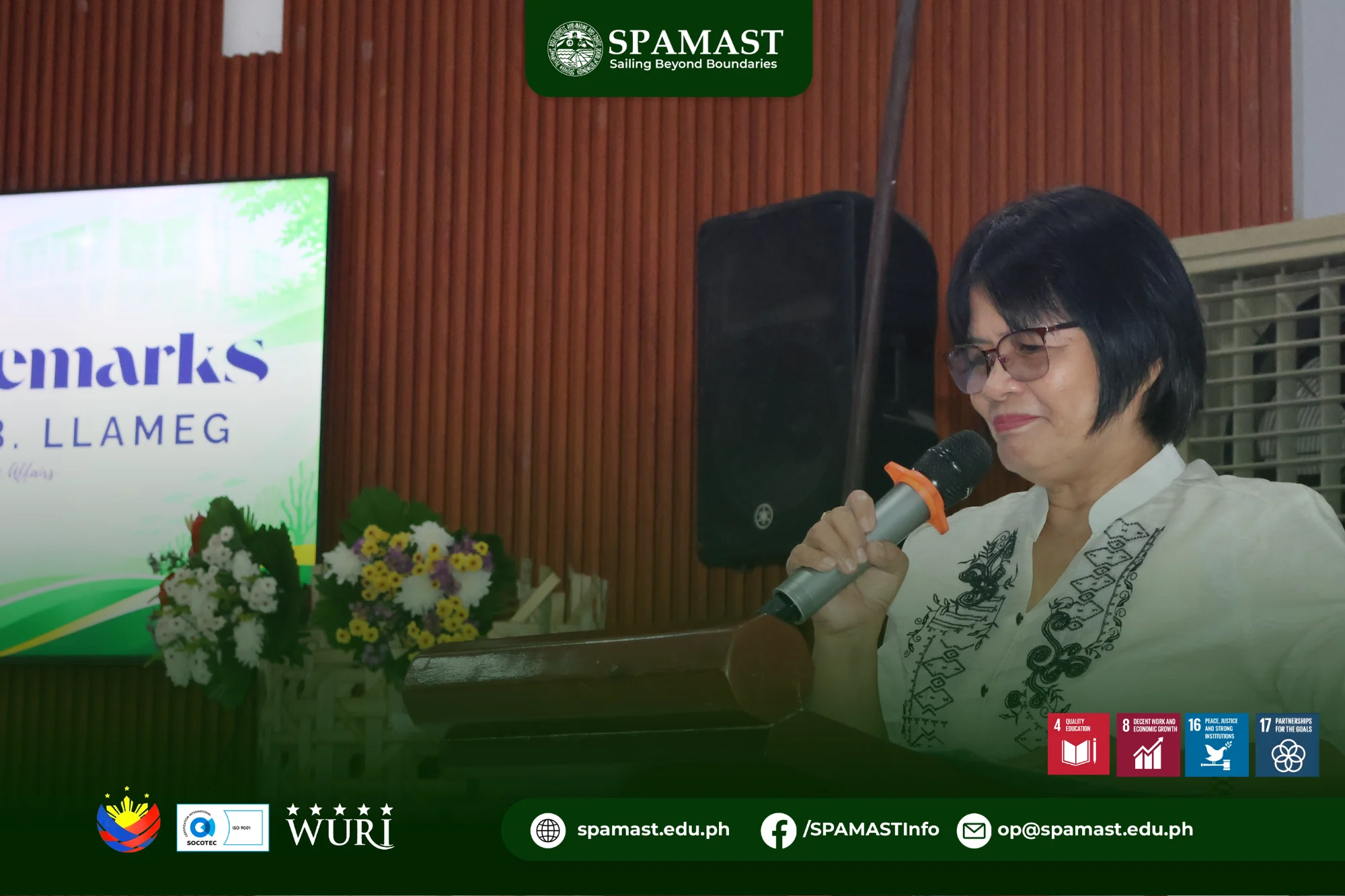
The opening meeting, held at the SPAMAST Lecture Hall at 8:30 AM, brought together the College administration, Institutional Accreditation (IA) Team, and representatives involved in the accreditation preparation. Dr. Marlyn B. Llameg, Vice President for Academic Affairs, delivered the opening remarks, followed by a message from SPAMAST President Dr. Lynette A. Bontia, emphasizing the importance of institutional readiness and collective commitment to meeting established quality standards.
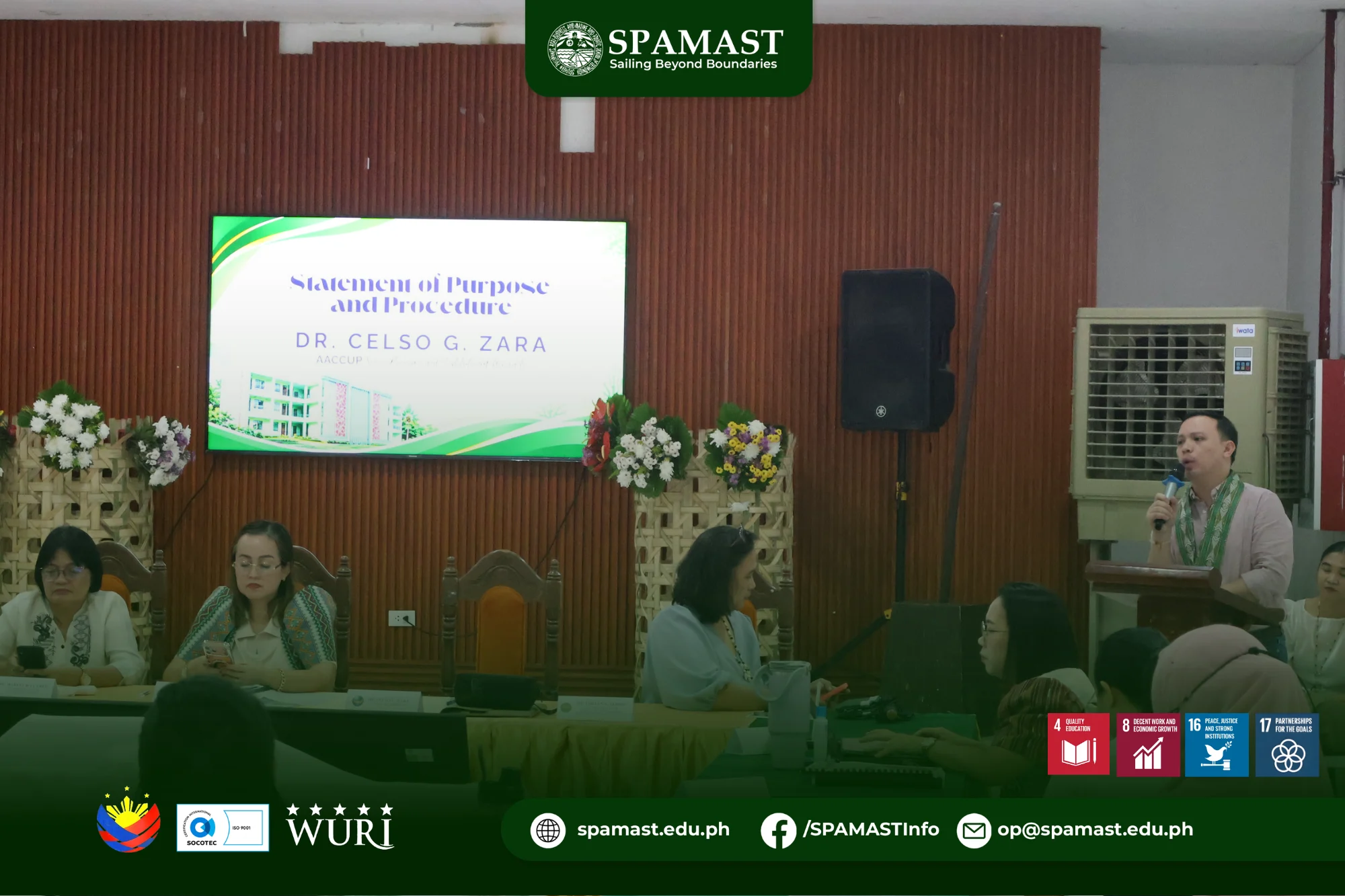
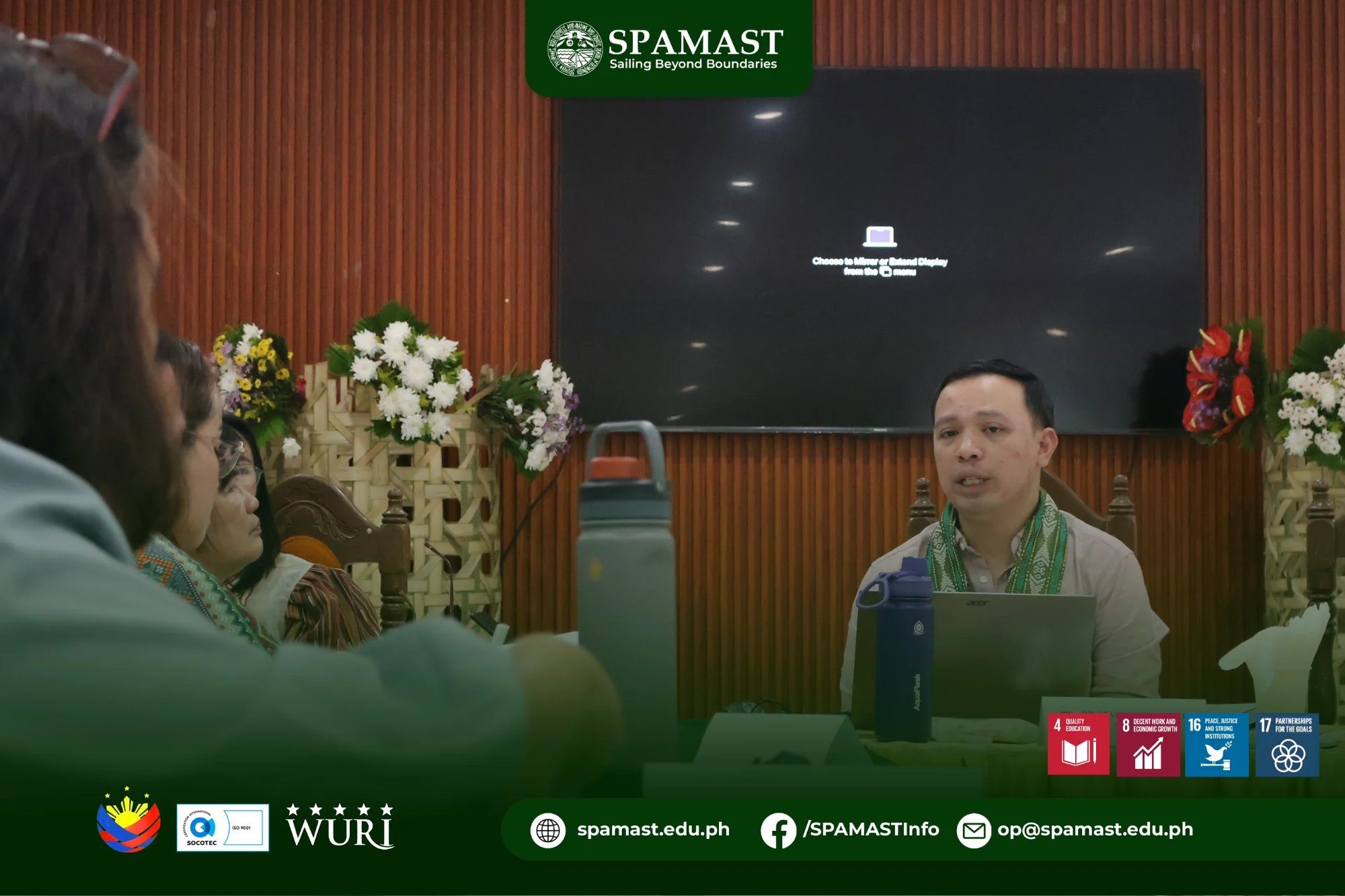
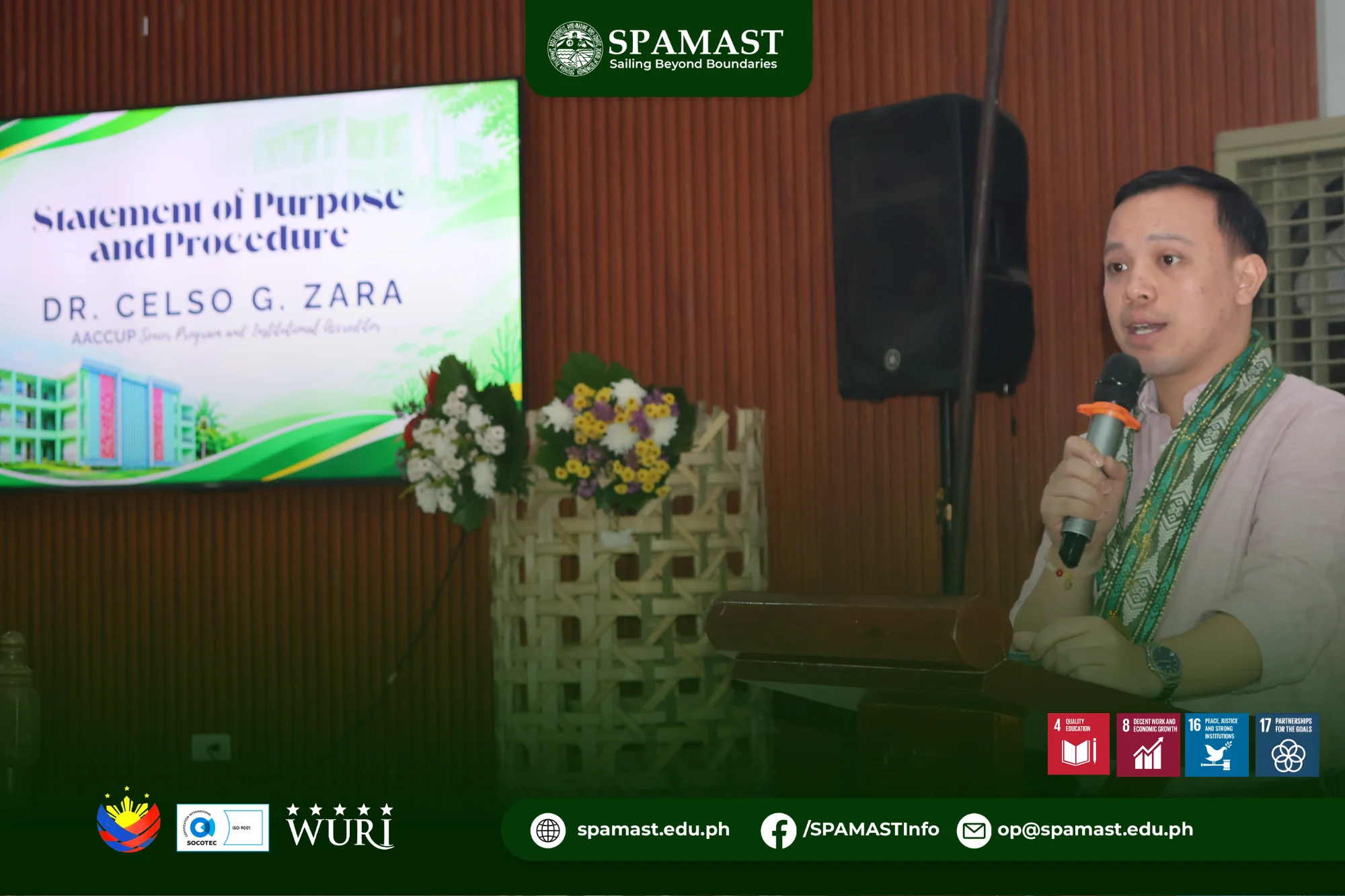
The programme also featured an audio-visual presentation showcasing the College’s institutional profile and accomplishments. Dr. Jovelyn L. Franca, Director of Quality Assurance, introduced the AACCUP external assessor, while Dr. Celso G. Zara, AACCUP Senior Program and Institutional Accreditor, presented the statement of purpose and procedures to guide the assessment. Mrs. Hannah Leigh Cantomayo, Quality Assurance Officer III, subsequently introduced the SPAMAST Institutional Accreditation Team before the evaluation proper.
The first-day evaluation covered six major institutional areas. Area I: Legal examined the College’s legal foundations, institutional mandate, and compliance with applicable laws and regulations. Area II: Teaching, Learning and Evaluation focused on the delivery of instruction, curriculum implementation, learning outcomes, and assessment practices. Area III: Faculty and Staff considered the qualifications, professional development, performance, and welfare of academic and administrative personnel.
Meanwhile, Area IV: Research assessed the College’s research policies, programs, outputs, and initiatives in generating knowledge. Area V: Extension, Consultancy and Linkages examined community engagement, extension services, consultancy initiatives, and partnerships with external stakeholders. Area VI: Support to Students focused on the services, programs, and institutional mechanisms designed to promote student welfare, development, and academic success.
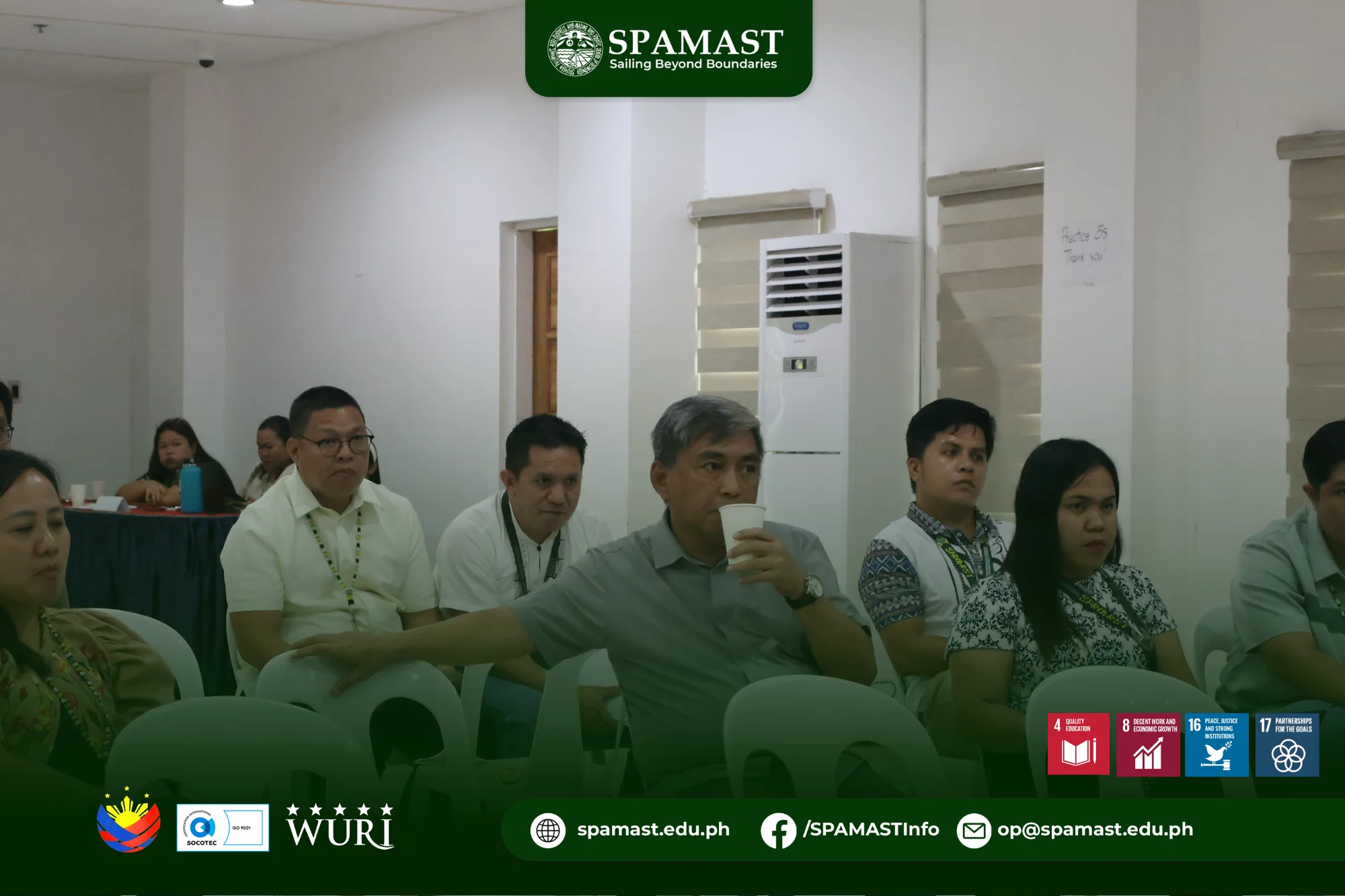
Through the evaluation of these six areas, the mock audit provided an opportunity for SPAMAST to review its institutional practices, assess supporting documents and implementation, and identify areas requiring further enhancement. The activity also reinforced the shared responsibility of academic leaders, faculty members, administrative personnel, and other stakeholders in maintaining institutional standards and strengthening a culture of continuous improvement.
The initiative is aligned with four United Nations Sustainable Development Goals (SDGs), particularly SDG 4: Quality Education, through the advancement of quality assurance and improved educational services; SDG 9: Industry, Innovation and Infrastructure, through the strengthening of institutional systems and research initiatives; SDG 16: Peace, Justice and Strong Institutions, through accountability, transparency, and effective institutional governance; and SDG 17: Partnerships for the Goals, through collaboration between SPAMAST and AACCUP in advancing institutional quality standards. These goals reflect the College’s continuing commitment to educational excellence, responsible governance, and sustainable institutional development.