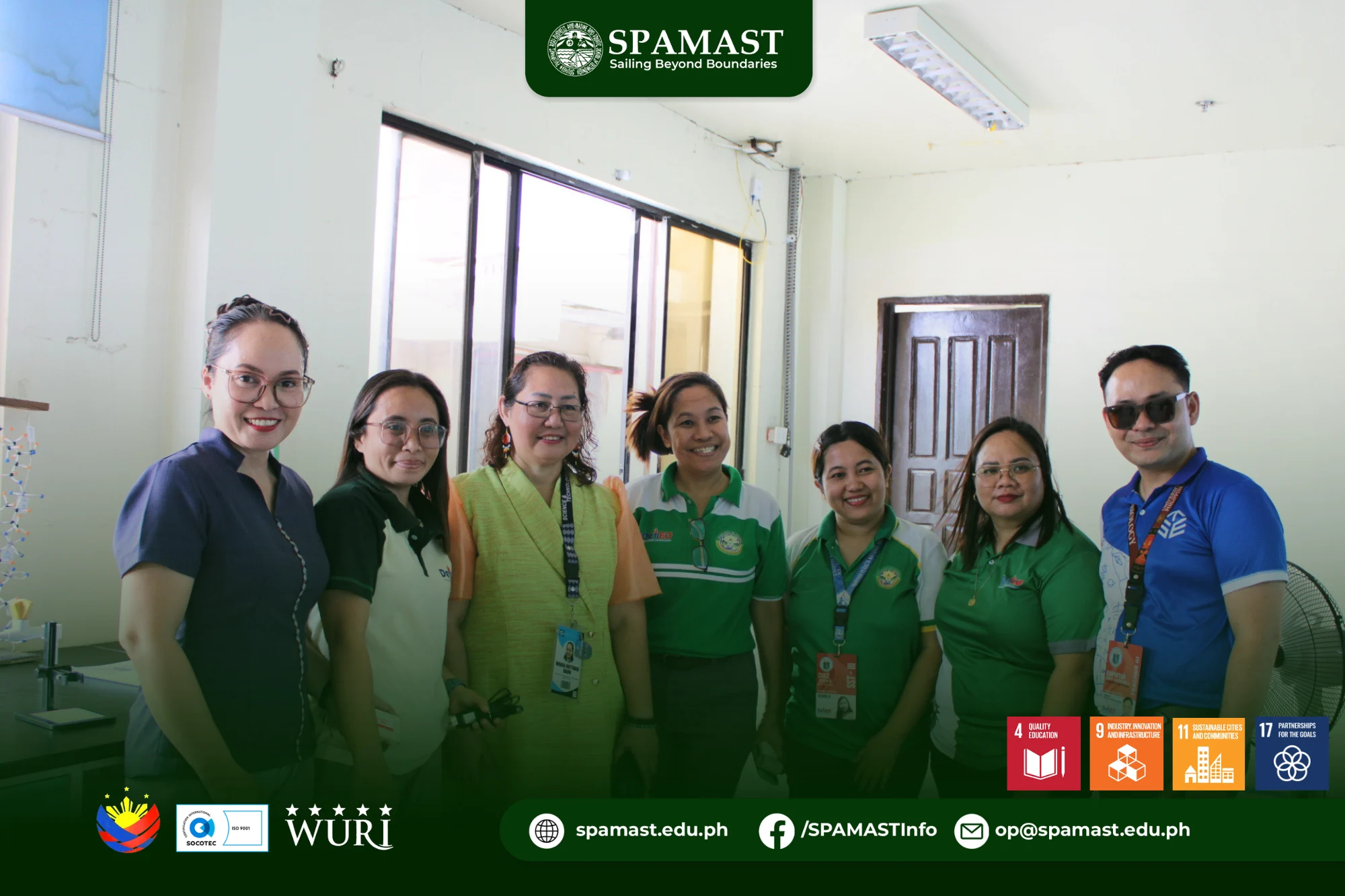
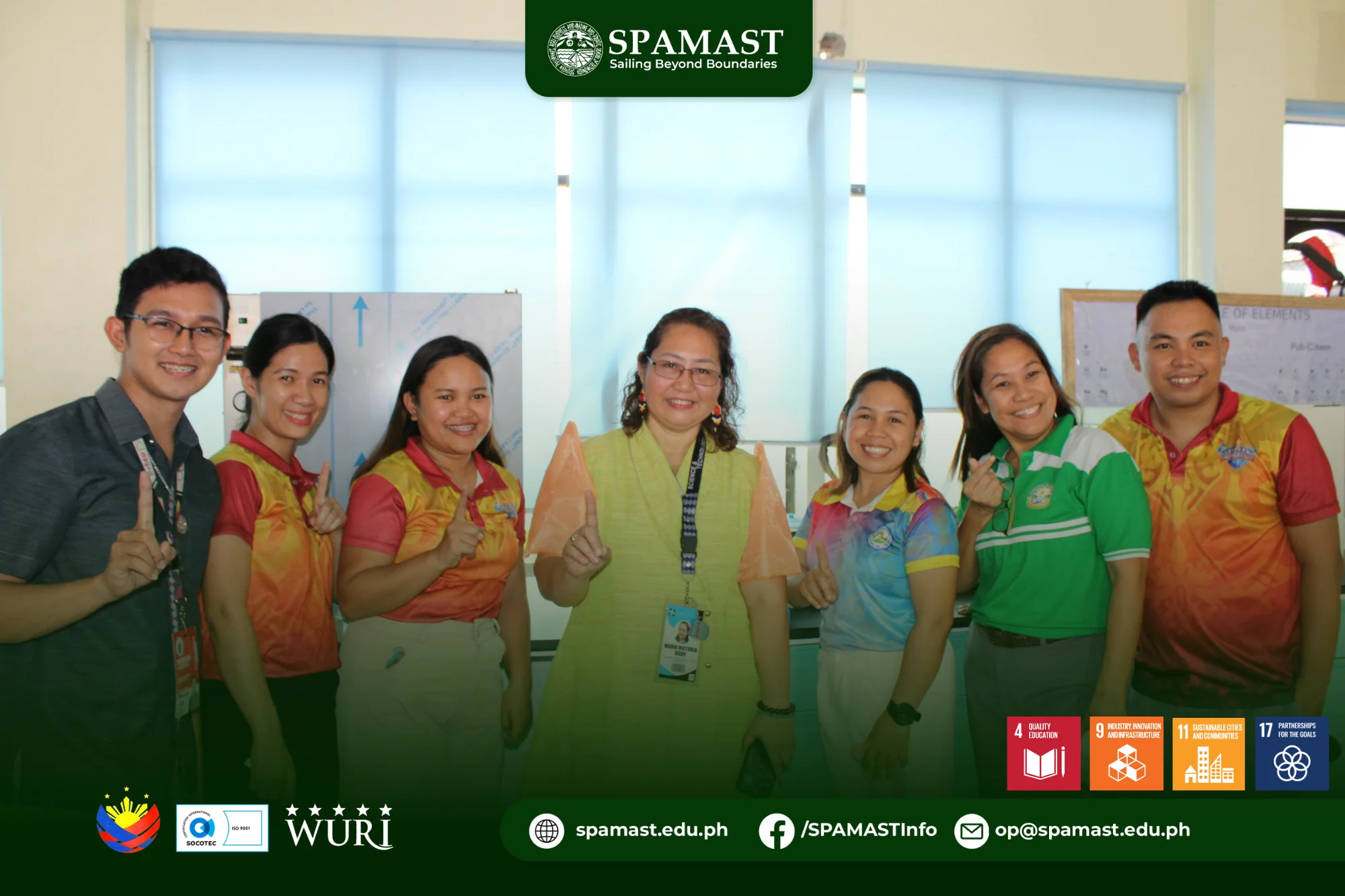
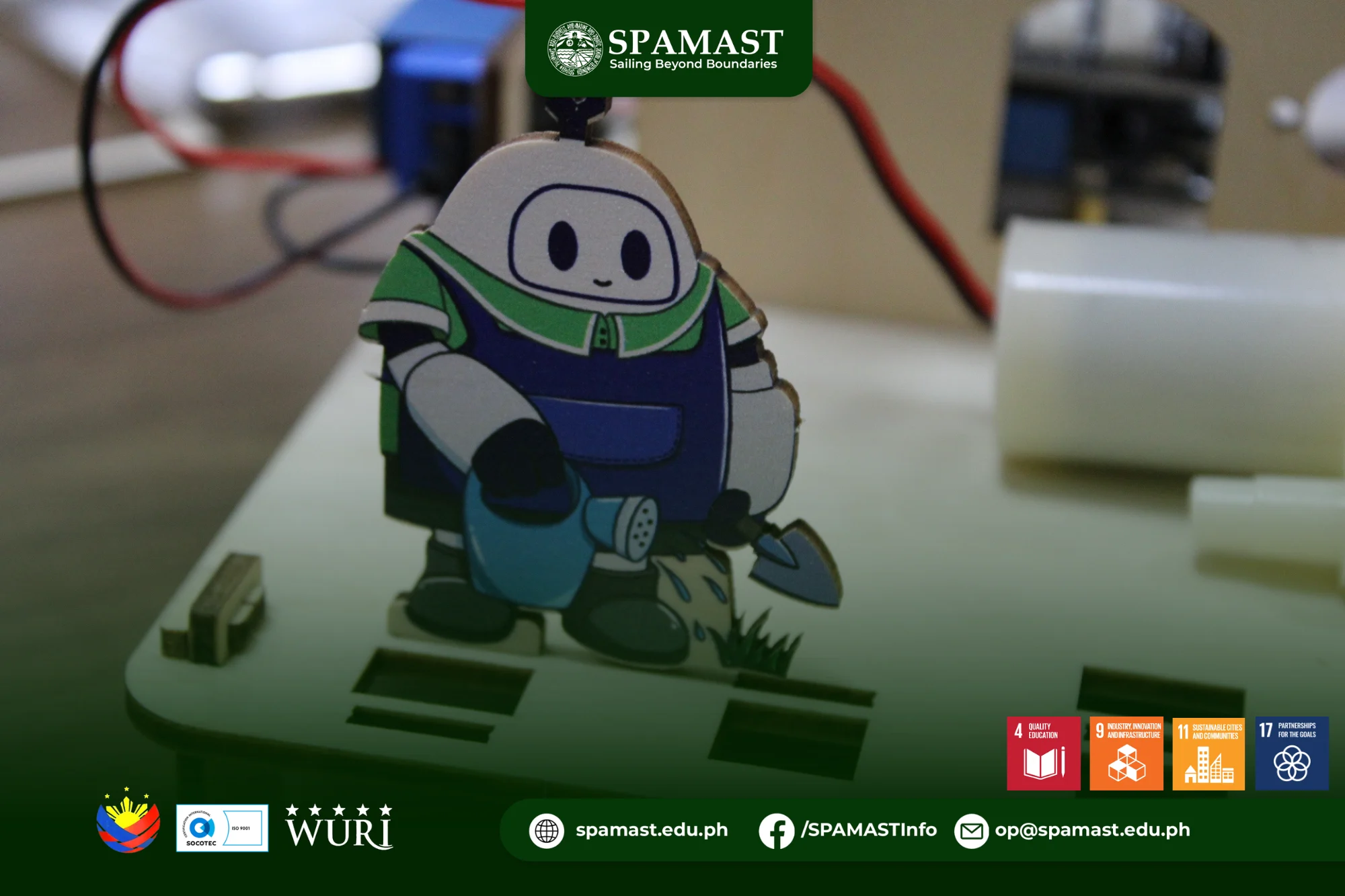
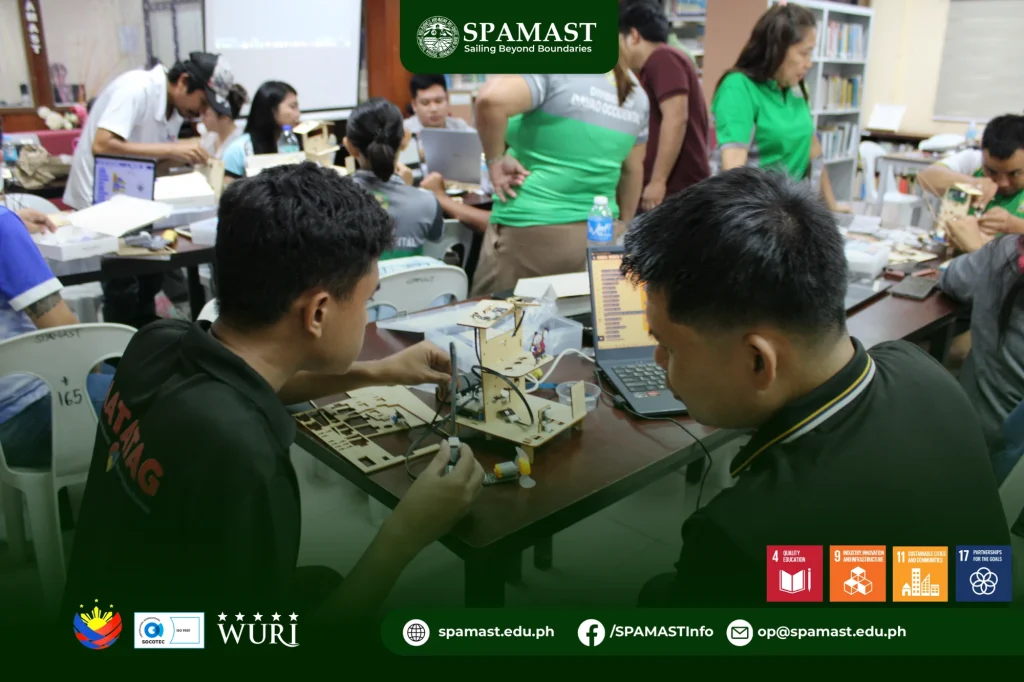
 Advancing the integration of science, technology, and innovation into education, Davao Occidental strengthened its commitment to developing future-ready STEM learners through two capability-building activities conducted during the 2026 Regional Science and Technology Week on September 1–2, 2026.
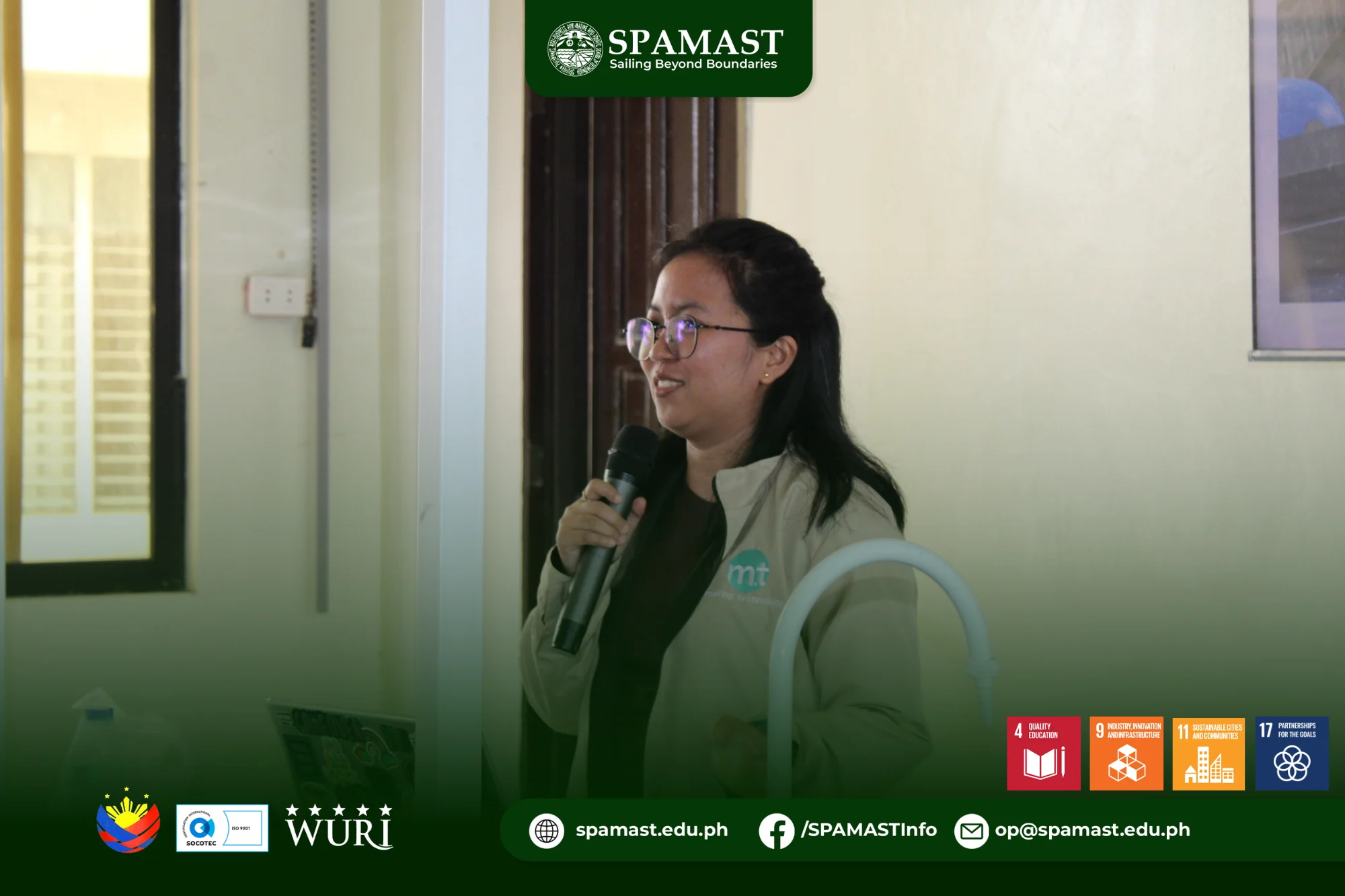
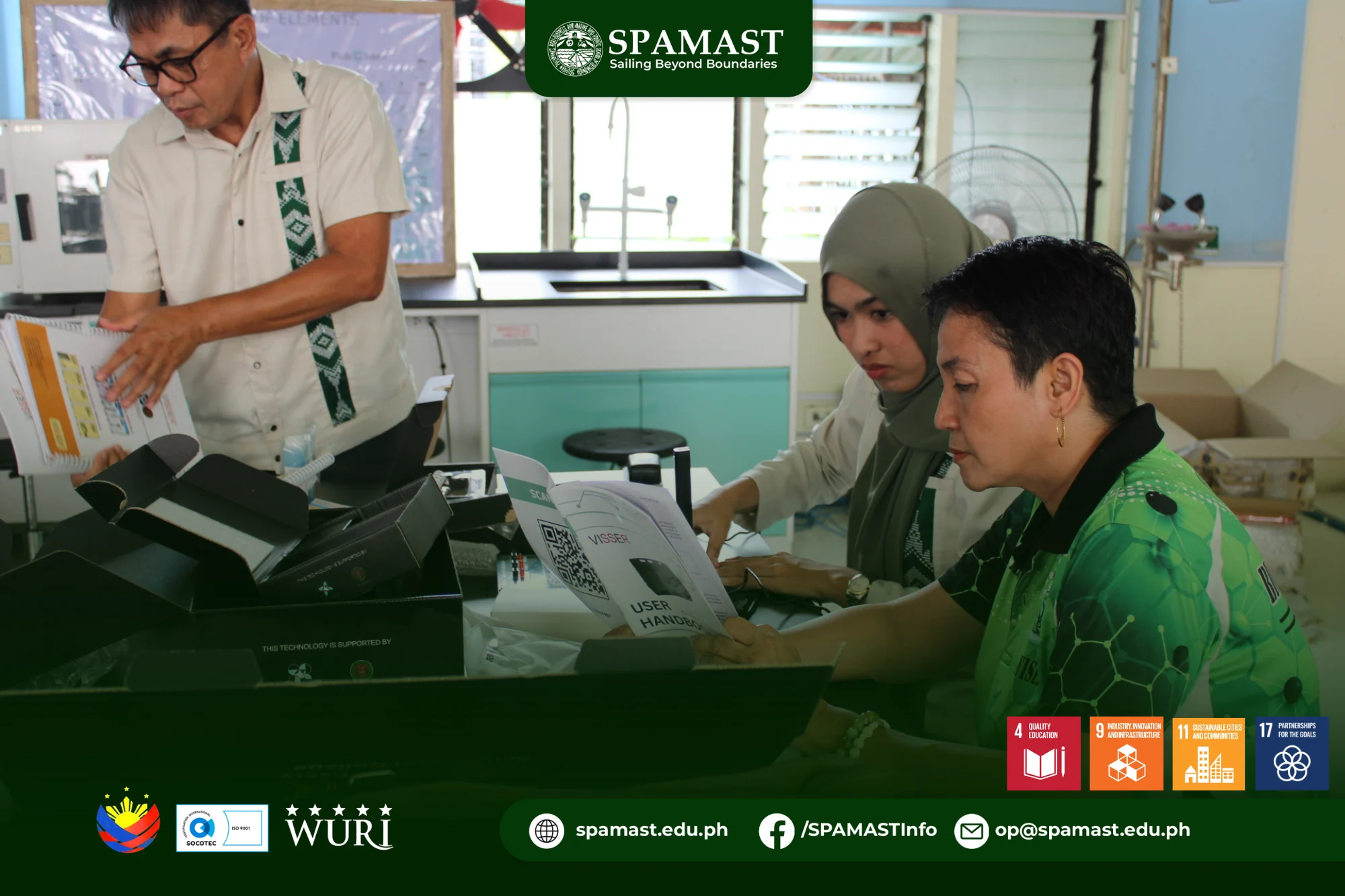
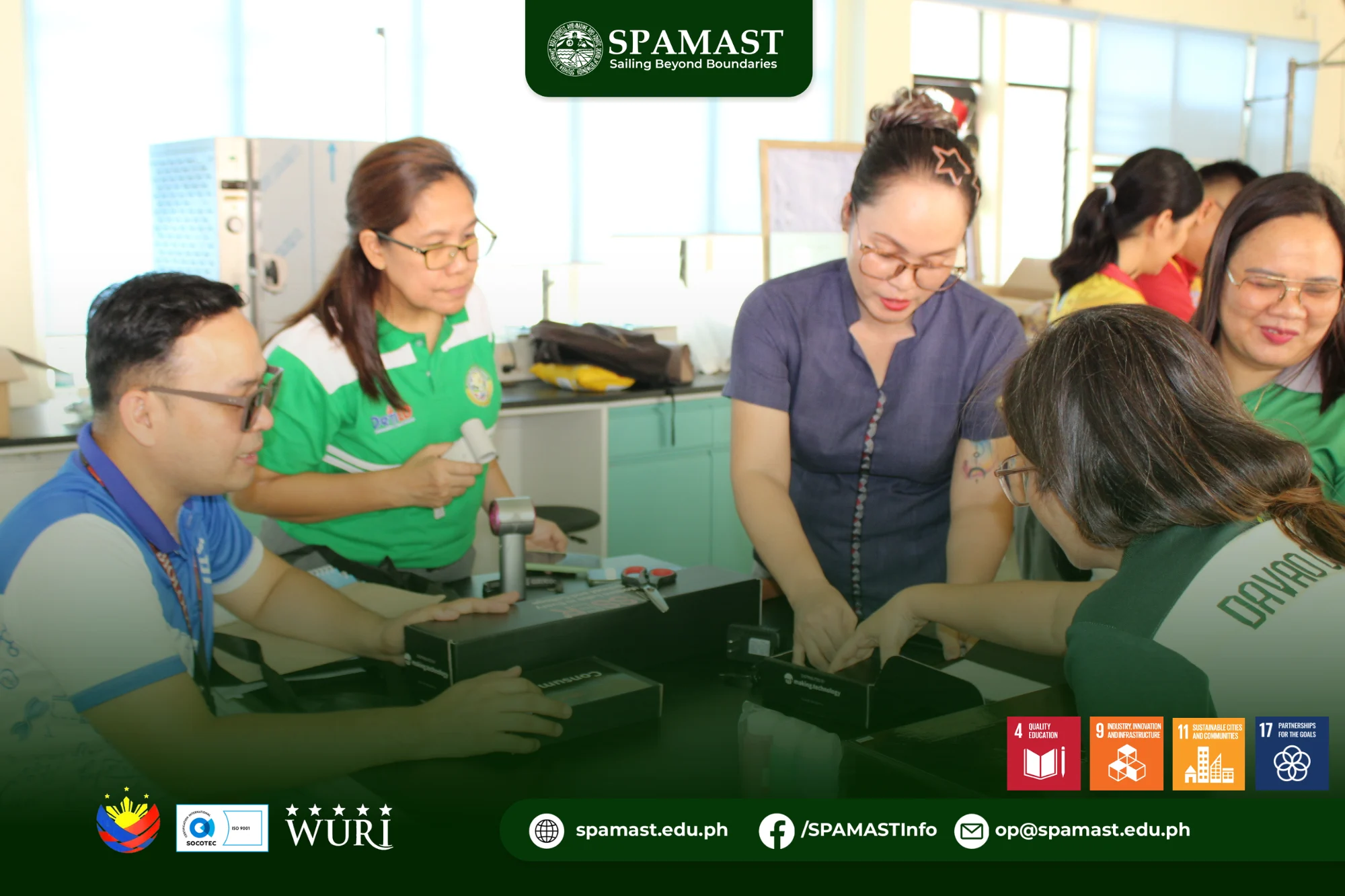
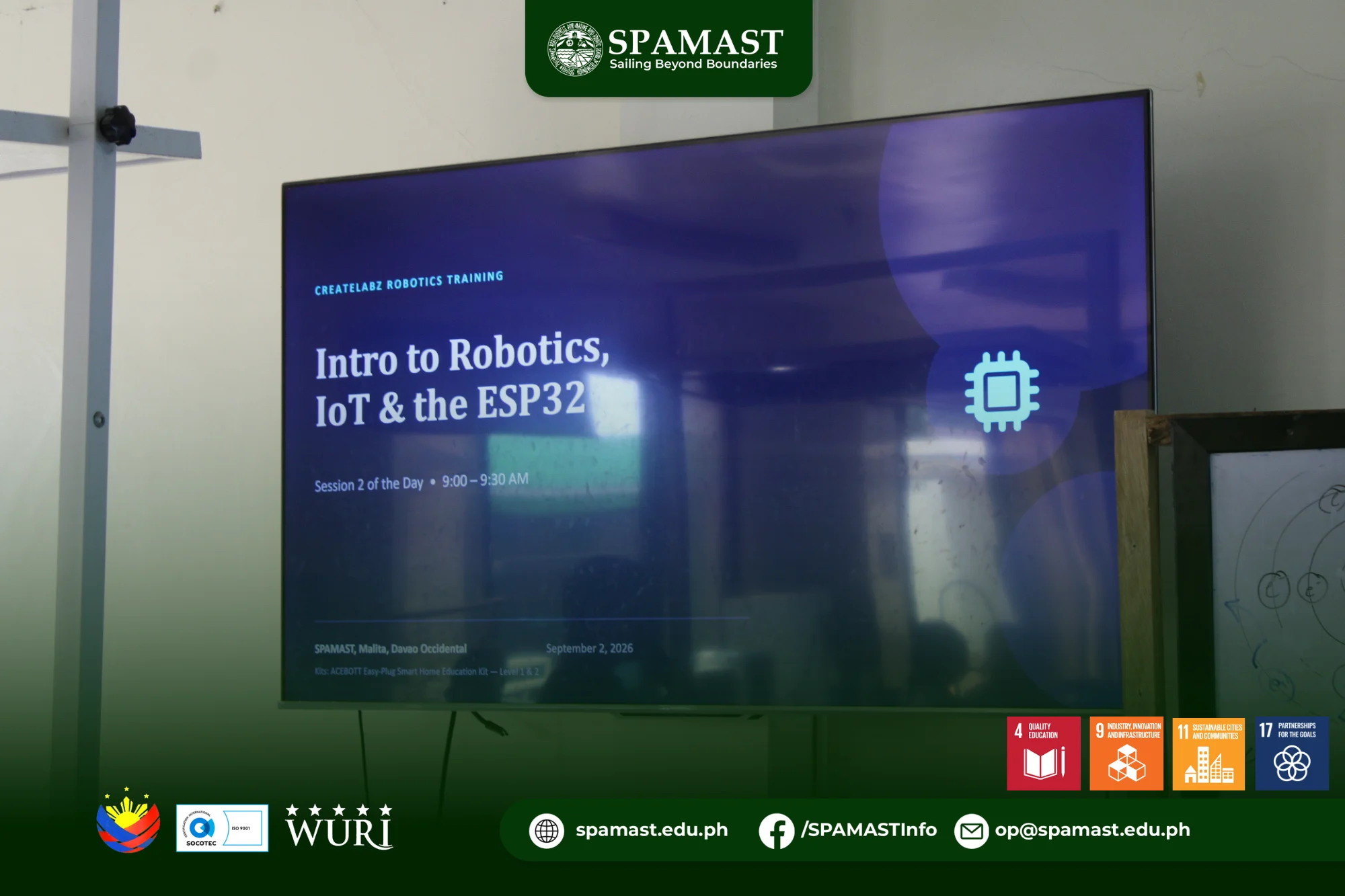
The Training on Versatile Instrumentation System for Science Education and Research (VISSER) was conducted on September 1, 2026, followed by the Basic Electronics and Robotics Training on September 2, 2026, both held at the Southern Philippines Agri-Business, Marine and Aquatic School of Technology (SPAMAST) in Malita, Davao Occidental.
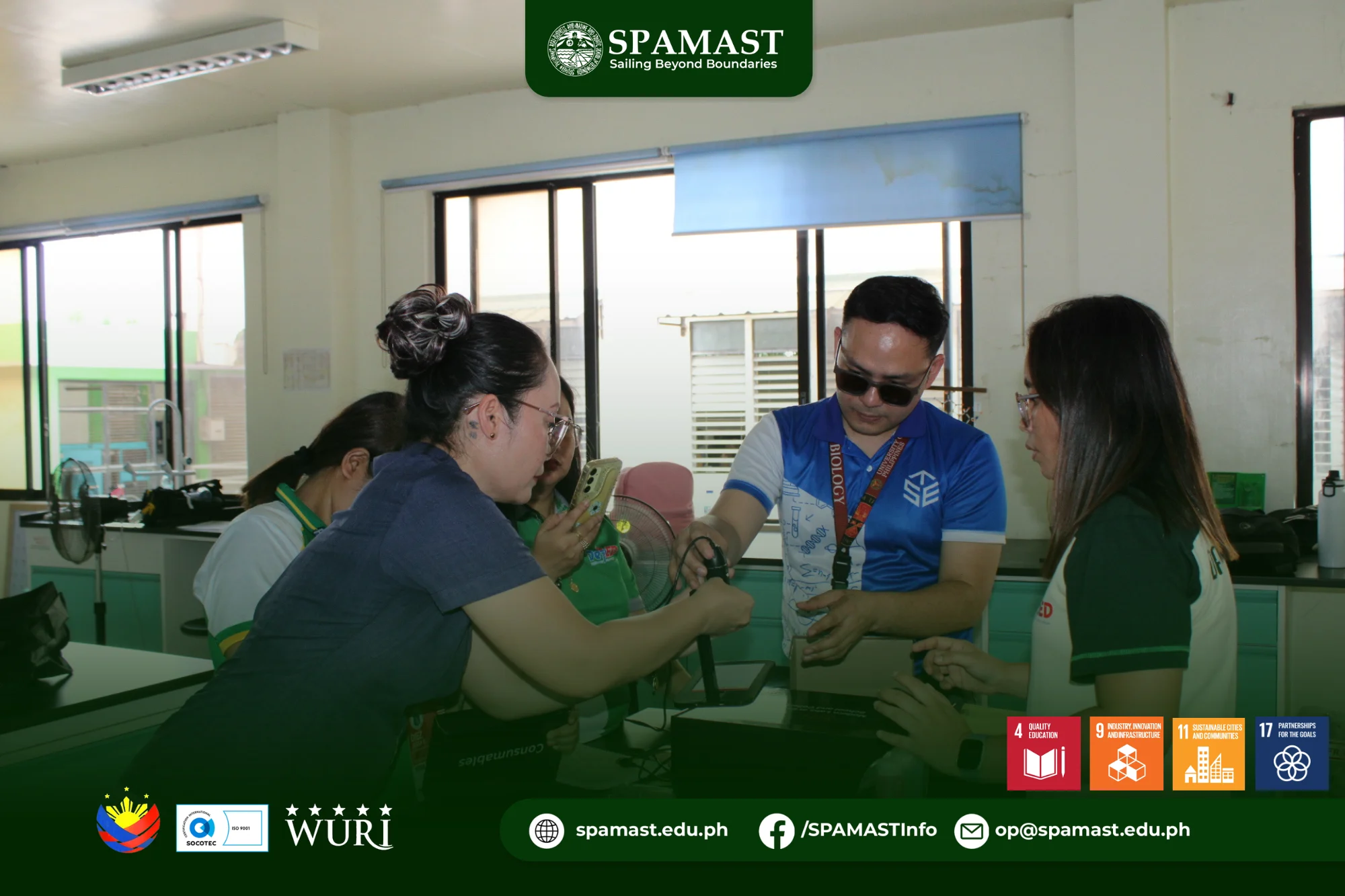
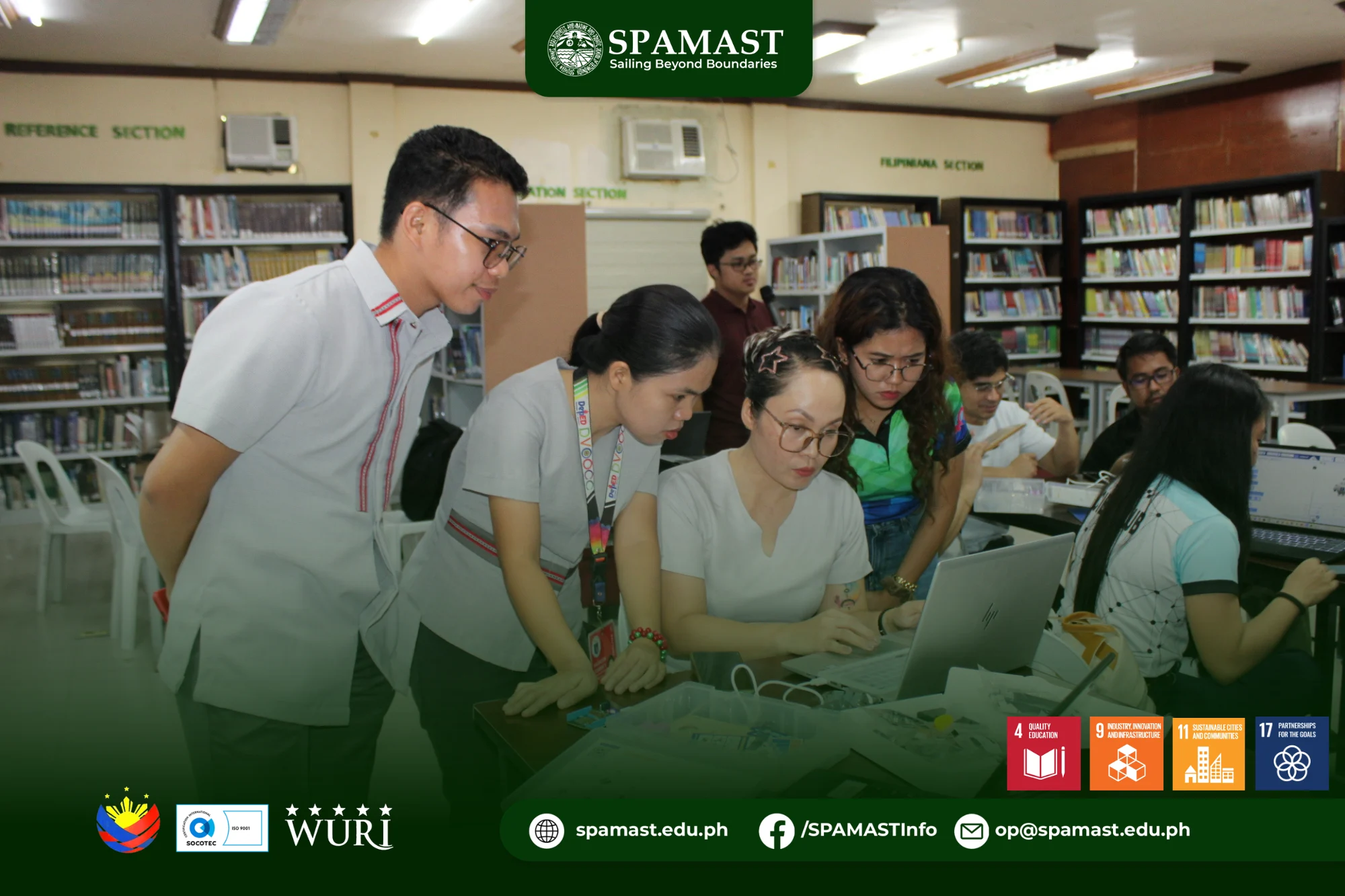
The activities were spearheaded by the Department of Science and Technology (DOST) Davao Occidental, in partnership with SPAMAST, and were participated in by Science teachers from the Department of Education (DepEd) and instructors from SPAMAST.
The trainings were implemented through Project SPARK (Strengthening Partnerships and Advancing Resilient Knowledge through Science, Technology, and Innovation for Smart and Sustainable Communities), with Dr. Grace D. Buencillo as Project Leader. Funded by DOST XI, the project seeks to strengthen science education by equipping educators with innovative tools, technologies, and practical competencies that can be translated into meaningful and immersive learning experiences for students.
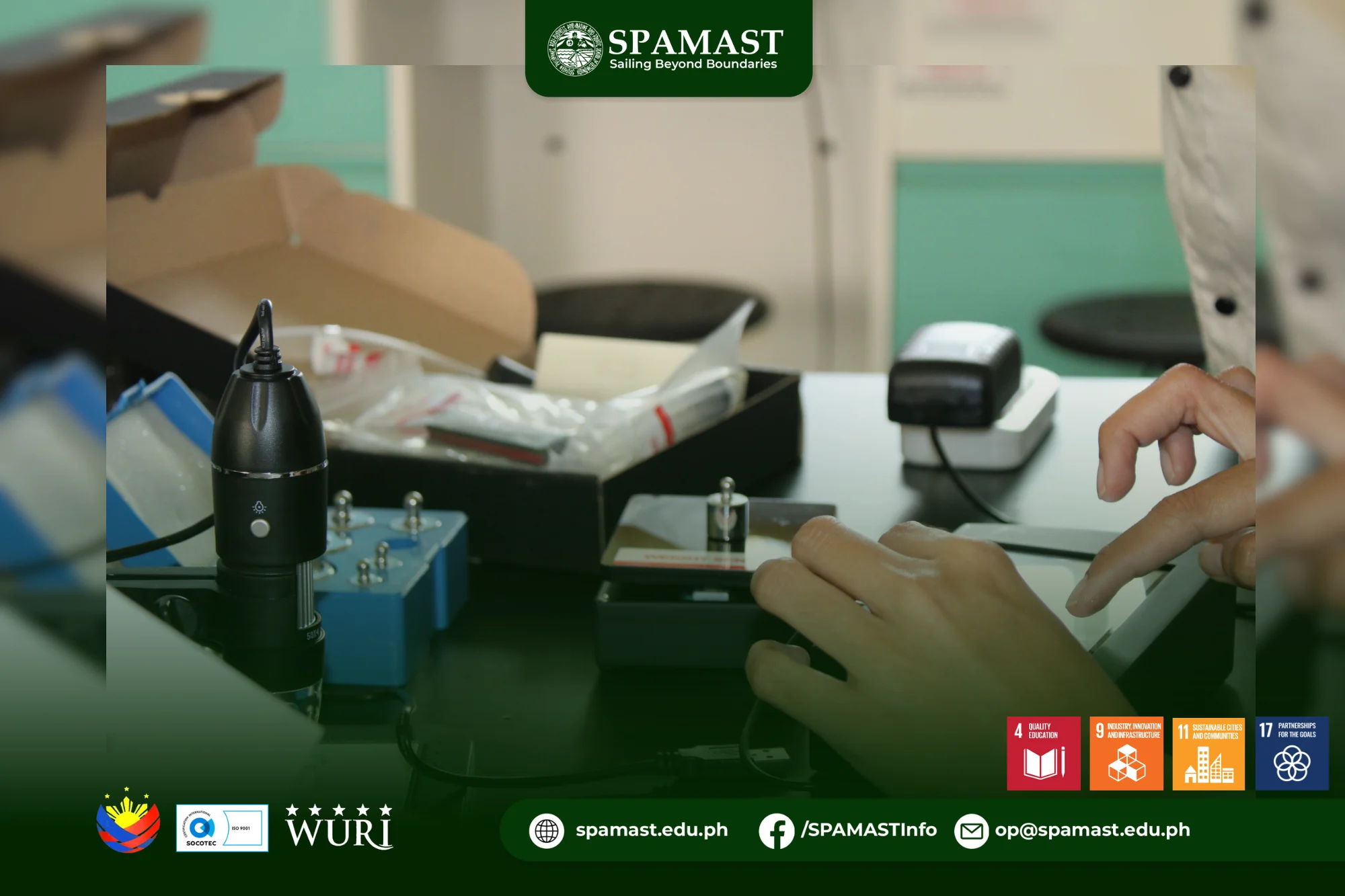
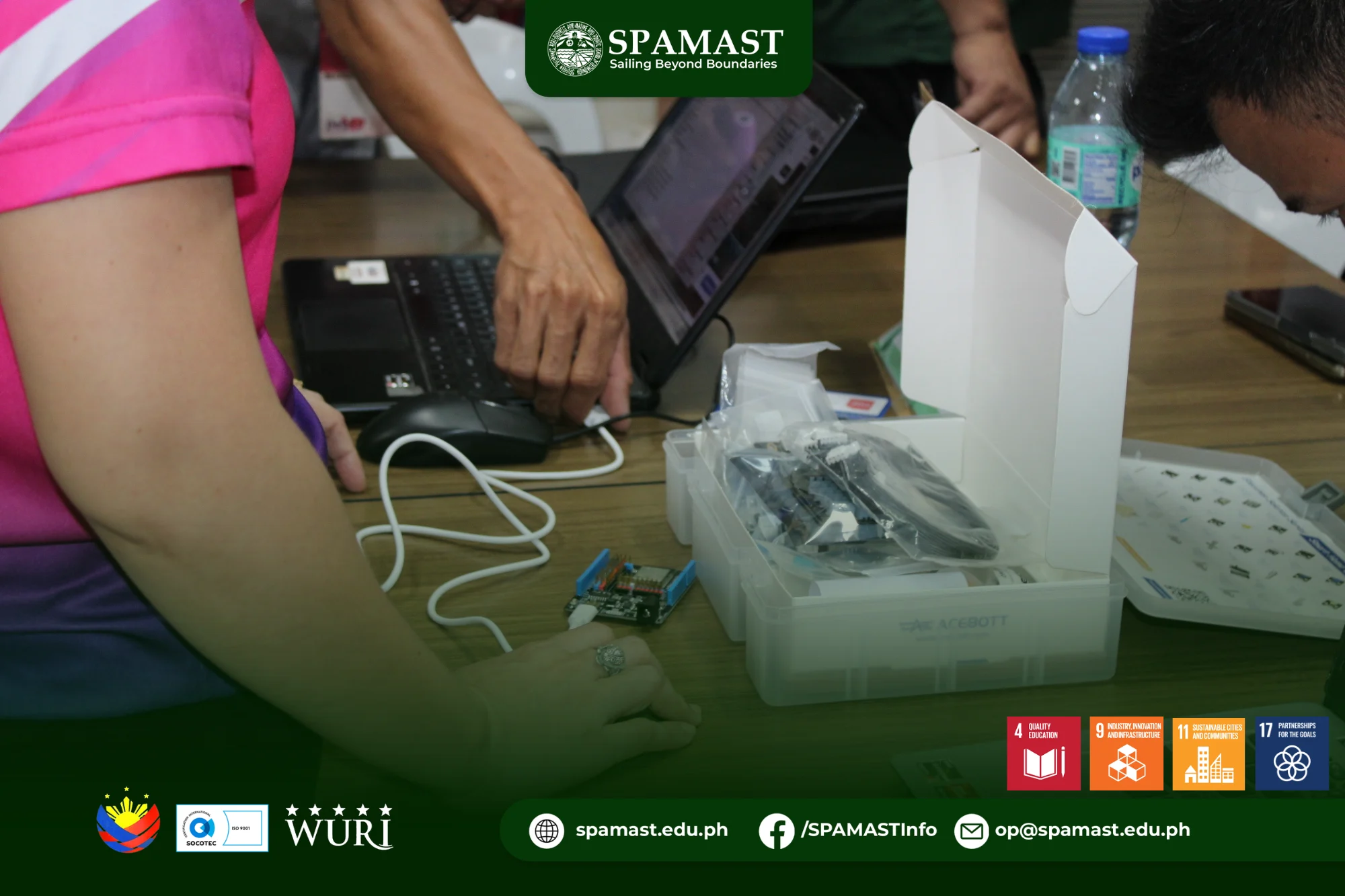
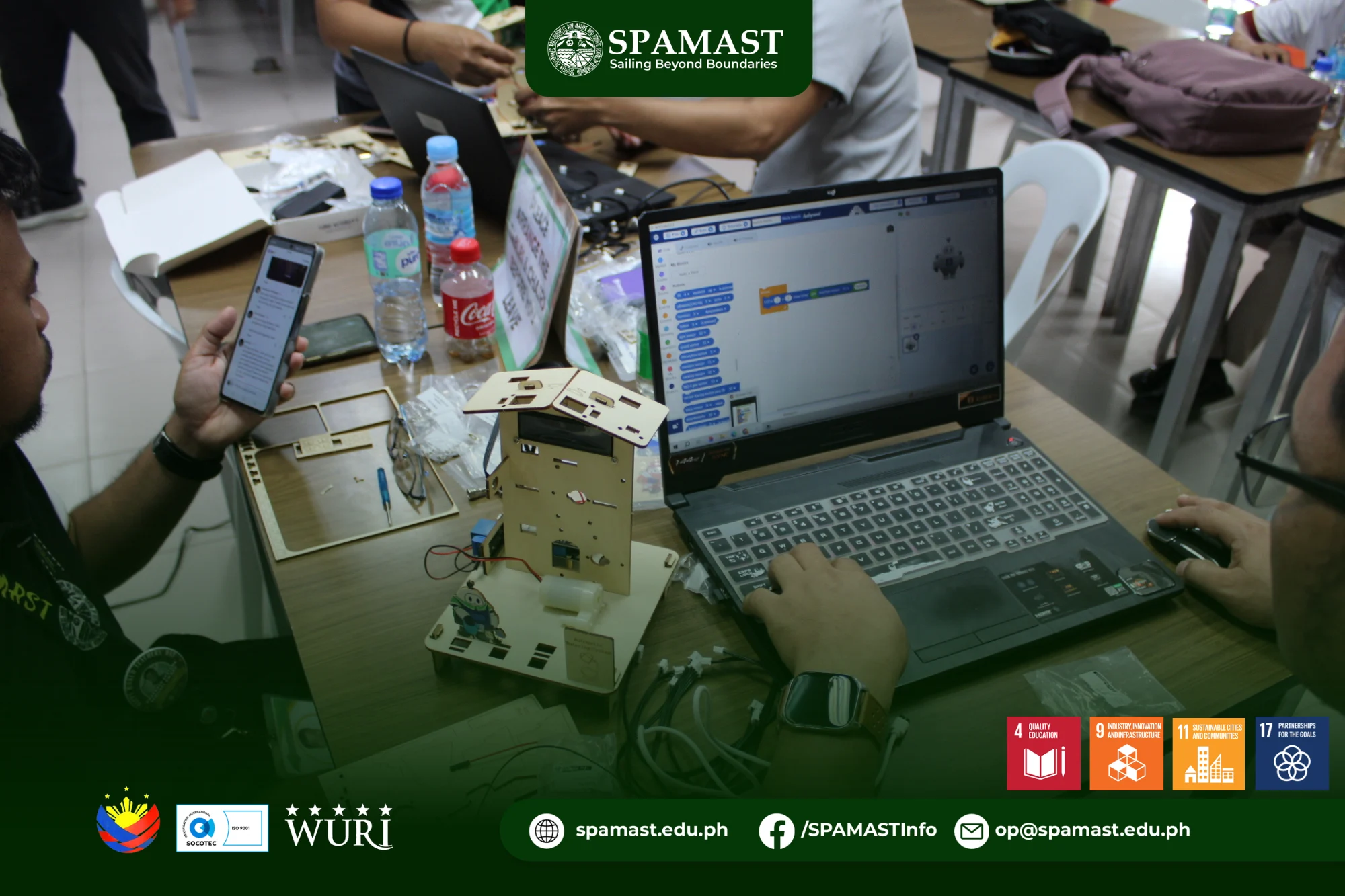
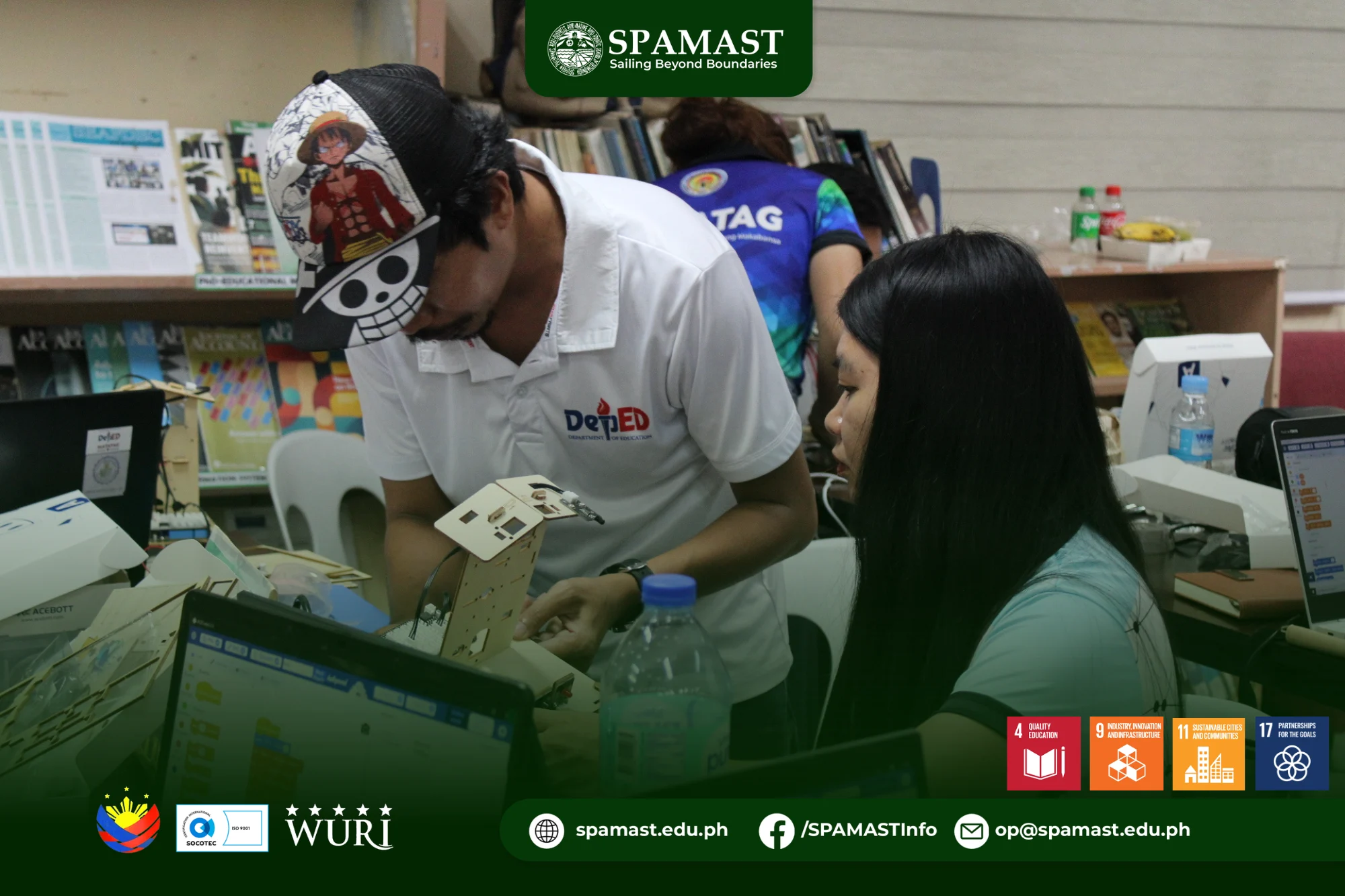
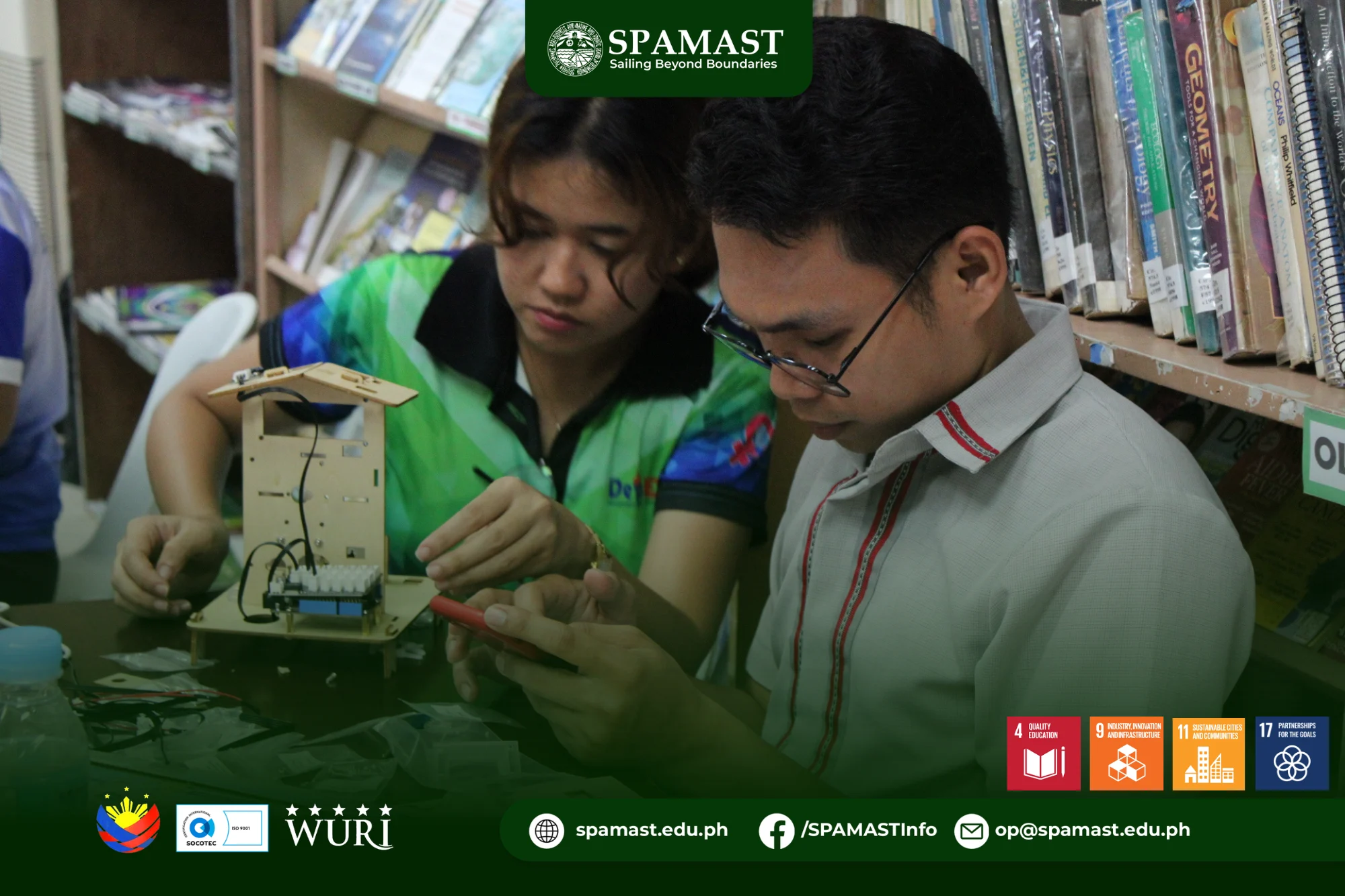
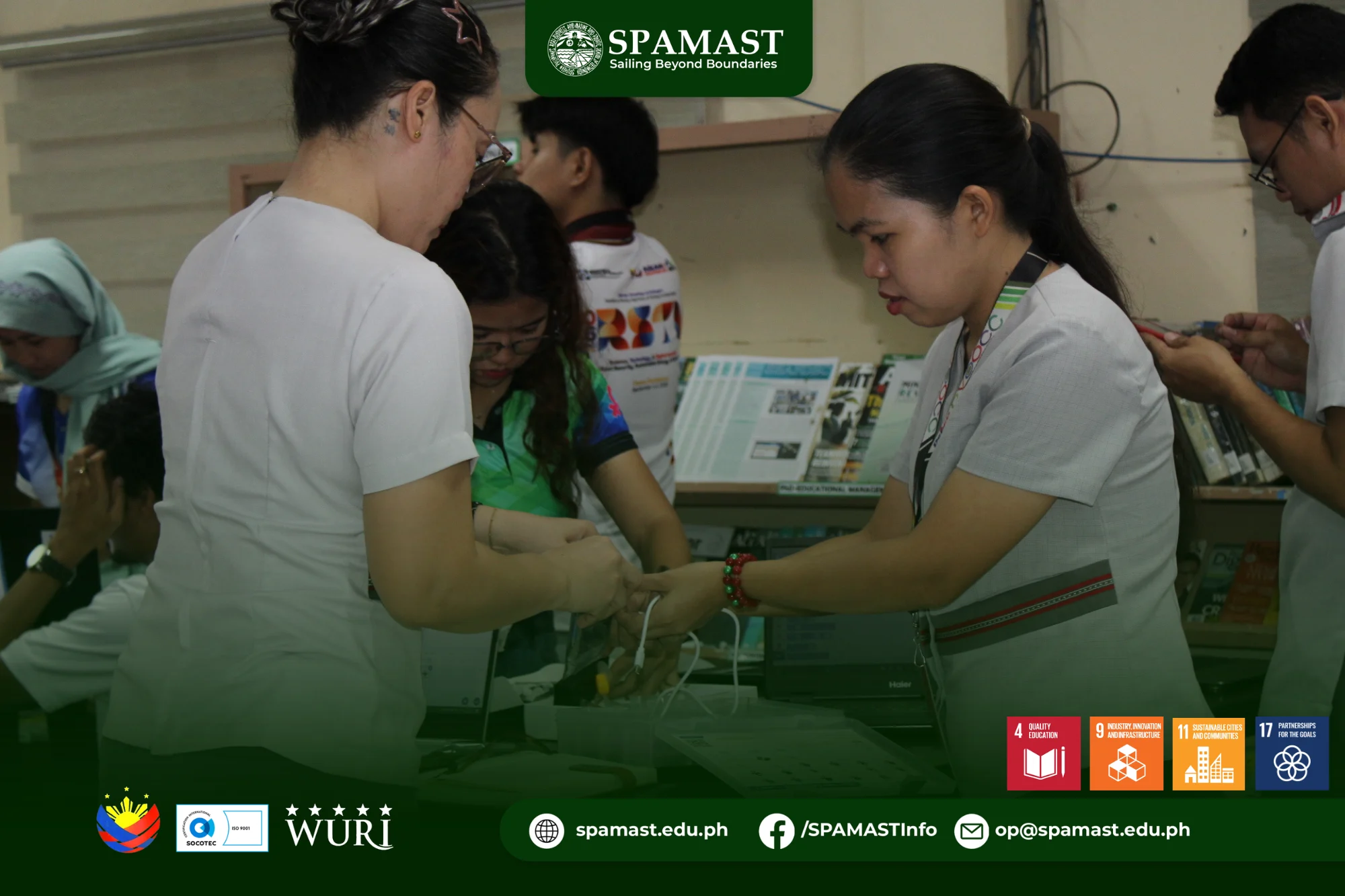
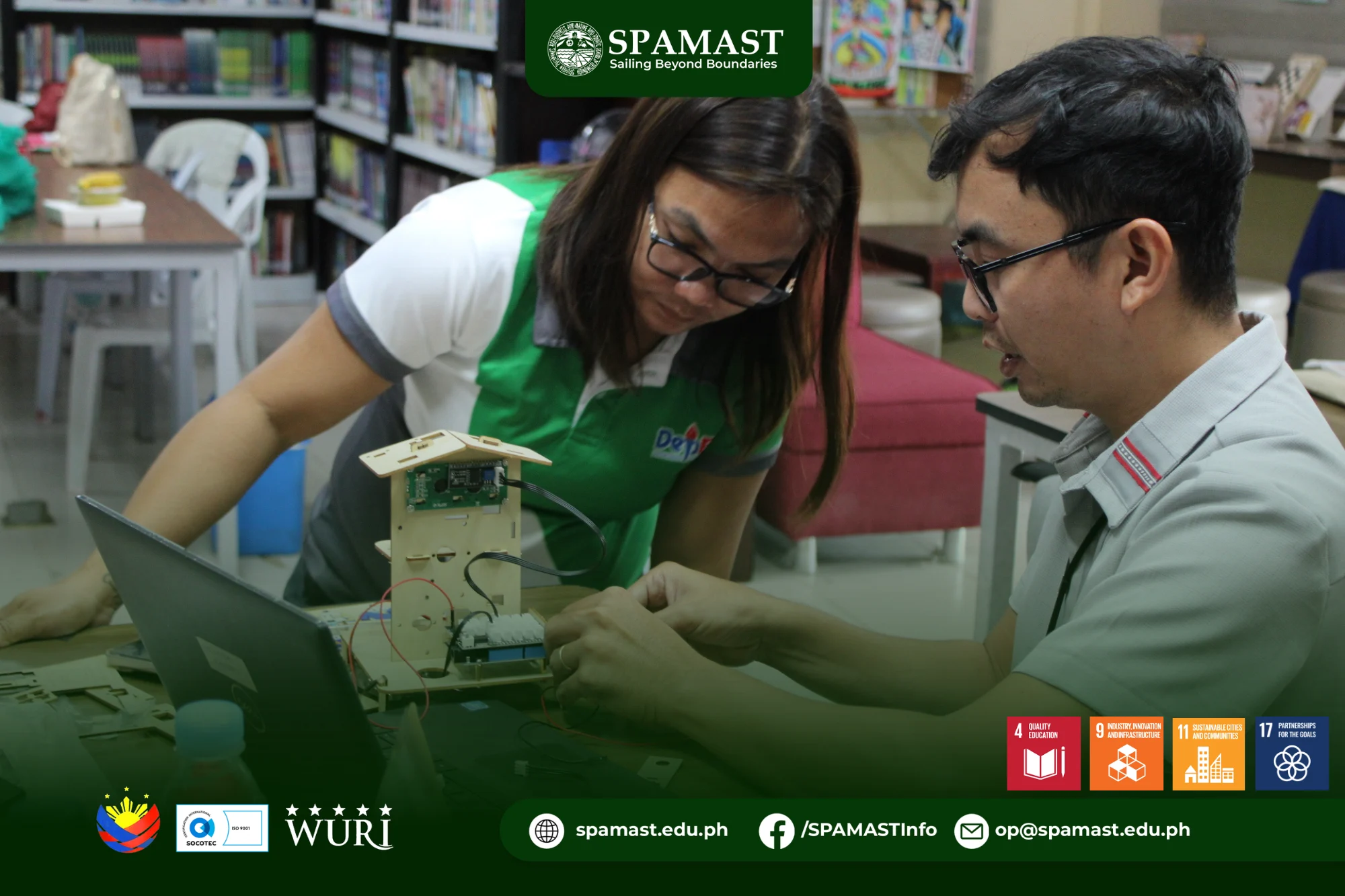
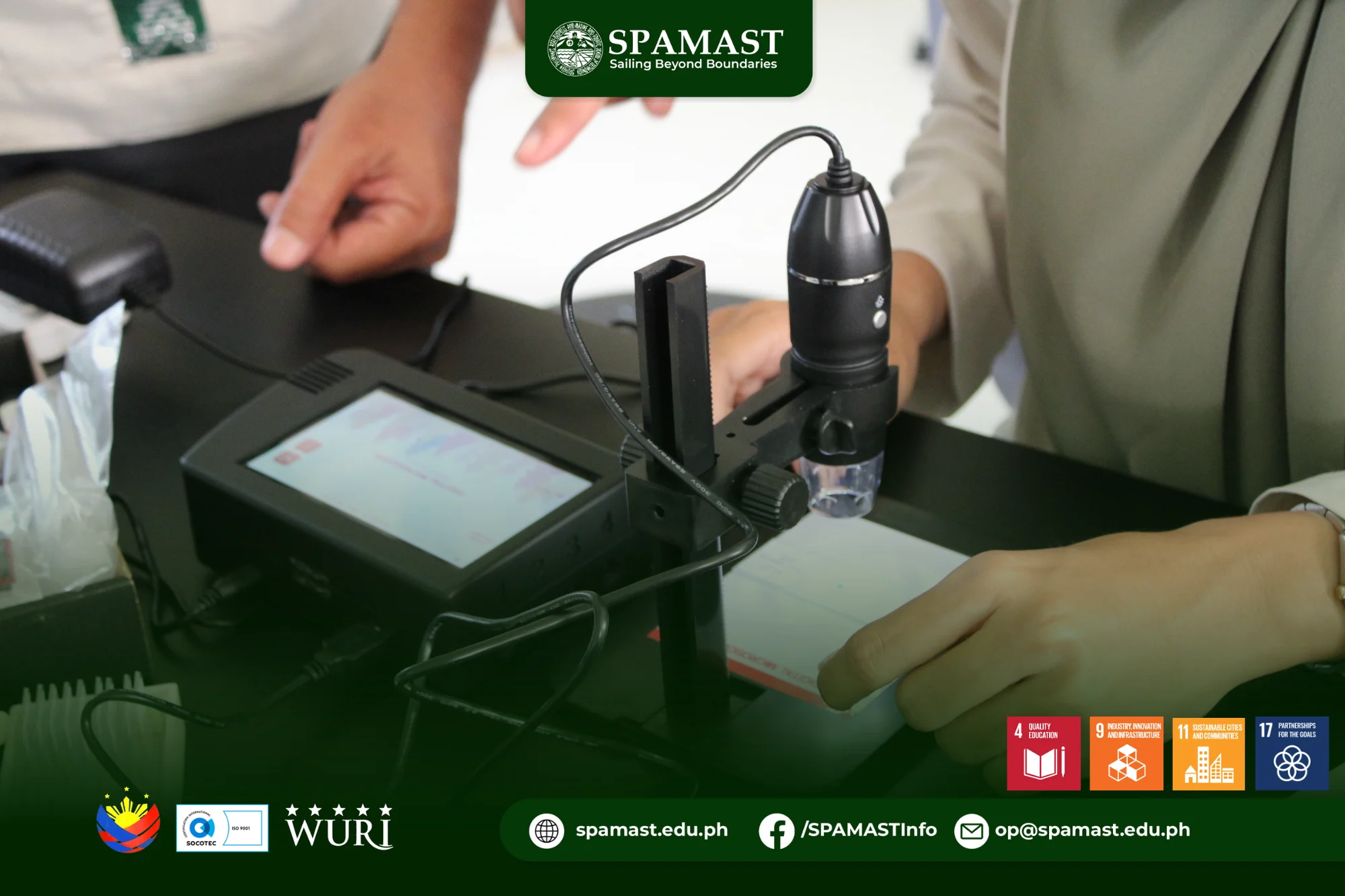
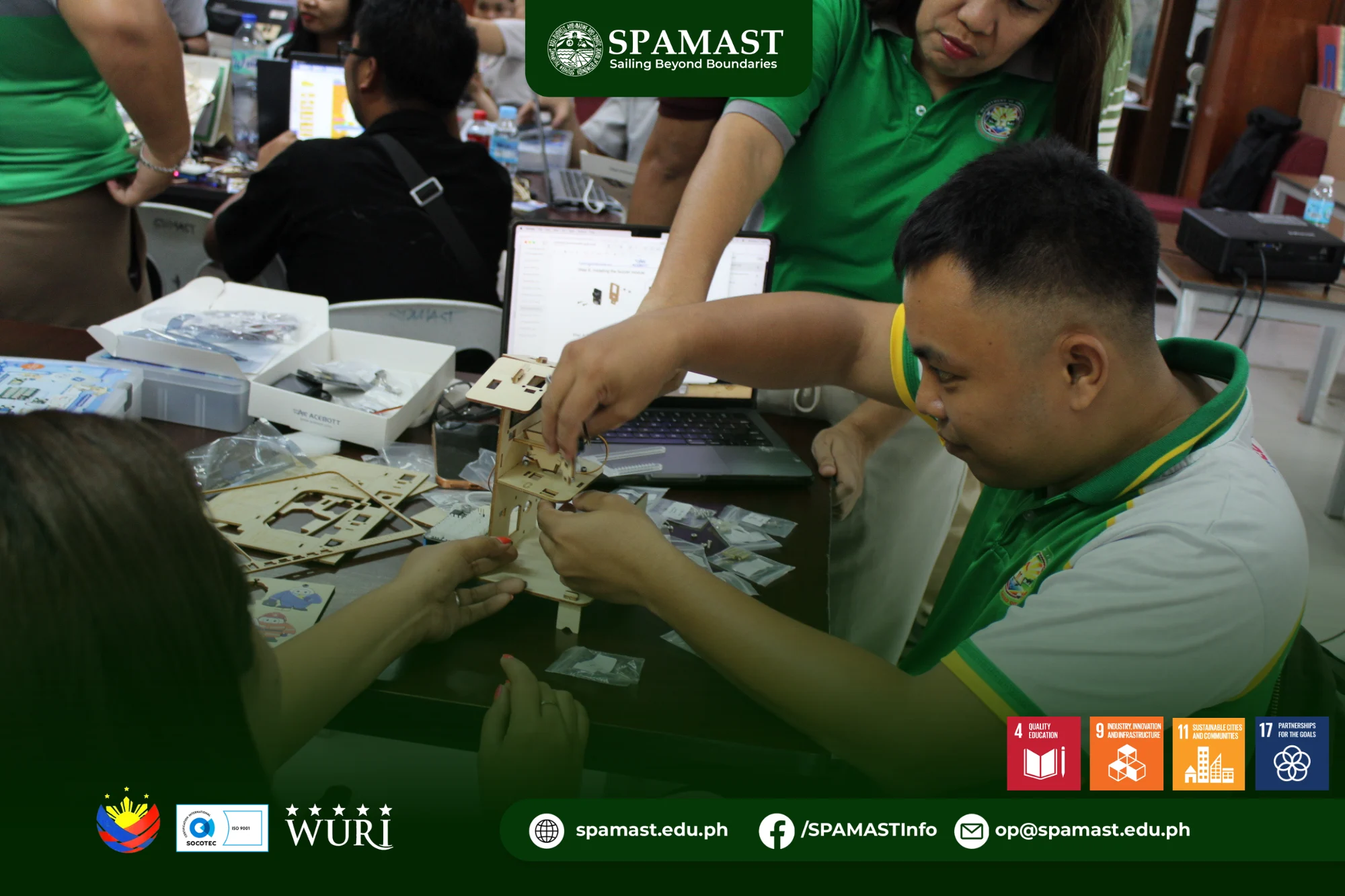
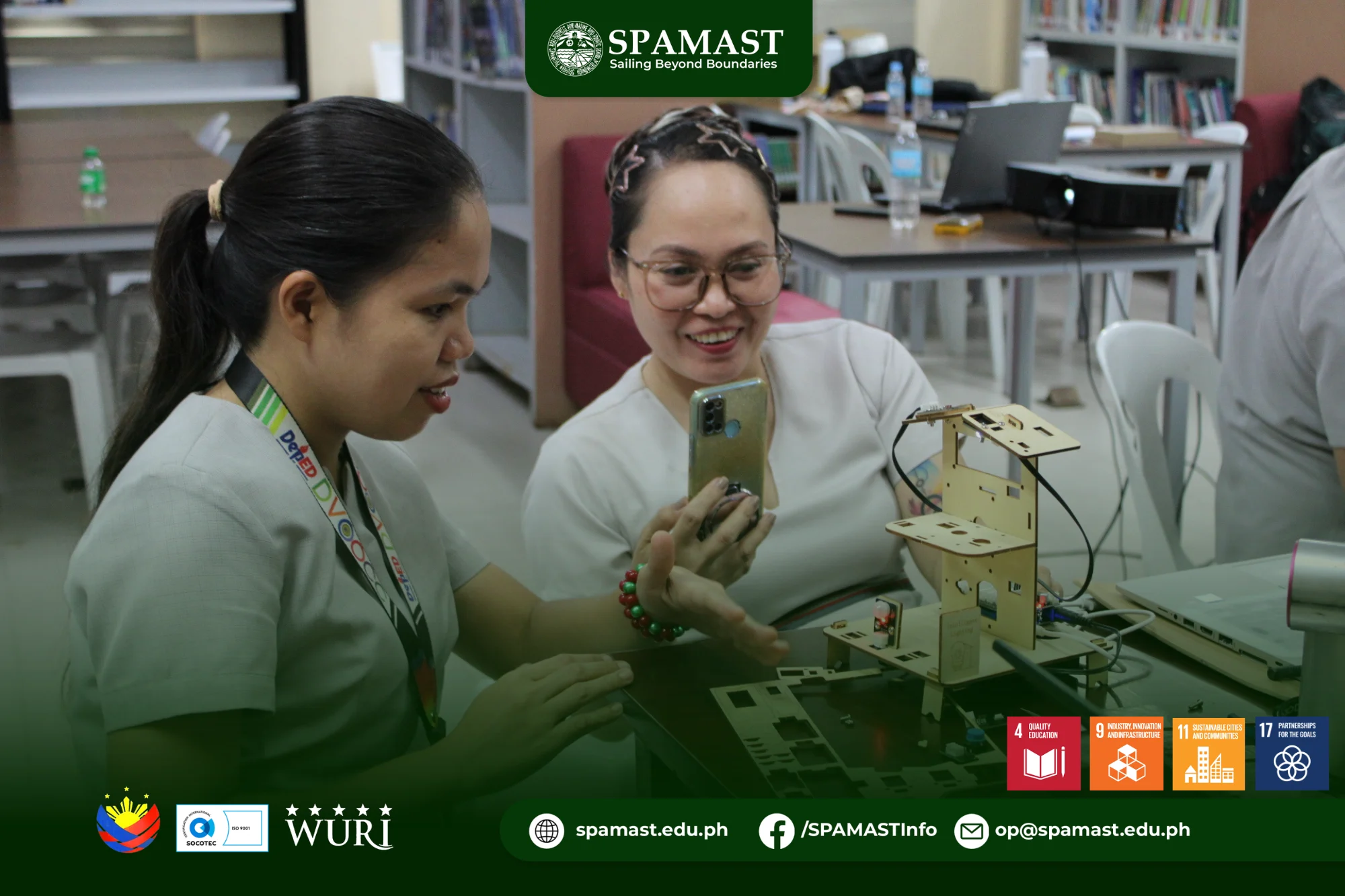
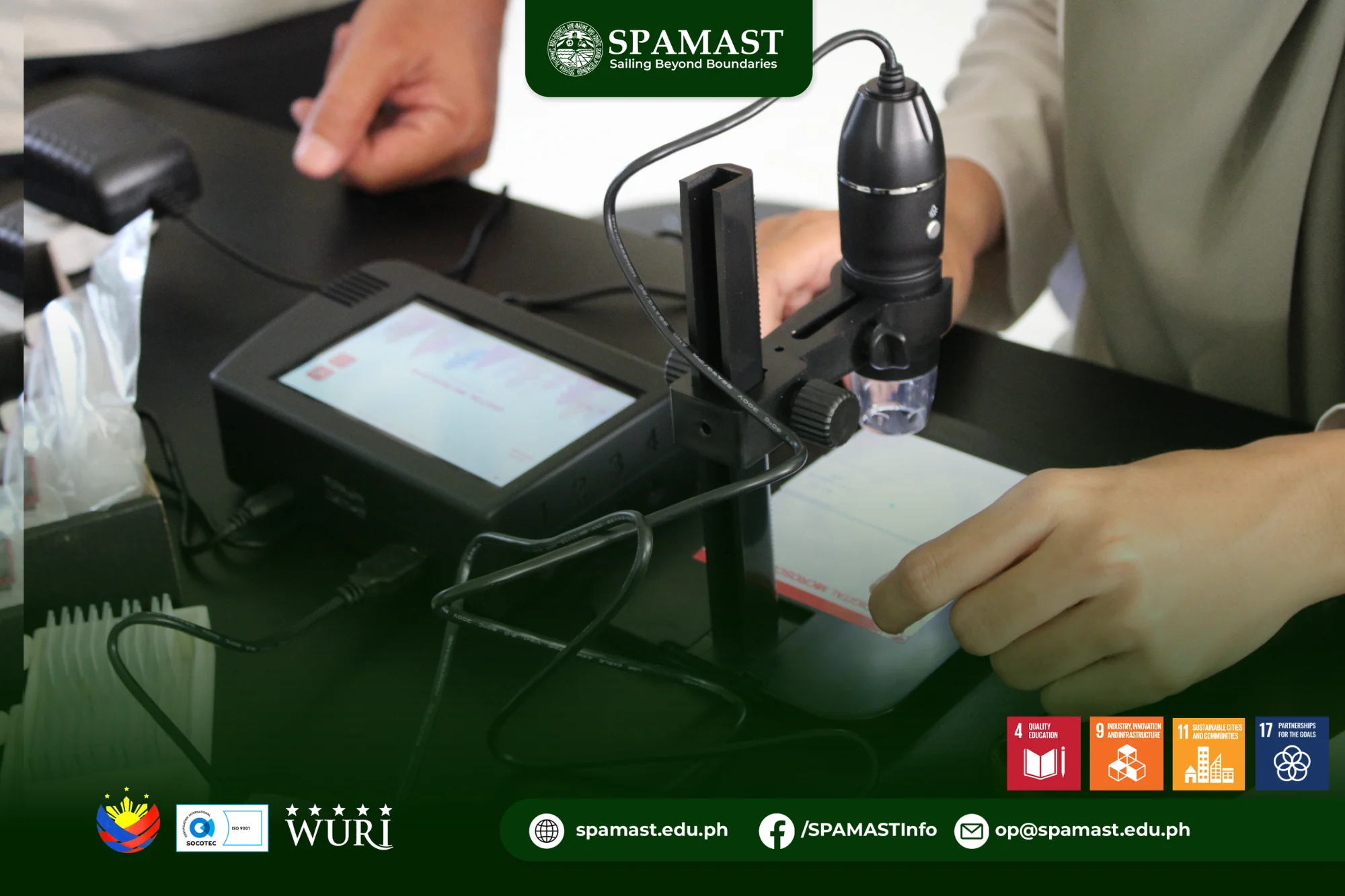
Through the VISSER training, participants were introduced to versatile instrumentation designed to support scientific experimentation, measurement, data gathering, investigation, and research-based learning. The Basic Electronics and Robotics Training, meanwhile, provided participants with foundational competencies in electronics and robotics, encouraging them to engage in practical activities involving circuitry, automation, programming, and technology-driven problem solving.
Beyond technical proficiency, the trainings emphasized the development of creativity, critical thinking, inquiry, collaboration, and problem-solving skills. By giving educators opportunities to work directly with emerging technologies, the initiative aims to create learning environments where students can move beyond simply understanding scientific concepts toward actively applying, testing, designing, and innovating.
The initiative likewise demonstrates the value of collaborative action in strengthening STEM education in the province. Through the partnership among DOST Davao Occidental, DepEd, and SPAMAST, resources and expertise are brought closer to teachers and learners, creating opportunities for sustained science and technology education and innovation.
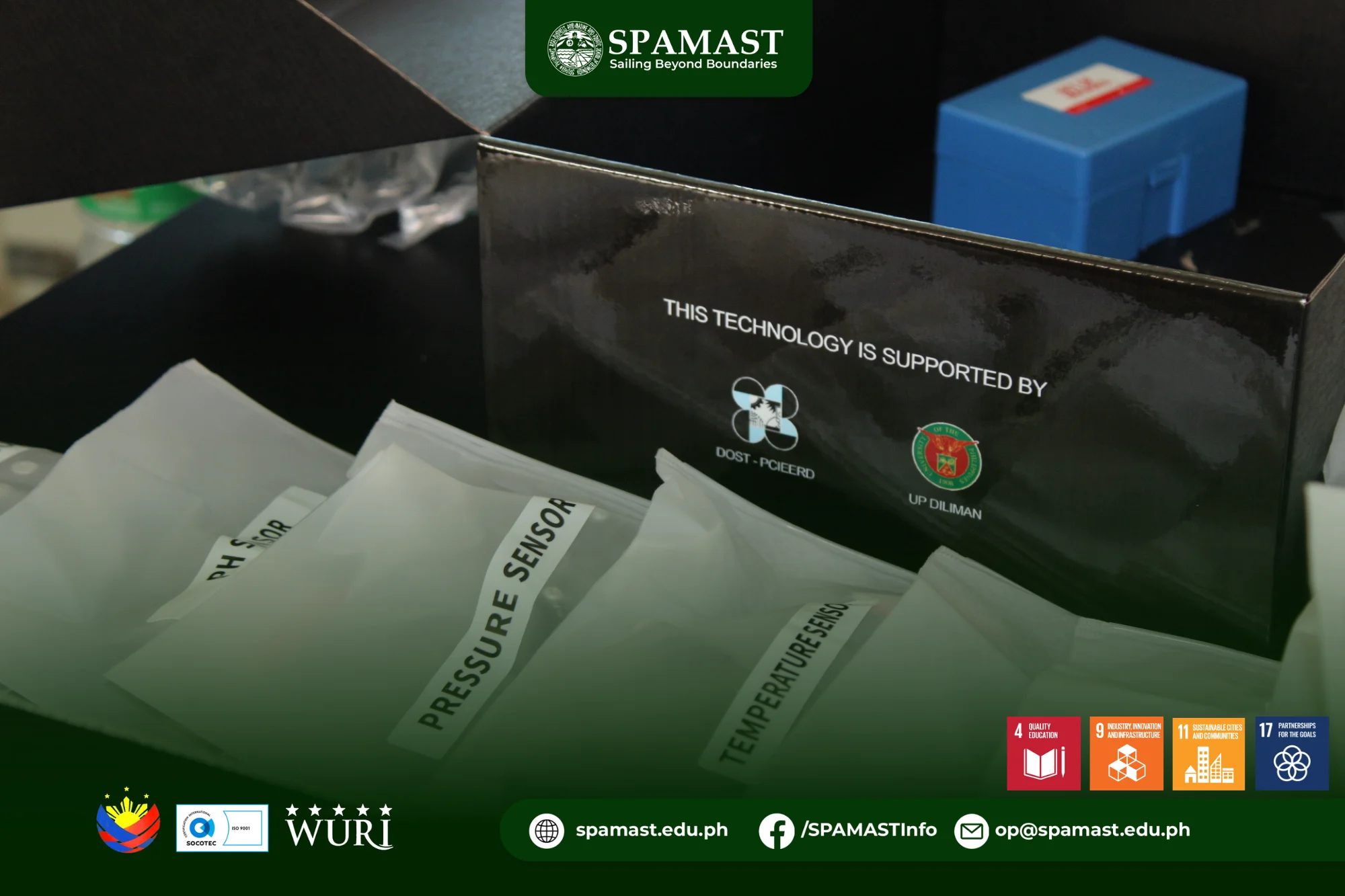
Following the completion of the trainings, VISSER and Robotics Kits were provided to identified beneficiary schools and SPAMAST. These resources are expected to support continuing hands-on activities, classroom demonstrations, experimentation, research, and innovation initiatives, extending the impact of the training beyond the two-day activity.
The initiative represents more than the distribution of technology—it is an investment in people, knowledge, and the future of science education in Davao Occidental. By empowering teachers with innovative tools and skills, the province strengthens its capacity to nurture learners who are curious, creative, technologically capable, and prepared to respond to emerging challenges through science and innovation.
Through Project SPARK, Davao Occidental continues to foster a culture where science becomes experiential, technology becomes accessible, and innovation becomes a shared responsibility—laying stronger foundations for smart, resilient, and sustainable communities.
The initiative contributes to the attainment of the Sustainable Development Goals (SDGs), particularly SDG 4: Quality Education, by enhancing teachers’ capabilities and promoting innovative, inclusive, and experiential STEM learning; SDG 9: Industry, Innovation and Infrastructure, through the advancement of science, technology, electronics, robotics, and research; SDG 11: Sustainable Cities and Communities, by strengthening technological competencies that support smart, resilient, and sustainable communities; and SDG 17: Partnerships for the Goals, through the collaborative efforts of DOST Davao Occidental, DepEd, SPAMAST, and beneficiary schools in advancing science, technology, and innovation for sustainable development.