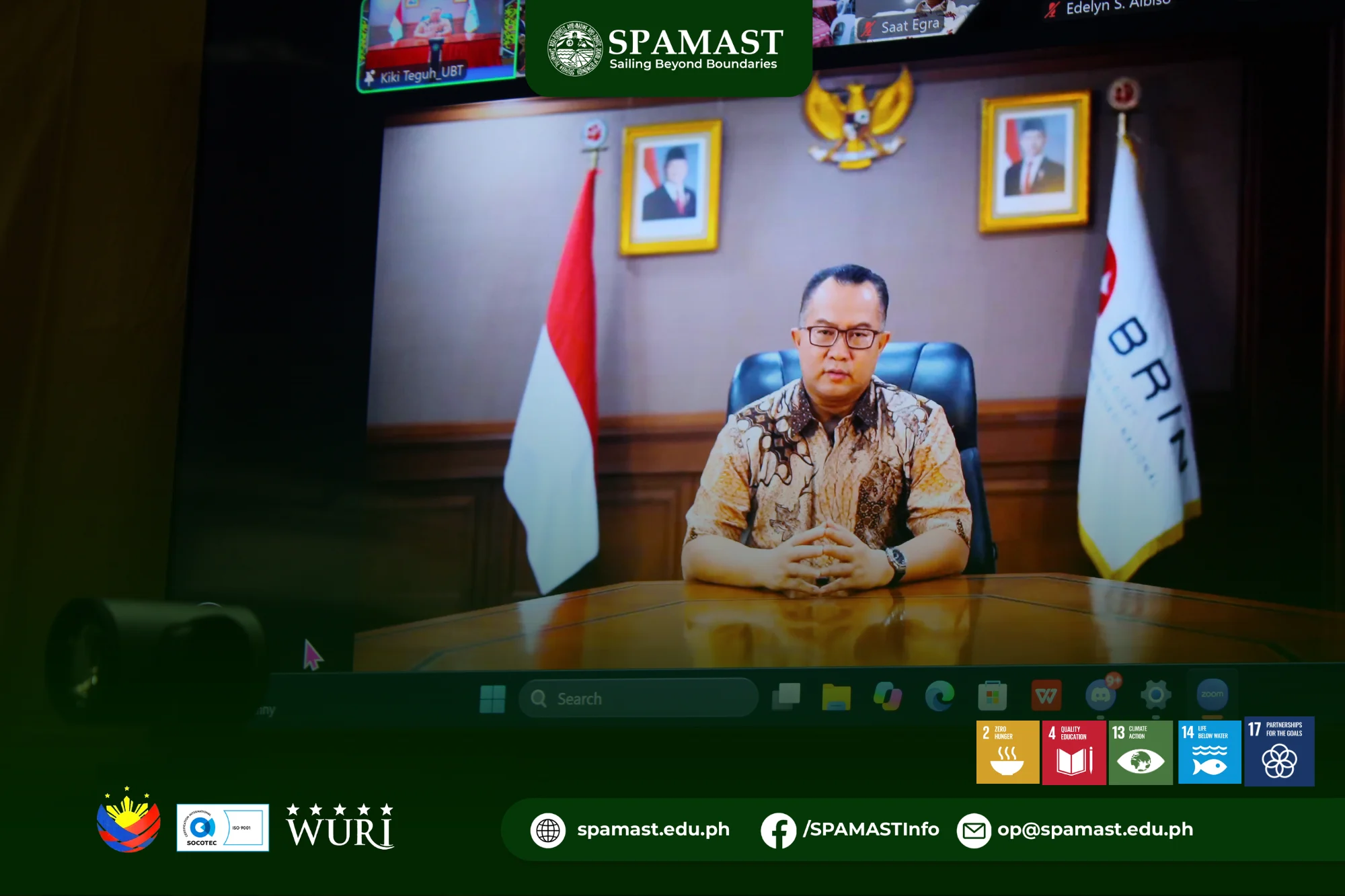
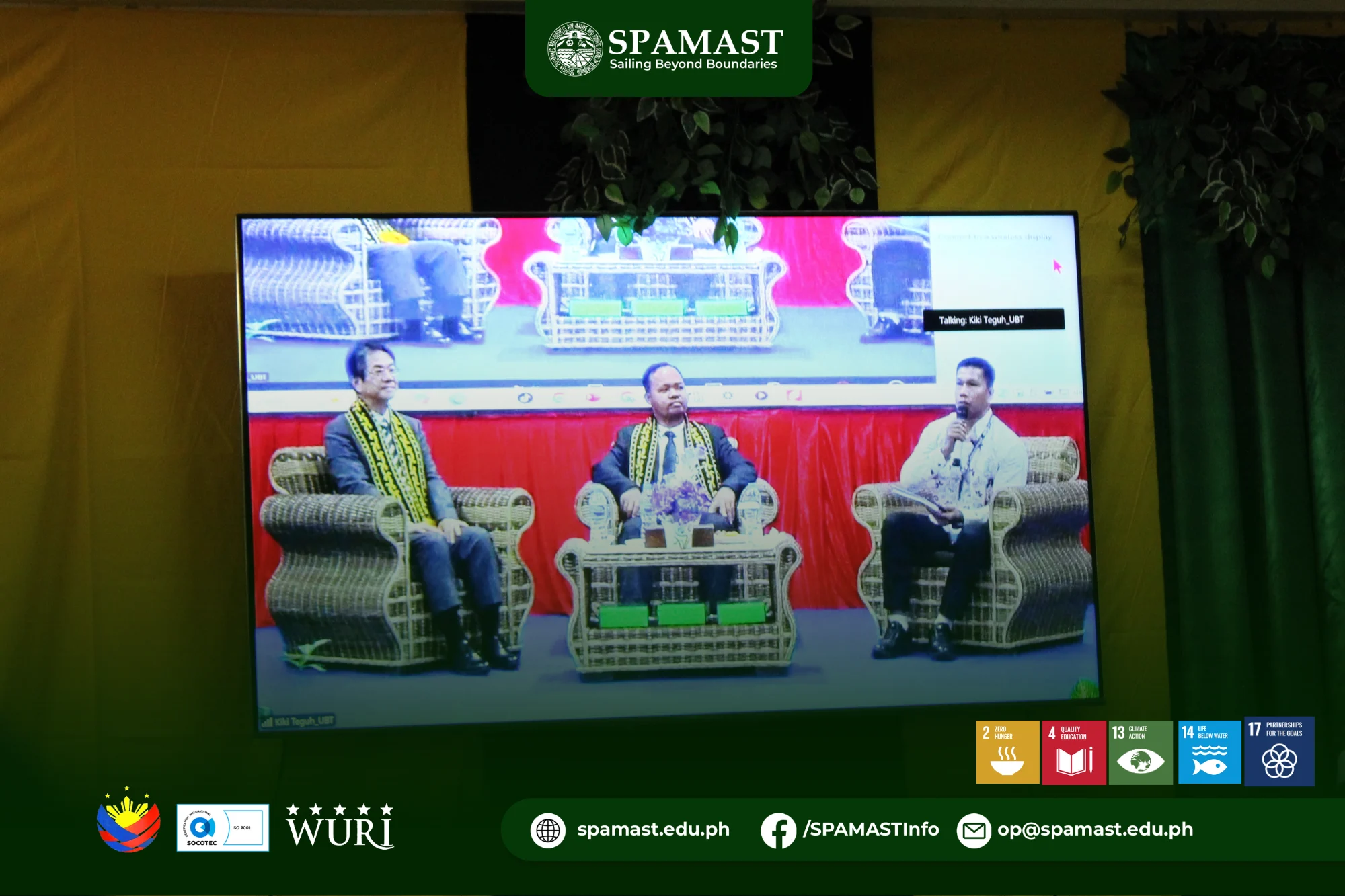
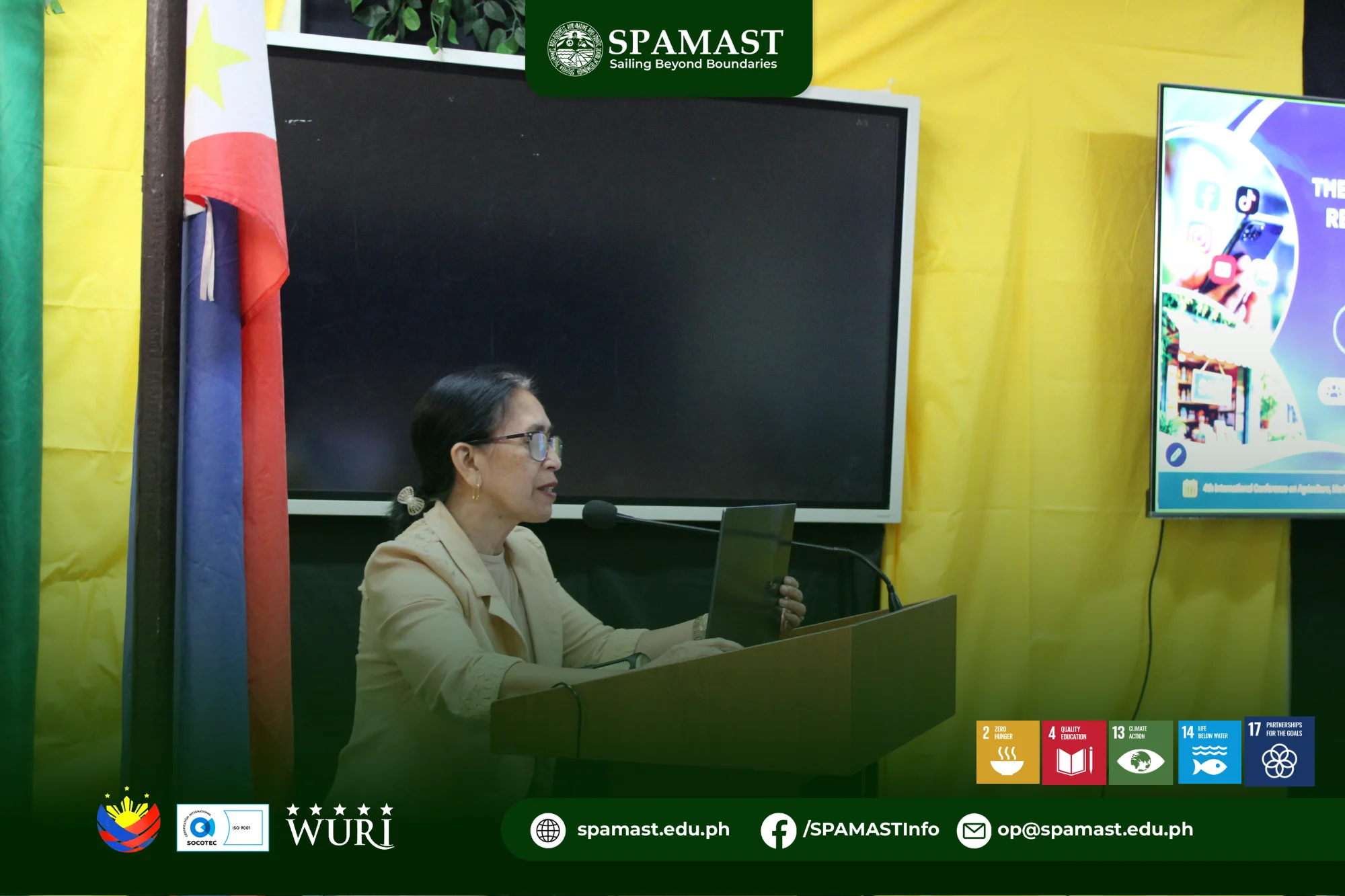
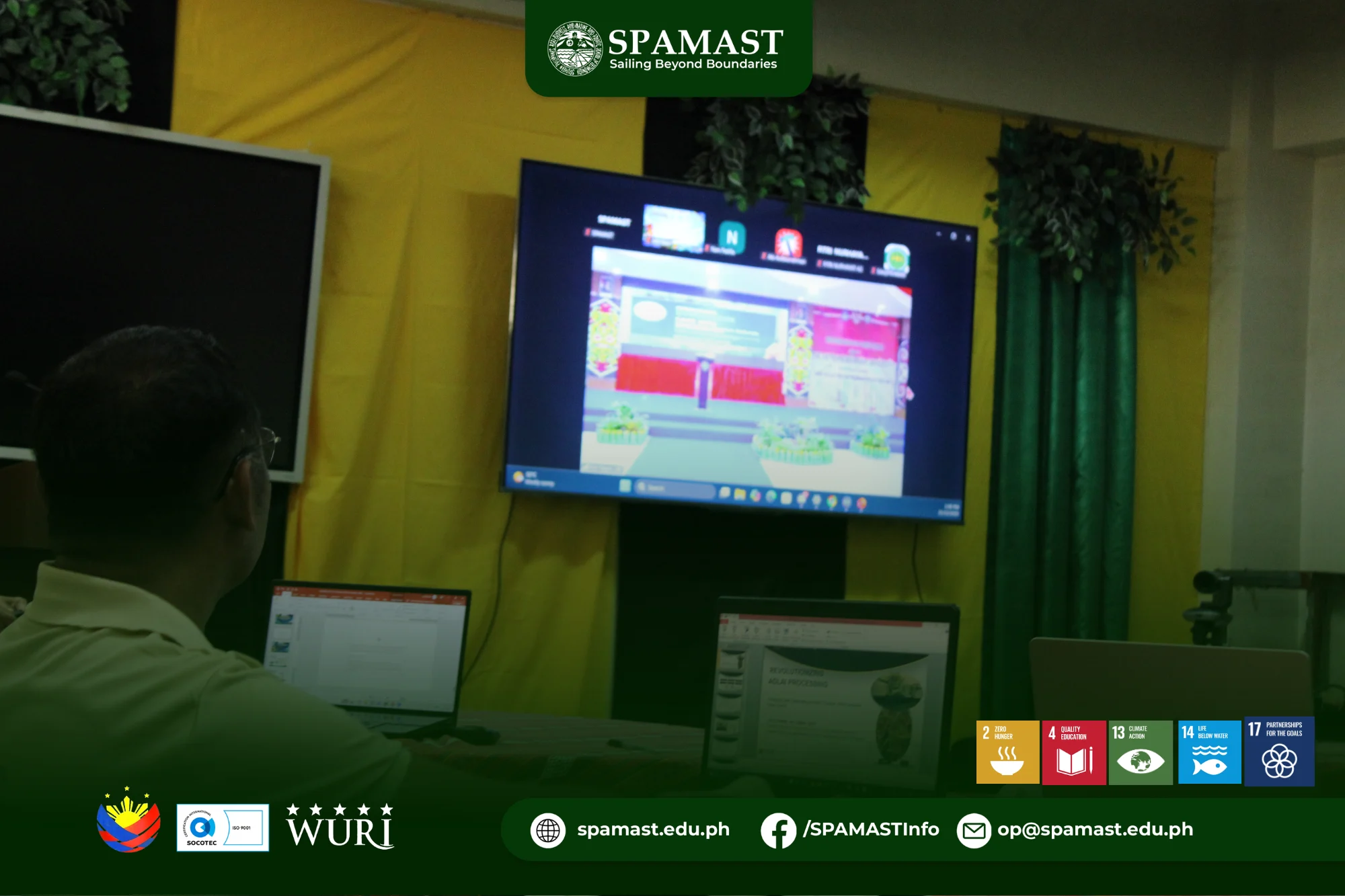
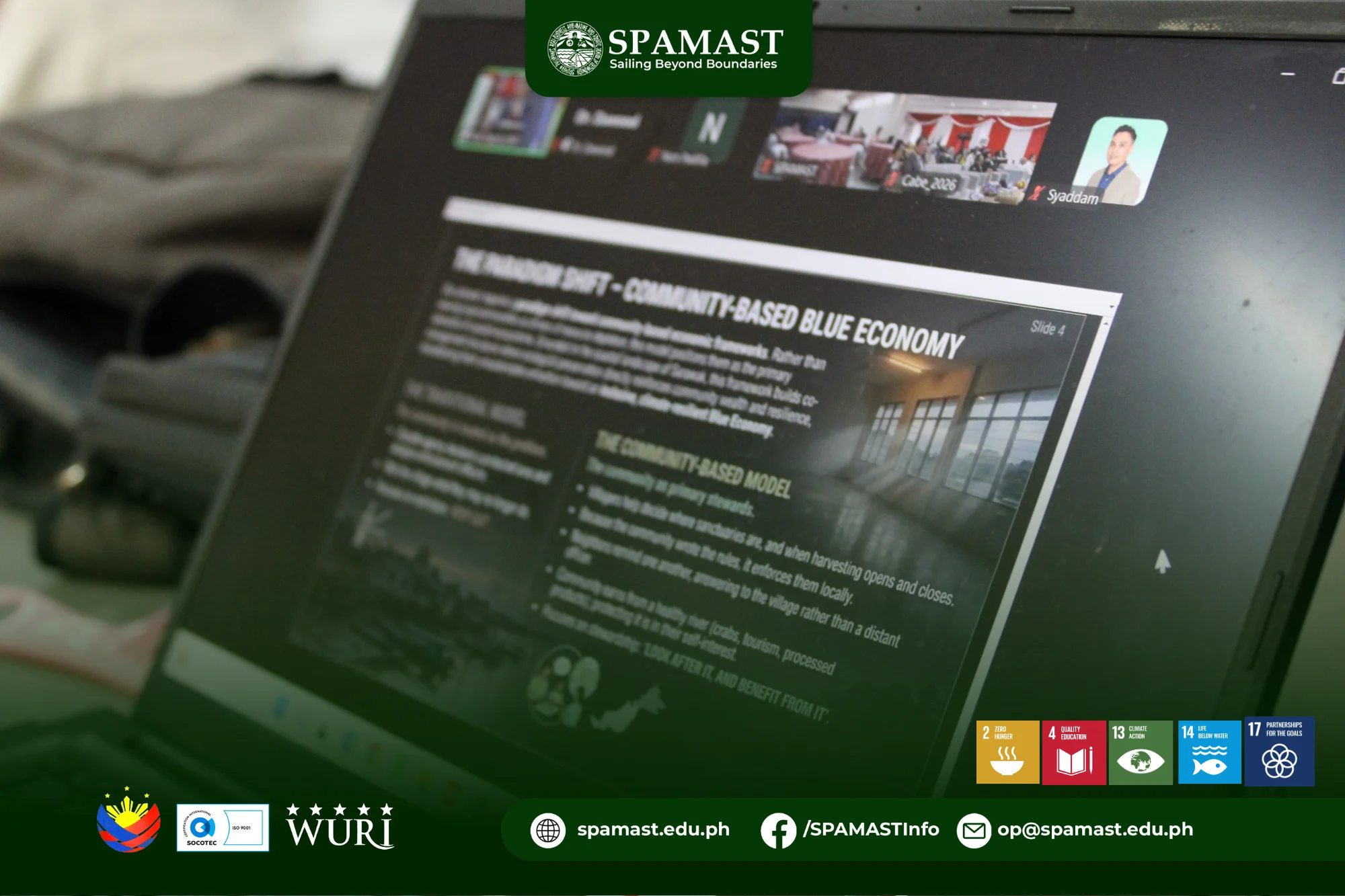
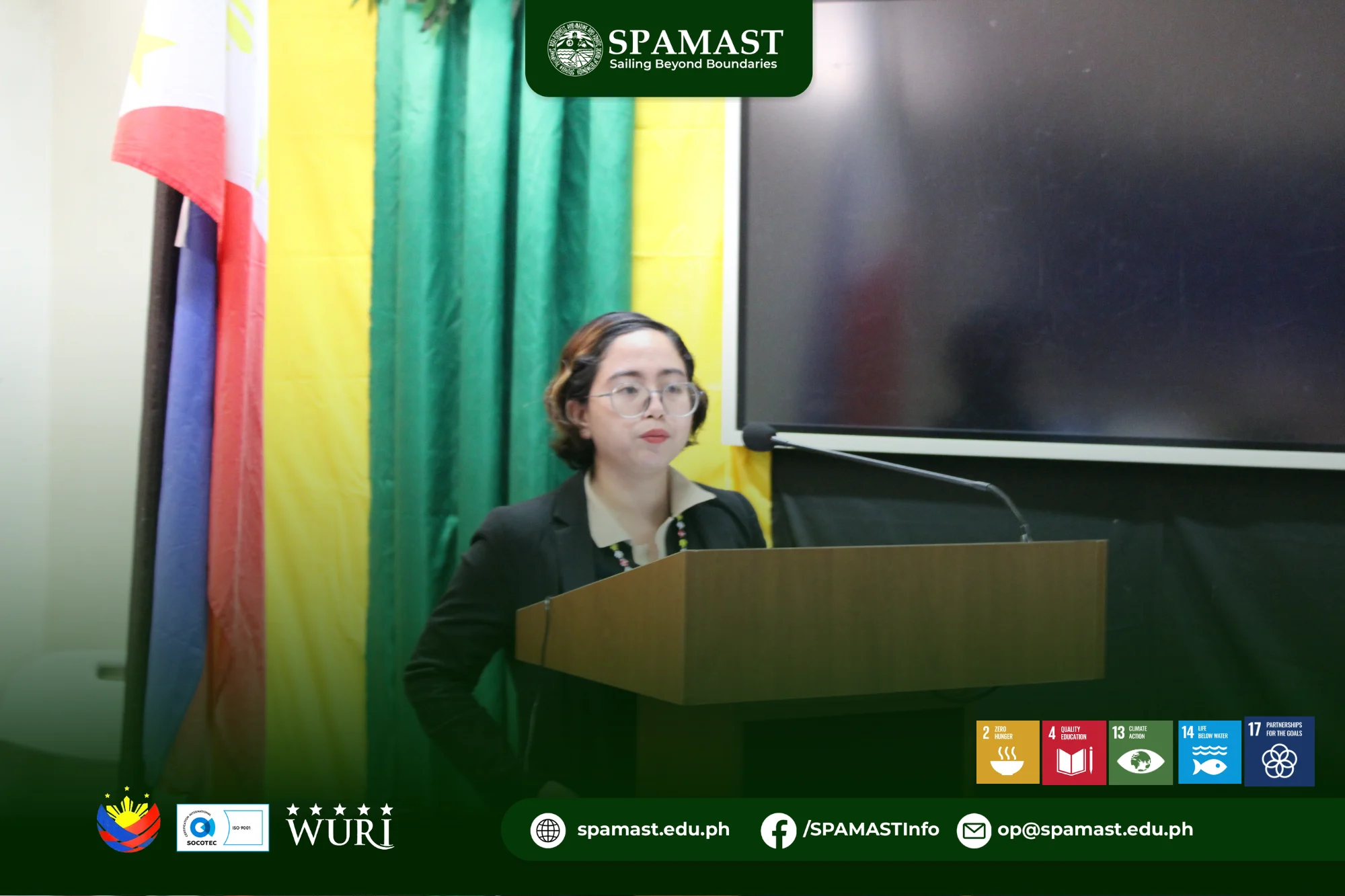
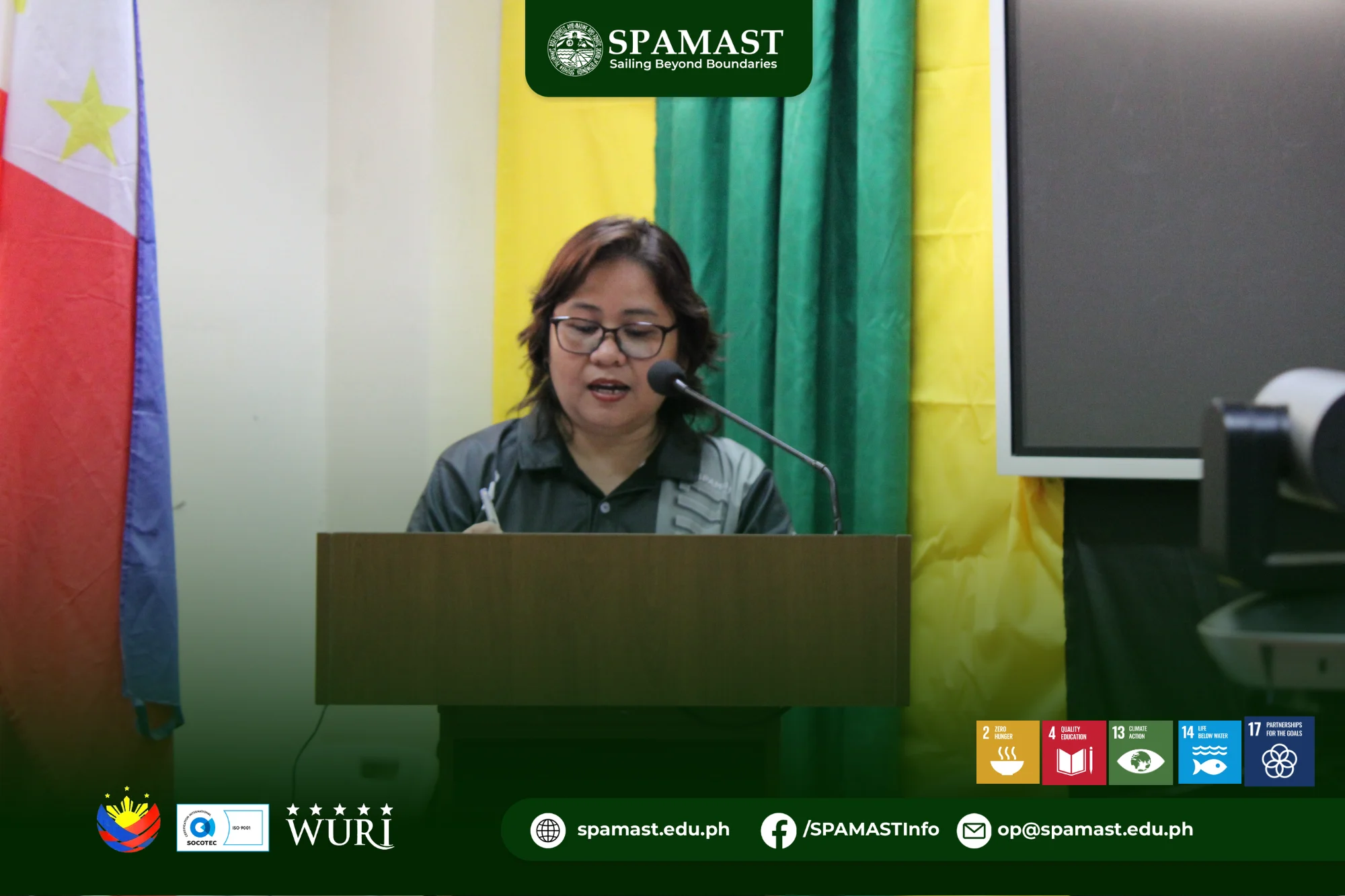
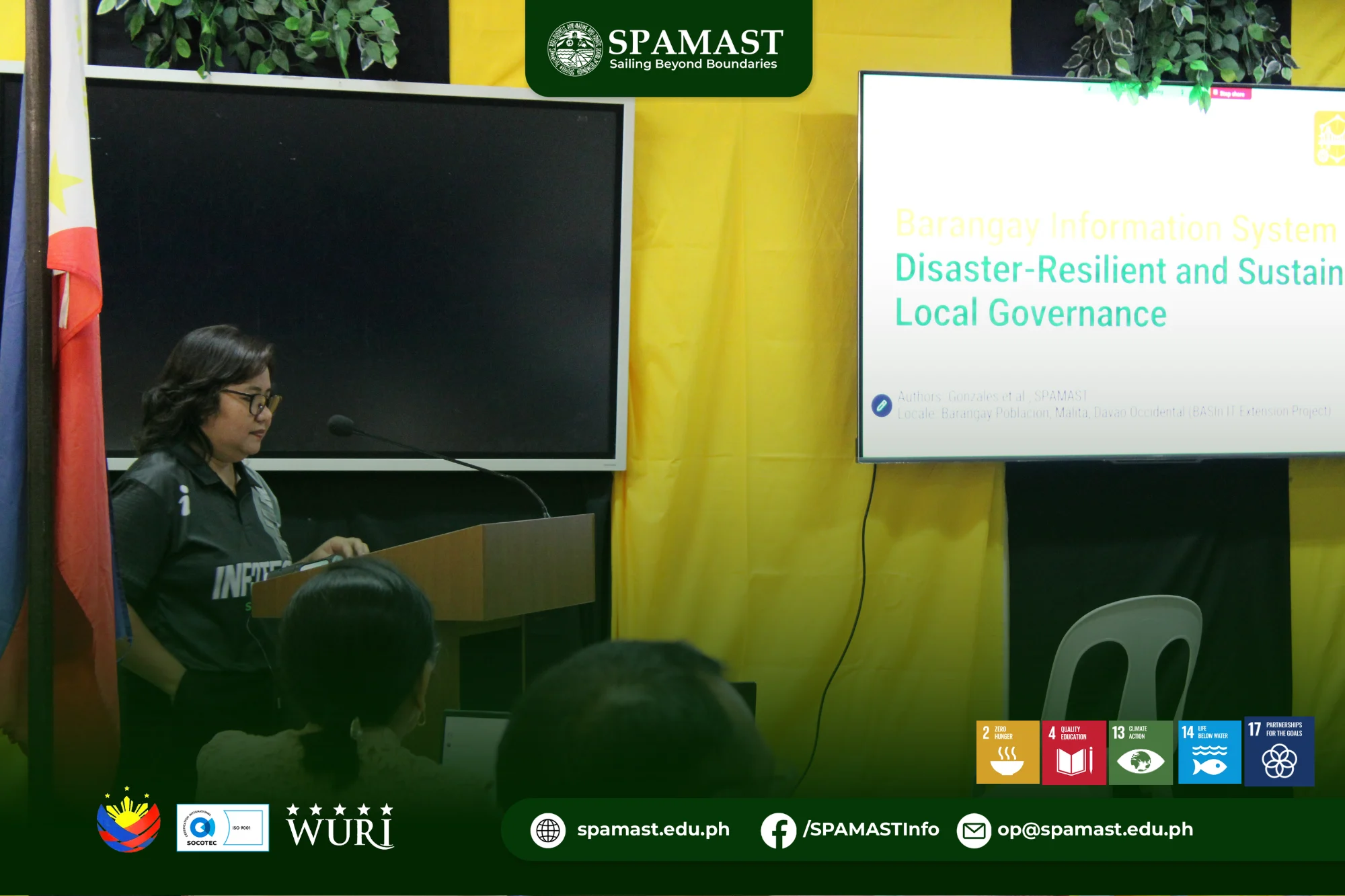
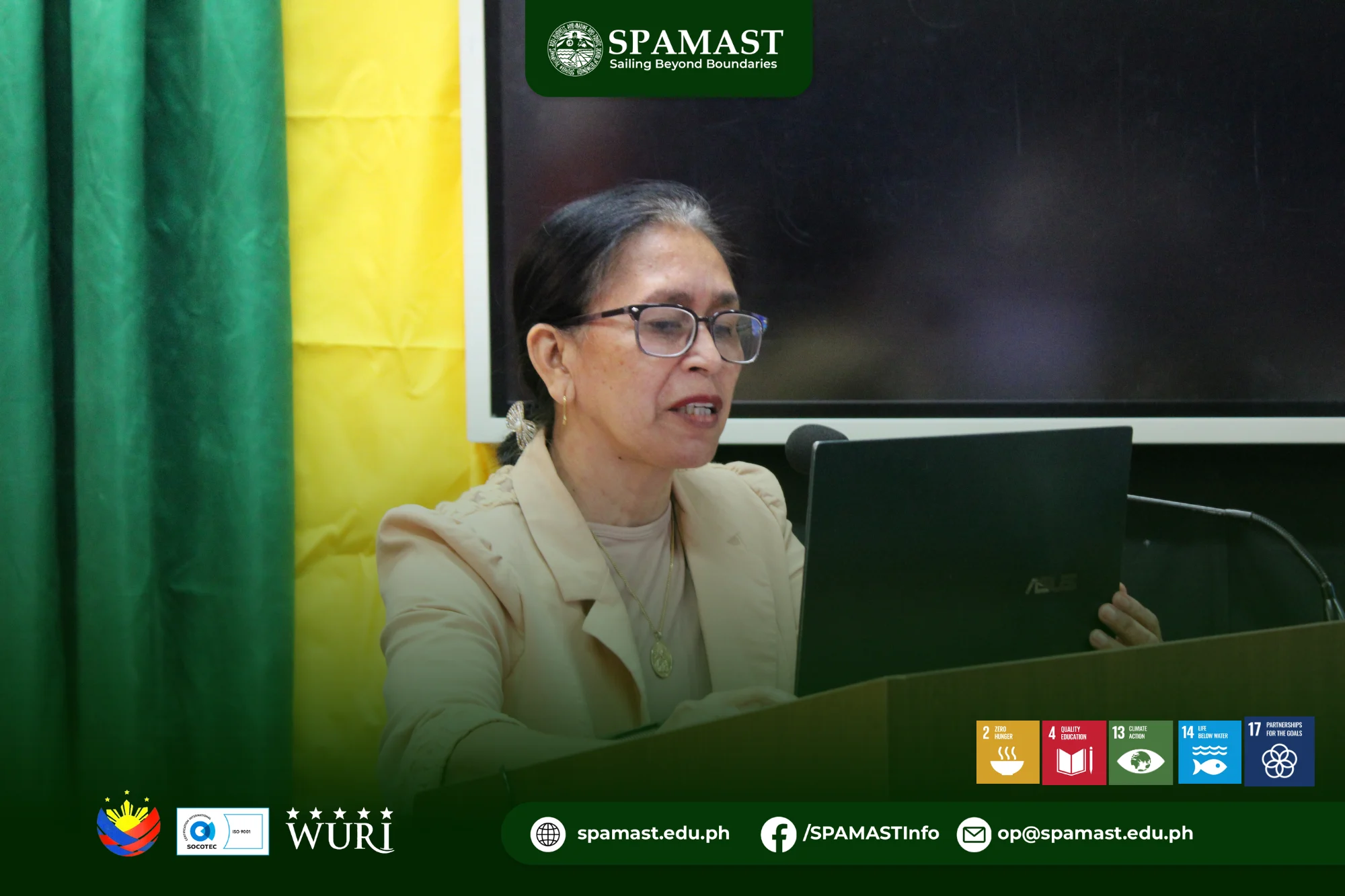
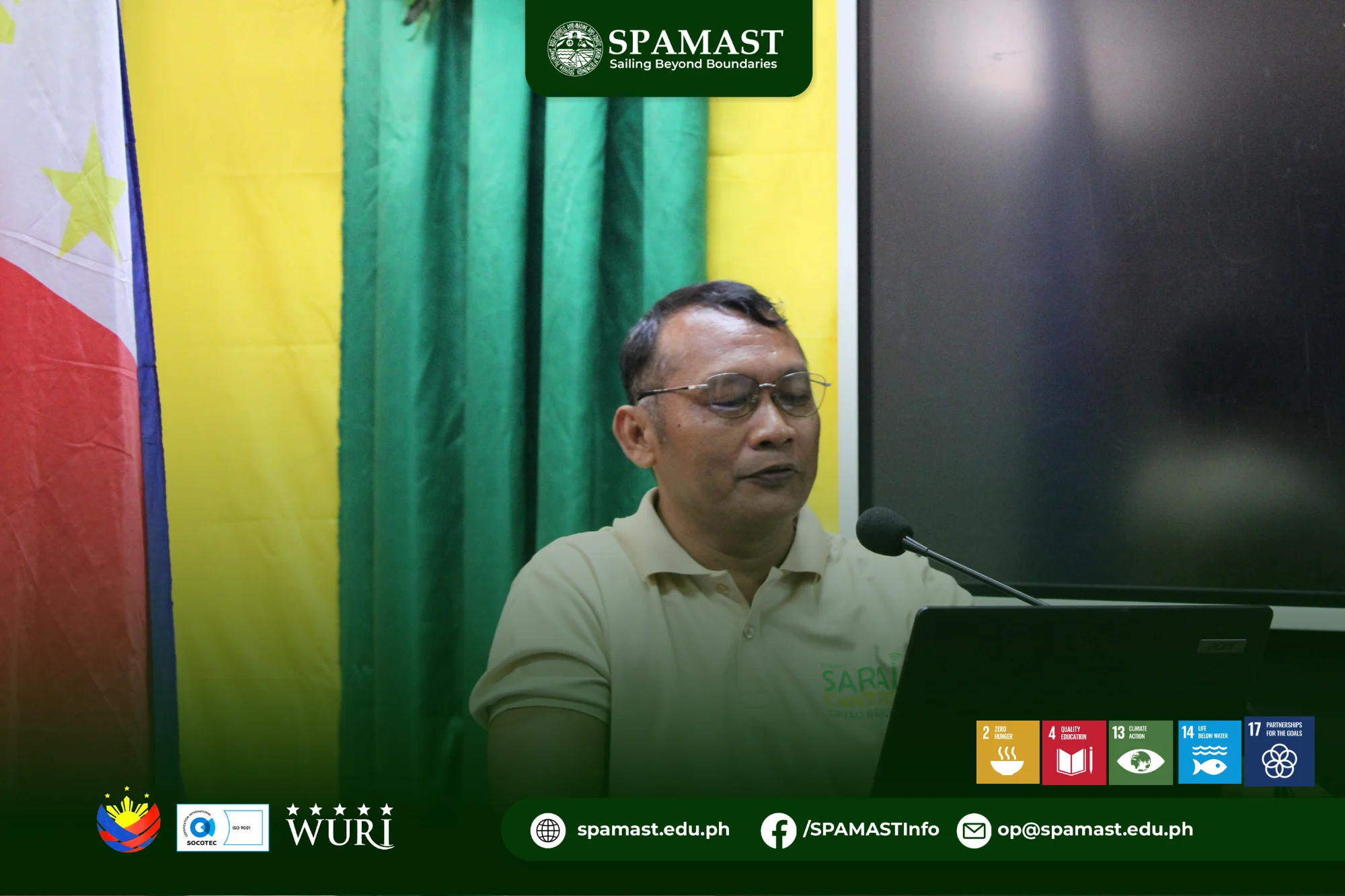
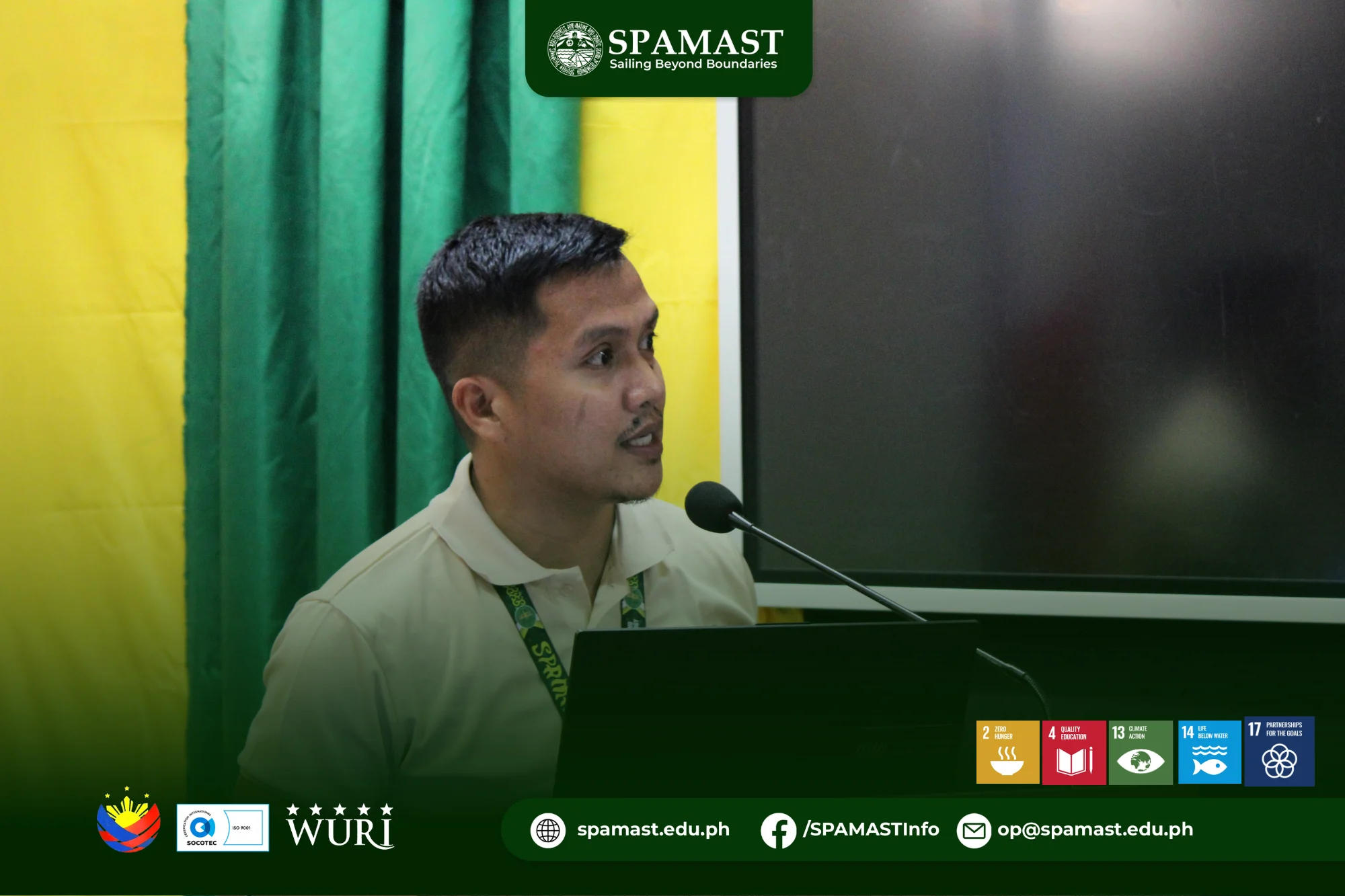
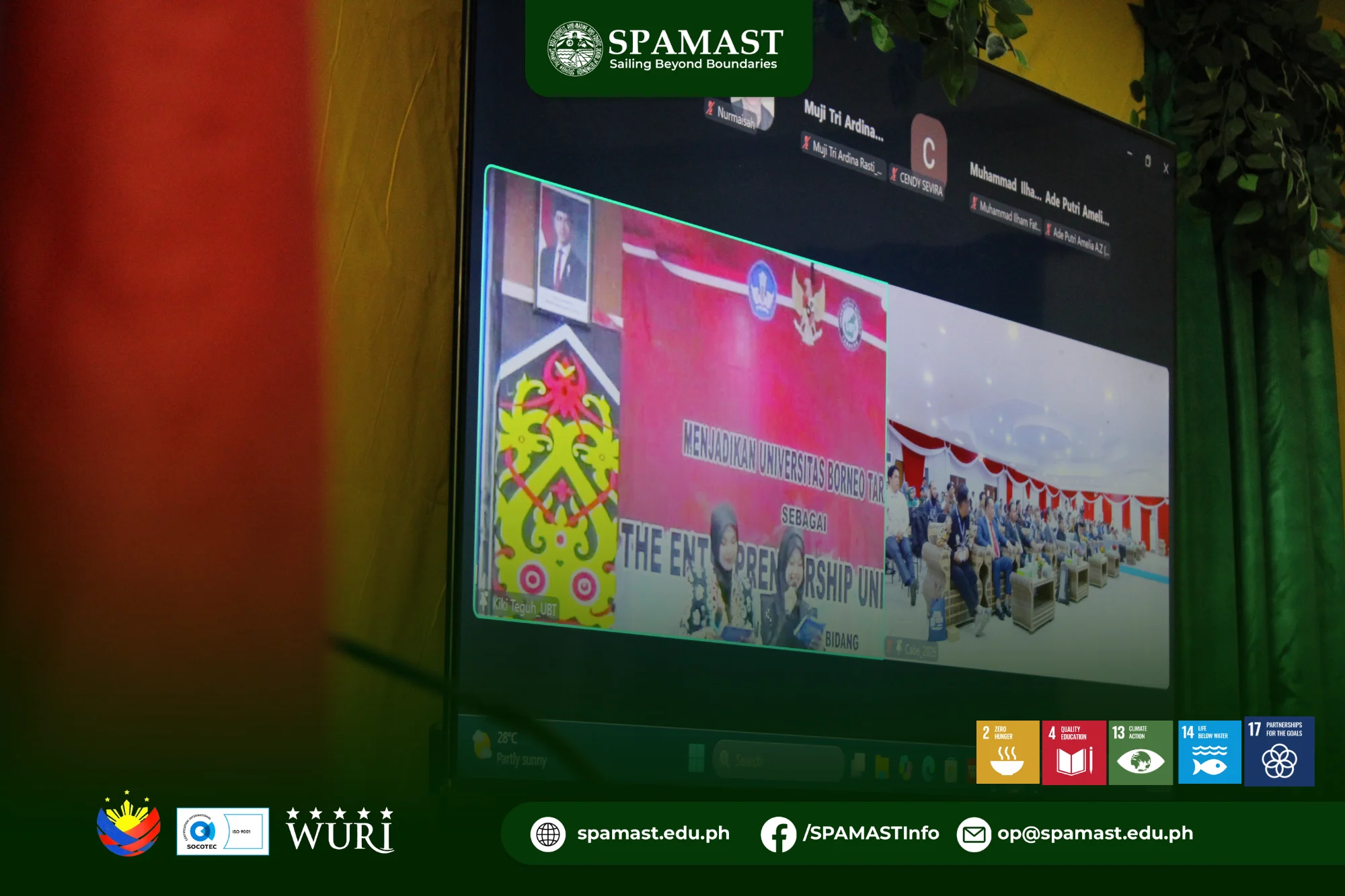
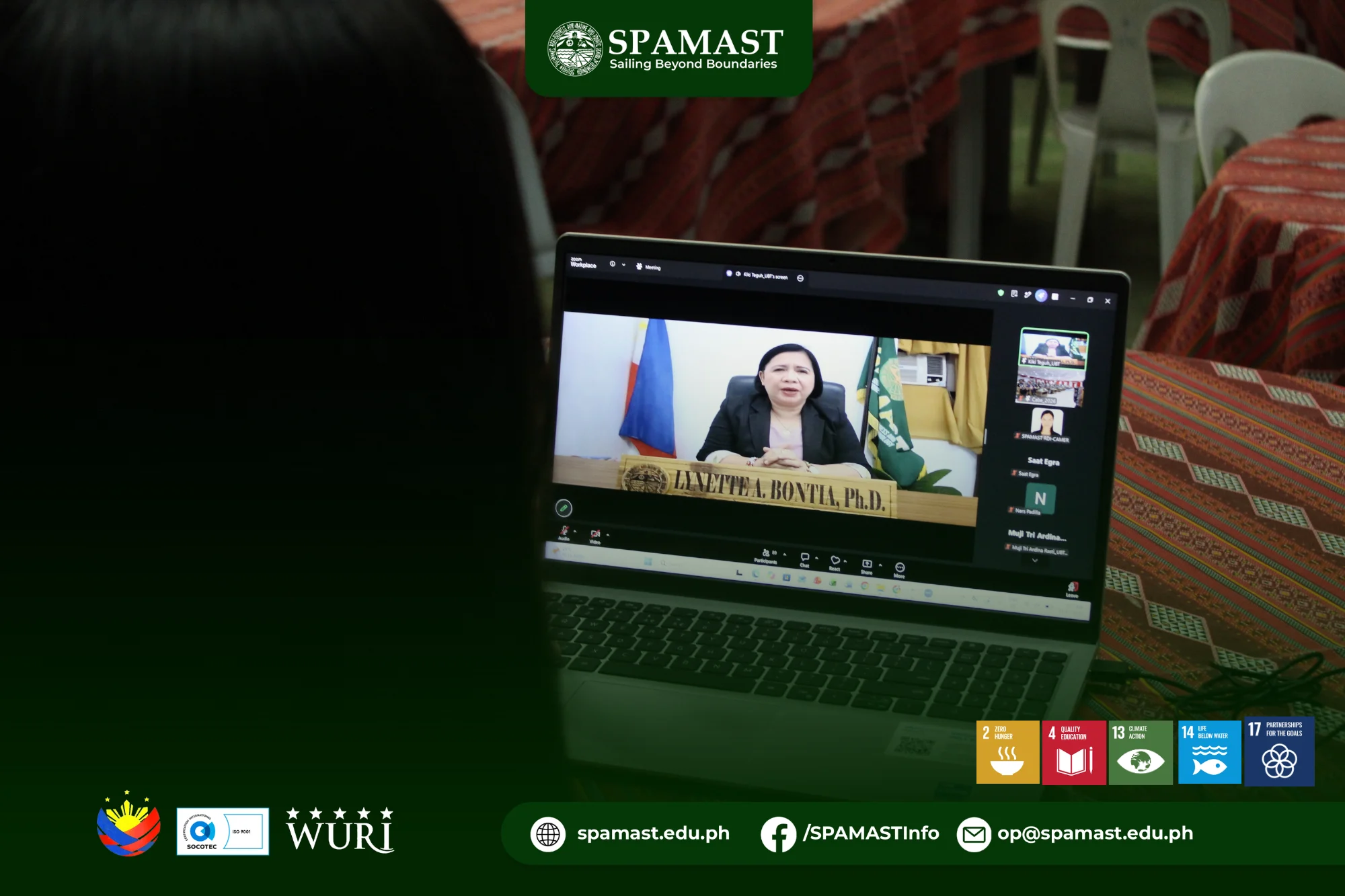
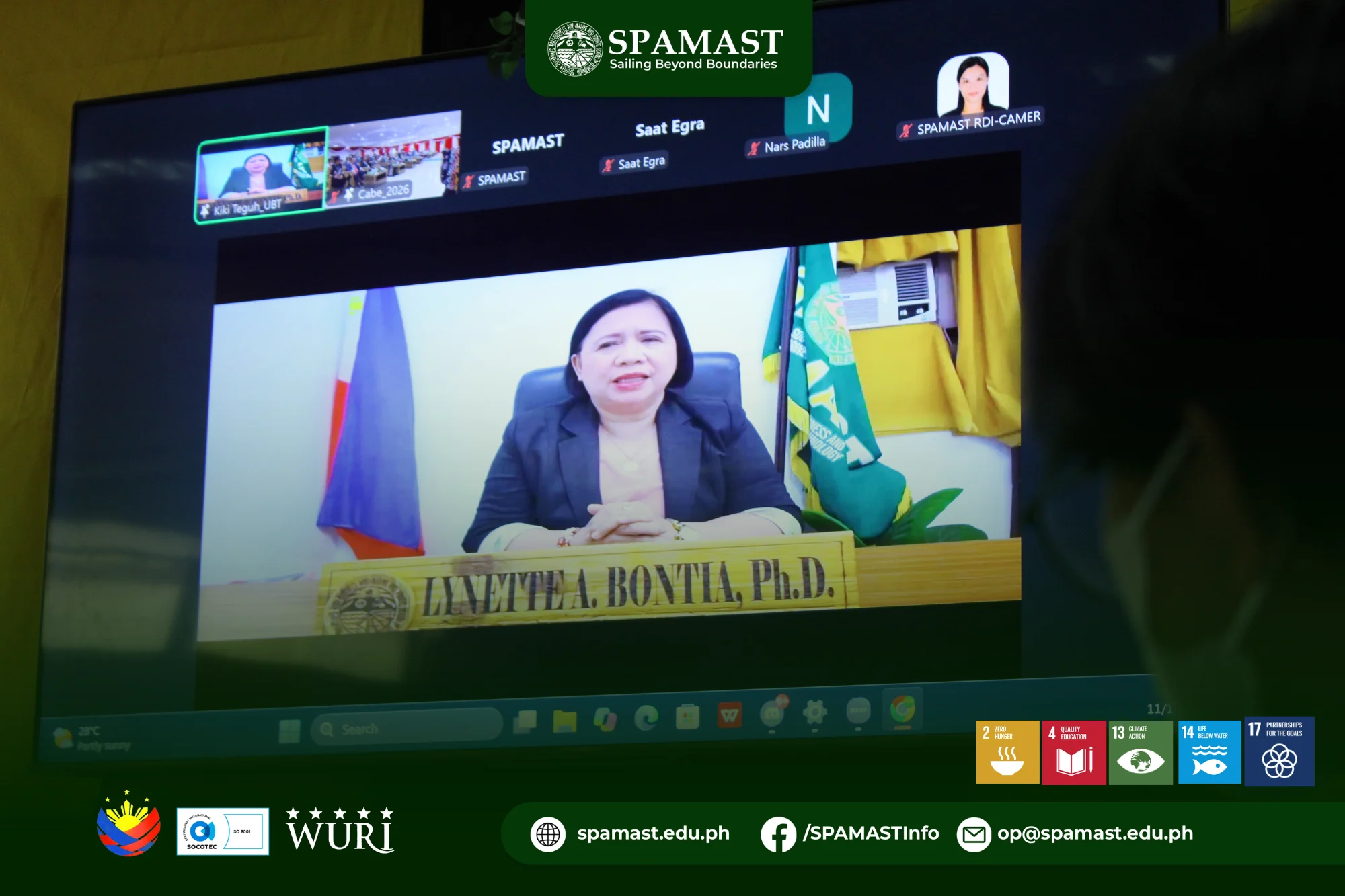
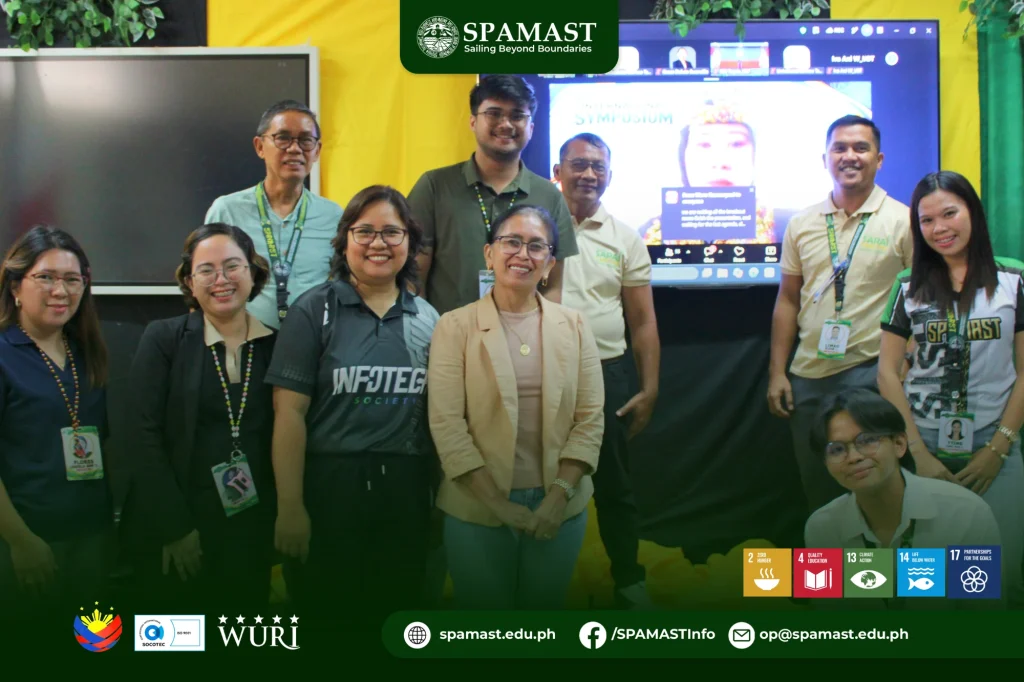
 MALITA, Davao Occidental – Reinforcing its commitment to international research collaboration and sustainable development, the Southern Philippines Agri-Business and Marine and Aquatic School of Technology (SPAMAST) co-organized the 4th International Conference on Agriculture, Marine and Aquatic Resources (ICAMARS) on November 12, 2026, via Zoom, with Universitas Borneo Tarakan (UBT) serving as the host institution.
Established in 2023 through the initiative of SPAMAST in collaboration with Universitas Borneo Tarakan, ICAMARS has evolved into a regional academic platform that brings together scholars, researchers, and practitioners from the BIMP-EAGA region and beyond. The conference provides an avenue for exchanging research findings, presenting innovations, sharing sustainable practices, and addressing emerging challenges in agriculture, marine, and aquatic sciences.
The fourth installment of the international conference continued this academic tradition by providing opportunities for research presentations, knowledge exchange, and the development of institutional partnerships. It also sought to strengthen academic and research linkages among participating institutions while generating insights into innovative and sustainable approaches that can contribute to the advancement of agriculture, marine, and aquatic resources.
Through the conference, participating researchers were able to share relevant findings and recommendations, explore potential collaborative research initiatives, and gain valuable perspectives that may be integrated into their respective institutions’ research and development programs.
For SPAMAST, its continued involvement in ICAMARS underscores the institution’s commitment to advancing research beyond institutional and national boundaries. As an institution dedicated to agriculture, fisheries, marine, and aquatic sciences, SPAMAST recognizes the importance of international academic partnerships in generating knowledge-based solutions to pressing environmental, economic, and resource management concerns.
The conference further contributes to the attainment of the United Nations Sustainable Development Goals (SDGs), particularly SDG 2 (Zero Hunger) through agricultural research and food security initiatives; SDG 4 (Quality Education) through academic knowledge exchange; SDG 9 (Industry, Innovation and Infrastructure) through research and technological innovation; SDG 13 (Climate Action) through climate-responsive and sustainable practices; SDG 14 (Life Below Water) through responsible marine and aquatic resource management; and SDG 17 (Partnerships for the Goals) through strengthened international research collaboration.
By sustaining its partnership with Universitas Borneo Tarakan and other participating institutions, SPAMAST continues to advance its role as a catalyst for research excellence, internationalization, and sustainable development—demonstrating that meaningful academic collaboration can transcend borders in pursuit of shared solutions for communities, industries, and the environment.