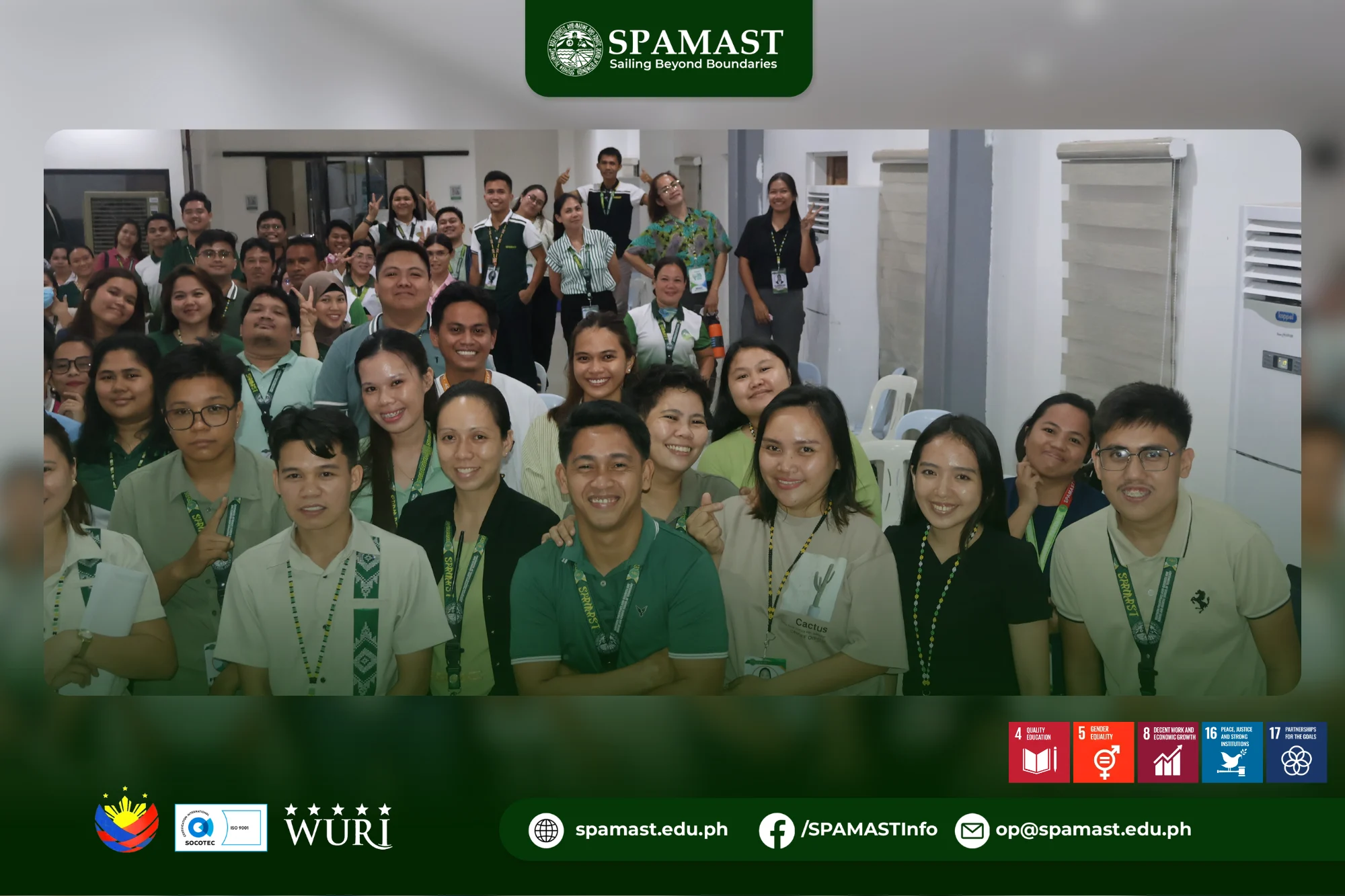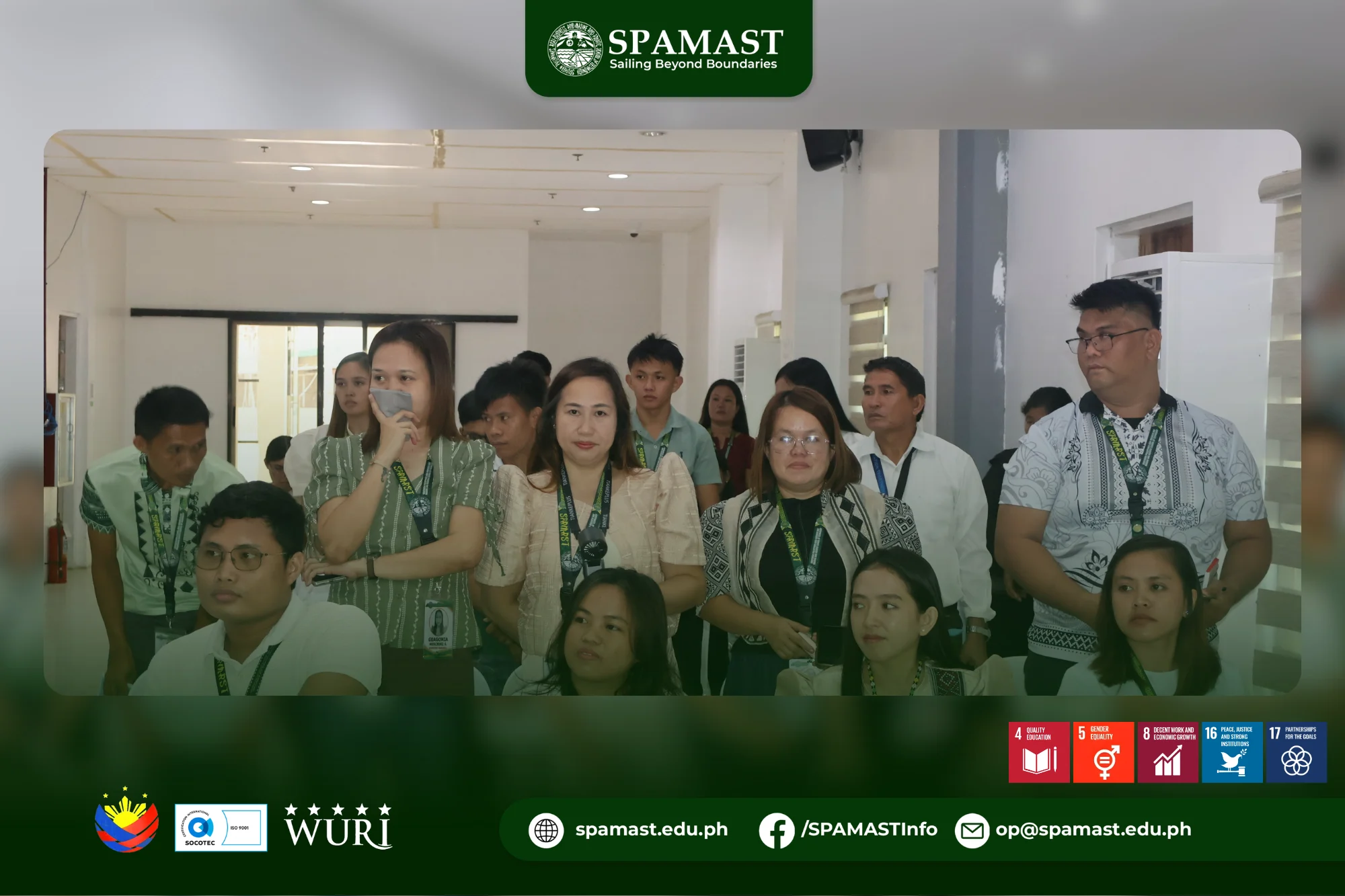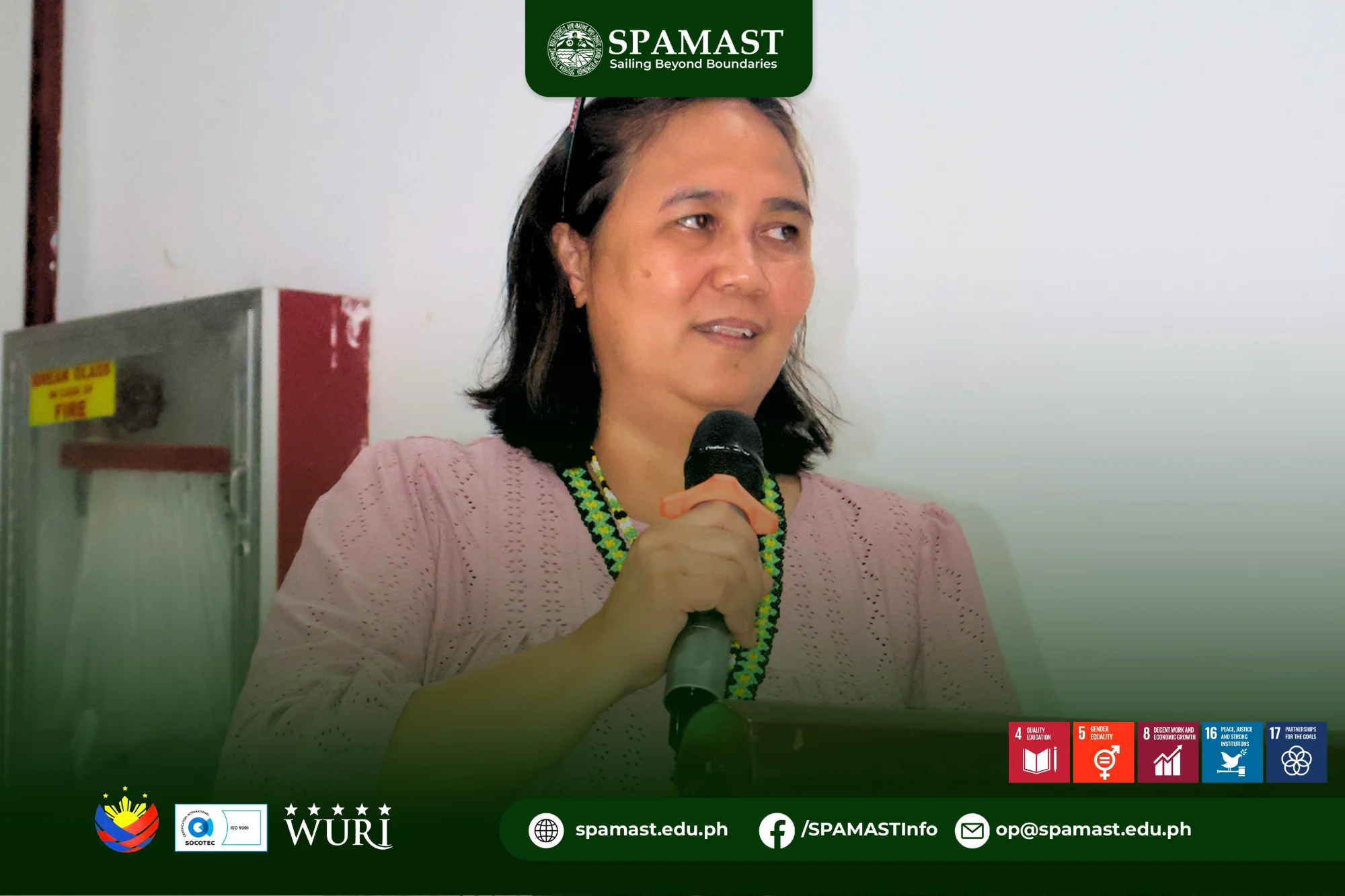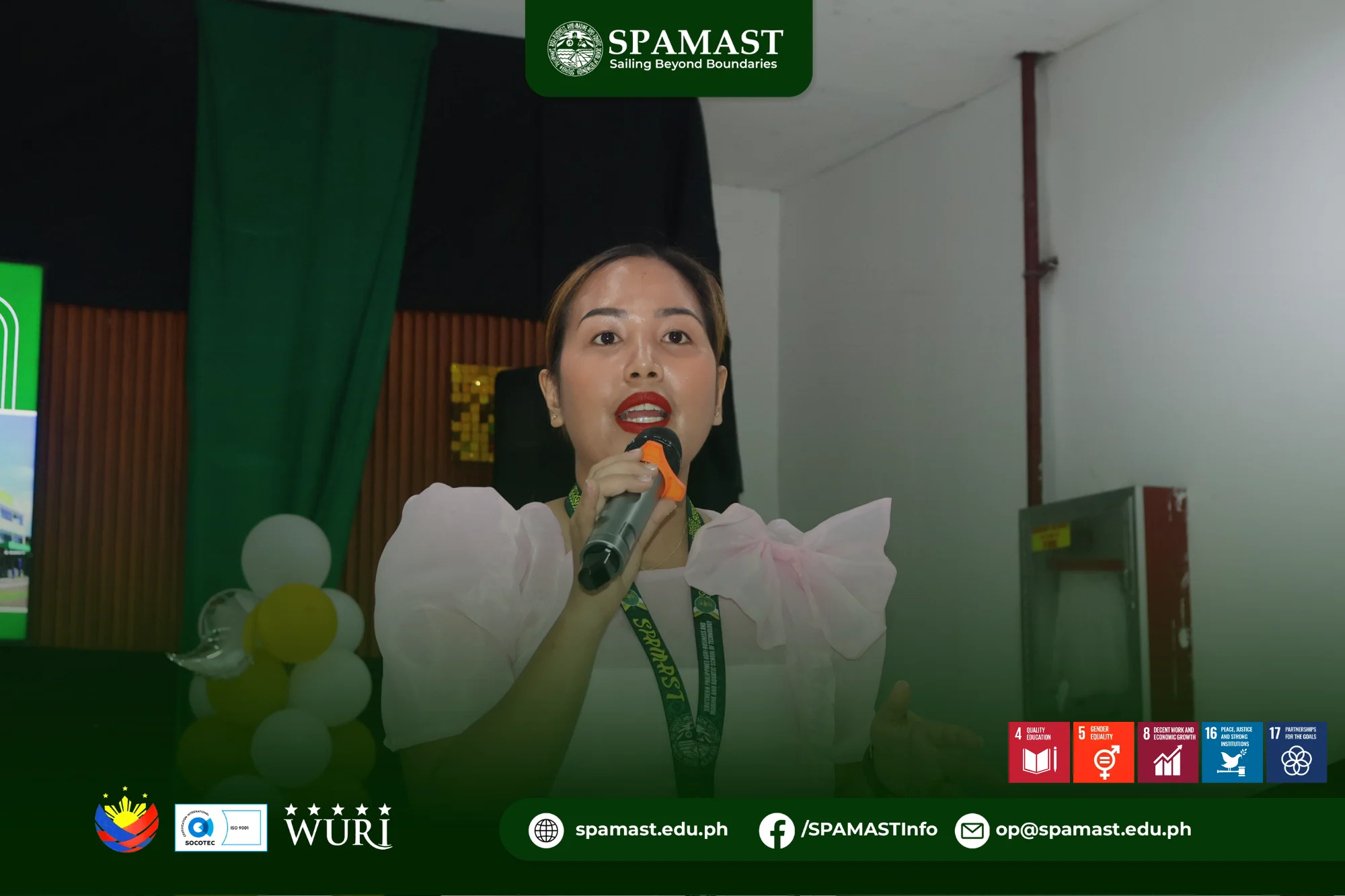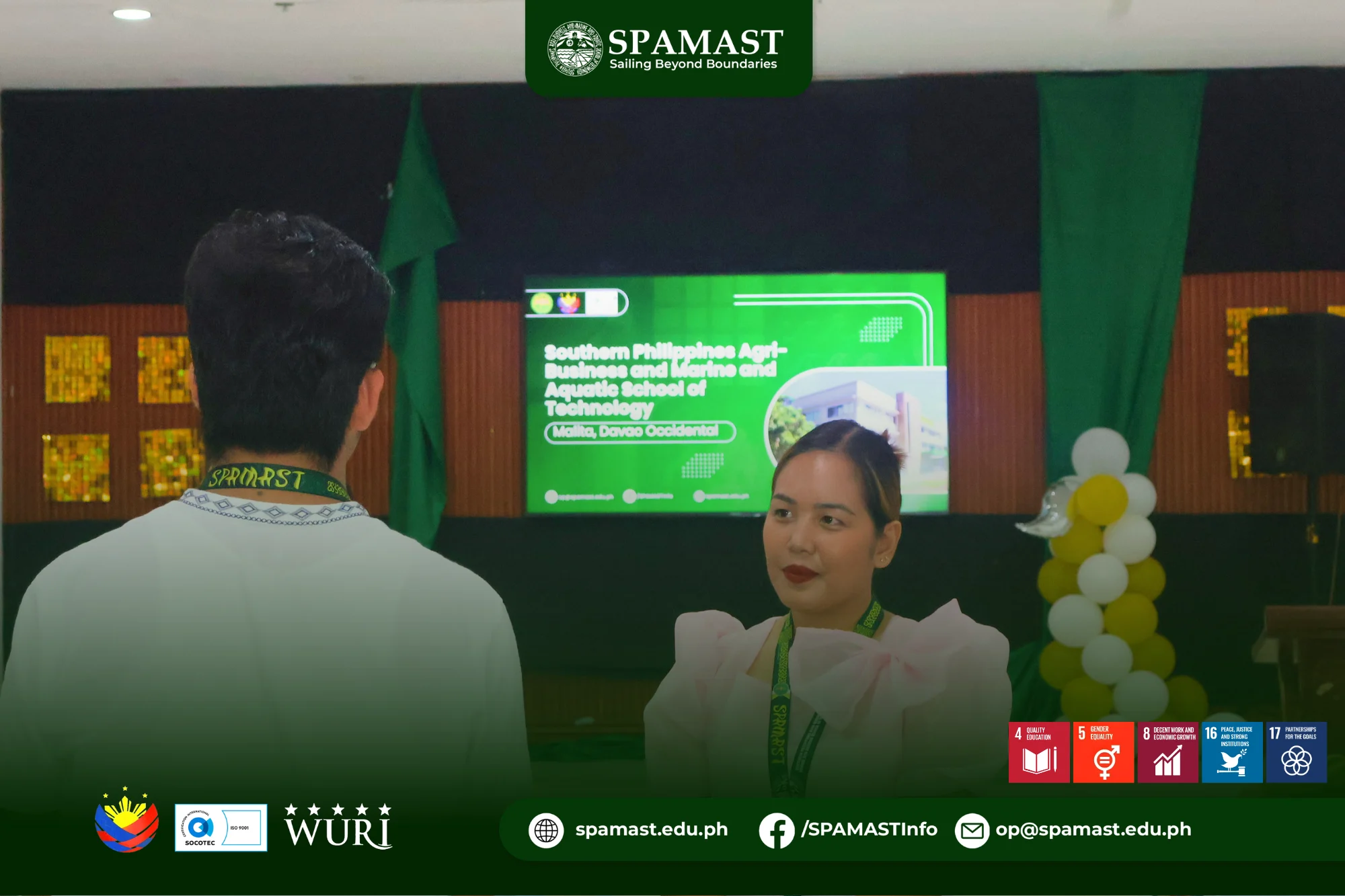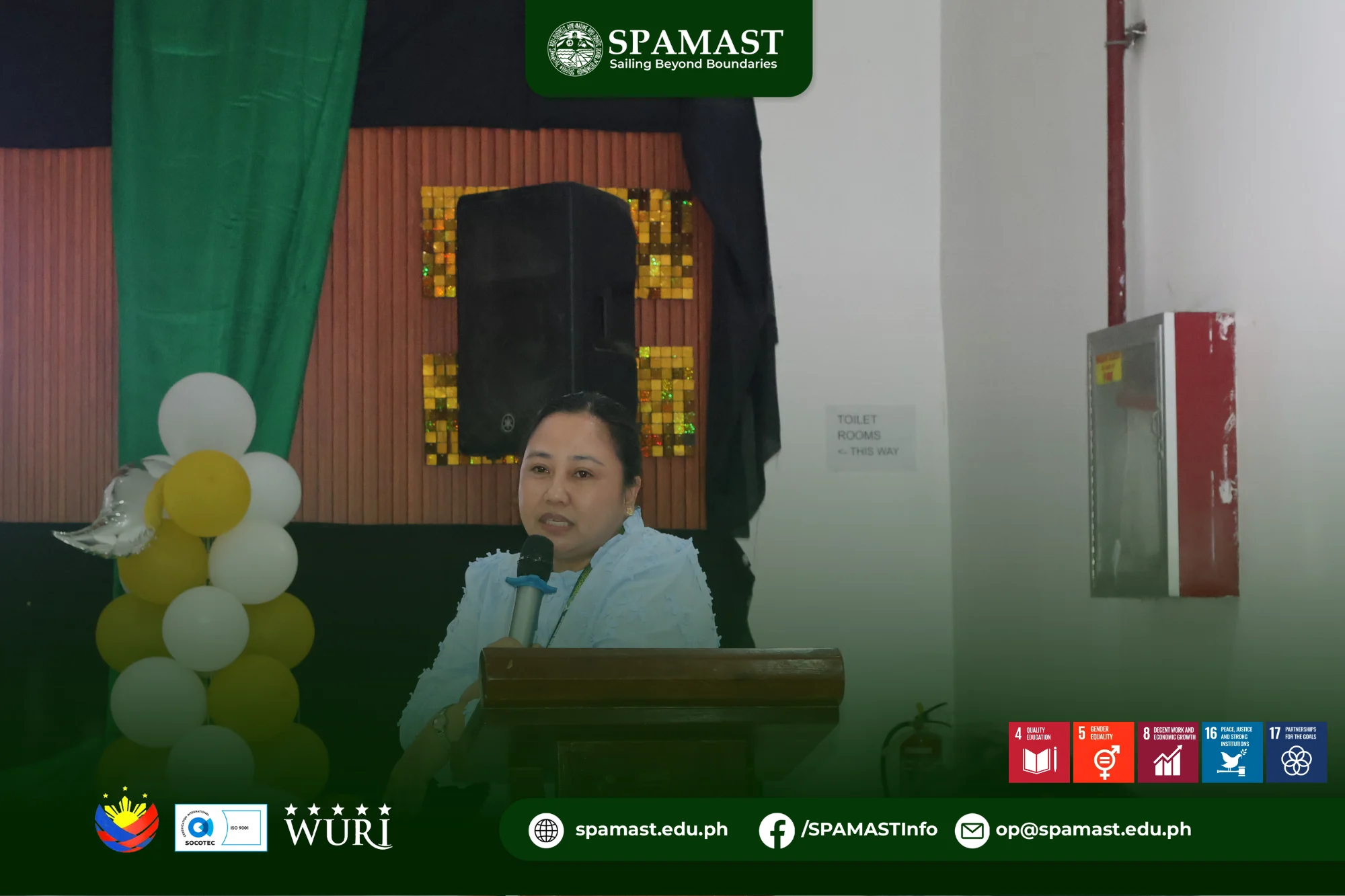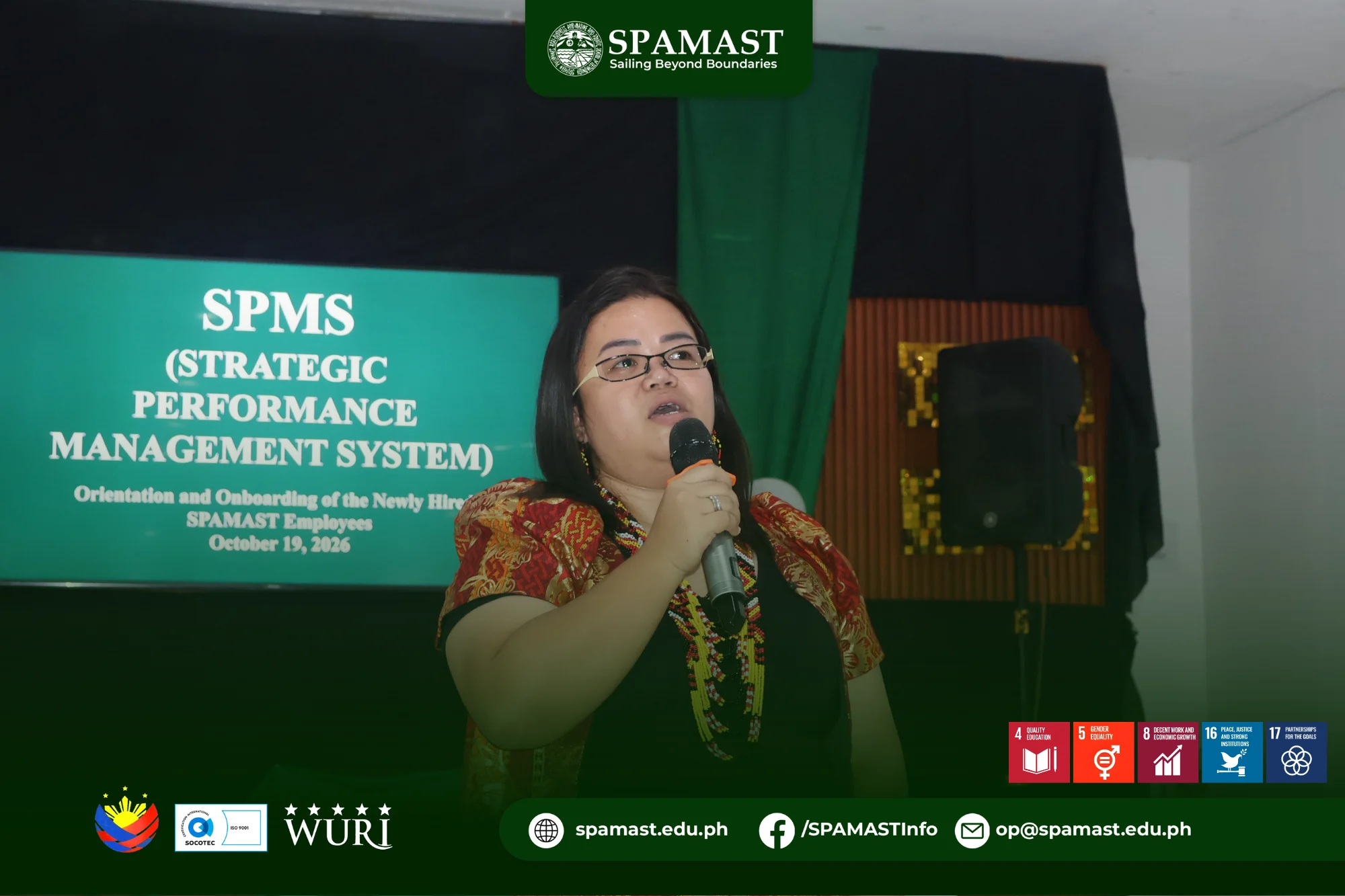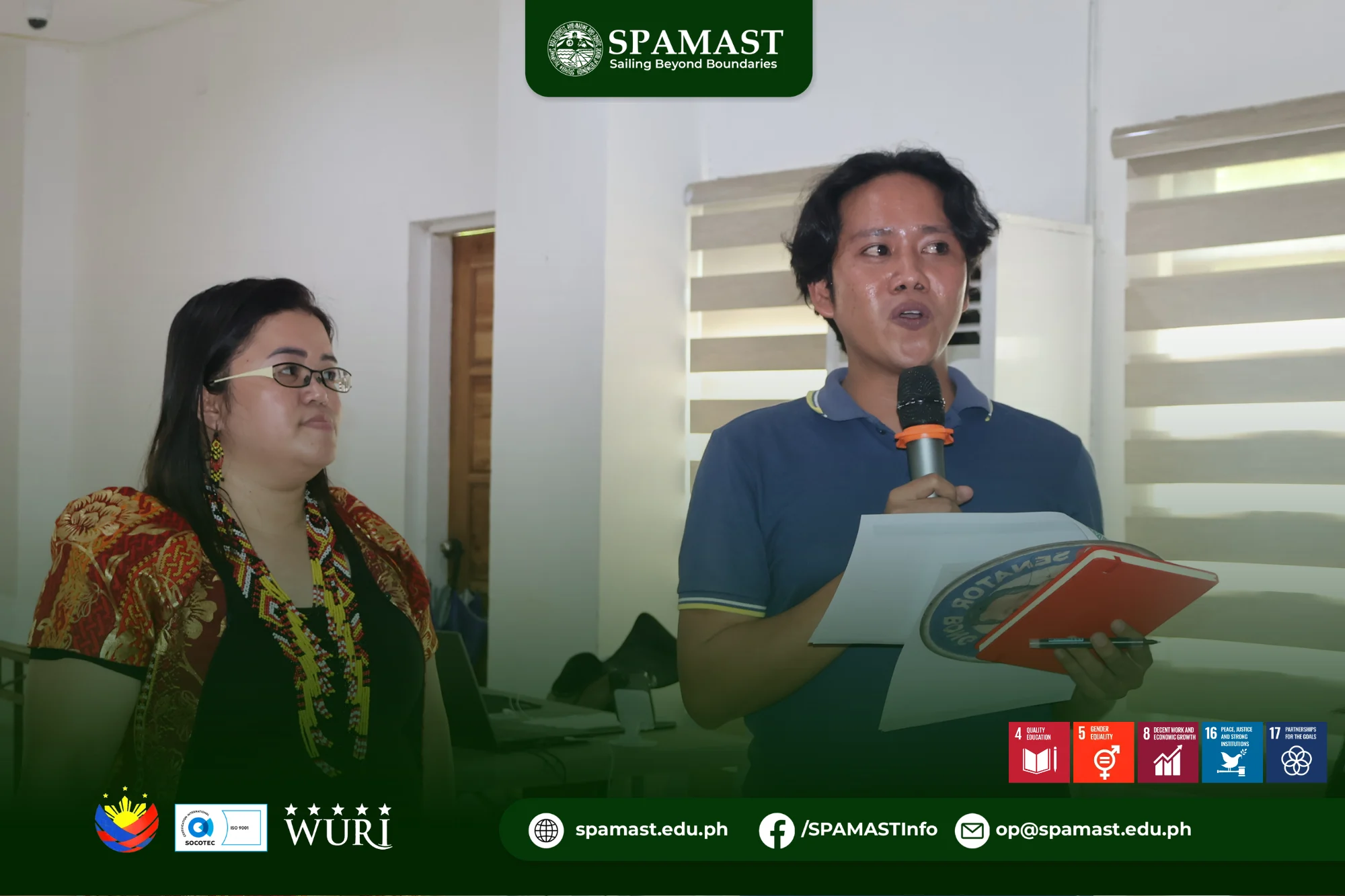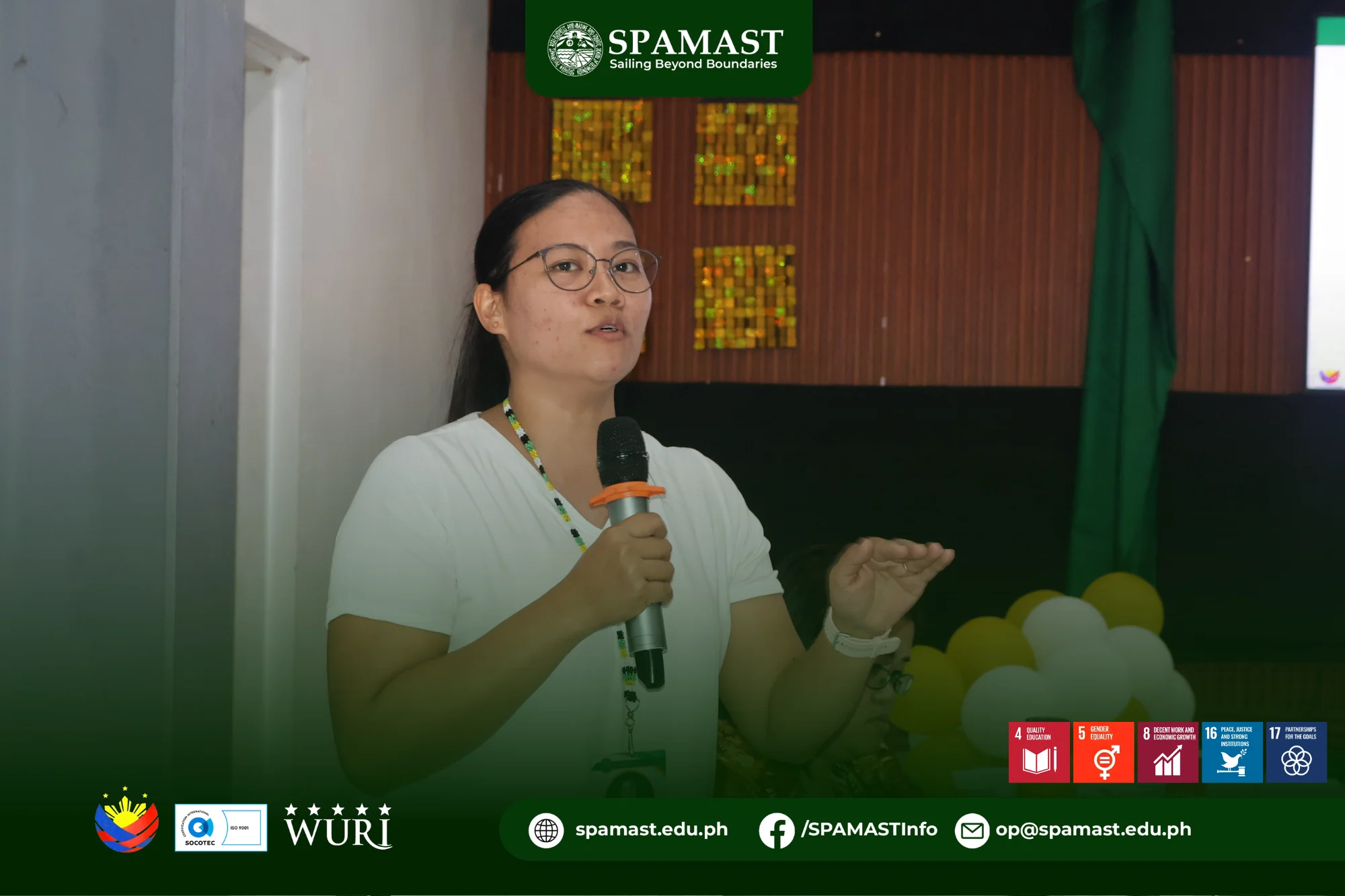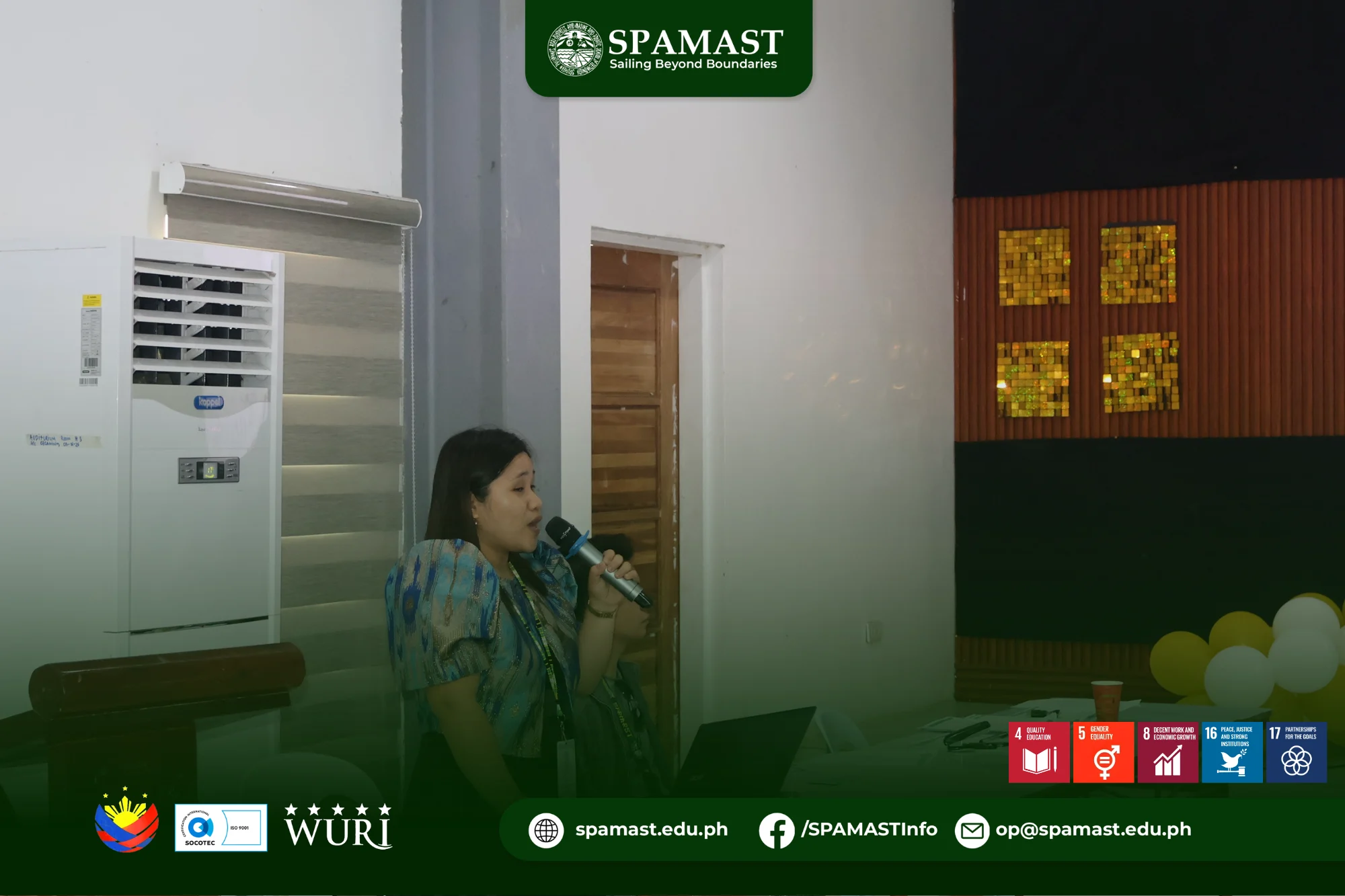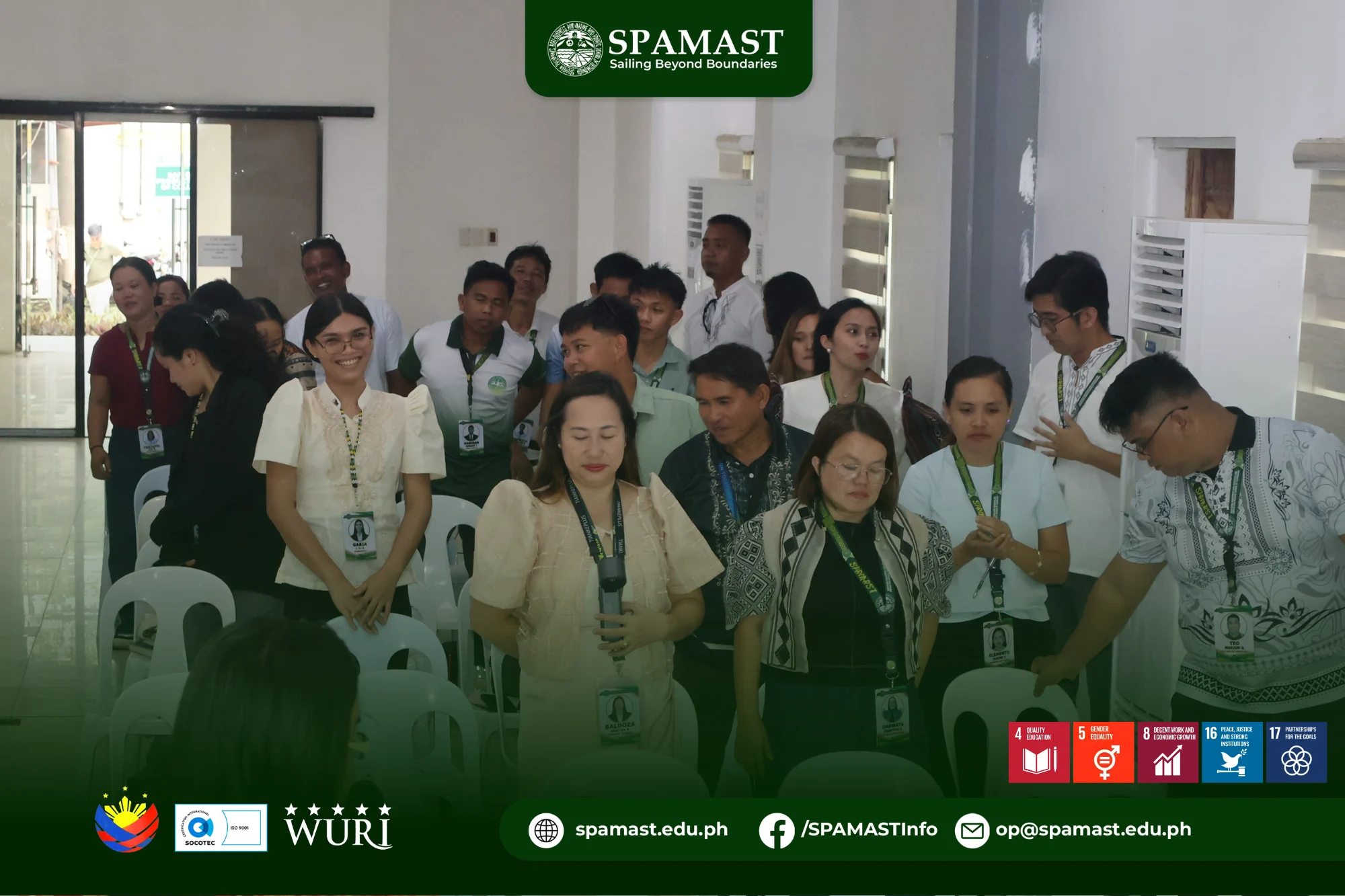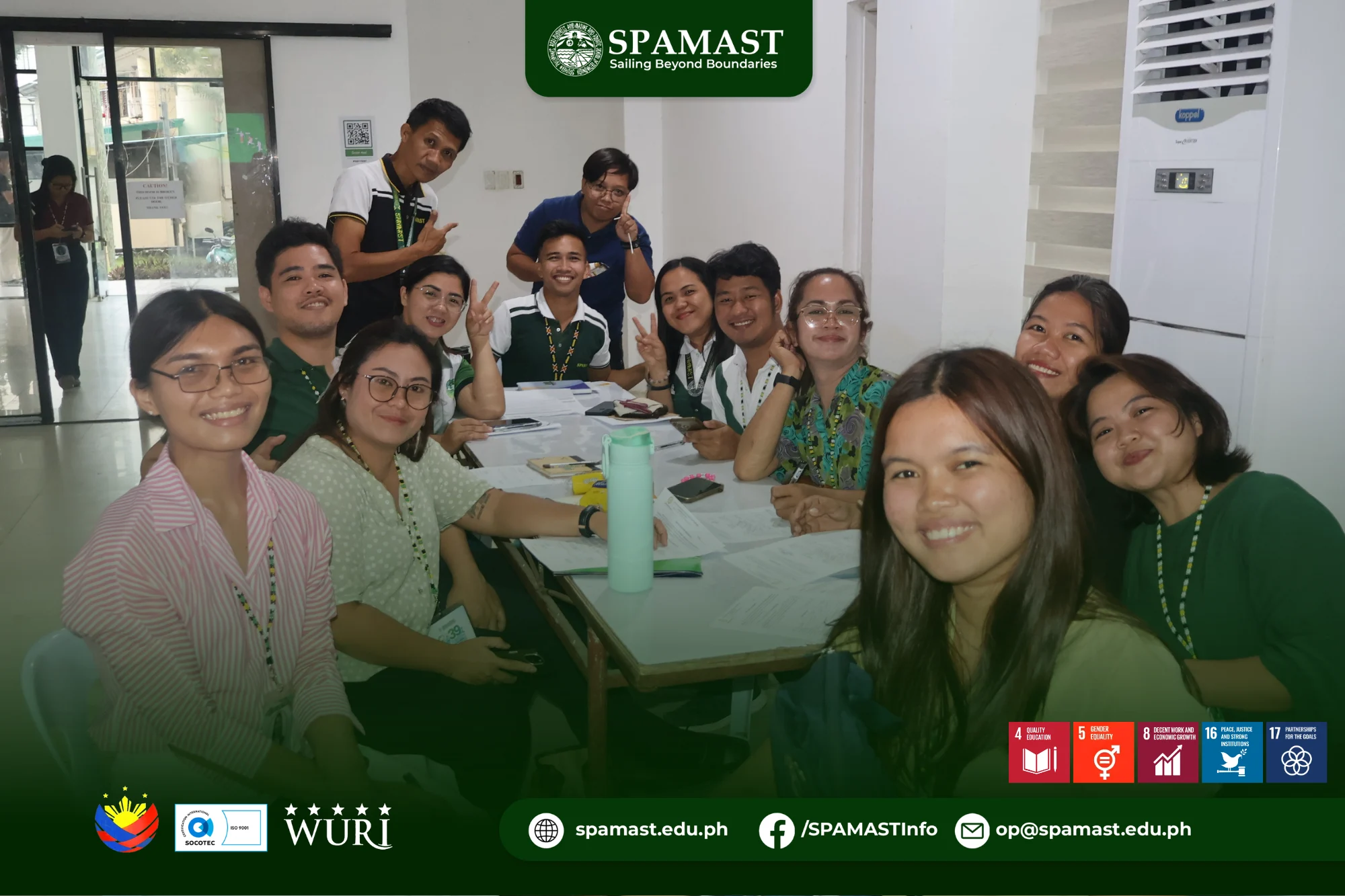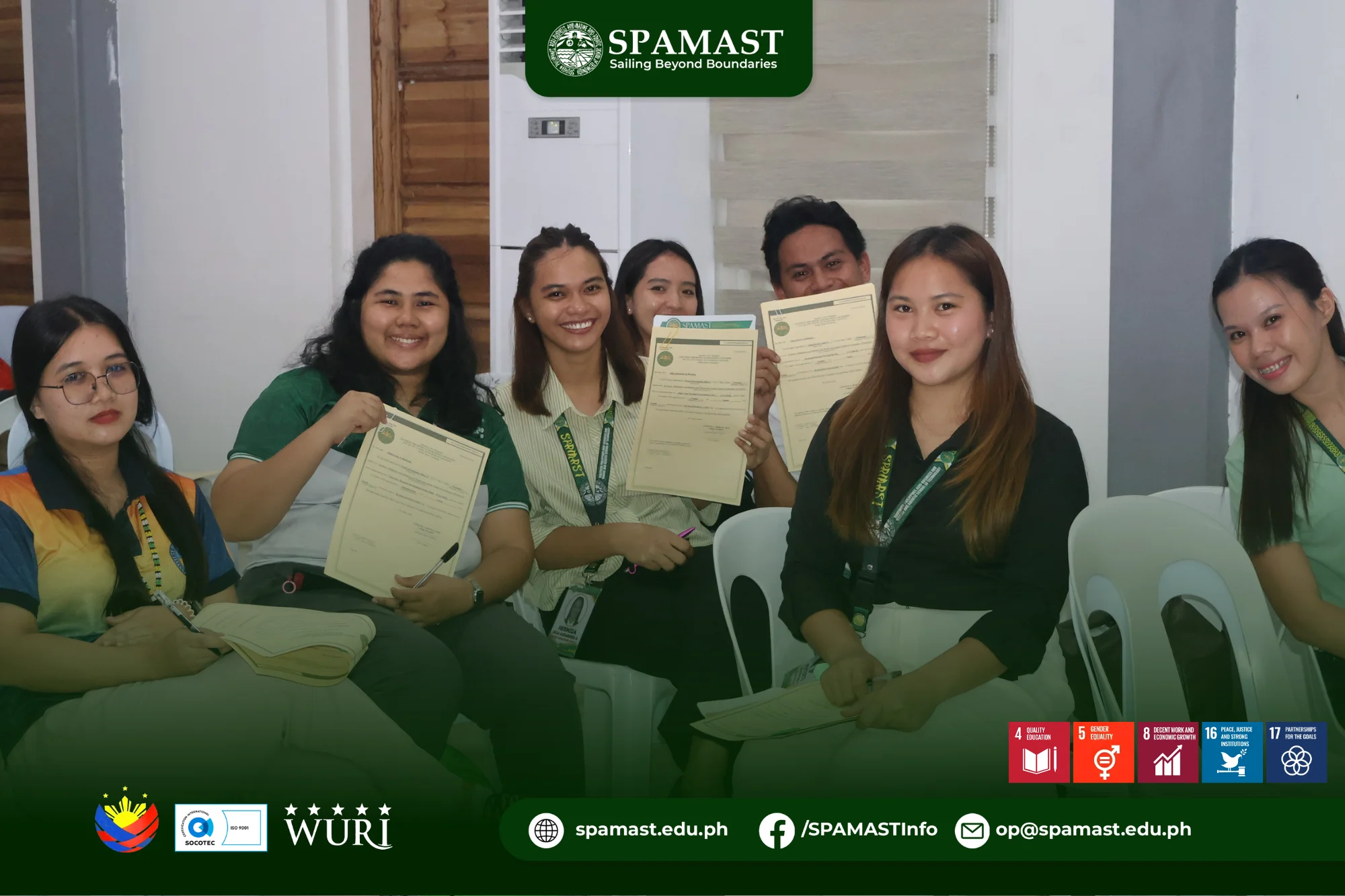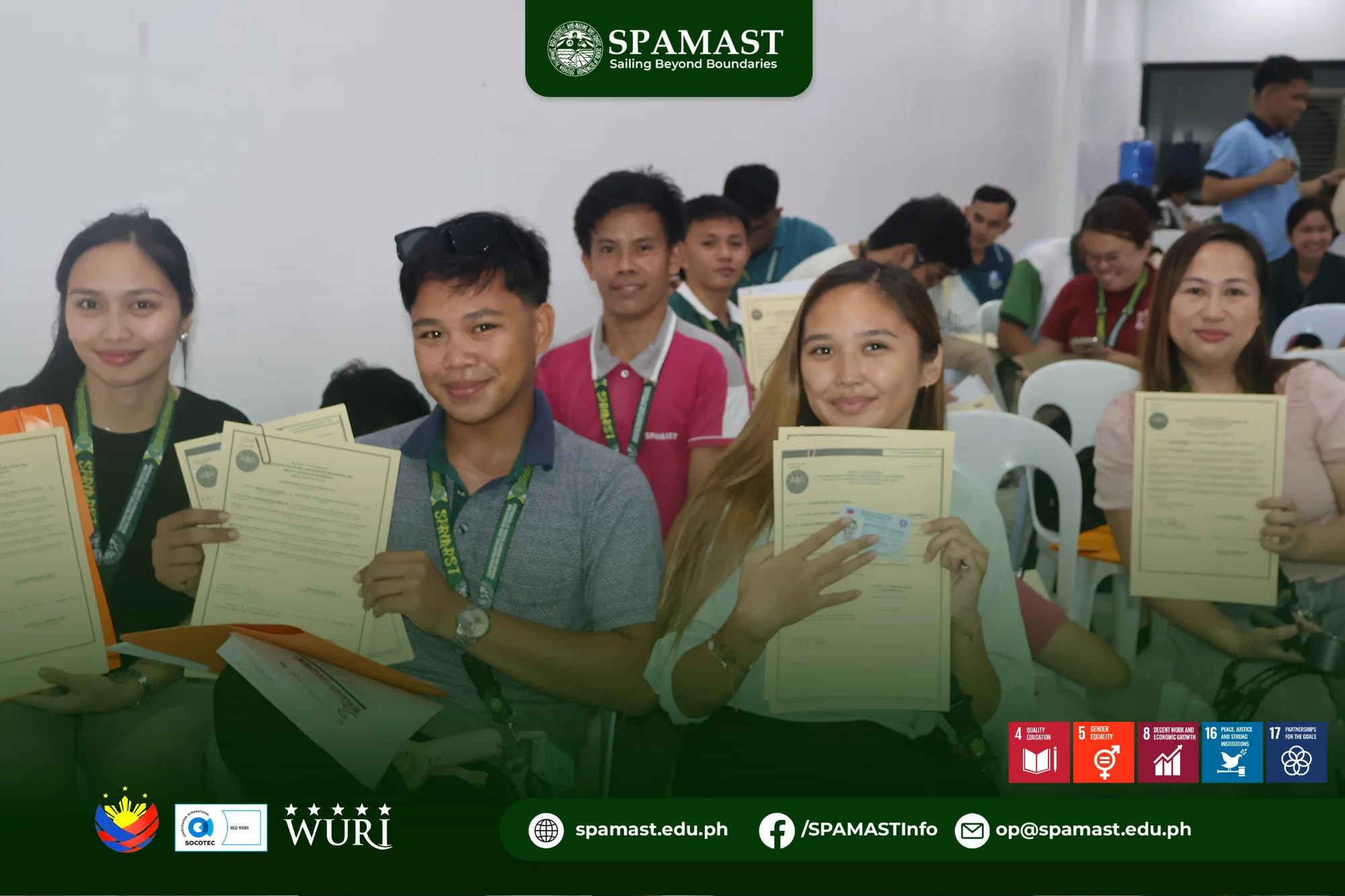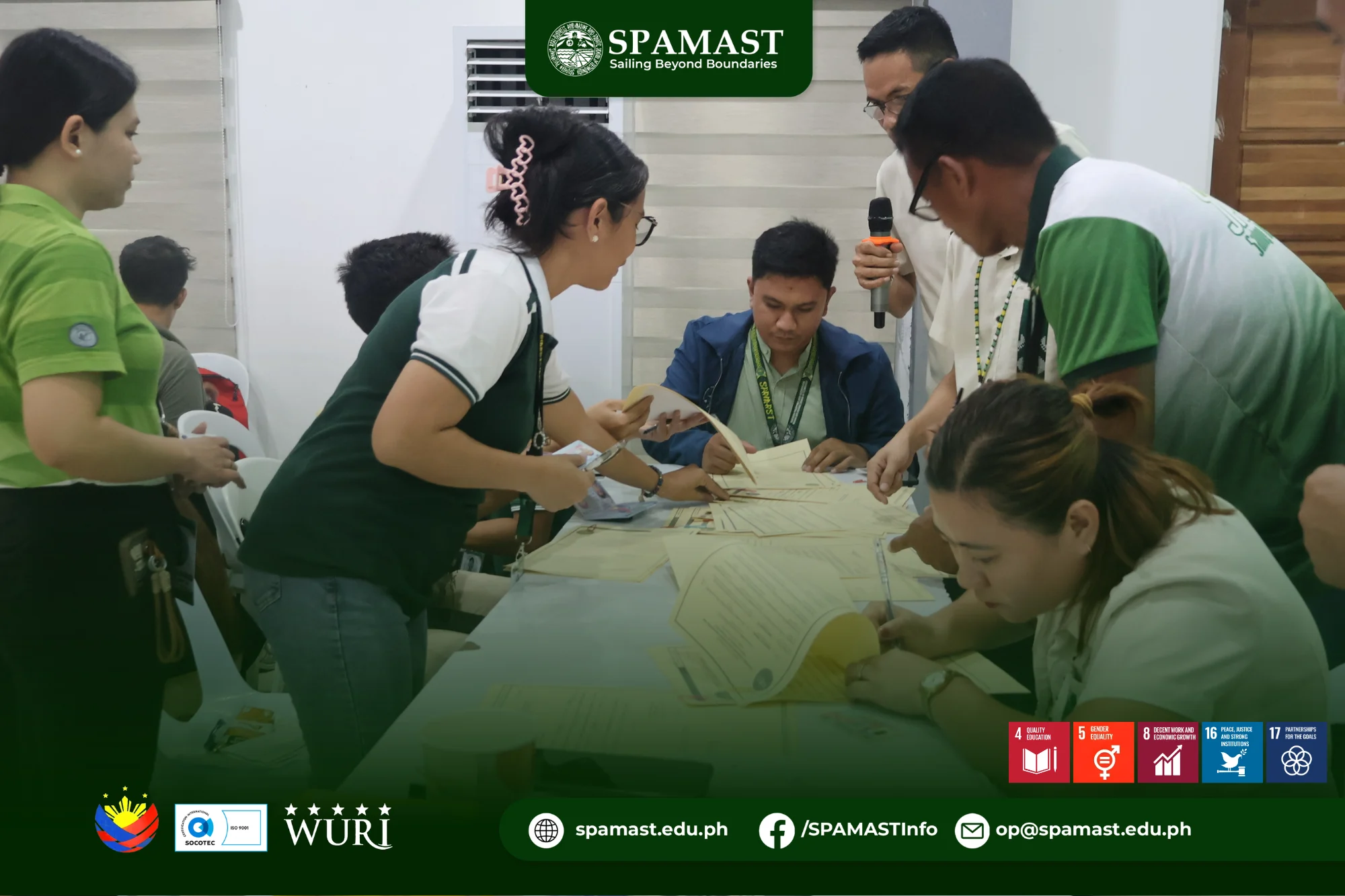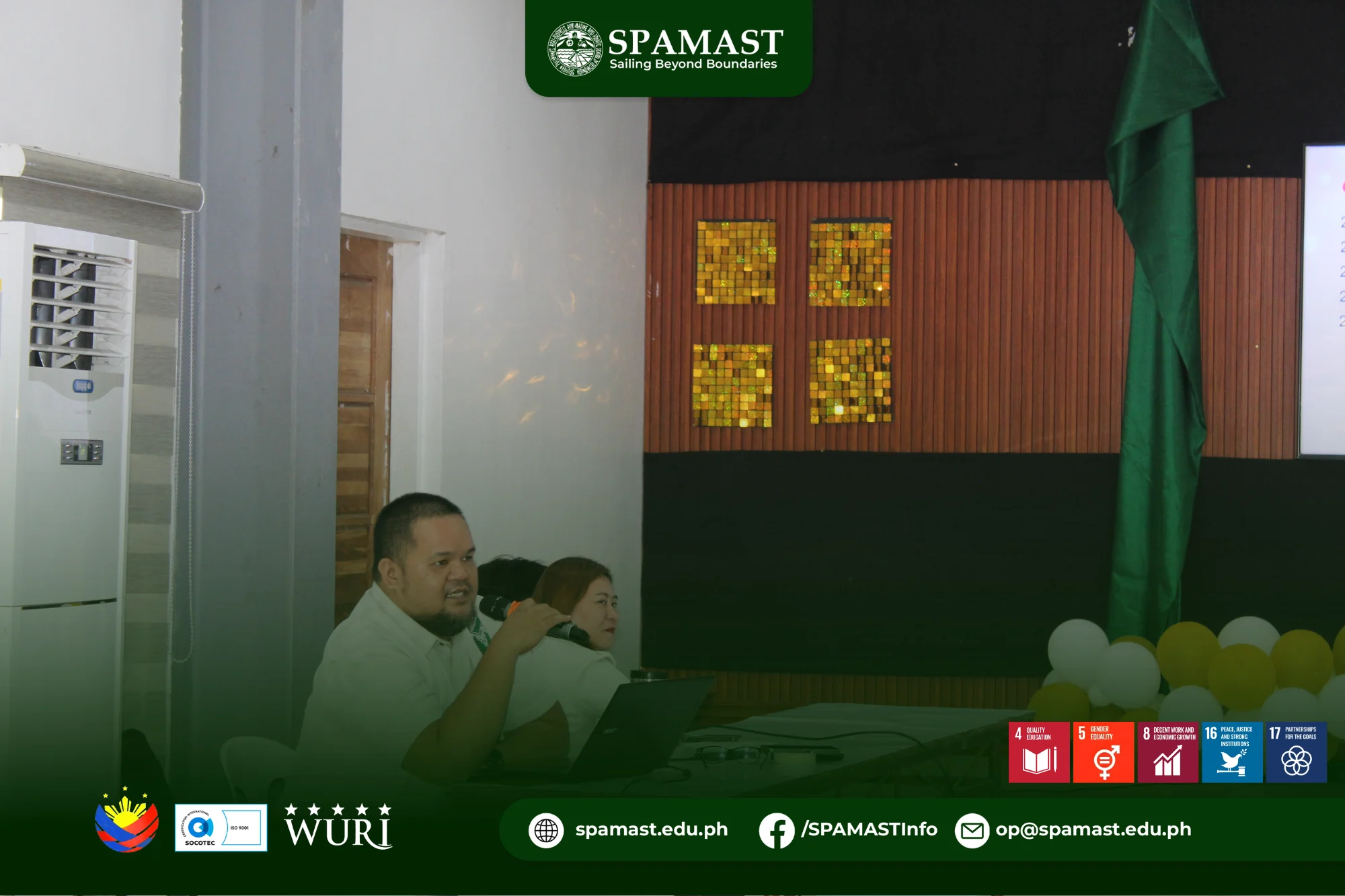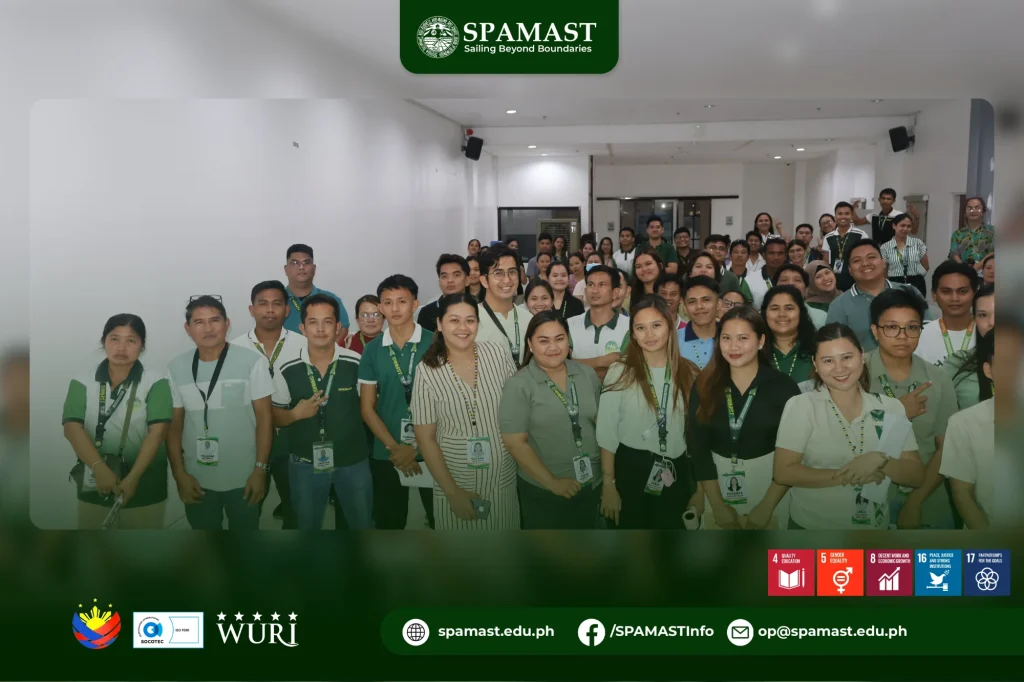
The Southern Philippines Agri-Business and Marine and Aquatic School of Technology (SPAMAST) conducted a two-day Induction and Onboarding Program for newly hired teaching and non-teaching personnel on October 19–20, 2026, at the SPAMAST Lecture Hall, equipping new employees with essential knowledge of the college’s institutional mandate, administrative policies, ethical standards, and academic framework.
The program brought together resource persons and facilitators from various college offices to introduce employees to SPAMAST’s history, Vision, Mission, Goals, and Objectives (VMGO), organizational structure, legal foundations, and office functions. The sessions also covered Civil Service Commission policies on attendance, flexible work arrangements, dress code, personnel promotion, and other human resource matters. Dawn A. Limao, MA, Director of the Public Relations and Information Office, discussed the college’s institutional background and organizational structure, while Atty. Paloma G. Grado, Human Resource Management Officer III, provided guidance on personnel policies and institutional activities.
The first day also featured discussions on the SPAMAST Performance Management System, employee associations, learning and development opportunities, and rewards and recognition. Ritchell Ann S. Hervas, MA, Institutional Calibrator, together with representatives of the SPAMAST Faculty Association (SFA) and the Association of SPAMAST Administrative Personnel (ASAP), discussed employee representation and performance management. Lanie C. Mario, LPT, Learning and Development Focal Person, and Rey A. Bitol, LPT, Employee Rewards and Recognition Focal Person, presented initiatives supporting professional growth and employee development.
On the second day, the onboarding sessions emphasized public accountability, ethical conduct, and compliance with government regulations. Ramon Miguel E. Rodriguez, JD, Legal Assistant III, and Atty. Trina Faye D. Ladores, Attorney IV, discussed the 2025 Revised Administrative Code of Conduct and Standards (RACCS), Republic Act No. 6713 or the Code of Conduct and Ethical Standards for Public Officials and Employees, and Republic Act No. 9485 or the Anti-Red Tape Act of 2007. The program also addressed the legal foundations of Gender and Development (GAD), leave administration, employee benefits and privileges, and the services of the SPAMAST Employees Multi-Purpose Cooperative (SPEMCO).
The final sessions focused on faculty orientation and the SPAMAST Outcomes-Based Education (OBE) Framework, which emphasizes the alignment of teaching, learning activities, and assessment with defined learning outcomes. Vice President for Academic Affairs Dr. Marlyn B. Llameg led the faculty orientation and discussion of the OBE framework, with support from the Human Resource Management Office and other participating personnel. The program concluded with a message from a newly hired employee, a post-test and evaluation, the distribution of certificates, and closing remarks from the designated college officials.
Through this initiative, SPAMAST reinforces its commitment to developing a competent, accountable, and service-oriented workforce. By familiarizing new employees with institutional expectations, professional responsibilities, and opportunities for growth, the college supports a workplace culture grounded in integrity, collaboration, and continuous improvement. The activity also contributes to the United Nations Sustainable Development Goals (SDGs), particularly SDG 4: Quality Education, through strengthened academic and professional development; SDG 5: Gender Equality, through discussions on Gender and Development; SDG 8: Decent Work and Economic Growth, through employee development, benefits, and recognition; SDG 16: Peace, Justice and Strong Institutions, through public service ethics, accountability, and compliance; and SDG 17: Partnerships for the Goals, through collaboration among college offices and employee organizations in advancing SPAMAST’s institutional objectives.