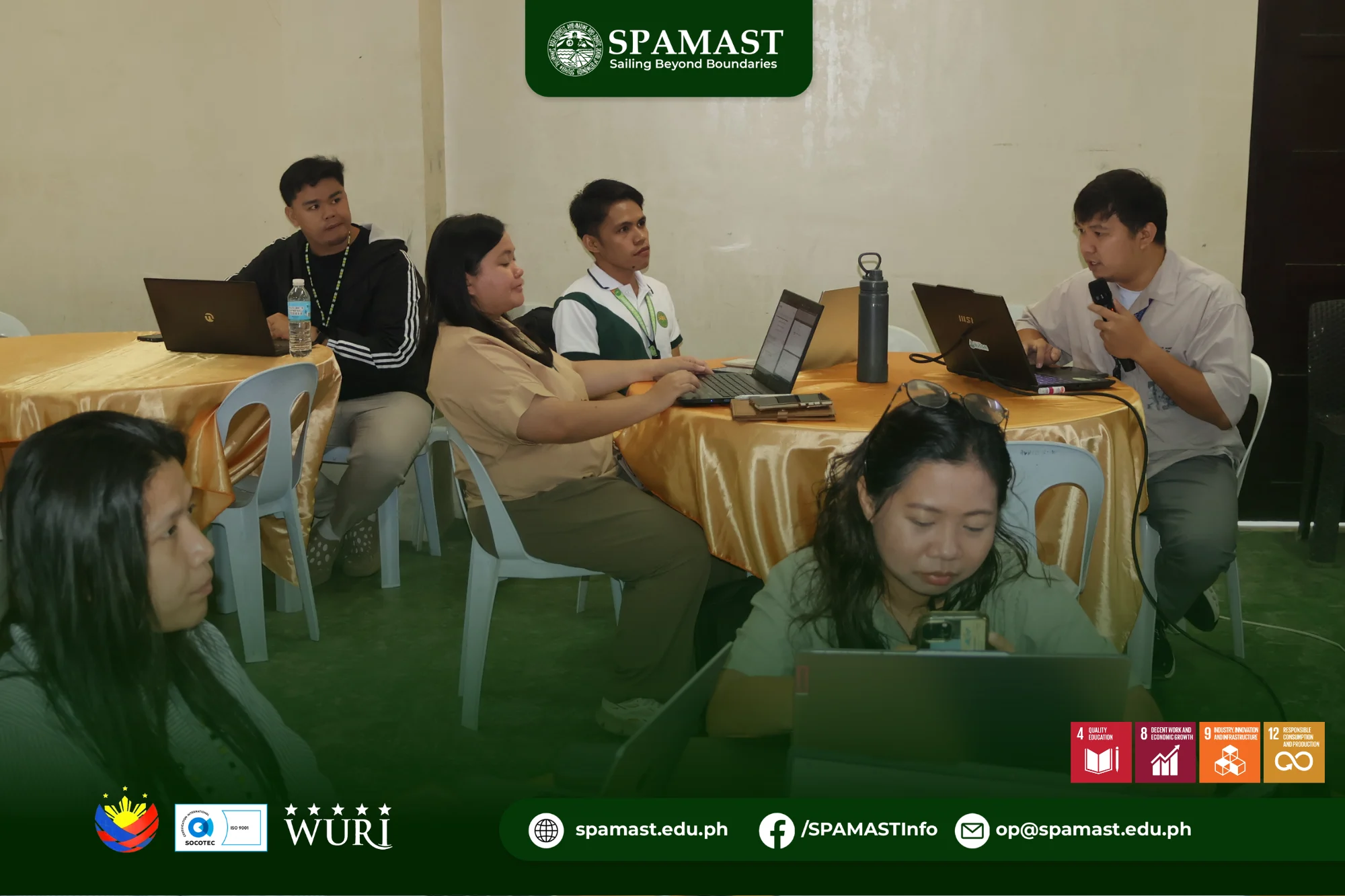
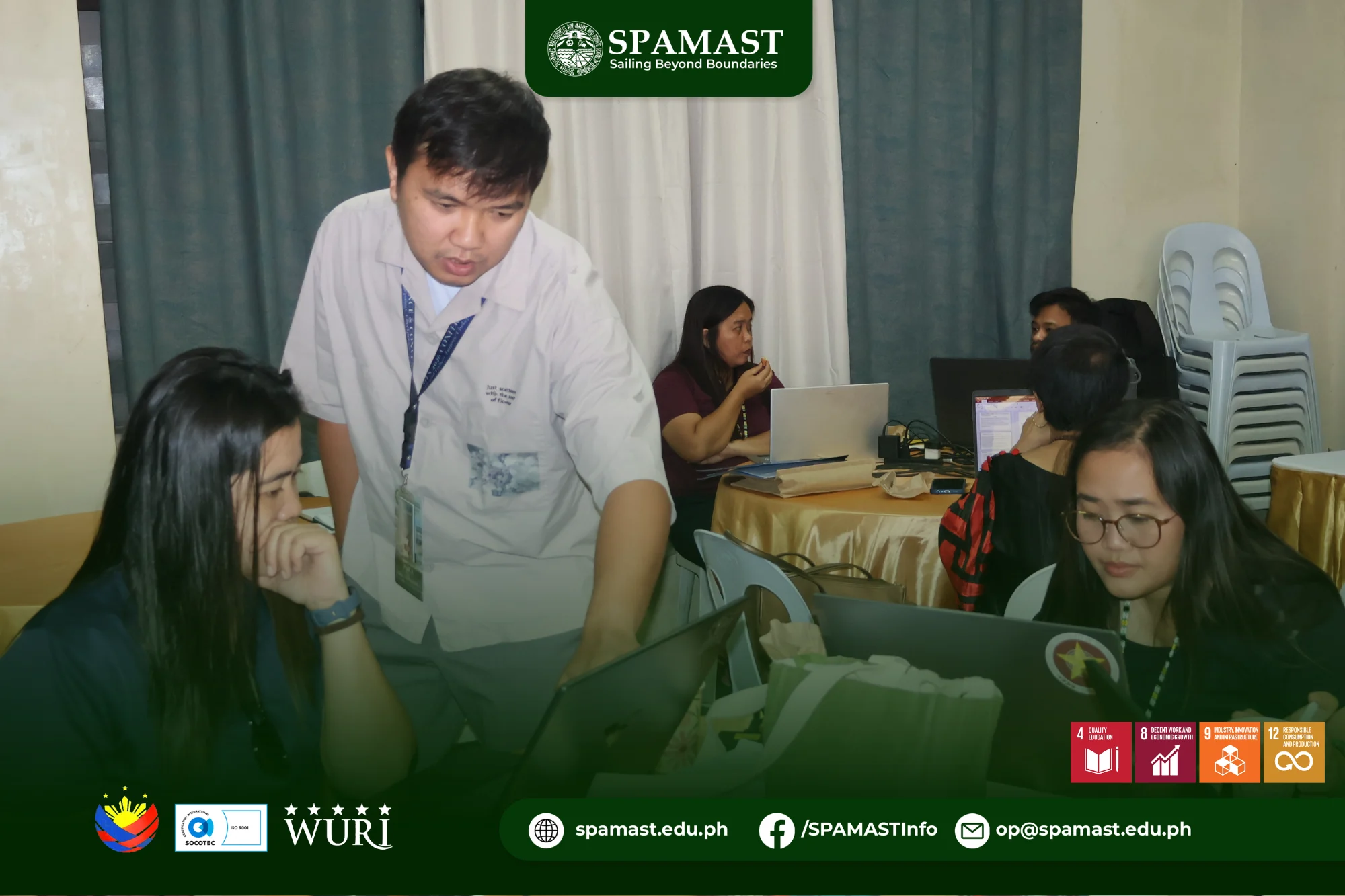
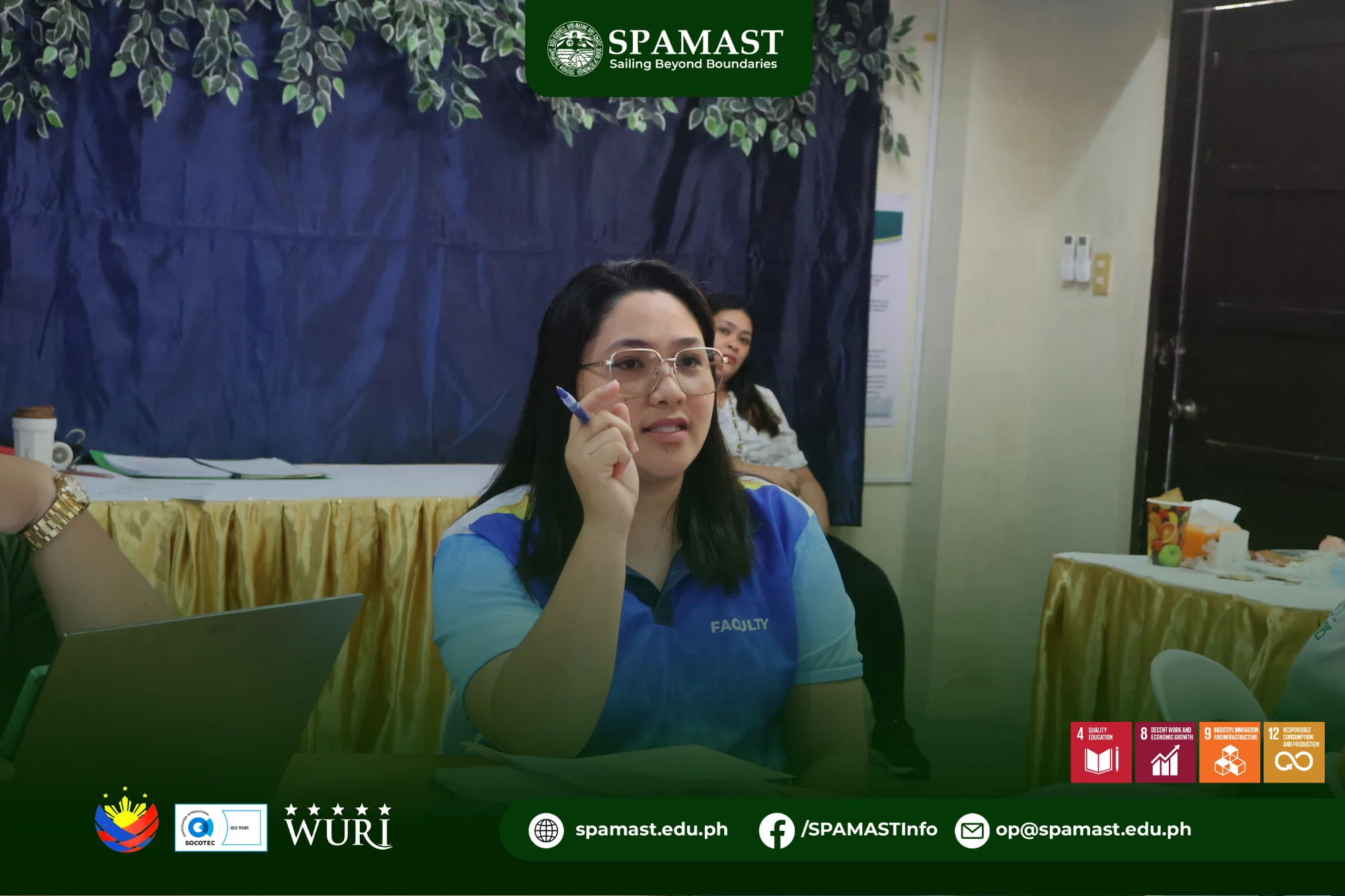
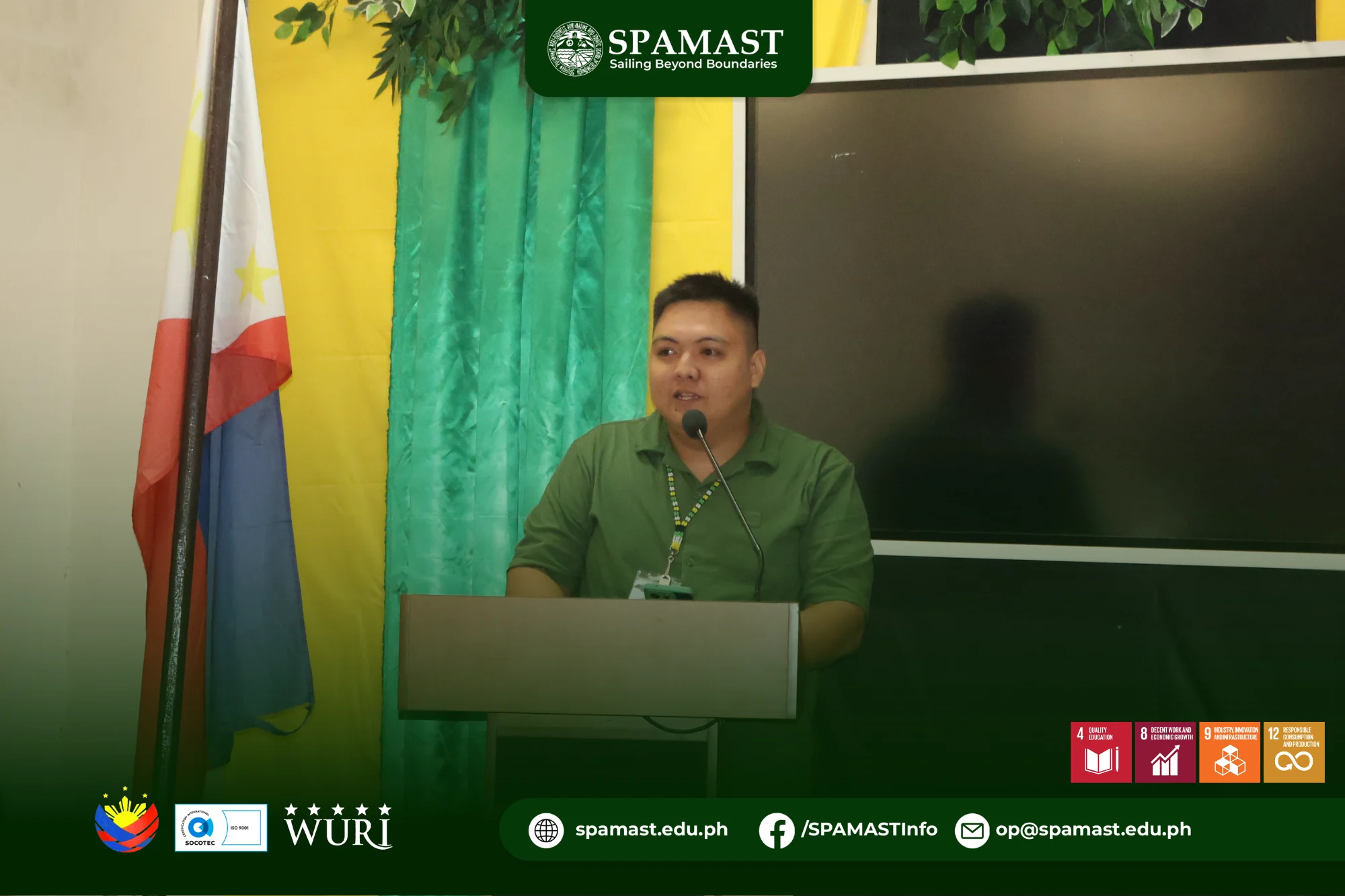
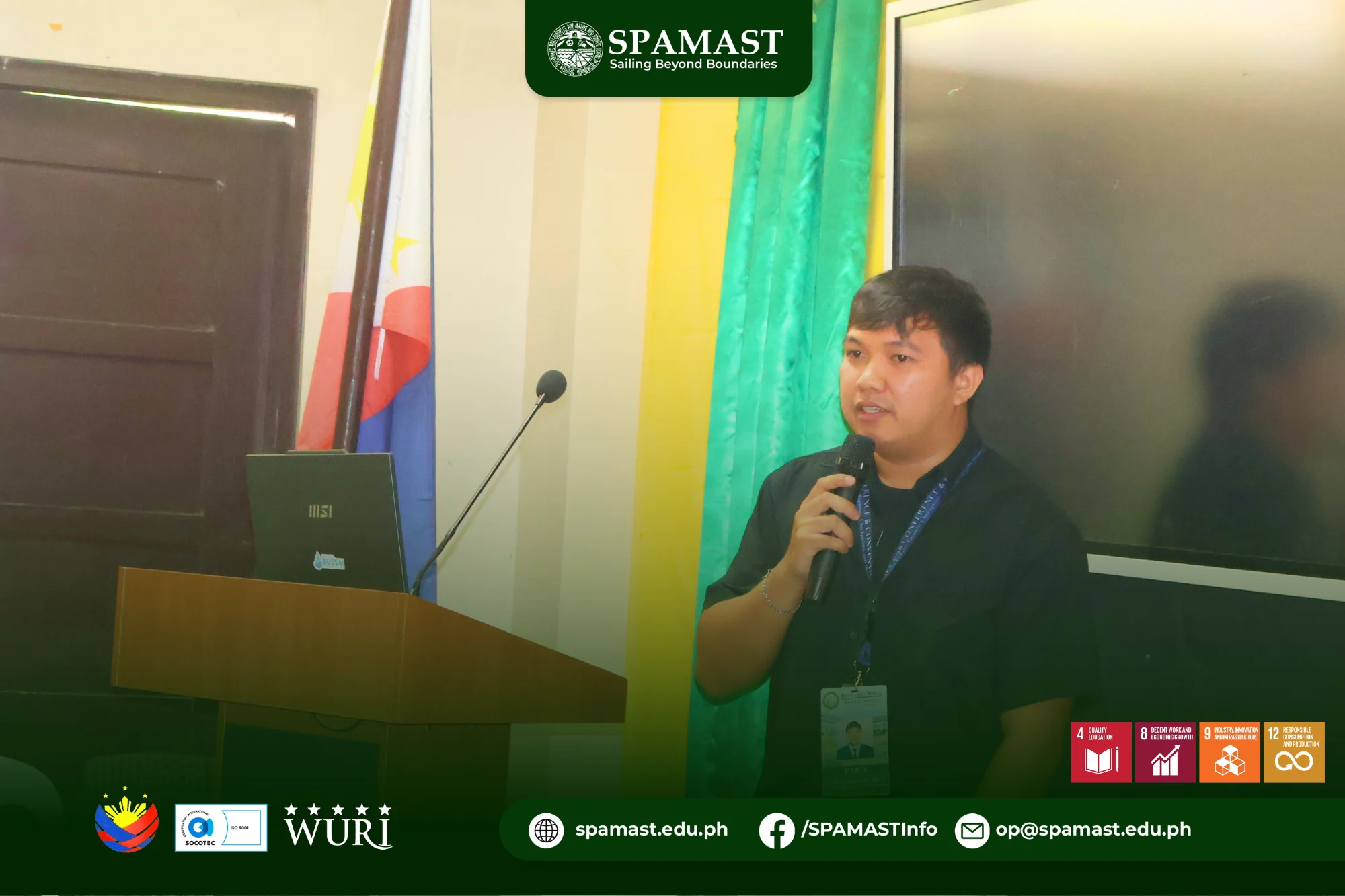
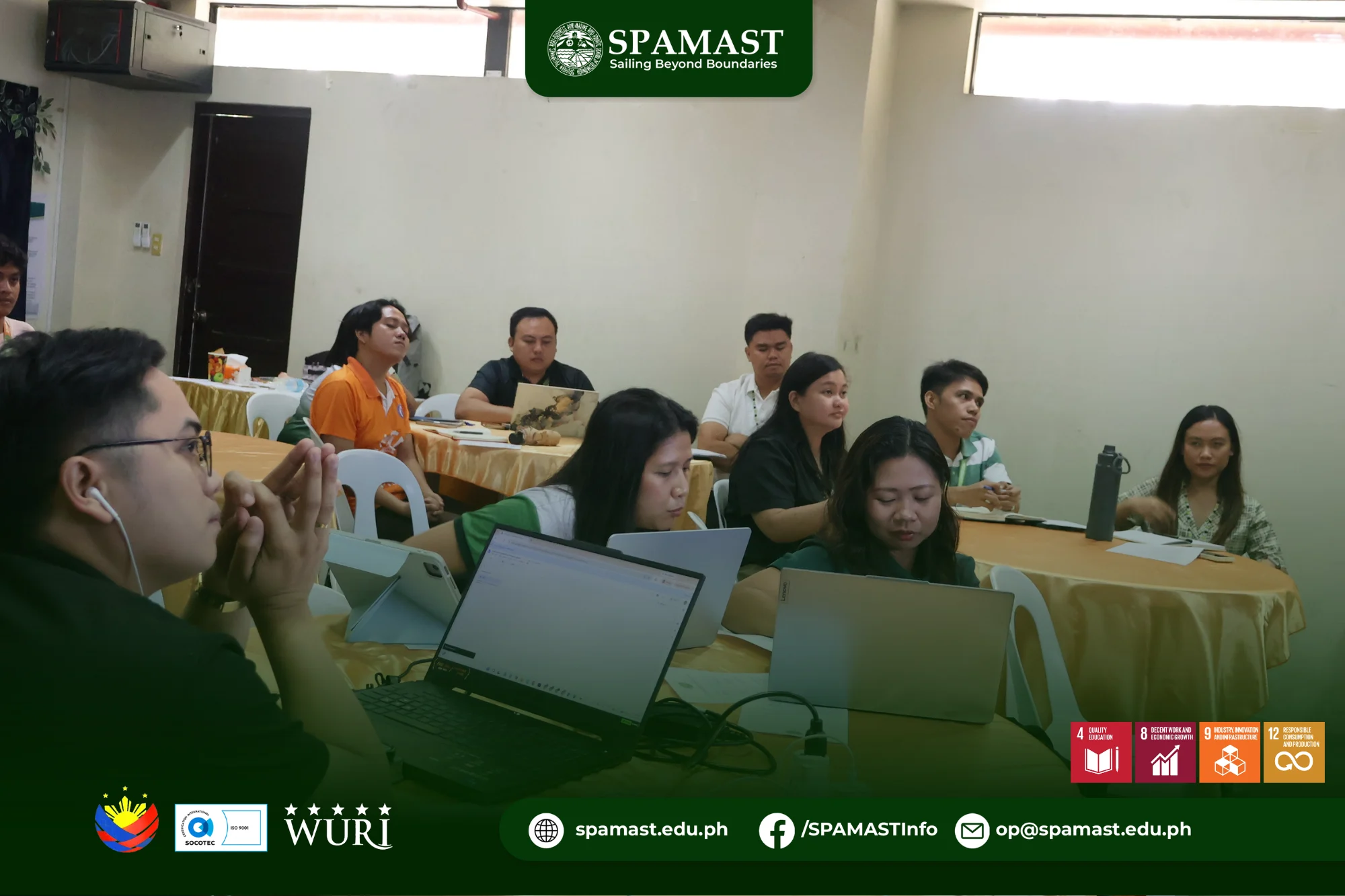
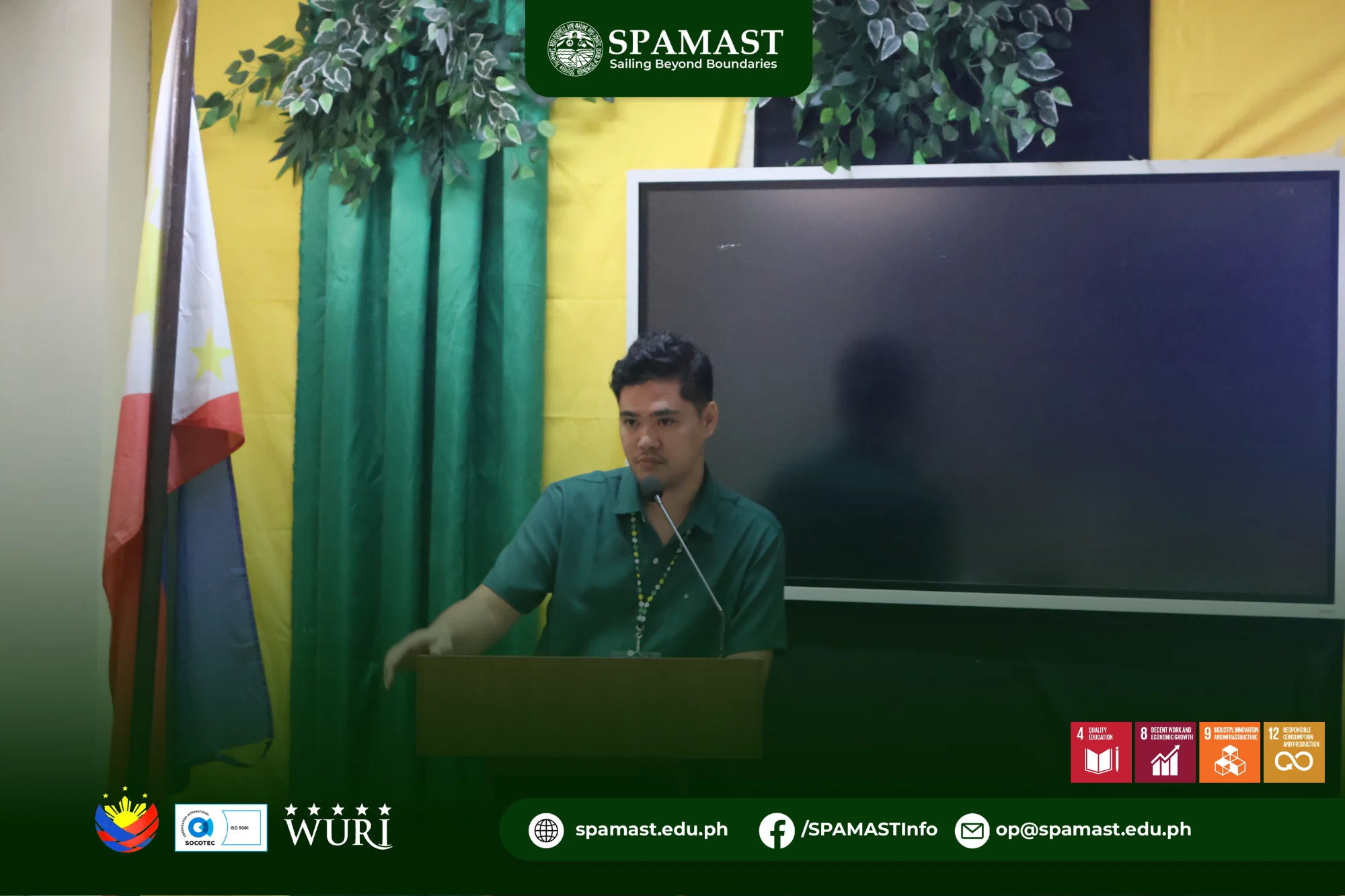
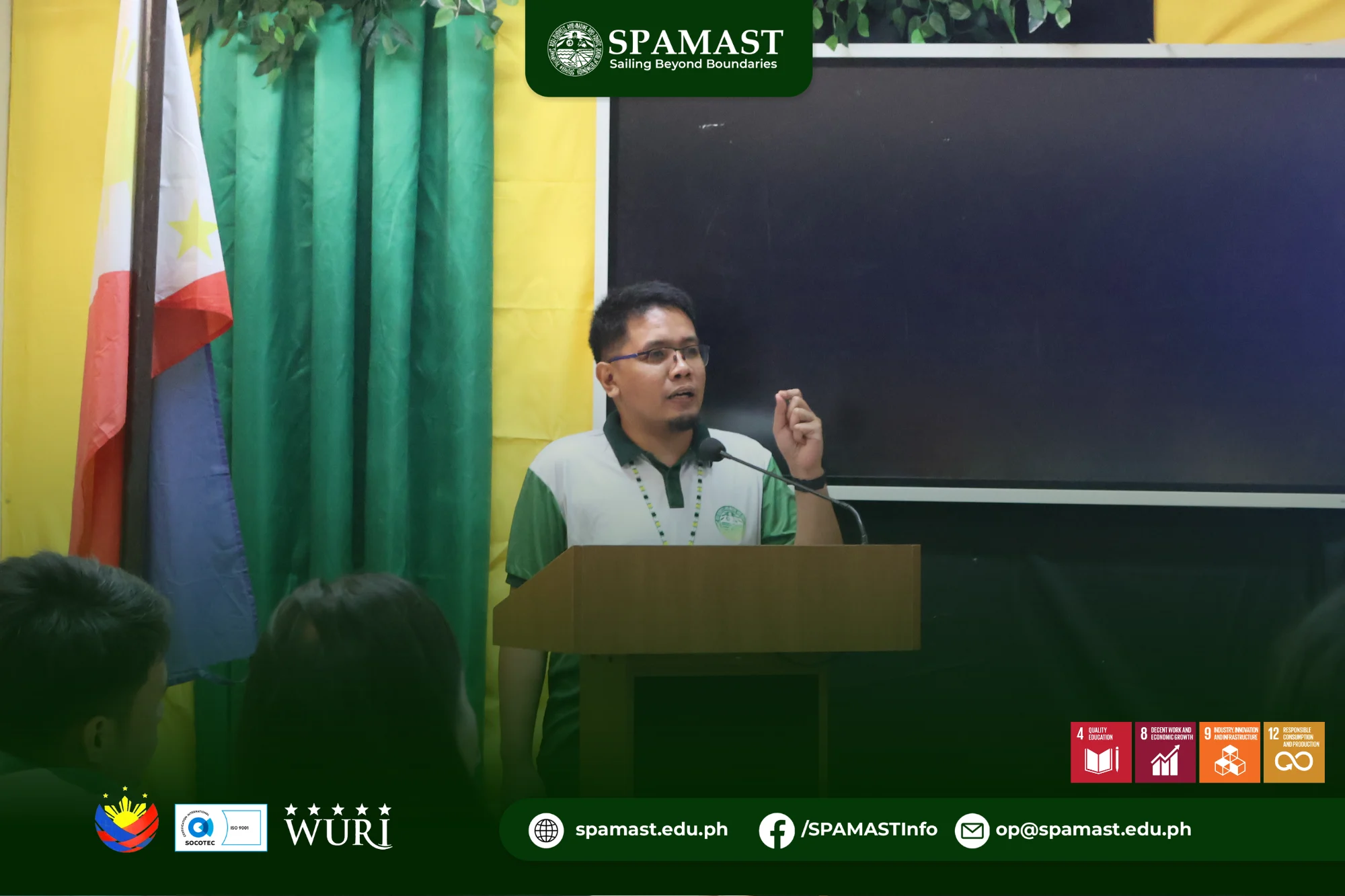
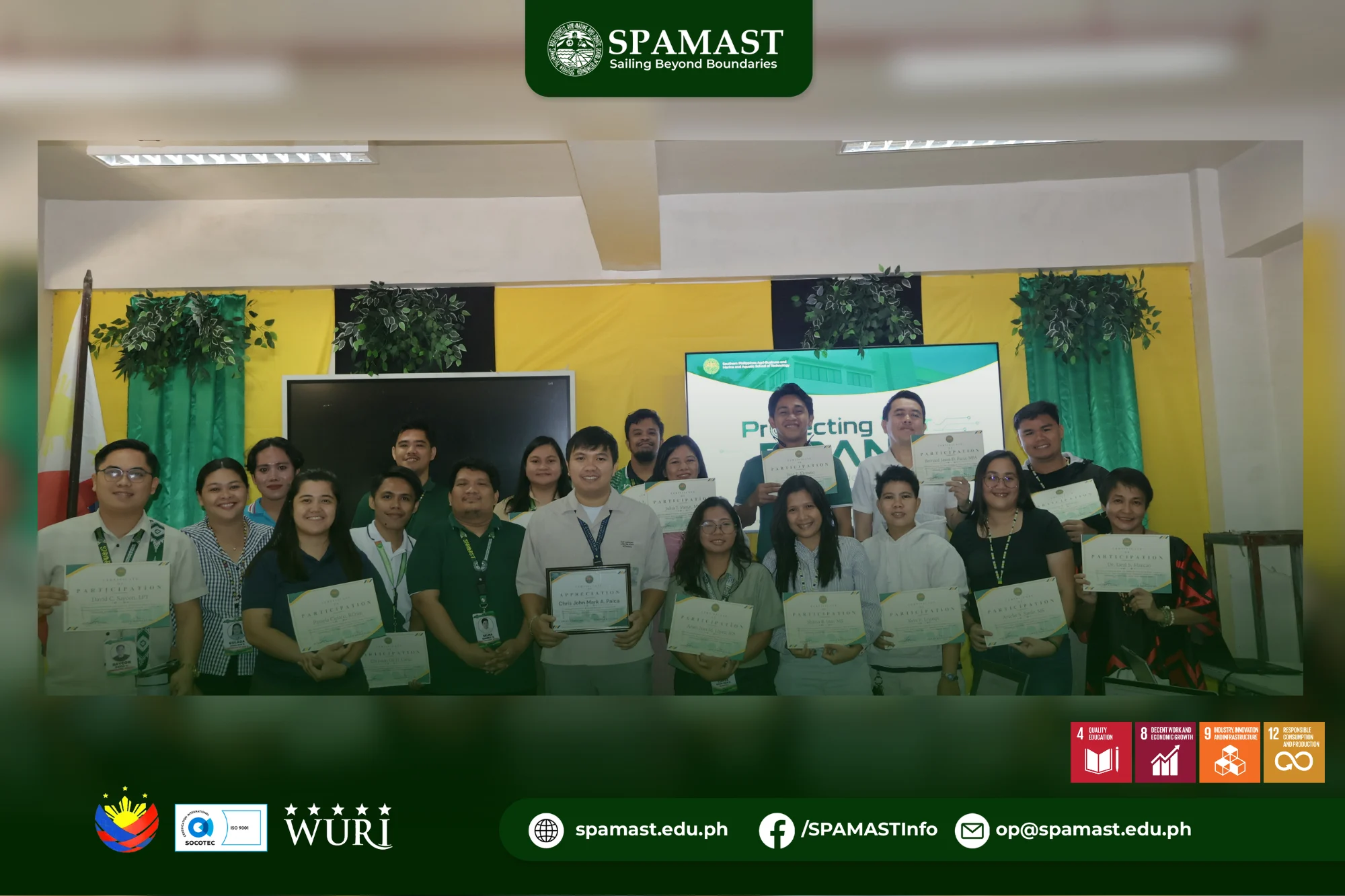
 MALITA, DAVAO OCCIDENTAL – The Southern Philippines Agri-Business and Marine and Aquatic School of Technology (SPAMAST) strengthened its commitment to innovation and intellectual property protection through the two-day seminar-workshop, “Protecting Your Brand: A Seminar on Trademark Awareness, Registration, and Protection,” held on October 14–15, 2026. The activity aimed to improve participants’ understanding of intellectual property rights, trademark registration, and the legal measures available to protect brands and innovative outputs.
The seminar opened with remarks from Dr. Edelyn S. Albiso, Vice President for Research, Innovation, and Development (RIDE), duly represented by the Director for ESO, Mr. Kher Dave Donos, followed by an overview of the activity presented by Ian Roy A. Briones, Project Development Officer II of the Intellectual Property Management Services Office (IPMSO). Mr. Chris John Mark A. Paica served as the resource speaker, discussing intellectual property and its rights, the legal foundations of intellectual property protection, and the essentials of trademarks. The sessions emphasized the importance of recognizing and protecting original names, symbols, and other distinctive identifiers that distinguish products and services in the marketplace.
The second day focused on practical application through discussions and workshop activities on trademark searching and application drafting. Participants prepared and presented their outputs, allowing them to apply the concepts discussed during the seminar. A post-test, certificate distribution, and closing remarks by Rogeric R. Selma, Acting Head of IPMSO, concluded the activity. The seminar-workshop reinforced the role of intellectual property management in supporting research commercialization, safeguarding institutional and community innovations, and encouraging the responsible development of products and services.
The initiative contributes to the United Nations’ 17 Sustainable Development Goals (SDGs), particularly SDG 9: Industry, Innovation and Infrastructure, by promoting innovation and the protection of intellectual outputs; SDG 4: Quality Education, through capacity-building and practical learning; SDG 8: Decent Work and Economic Growth, by strengthening the potential of protected brands to support entrepreneurship and economic activity; and SDG 12: Responsible Consumption and Production, by encouraging the development and responsible management of marketable products. Through this initiative, SPAMAST continues to promote an institutional environment where knowledge, creativity, and innovation can be developed and protected for sustainable growth.