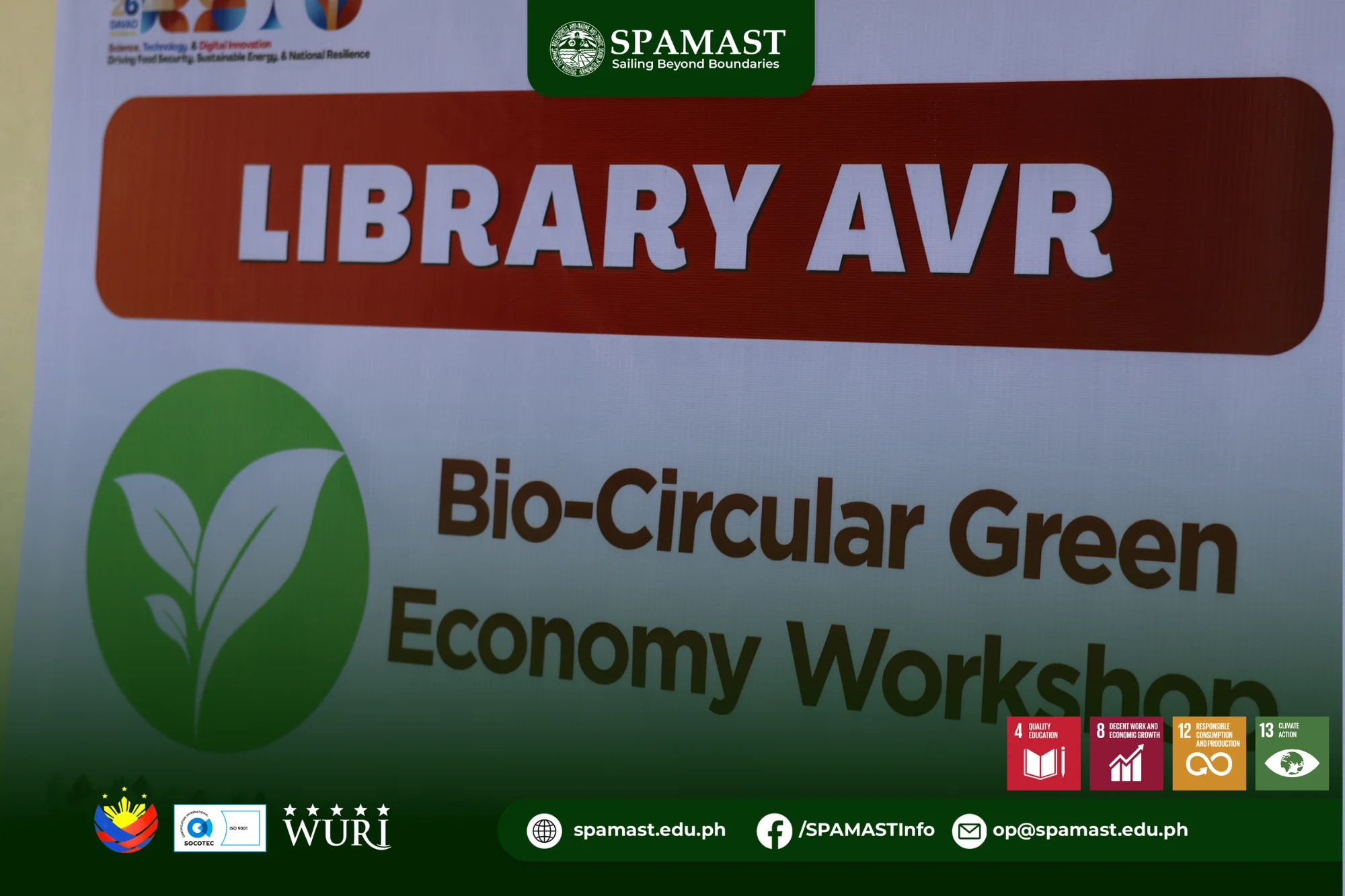
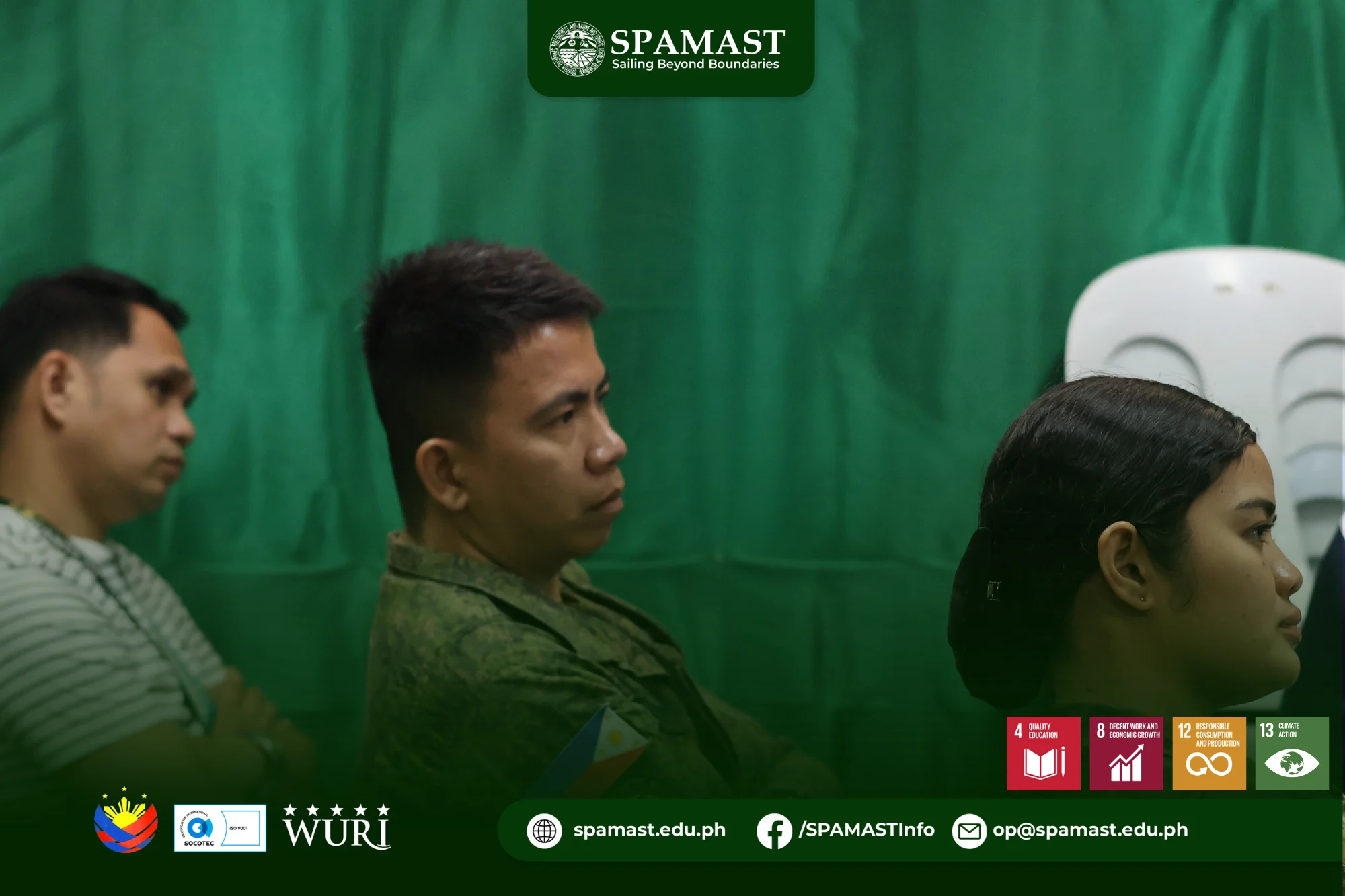
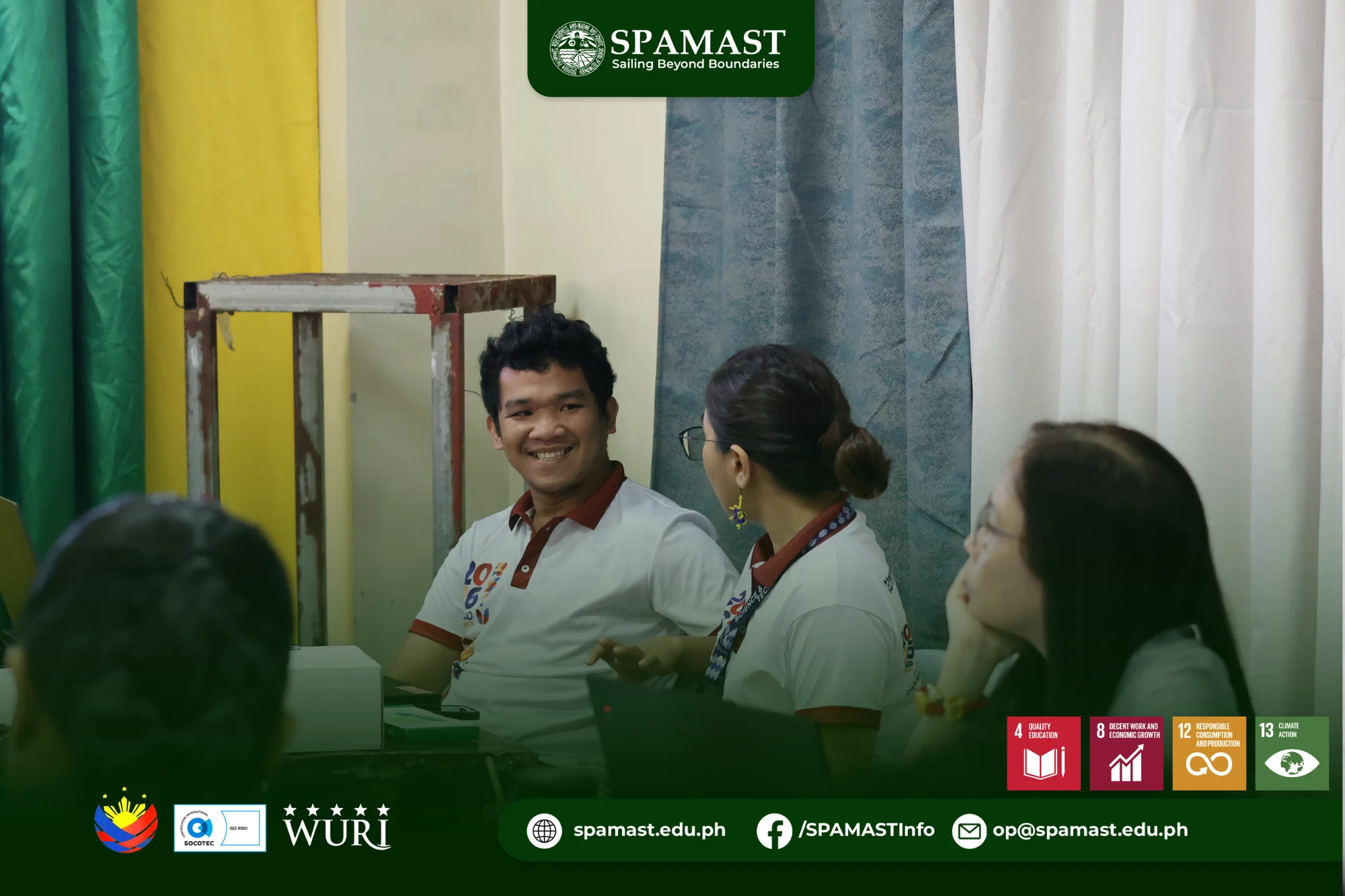
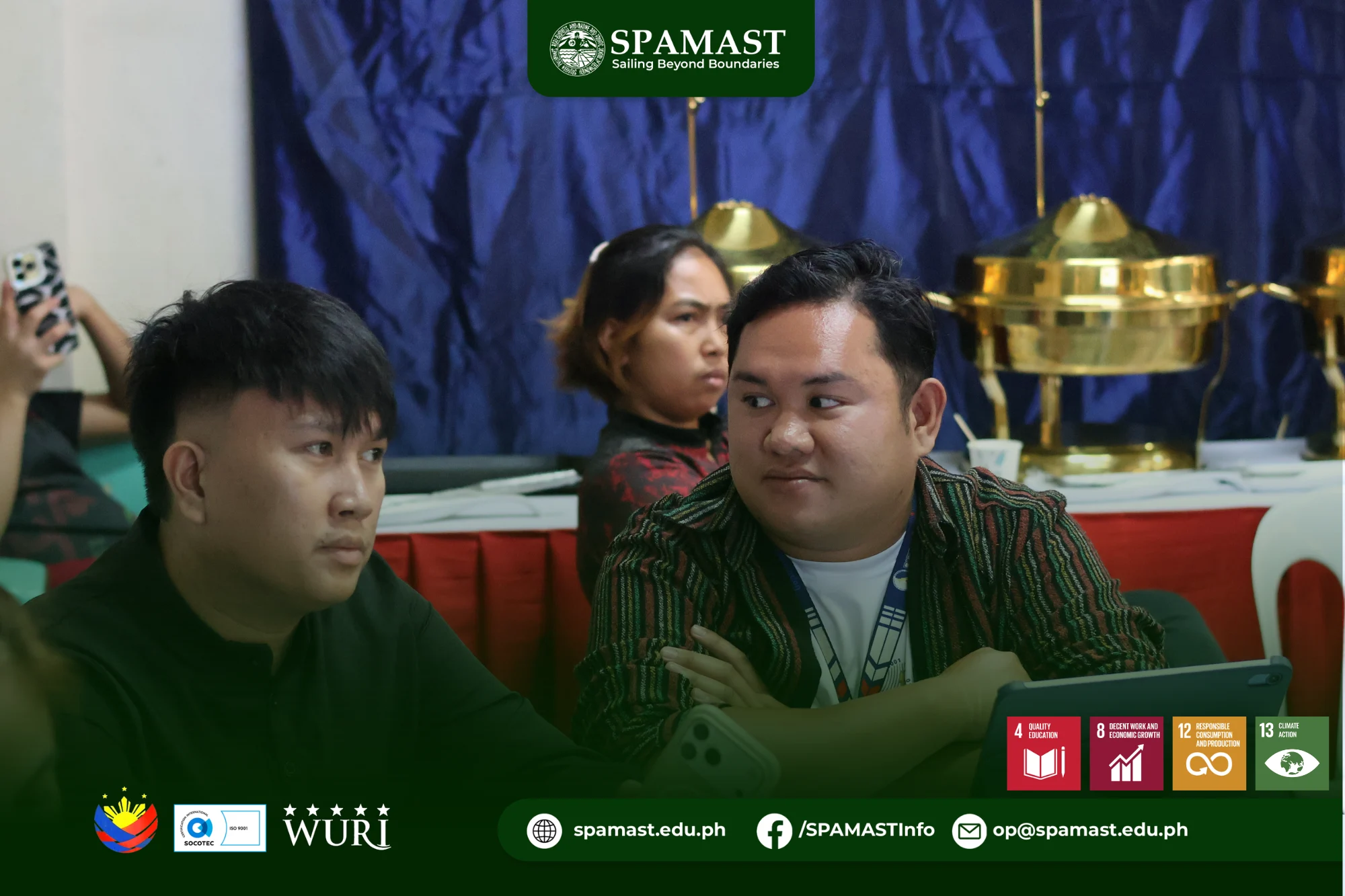
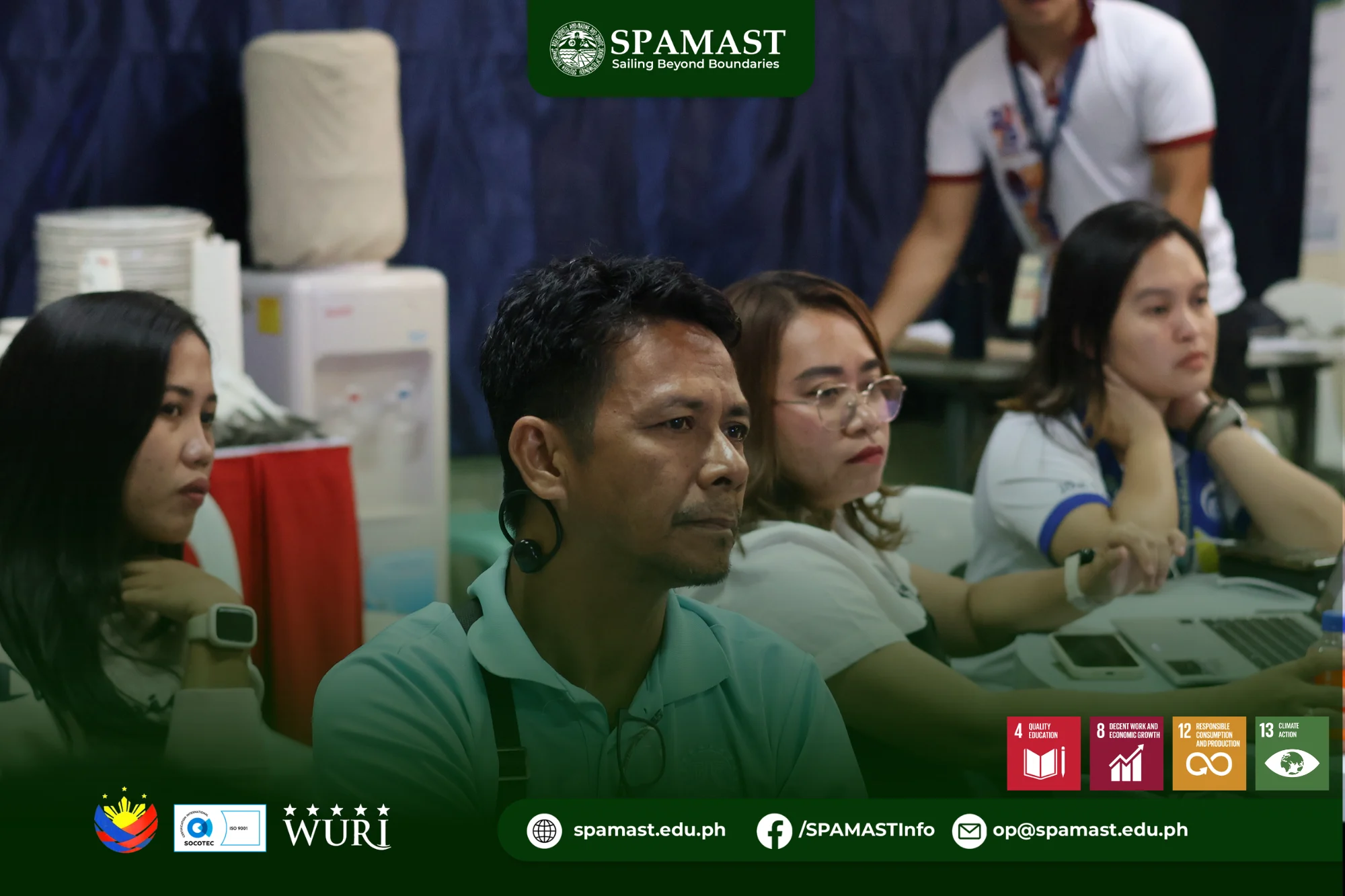
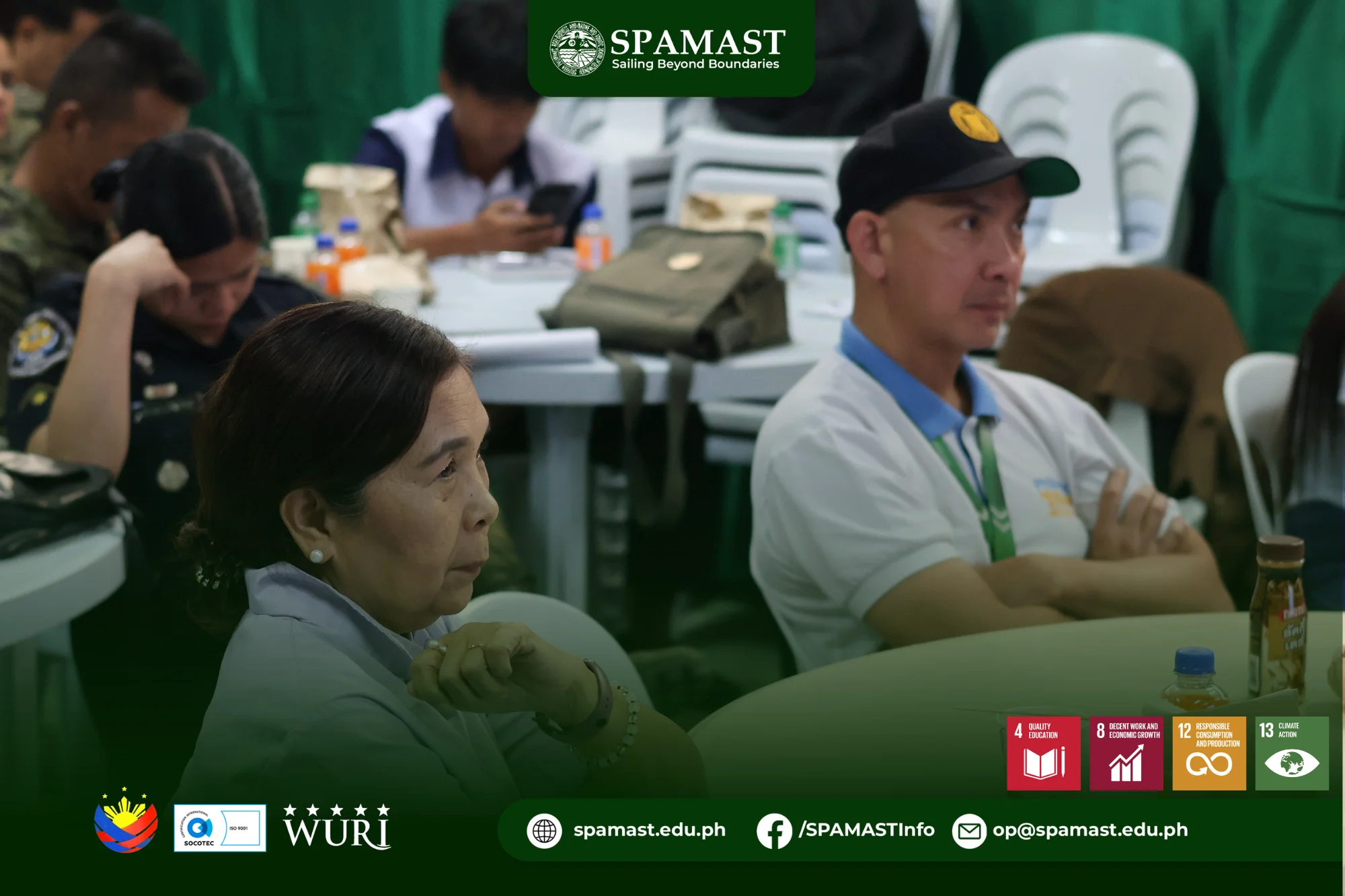
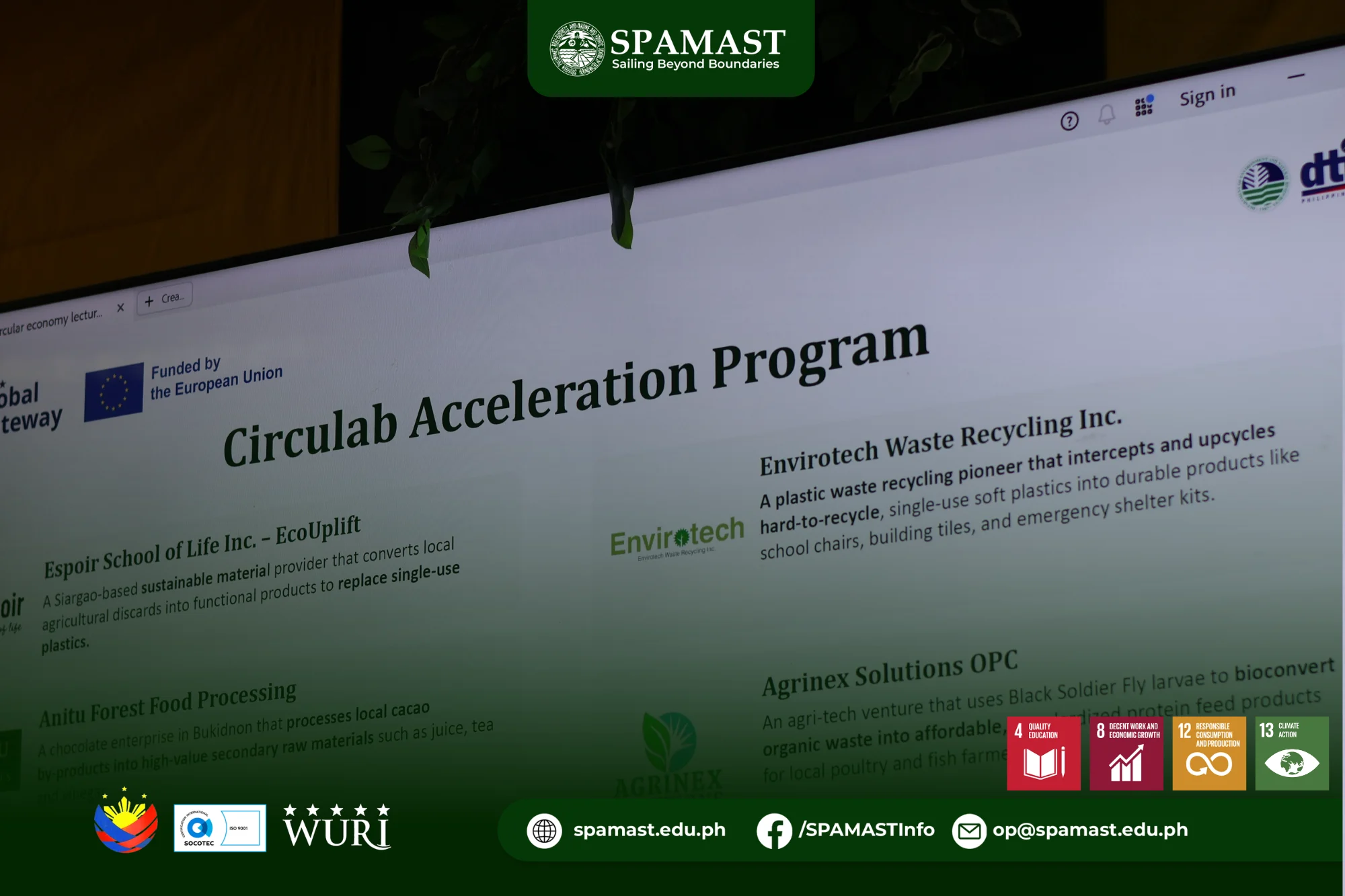
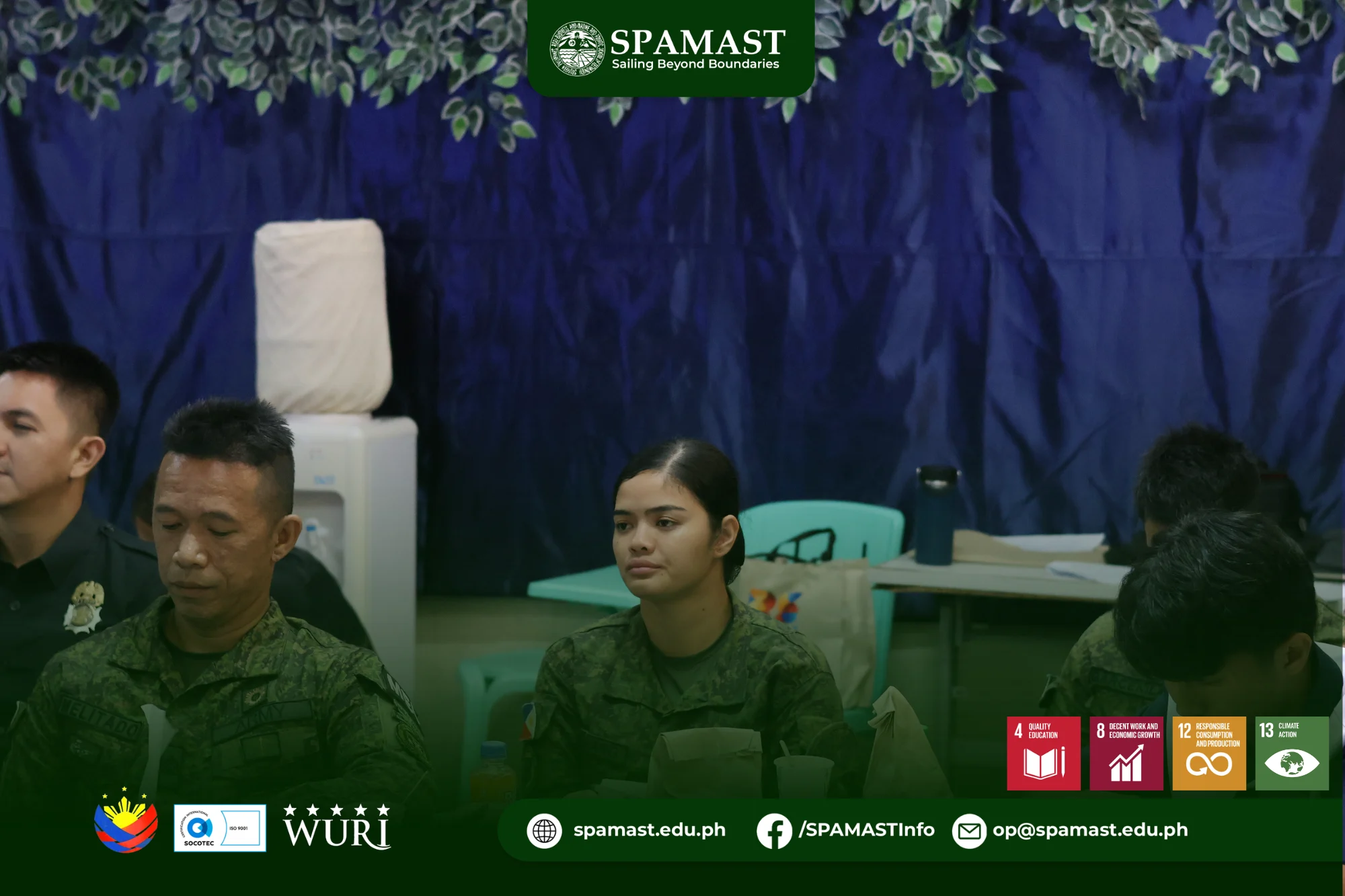
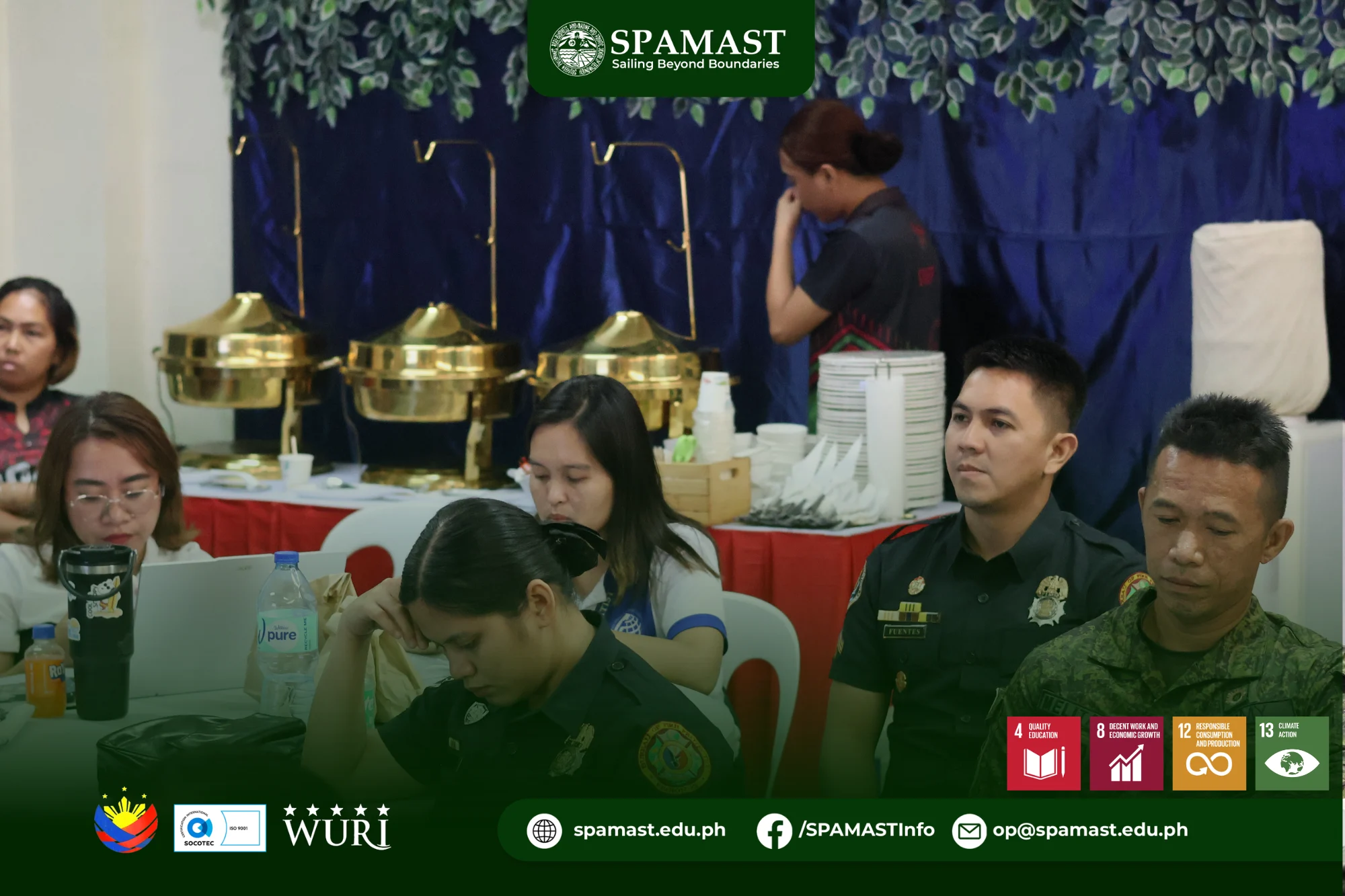
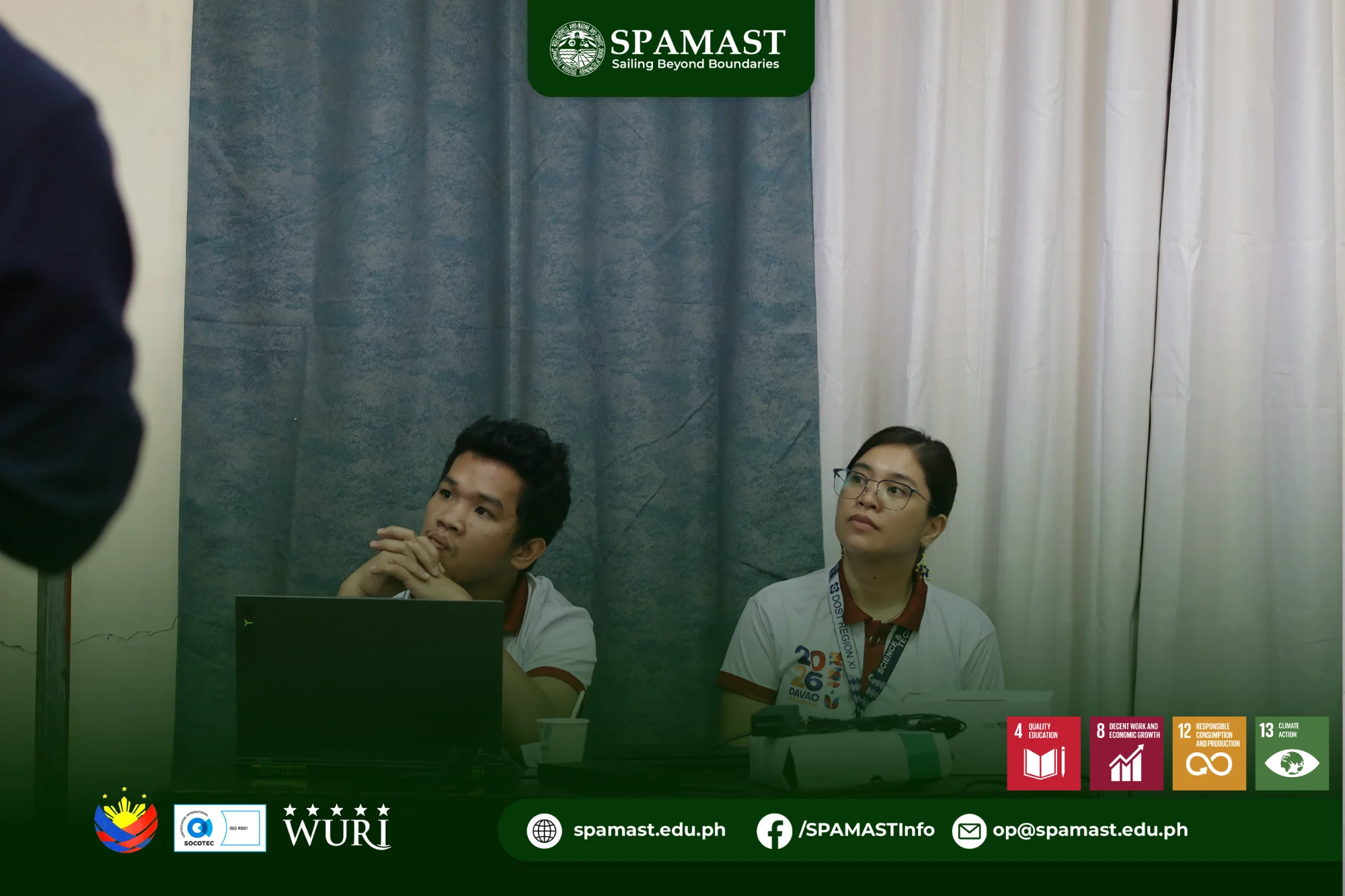
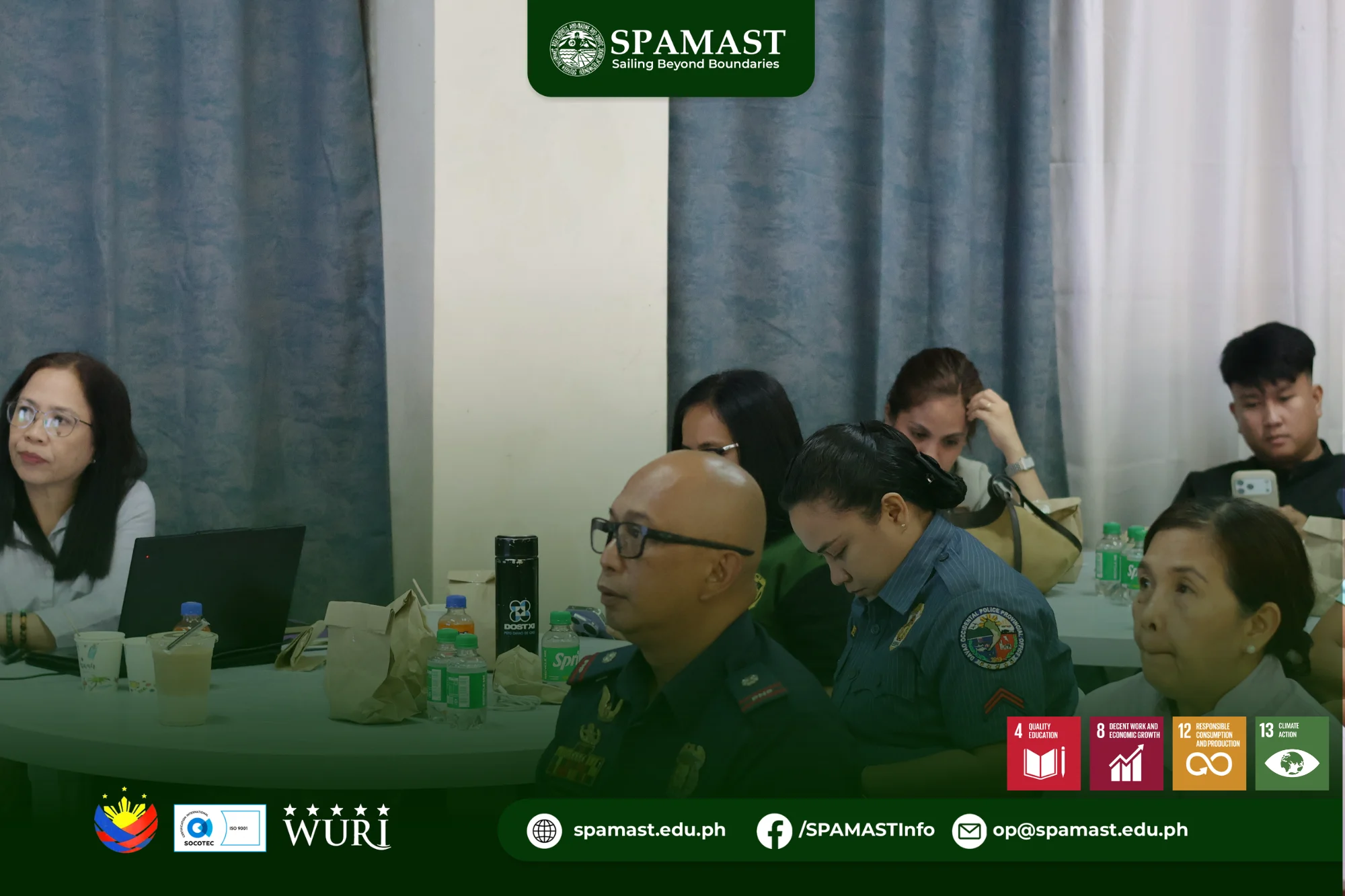
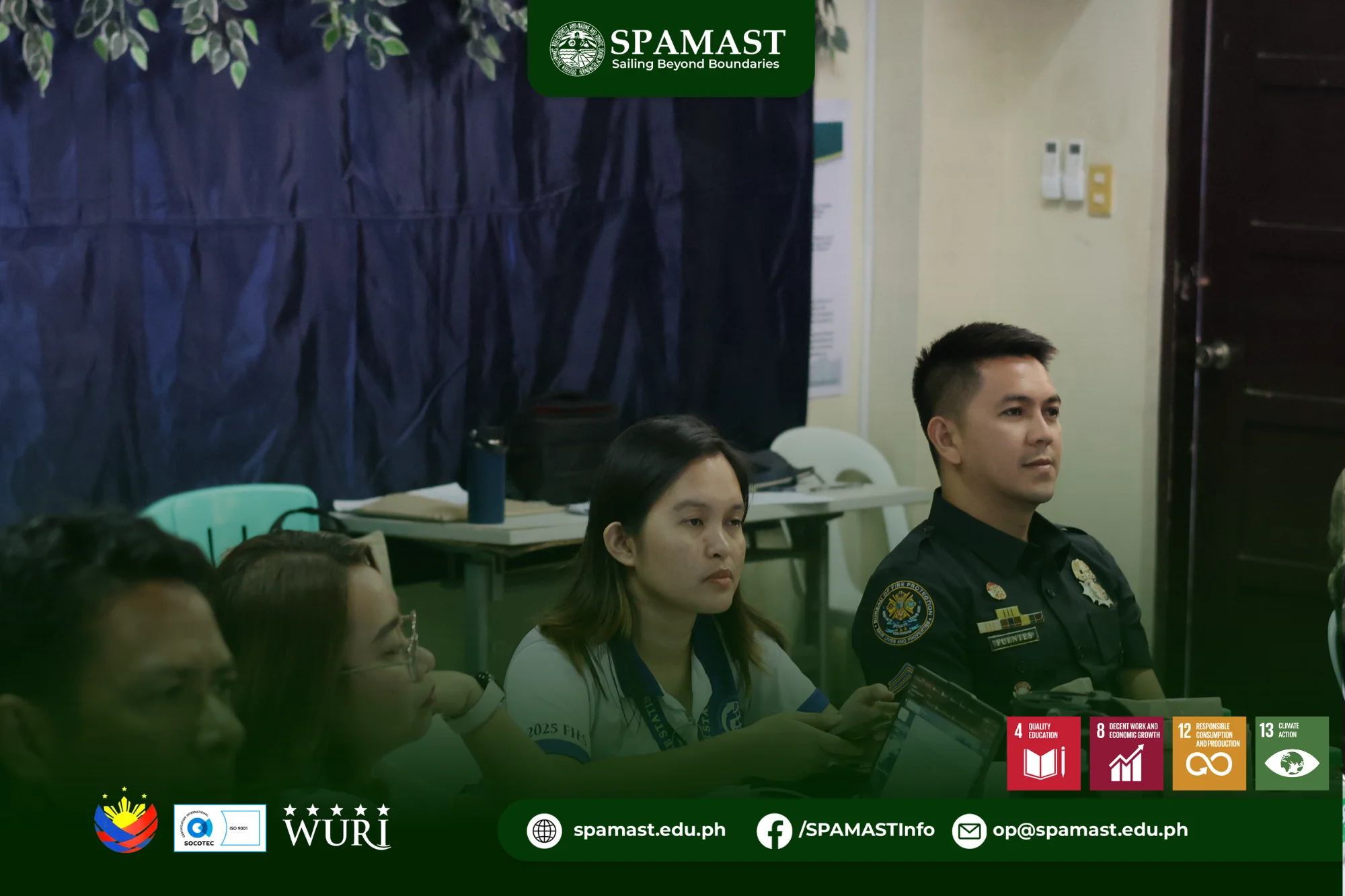
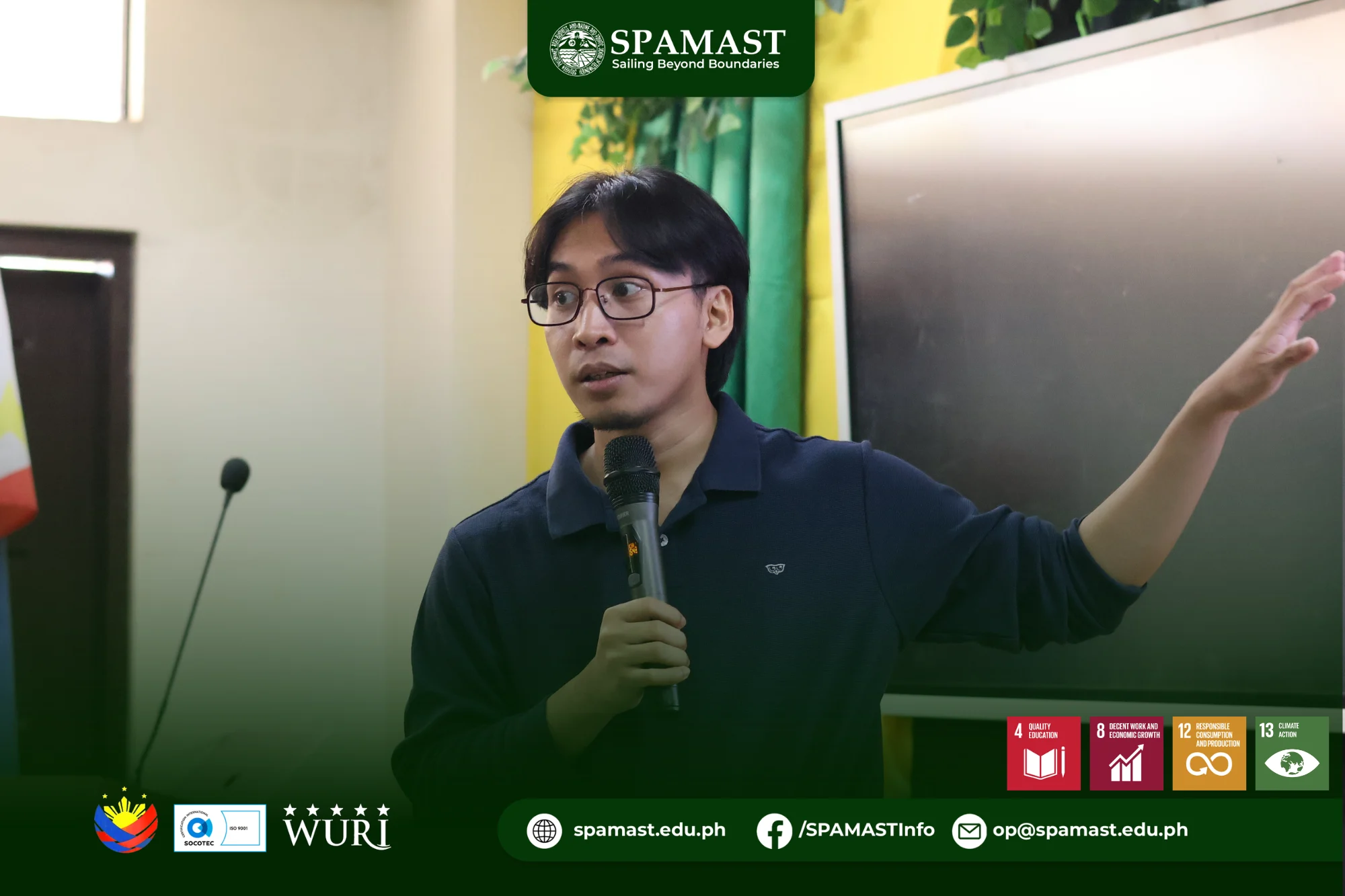
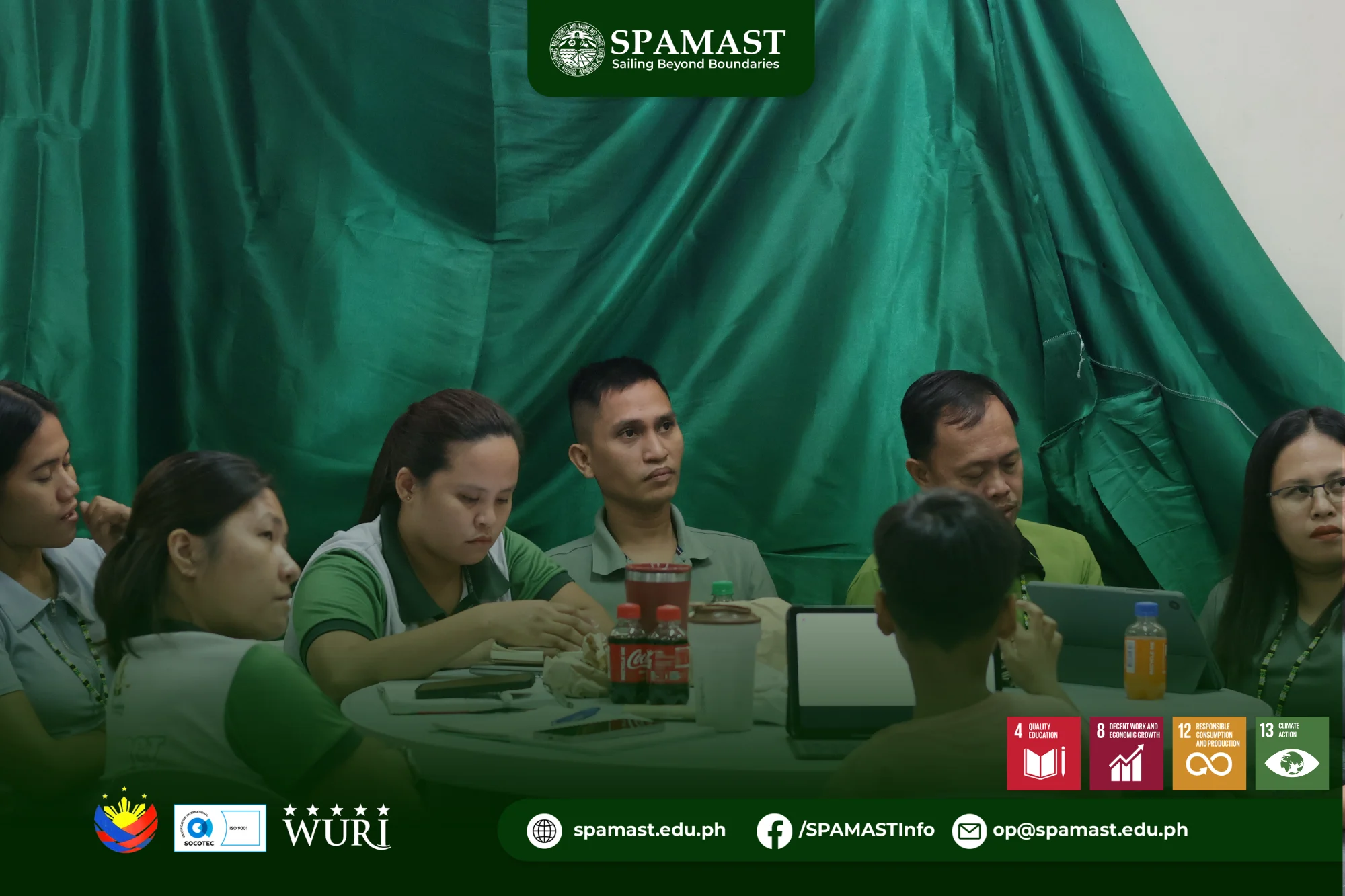
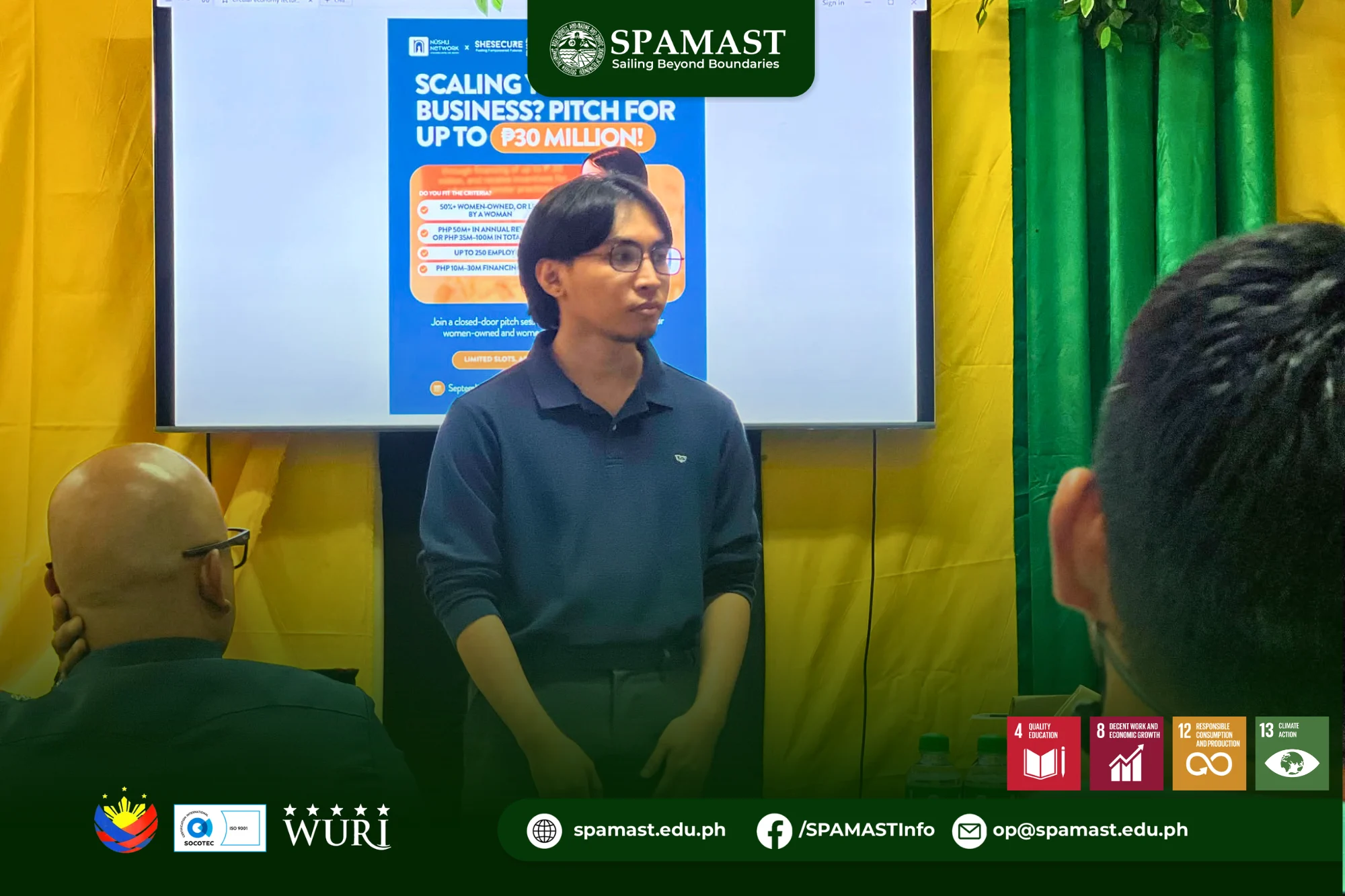
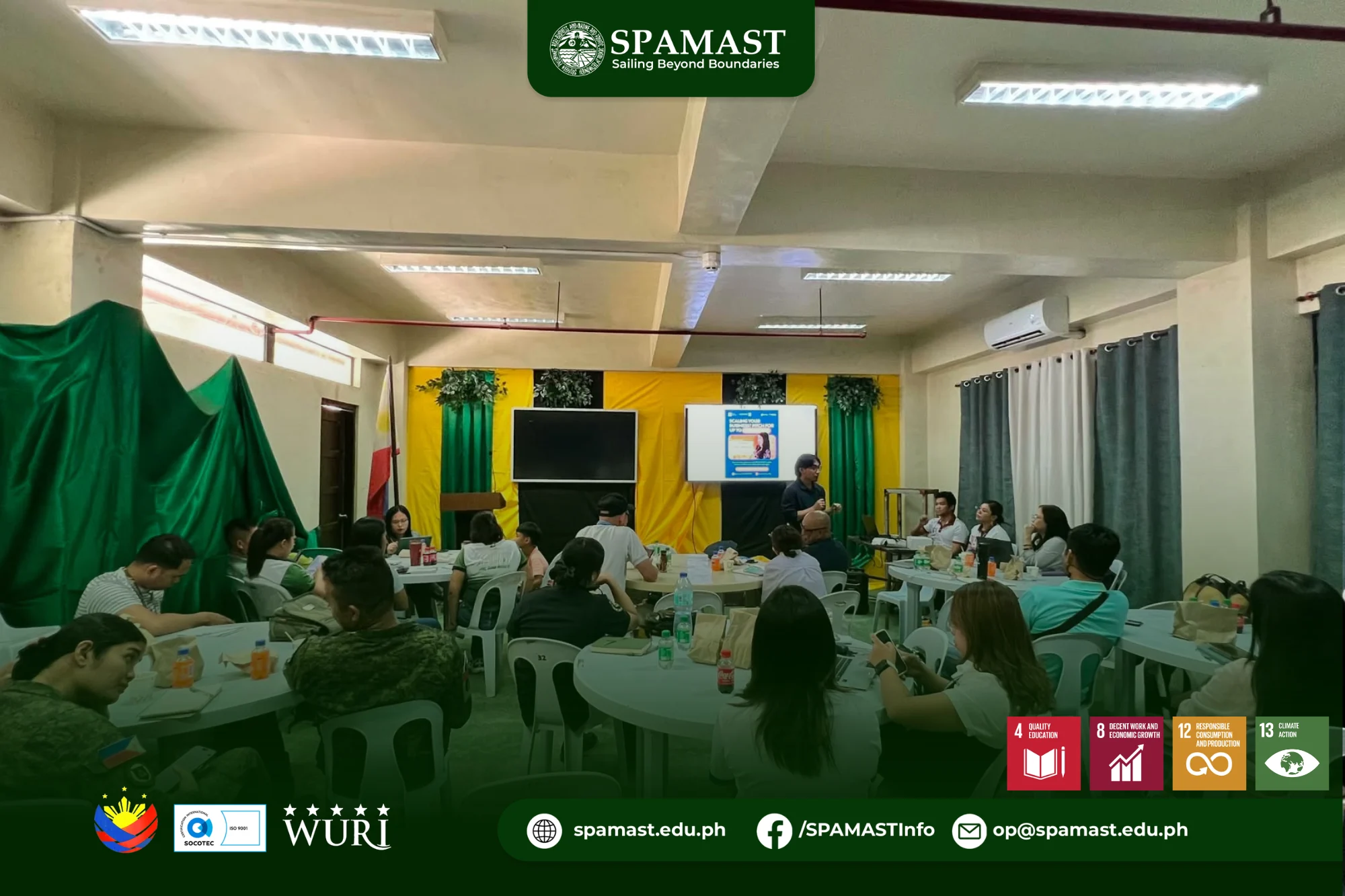
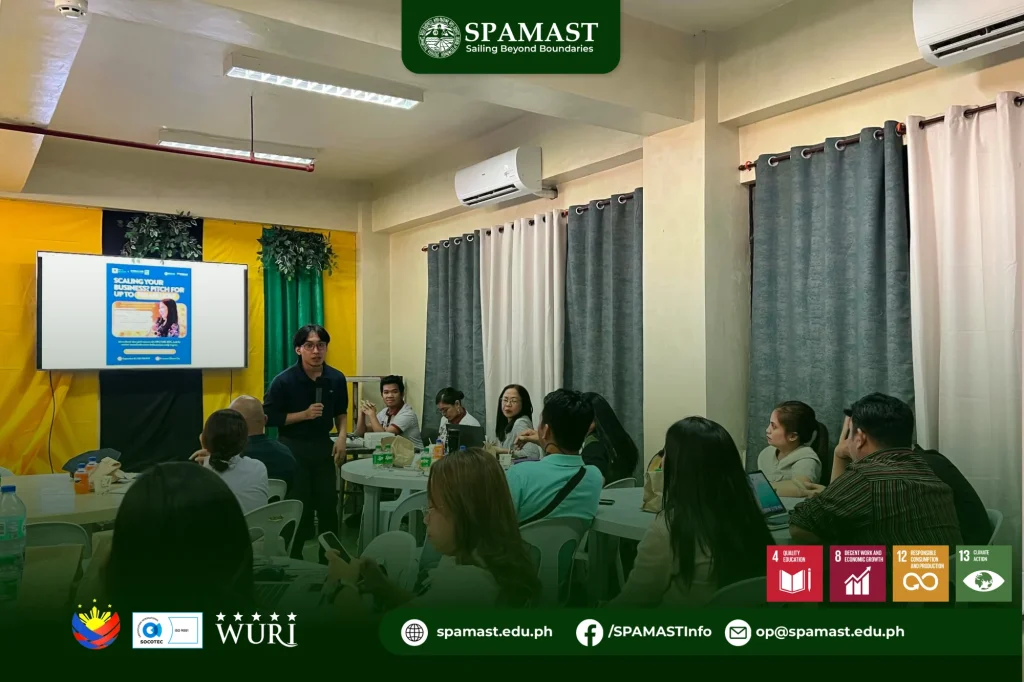
 Selected faculty members of the Southern Philippines Agri-Business and Marine and Aquatic School of Technology (SPAMAST) participated in the Bio-Circular Green Economy Workshop held as part of the 2026 Regional Science, Technology, and Innovation Week (RSTW) in Davao Occidental on September 1–2, 2026, at the SPAMAST Main Campus in Malita. The workshop featured Mr. Richard R. Day, President of Upgrade InnoLab, Inc., as resource person and introduced participants to the principles and practical applications of the Bio-Circular Green Economy. The session emphasized innovative and sustainable approaches that promote resource efficiency, environmental stewardship, sustainable livelihoods, and inclusive economic growth.
Implemented under the Community Empowerment through Science and Technology (CEST) Program’s Sustainable Livelihoods priority area, in partnership with Upgrade InnoLab, Inc., the workshop provided participants with insights into how biological resources and circular systems can be utilized more efficiently while reducing waste and environmental impact. The discussions highlighted the importance of developing practical solutions that balance economic activity with environmental responsibility. For SPAMAST faculty members, the learning experience provided relevant perspectives that may be applied to instruction, research, extension, and community-based initiatives focused on sustainability and innovation.
The participation of SPAMAST faculty members underscores the College’s commitment to advancing knowledge and innovation toward sustainable community development. The activity is particularly aligned with SDG 4: Quality Education, by strengthening knowledge and professional capacity in sustainable practices; SDG 8: Decent Work and Economic Growth, by promoting sustainable livelihood opportunities; SDG 12: Responsible Consumption and Production, by encouraging efficient resource use and circular approaches; and SDG 13: Climate Action, by advancing environmentally responsible practices that respond to climate and ecological challenges. Through initiatives such as the Bio-Circular Green Economy Workshop, SPAMAST continues to equip its academic community with perspectives that can help transform science, technology, and innovation into meaningful and sustainable solutions.