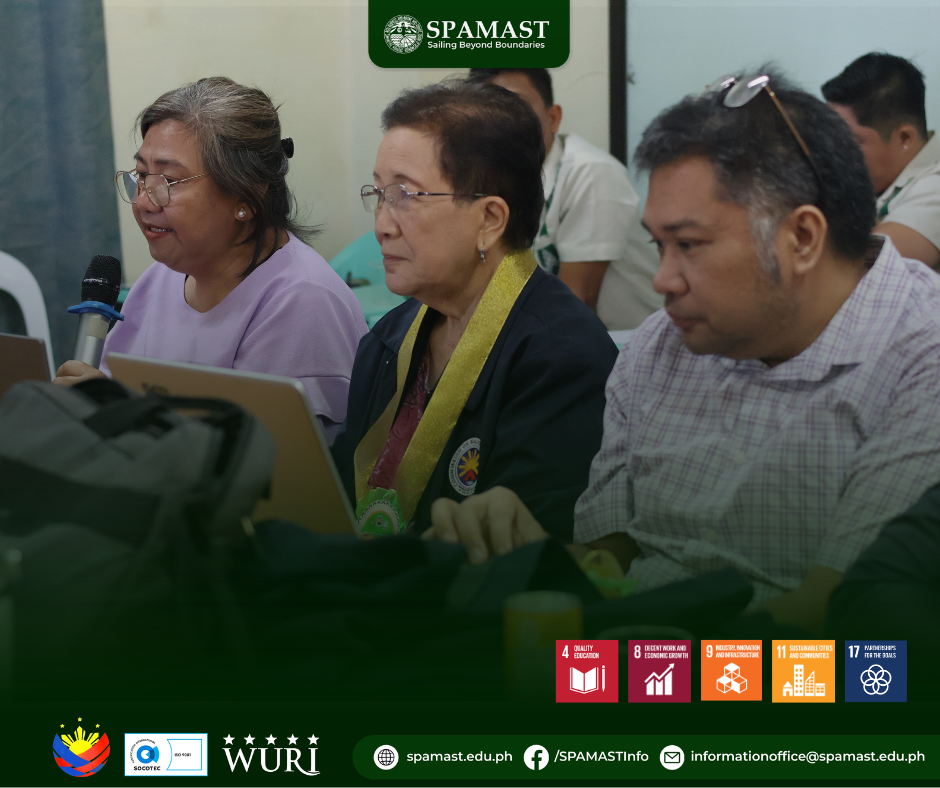
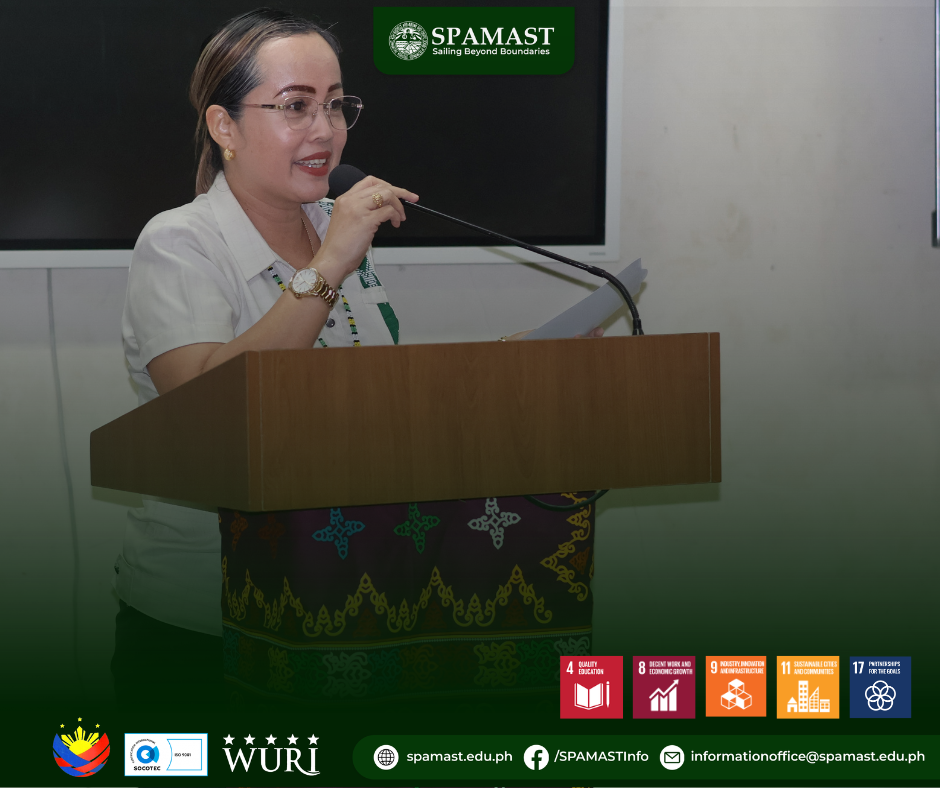
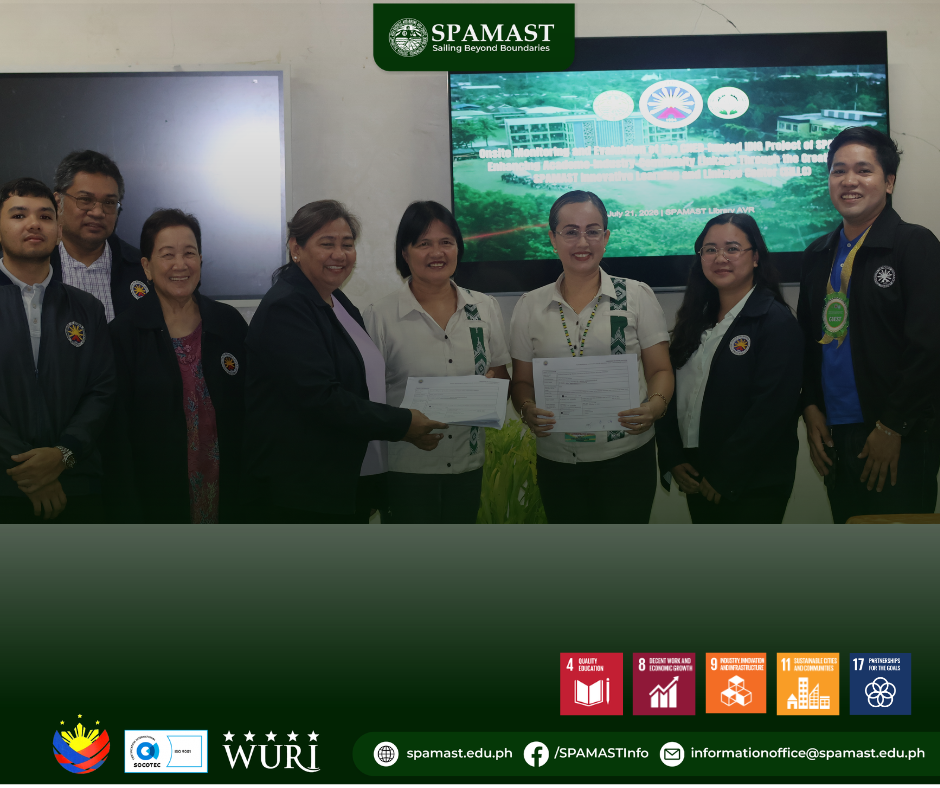
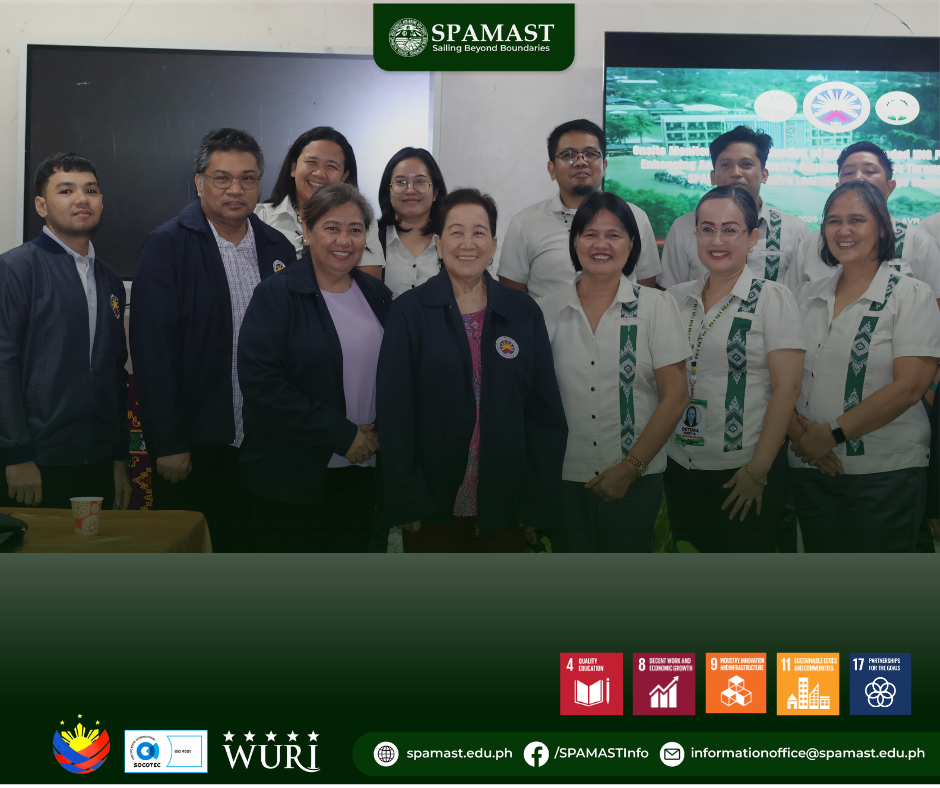
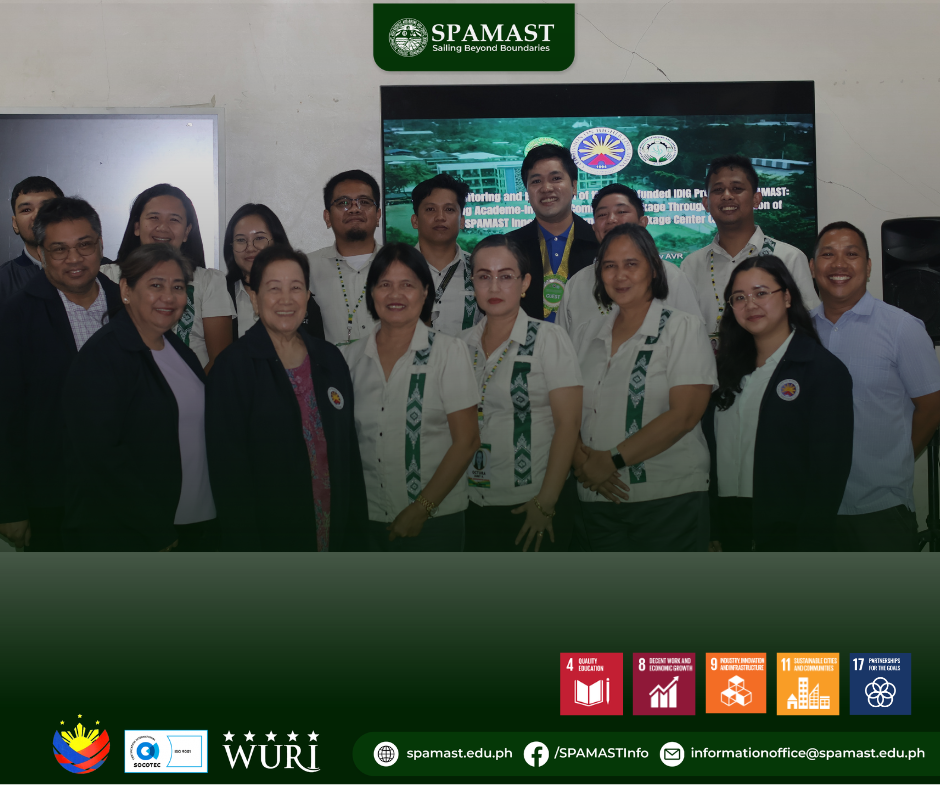
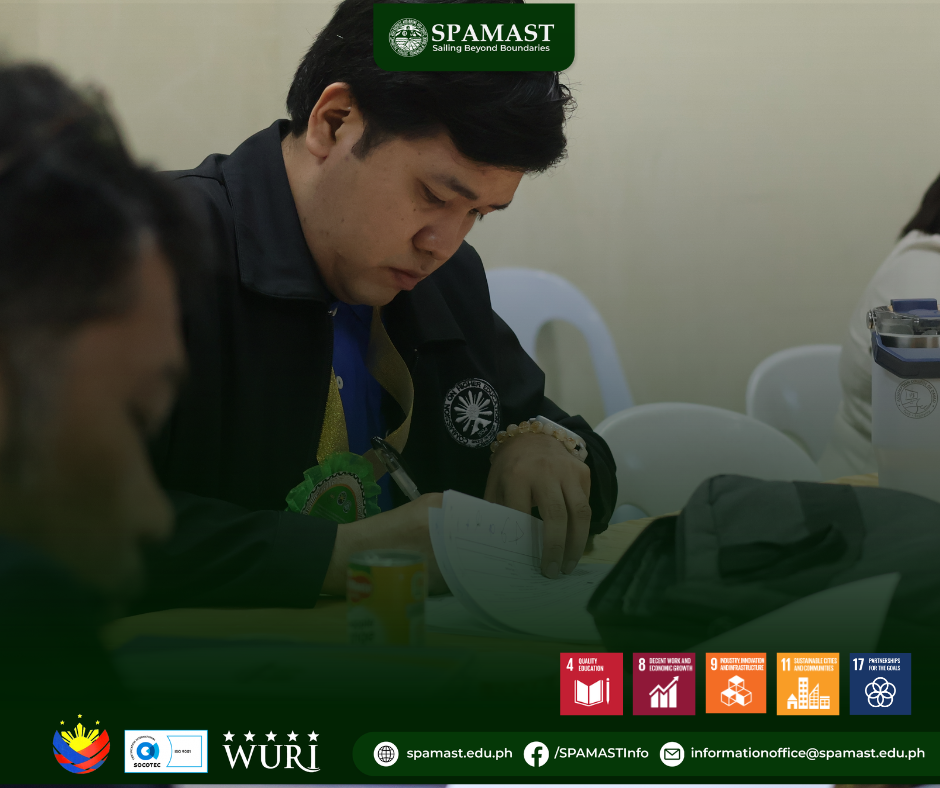
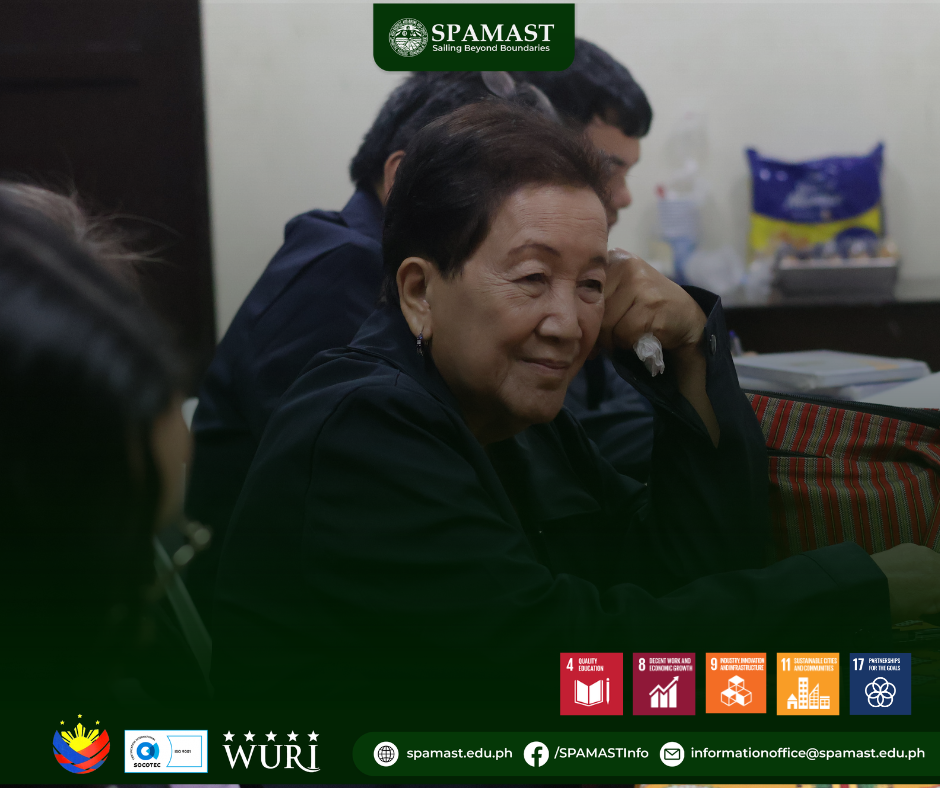
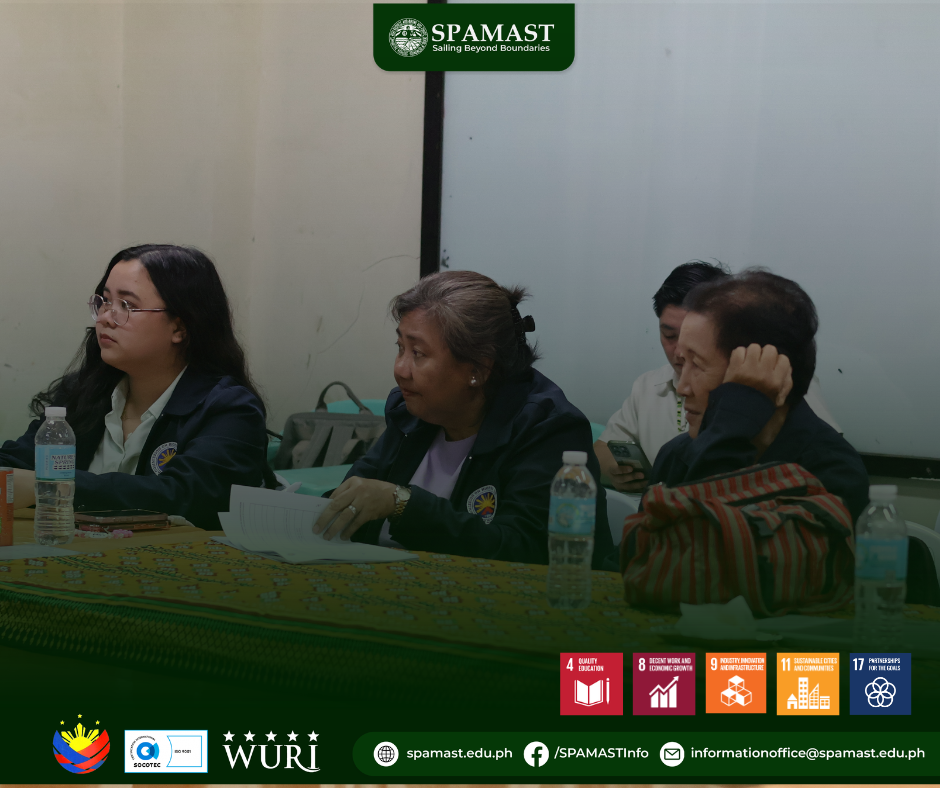
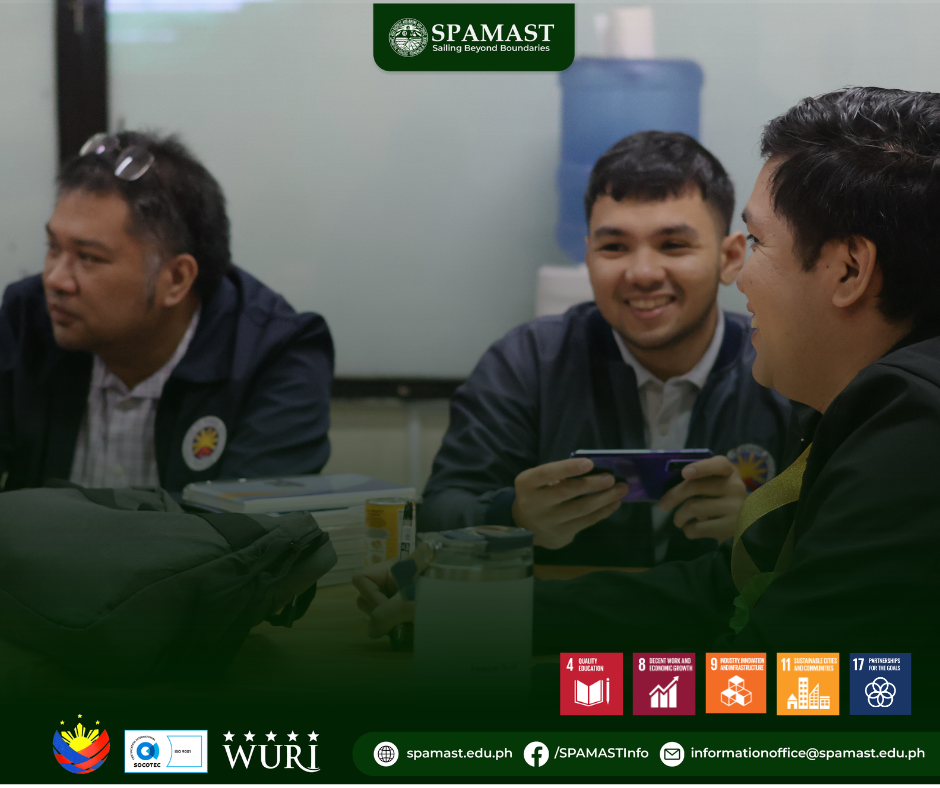
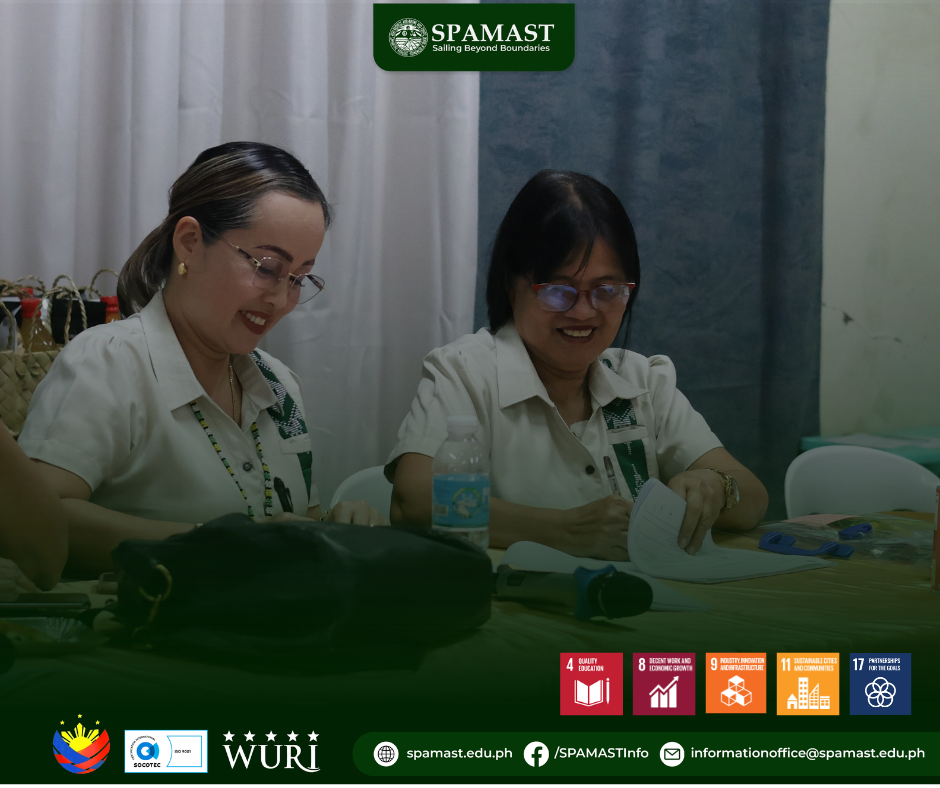
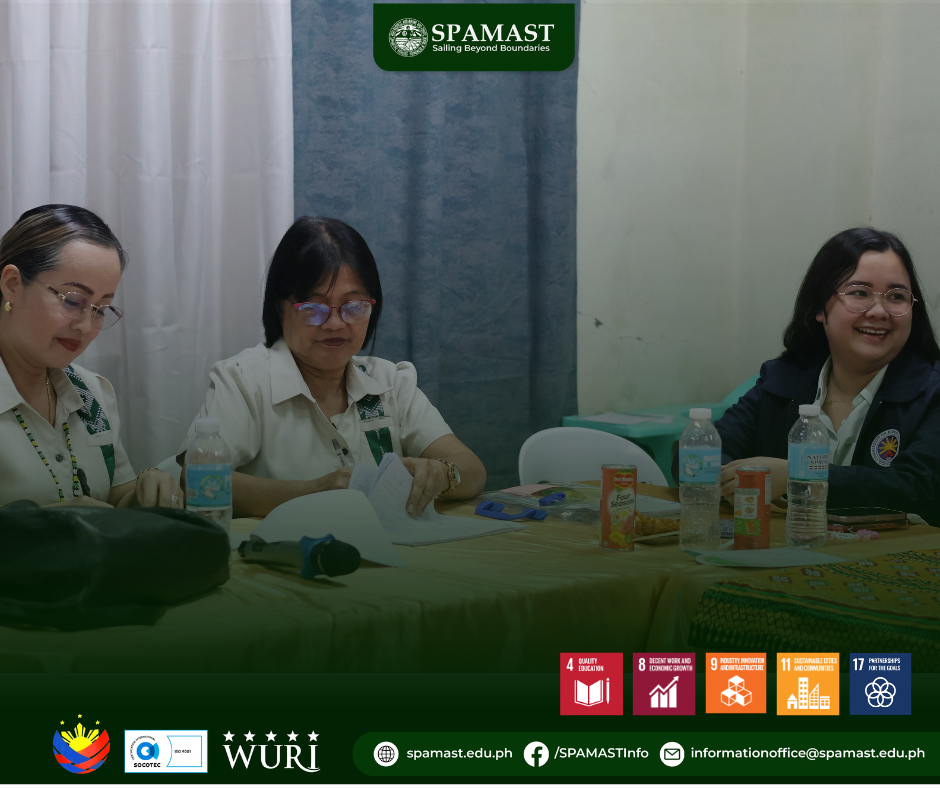
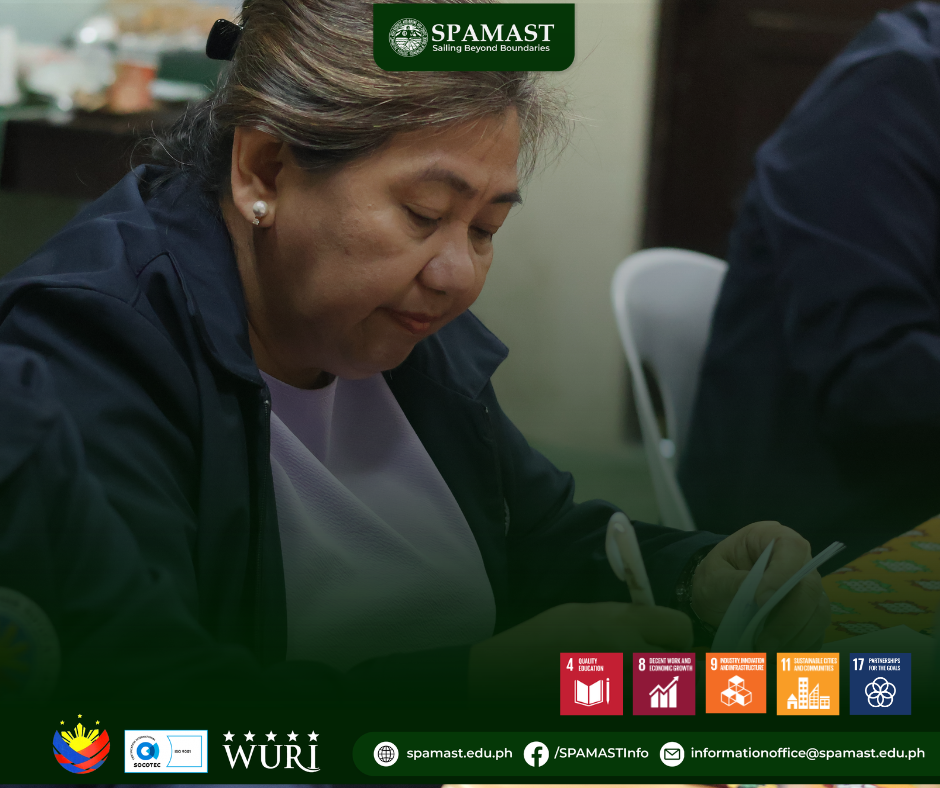
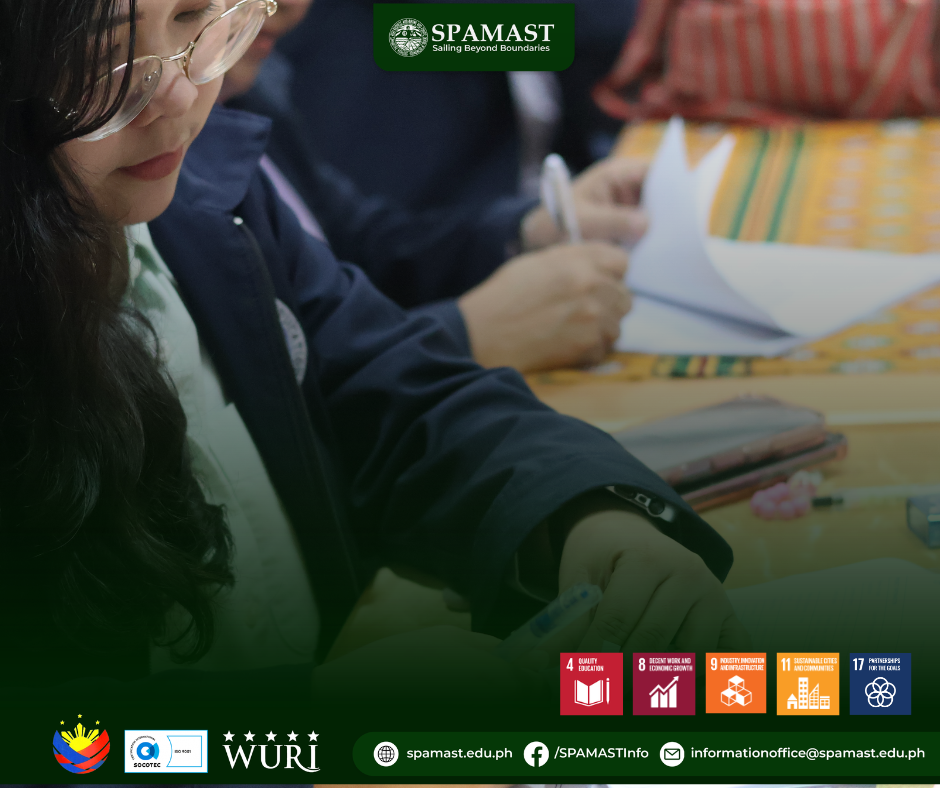
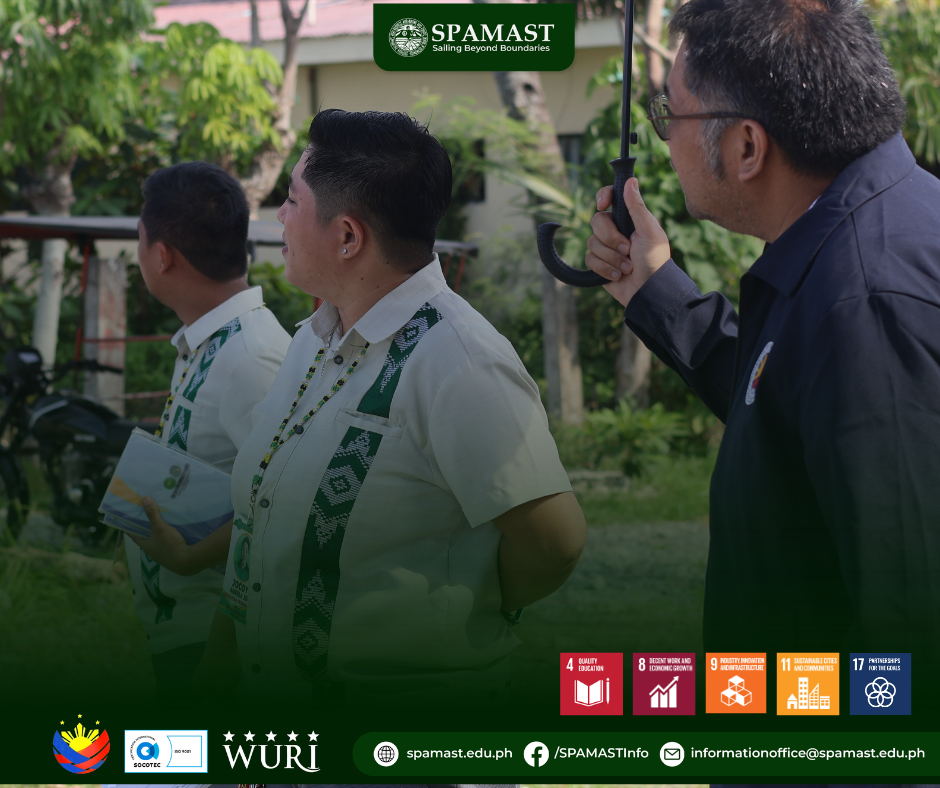
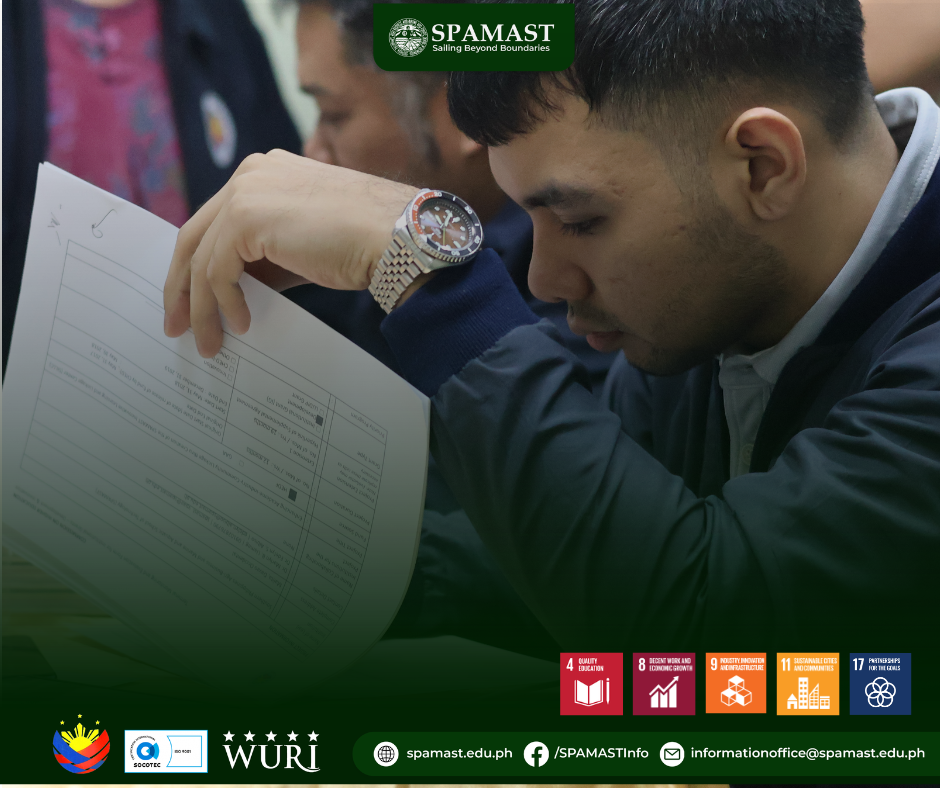
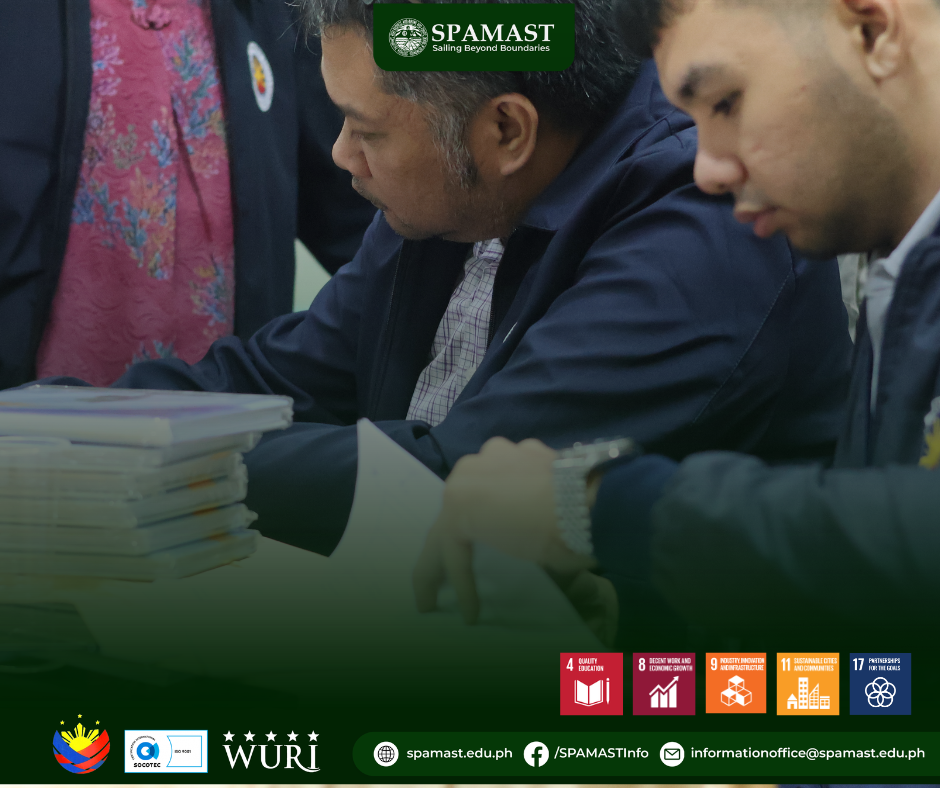
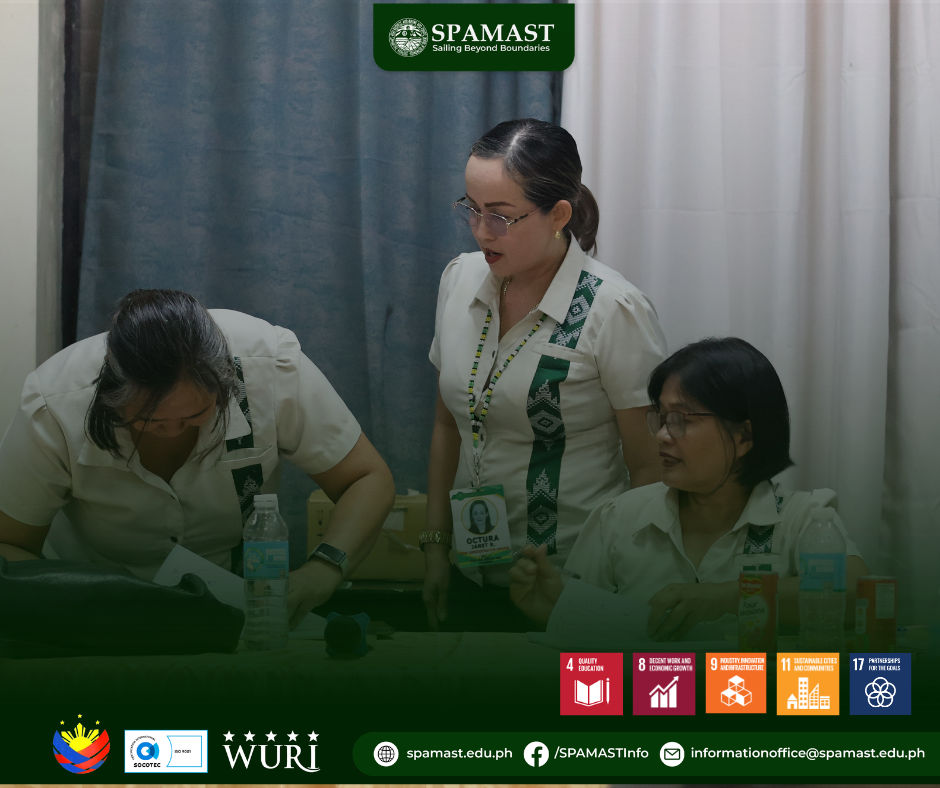
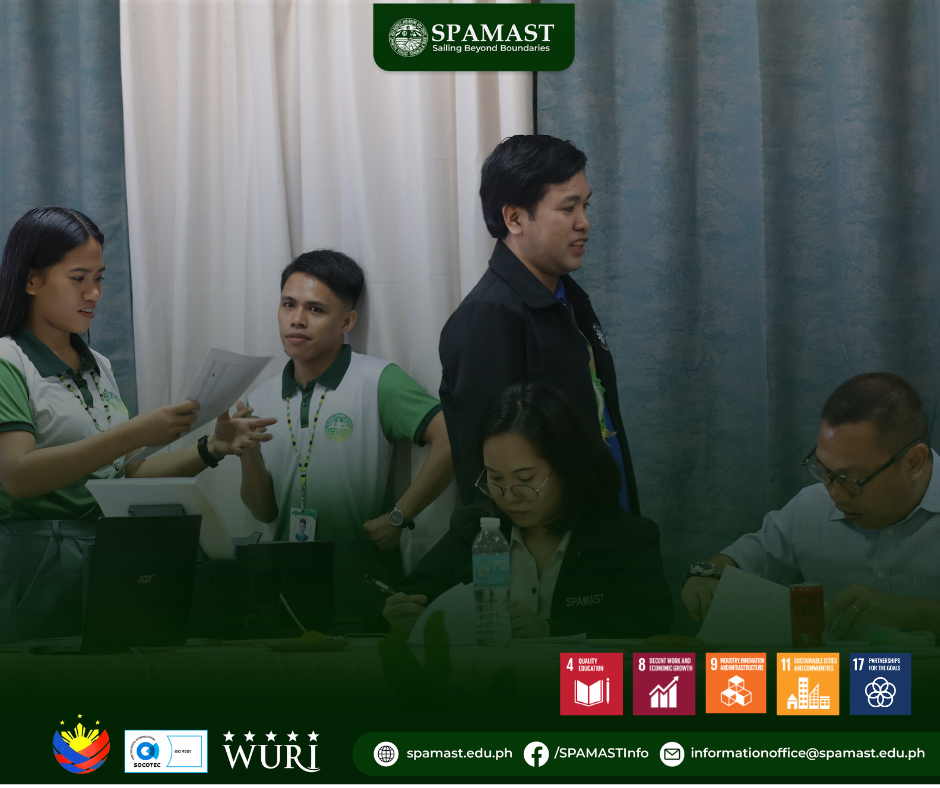
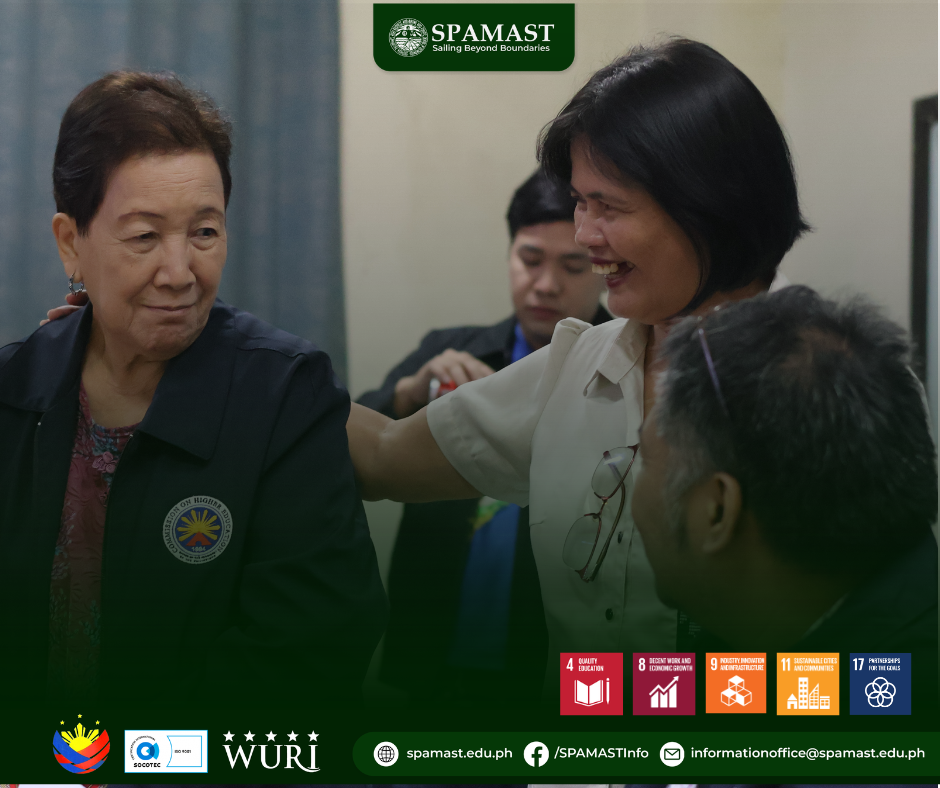
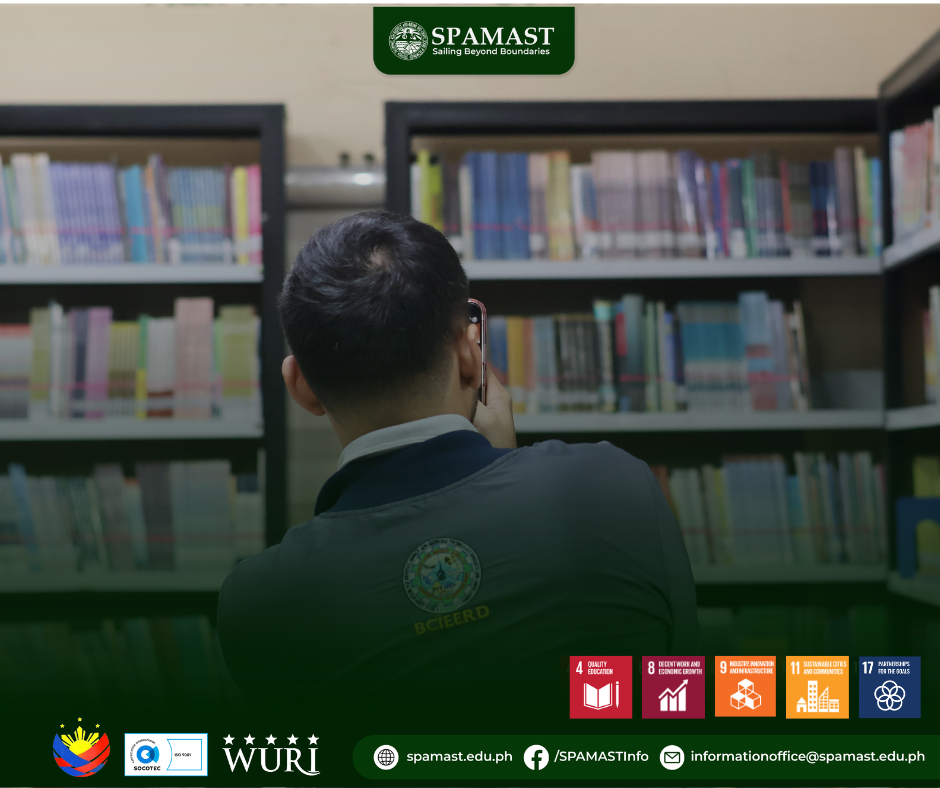
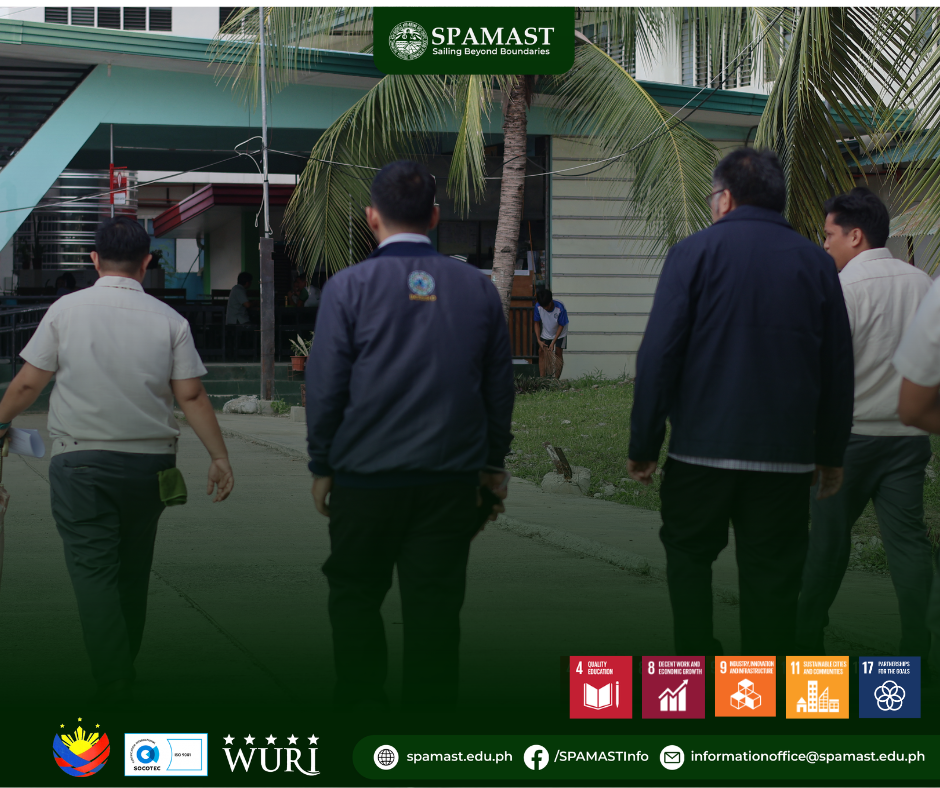
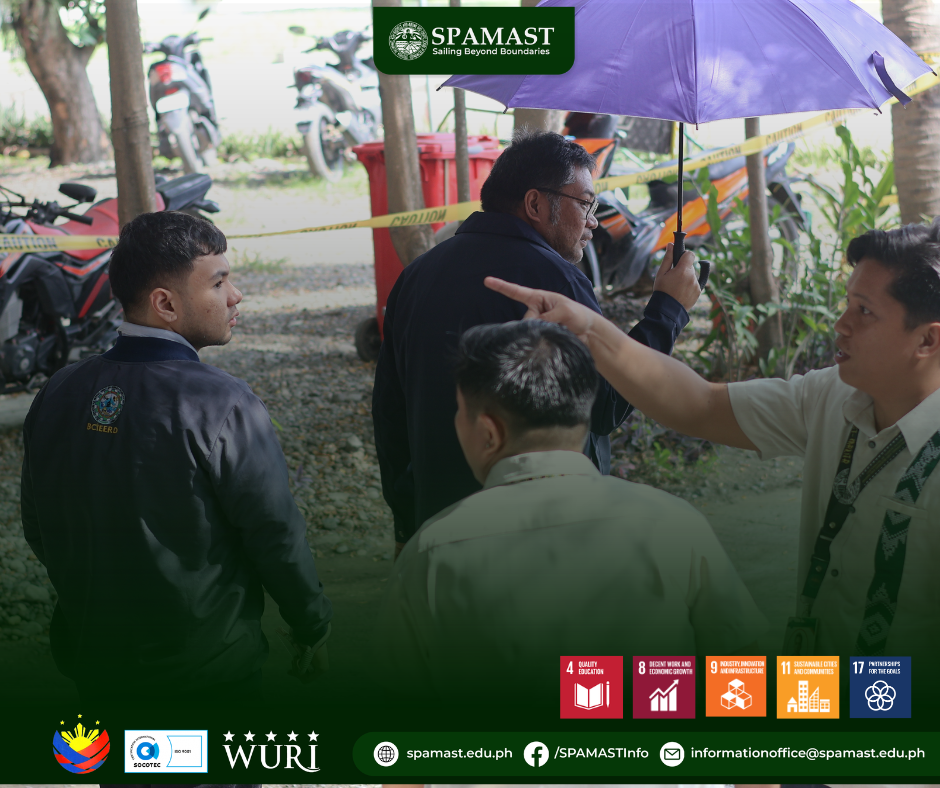
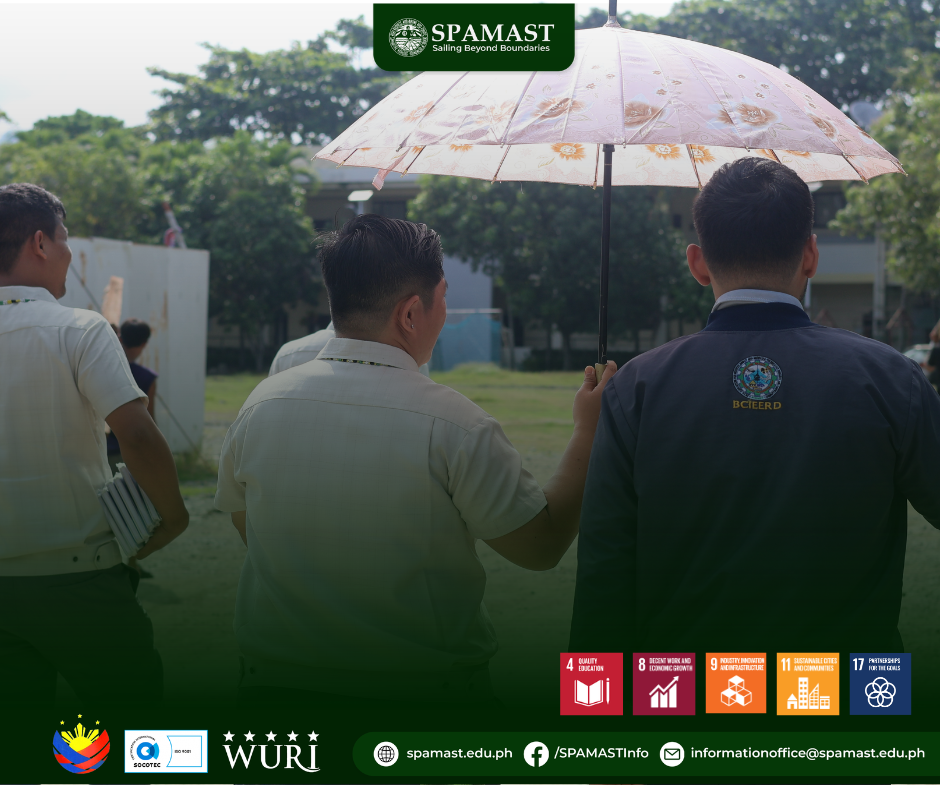
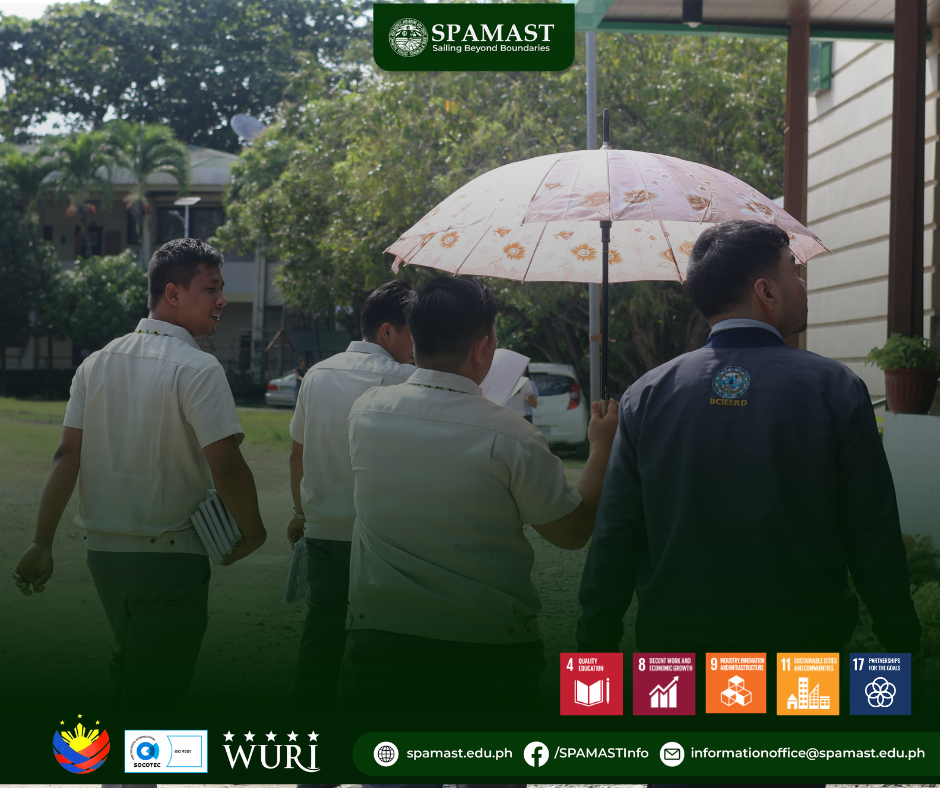
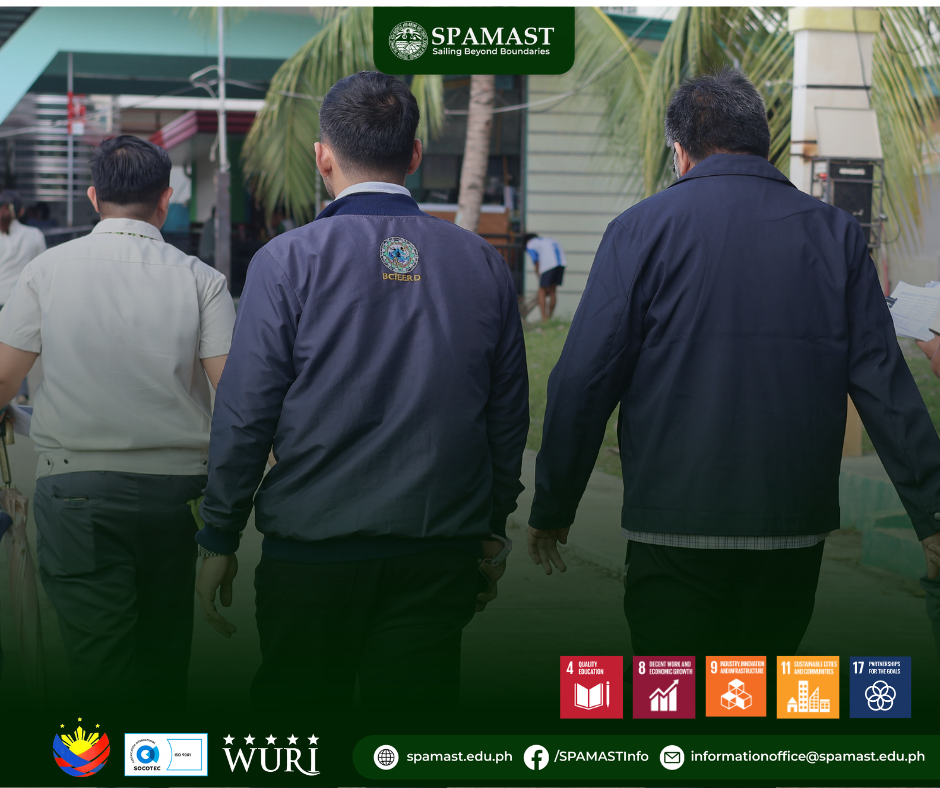
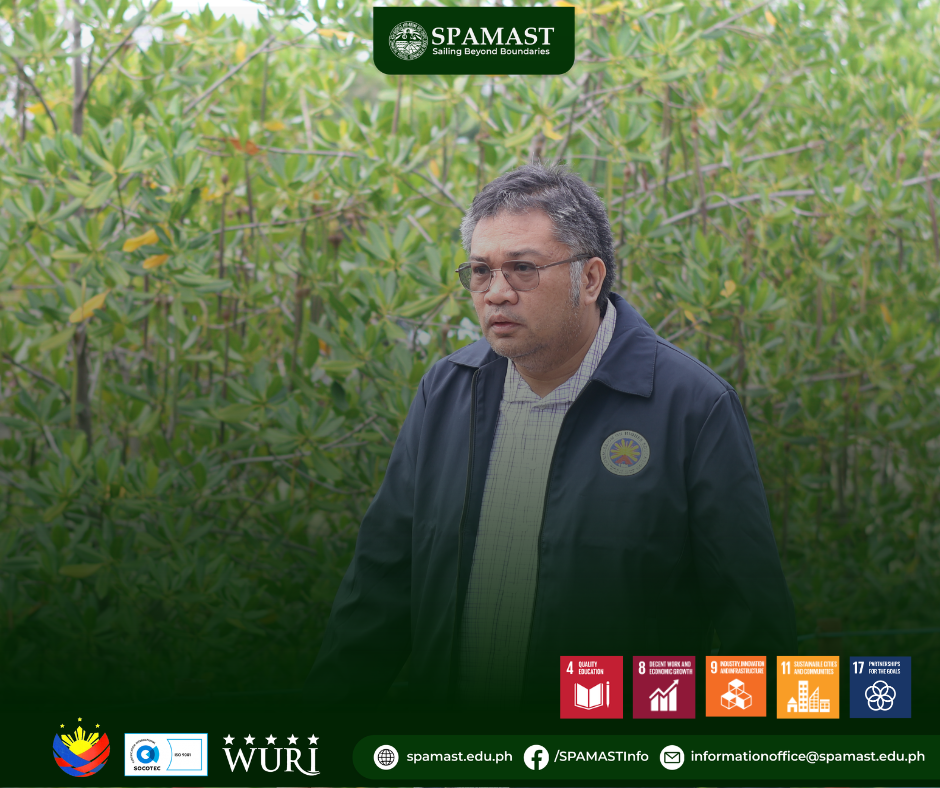
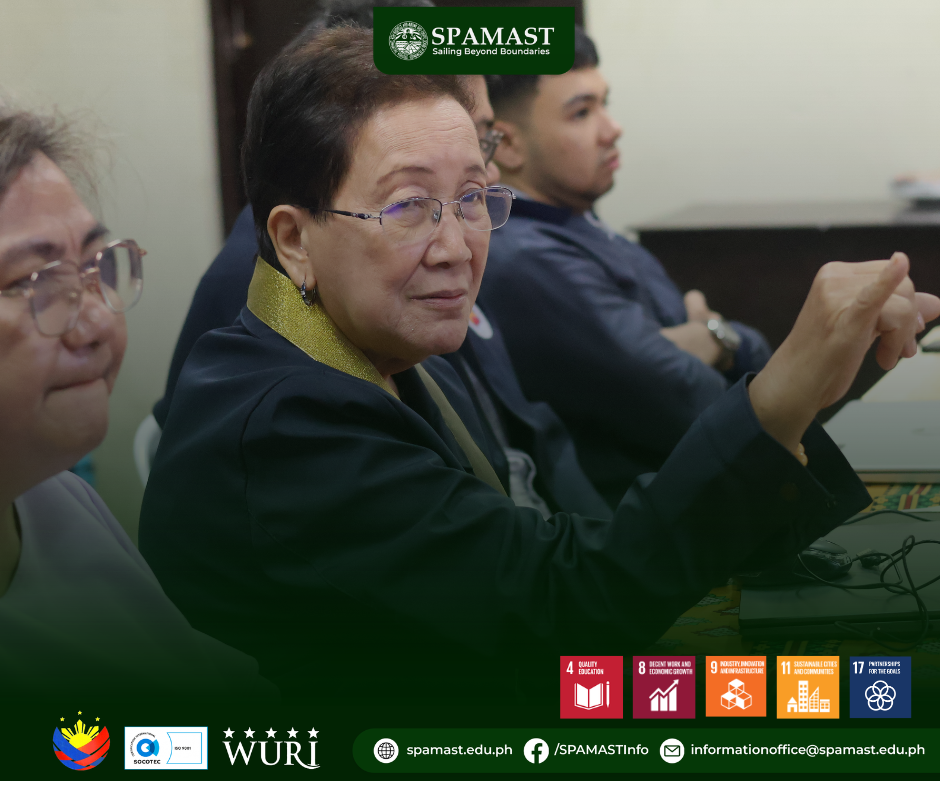
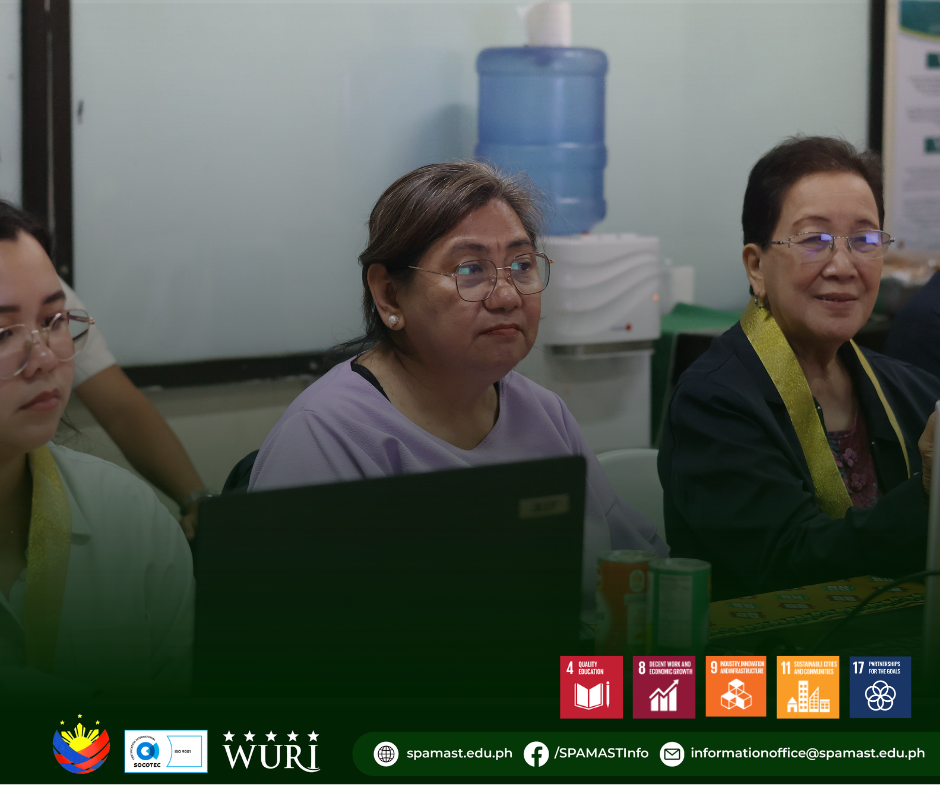
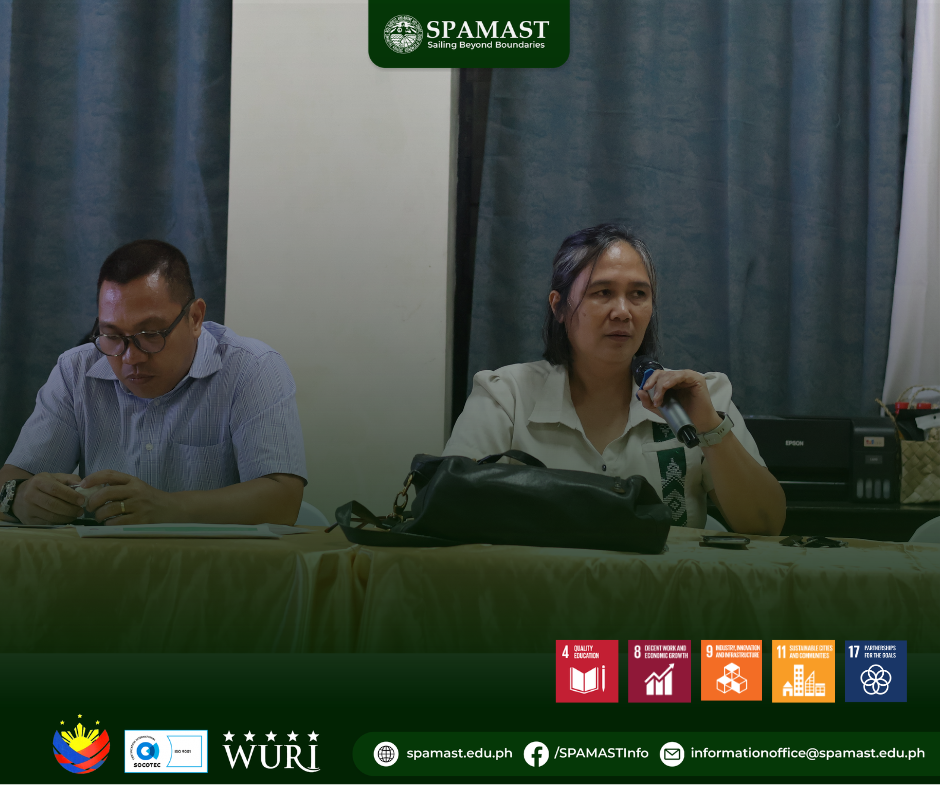
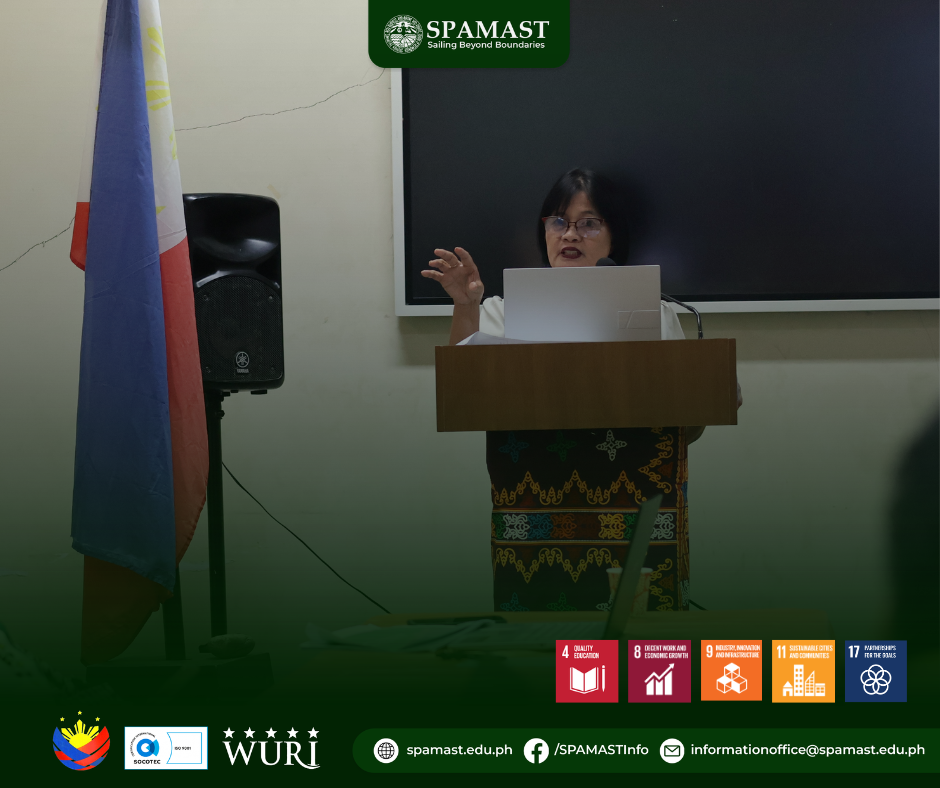
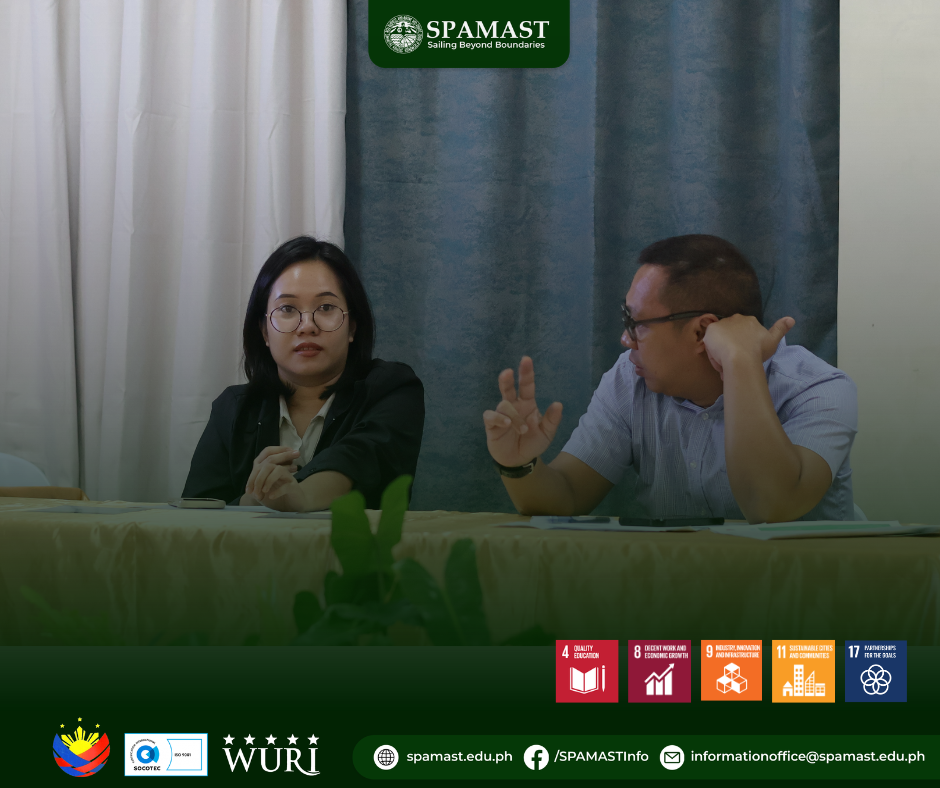
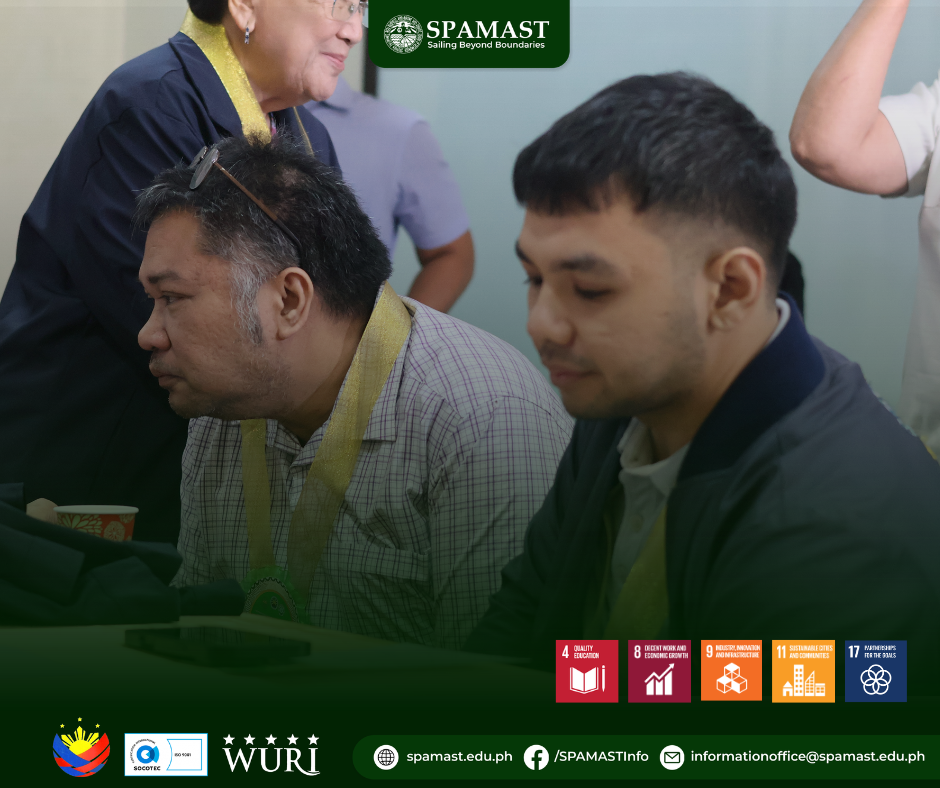
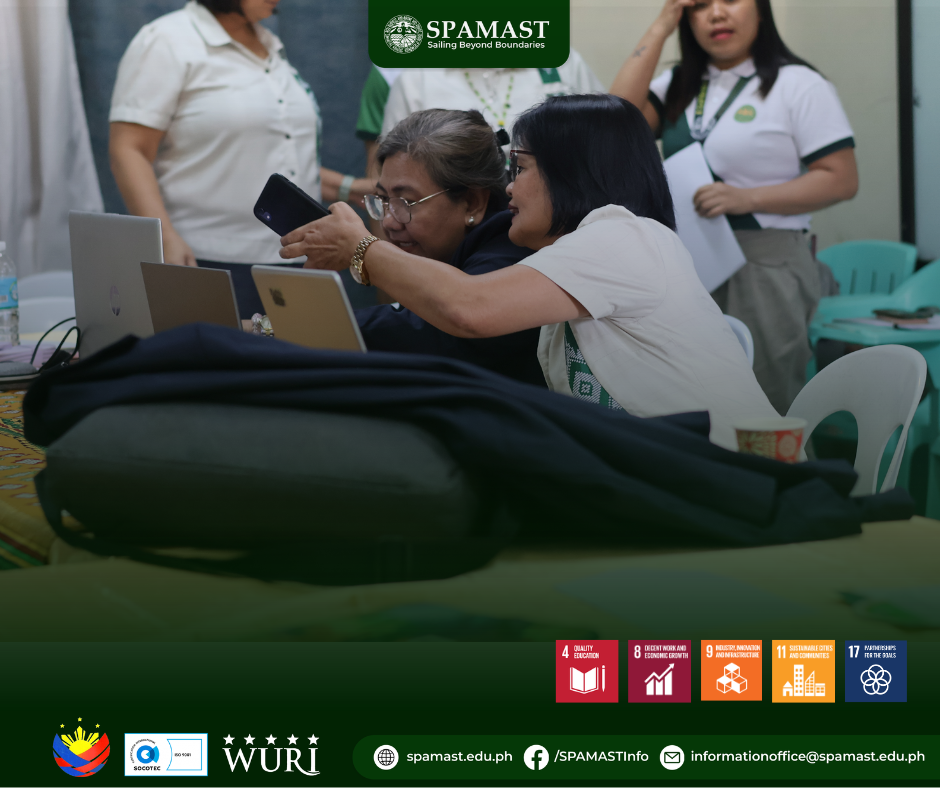
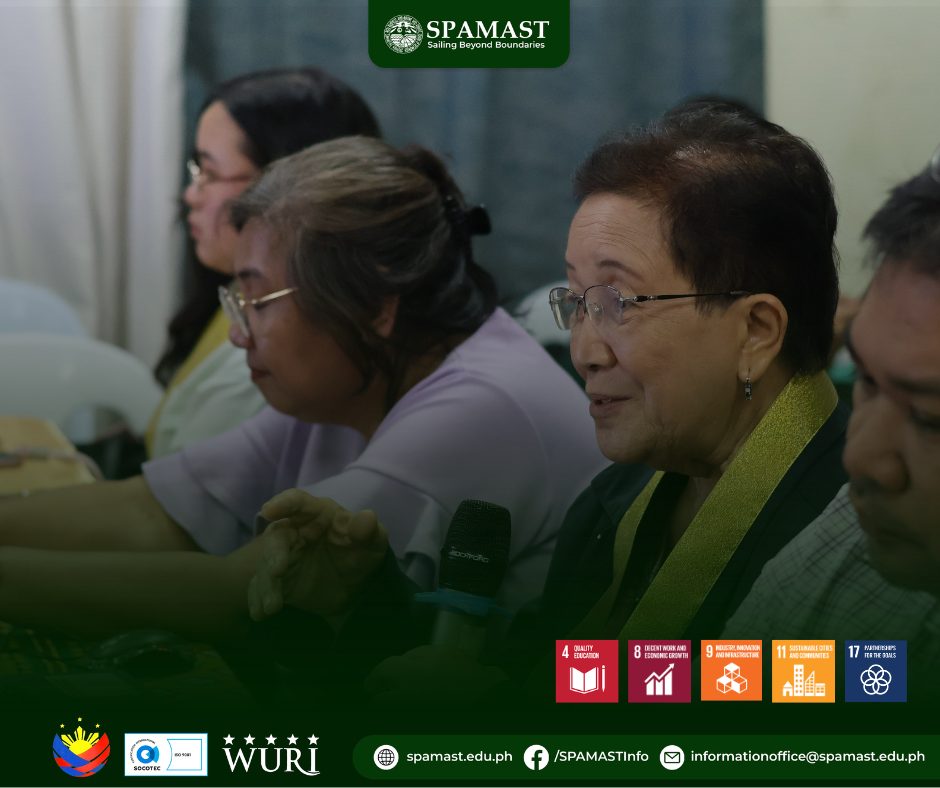
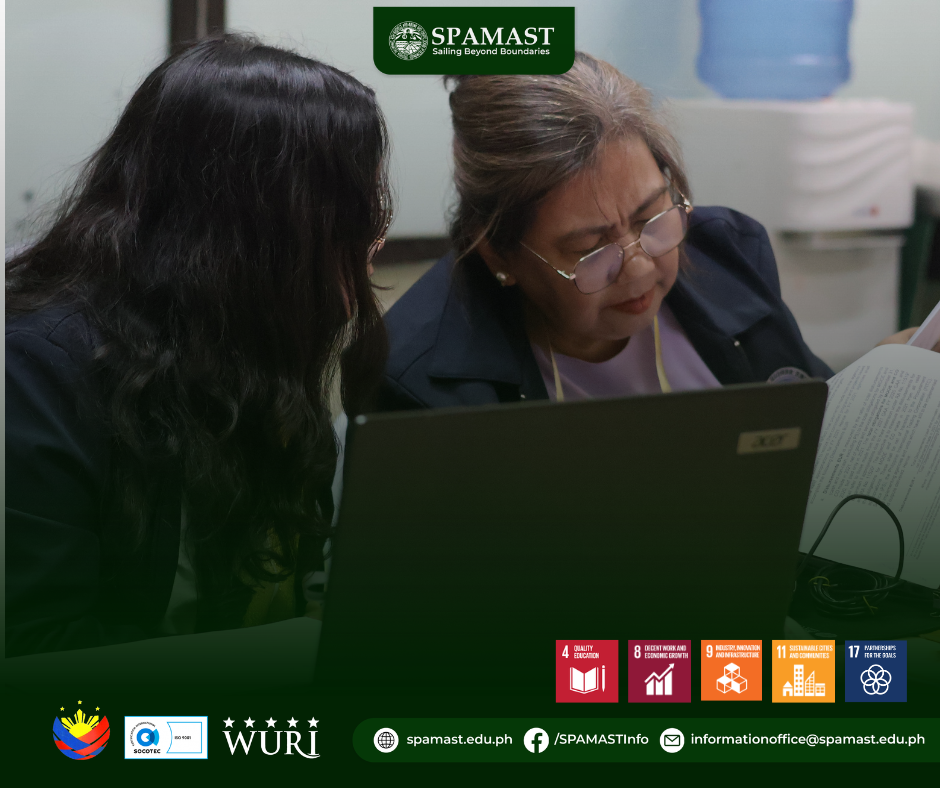
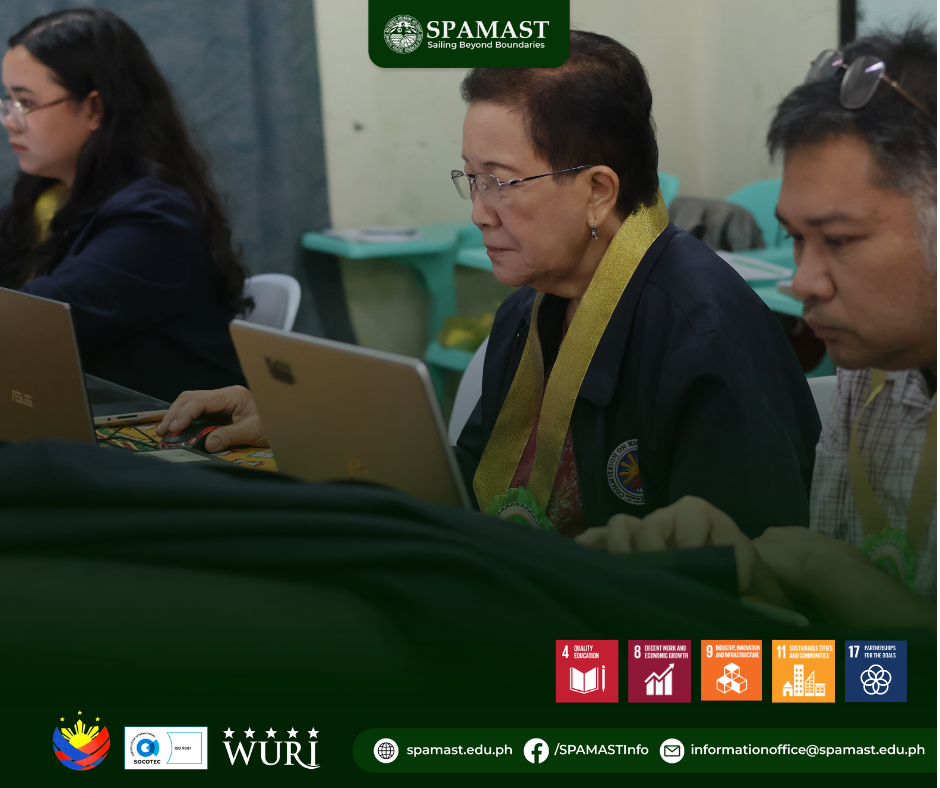
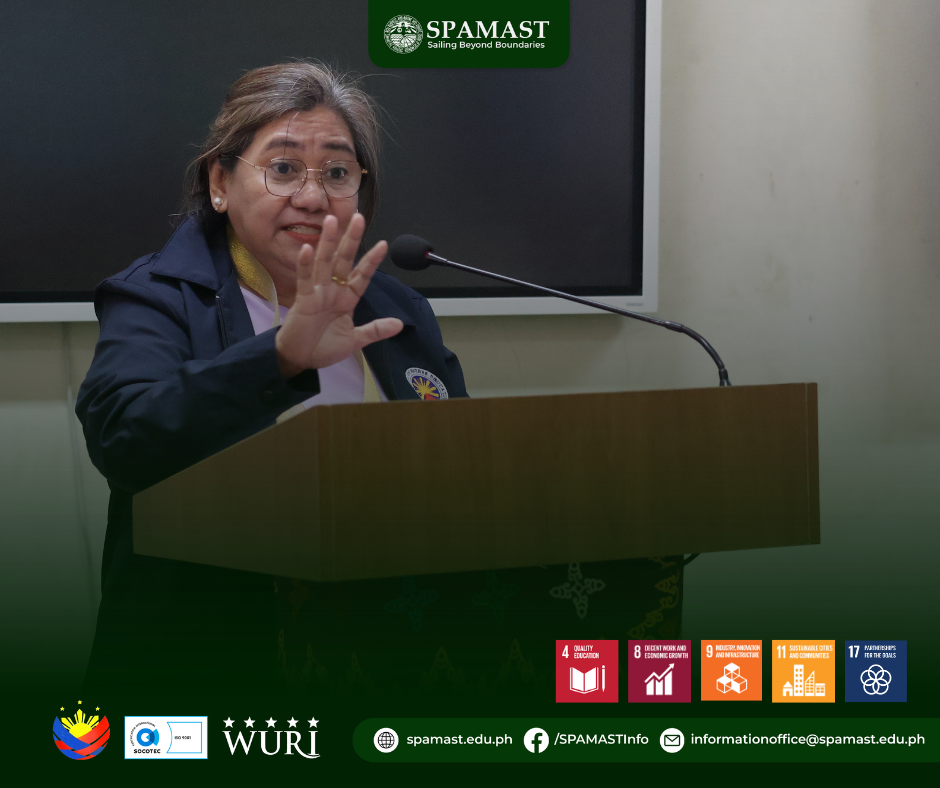
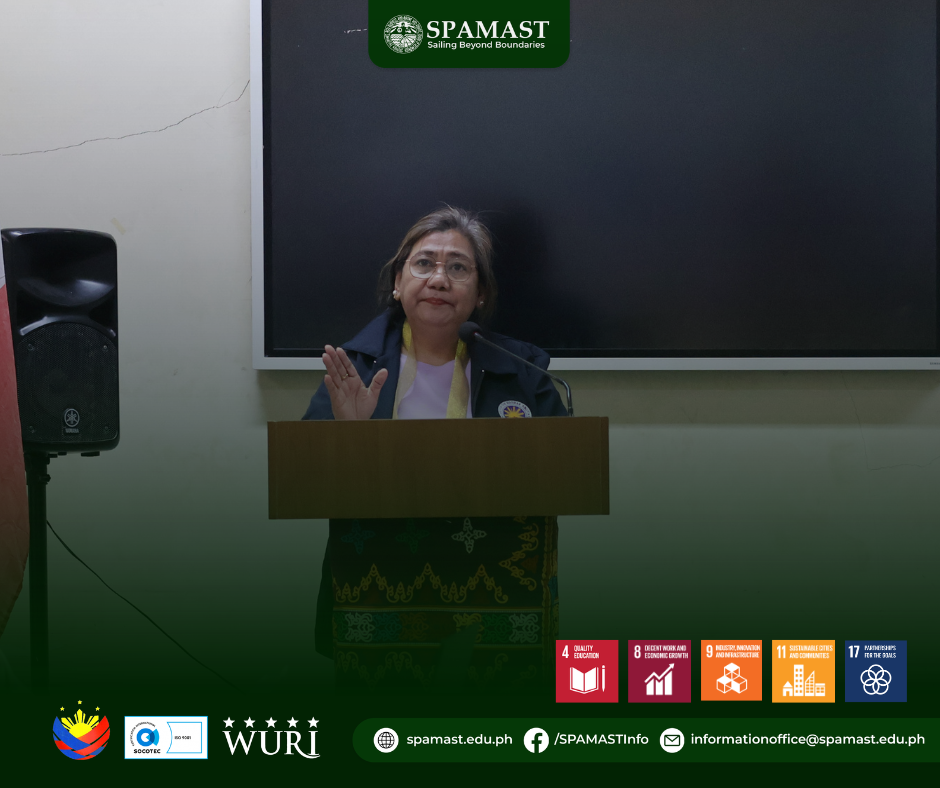
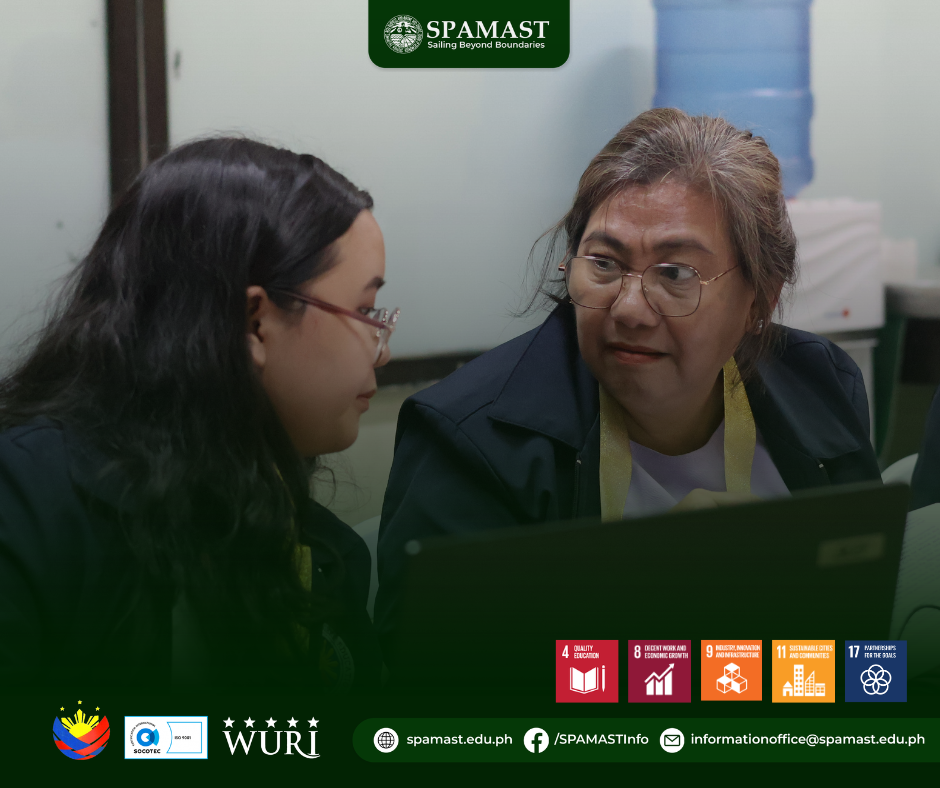
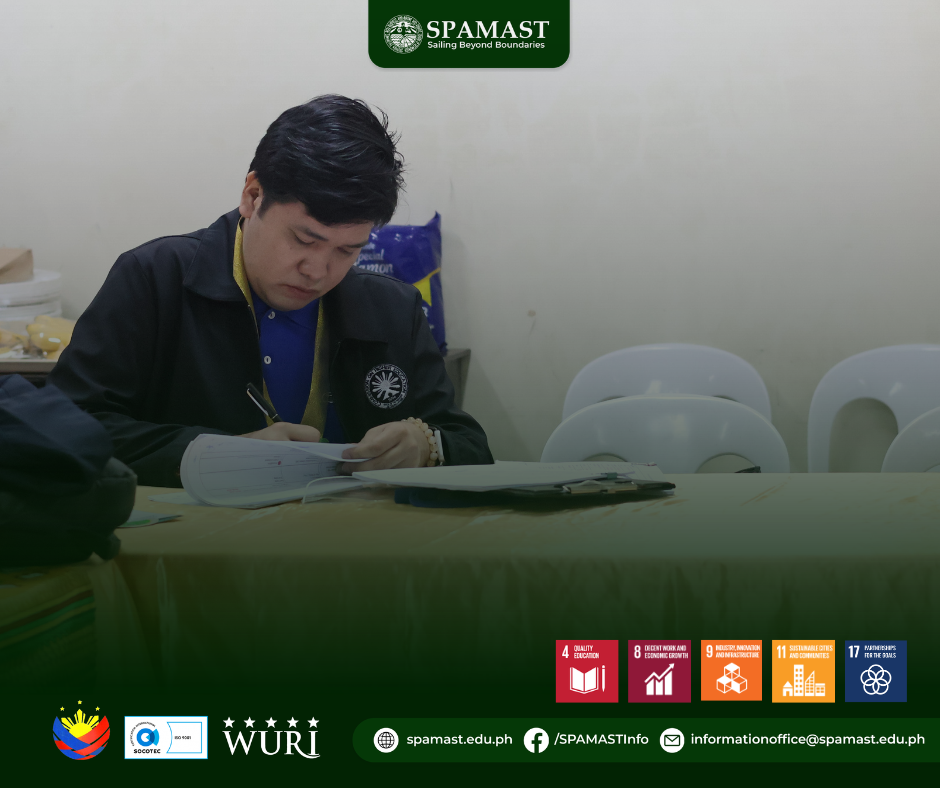
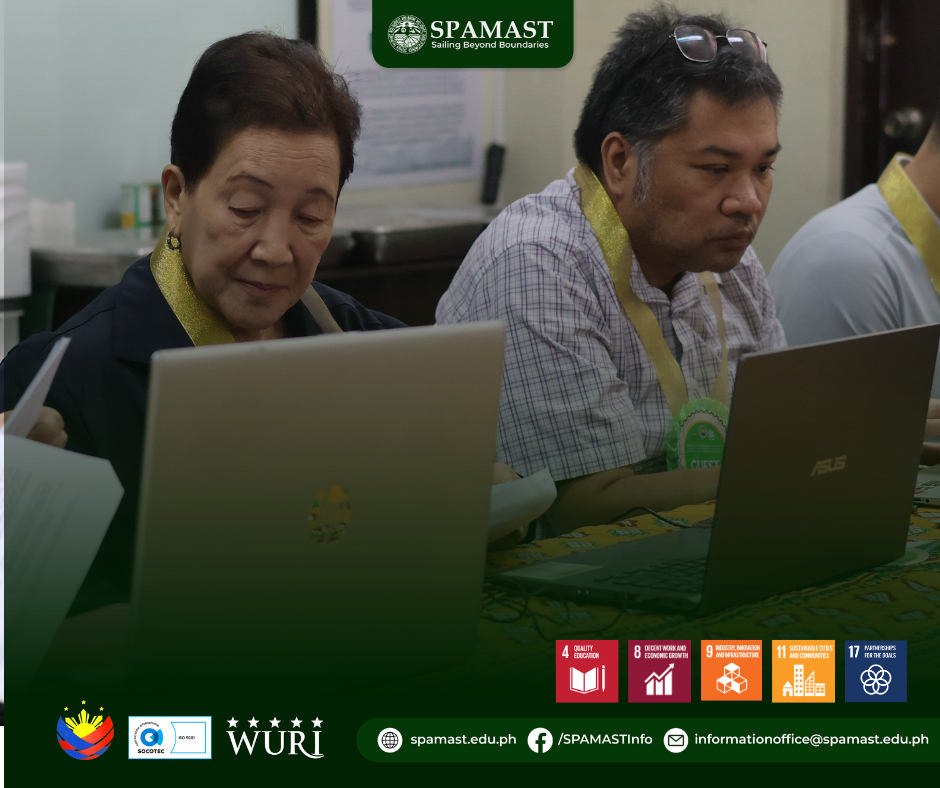
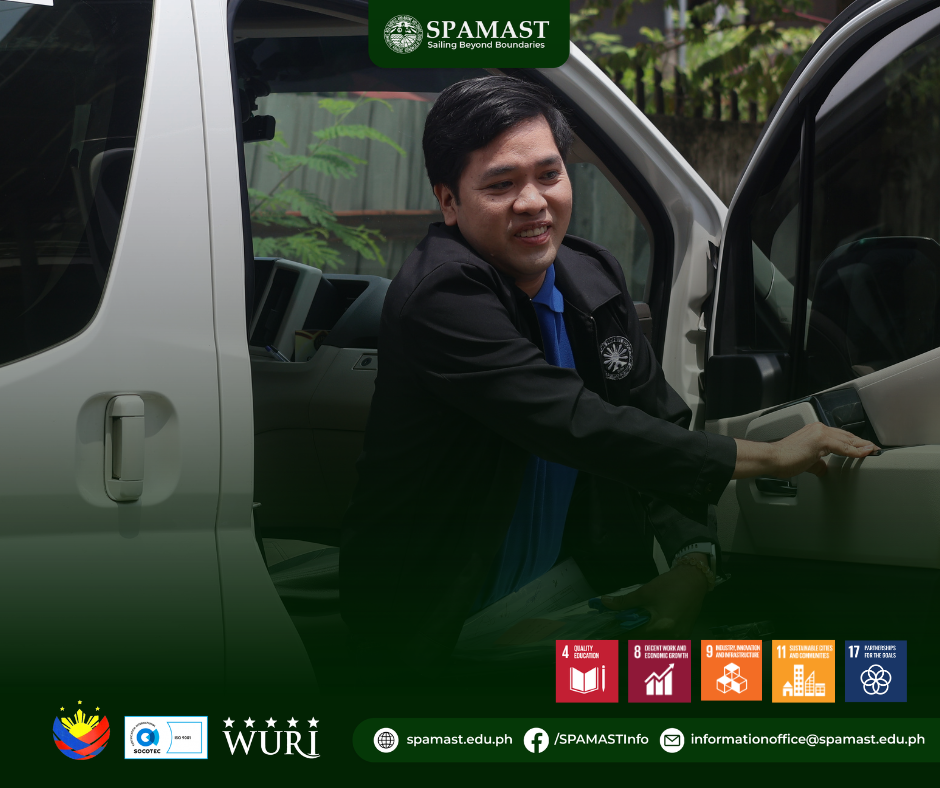
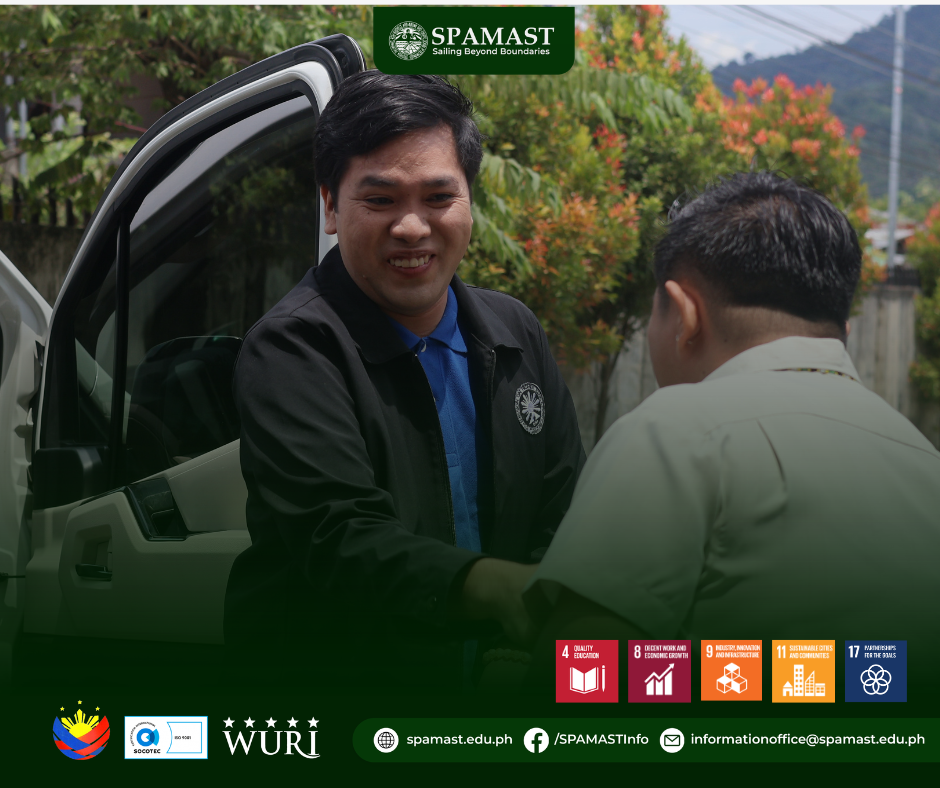
Malita, Davao Occidental – The Southern Philippines Agri-Business and Marine and Aquatic School of Technology (SPAMAST) welcomed representatives from the Commission on Higher Education (CHED) on July 21, 2026, for the monitoring visit of the project “Enhancing Academe-Industry-Community Linkage through the Creation of the SPAMAST Innovative Learning and Linkage Center (SILLC).” The activity was held at the SPAMAST Library Audio-Visual Room (AVR).
Funded through the Commission on Higher Education – Higher Education Development Fund (CHED-HEDF), the project was implemented from May 2017 to December 2019 with a total project cost of ₱3,310,000.00. The initiative was established to strengthen collaboration among the academe, industry, government agencies, and local communities by providing an innovative platform for knowledge exchange, technology transfer, research collaboration, and capacity-building initiatives.
The monitoring visit formed part of CHED’s continuing efforts to evaluate the sustainability, utilization, and long-term impact of Higher Education Development Fund (HEDF)-supported projects across higher education institutions. During the visit, the monitoring team assessed the operational status of the SPAMAST Innovative Learning and Linkage Center (SILLC), reviewed project accomplishments, and examined its contributions to the institution’s instruction, research, innovation, extension, and community engagement programs.
The CHED monitoring team was composed of Leomar Jay Oblianda, Education Supervisor Representative from CHED Regional Office X; Rodrigo S. Pangantihon Jr., Education Supervisor Representative from CHED Regional Office XI; Noemi A. Isidro, Senior Education Program Specialist (SEPS), CGD, OIQAG; Ma. Vina Cecilia L. Mercado, Project Technical Staff I (PTS I), CGD, OIQAG; Dr. Hosea De Leon Mafel, Technical Evaluator; Dr. Libertad P. Garcia, Technical Evaluator; and Fredric Chander S. Valencia, Project Staff Specialist V (PSS V), General Services Division (GSD), Administrative and Financial Management Services (AFMS) Representative.
Representing SPAMAST were members of the Research, Innovation, Development, and Extension (RIDE) Team headed by Dr. Edelyn S. Albiso, VP for RIDE, together with Dr. Marlyn B. Llameg, VP for Academic Affairs, Dr. Janet R. Octura, VP for Administration and Finance, Members of the Finance Team and Faculty. During the presentation, the College highlighted the continuing utilization of SILLC in facilitating institutional partnerships, strengthening extension services, promoting research and innovation, and providing opportunities for collaborative learning with stakeholders from various sectors.
The project likewise reflects SPAMAST’s commitment to advancing the United Nations Sustainable Development Goals (SDGs). Through the SILLC, the institution contributes to SDG 4: Quality Education by enhancing learning opportunities through innovation and experiential engagement; SDG 8: Decent Work and Economic Growth by strengthening academe-industry linkages that improve employability, entrepreneurship, and workforce development; SDG 9: Industry, Innovation and Infrastructure by promoting research, technology transfer, and innovation ecosystems; SDG 11: Sustainable Cities and Communities by supporting community-based development initiatives through extension and collaborative partnerships; and SDG 17: Partnerships for the Goals by fostering strong collaboration among higher education institutions, government agencies, industries, and local communities to achieve sustainable and inclusive development.
Through the sustained implementation of the SPAMAST Innovative Learning and Linkage Center (SILLC), SPAMAST continues to reaffirm its commitment to innovation, excellence, and meaningful partnerships that create lasting impact for its stakeholders. The successful monitoring visit underscores the institution’s dedication to ensuring that investments in higher education translate into transformative programs that benefit the academe, industry, and the communities it serves while contributing to the achievement of the Sustainable Development Goals.