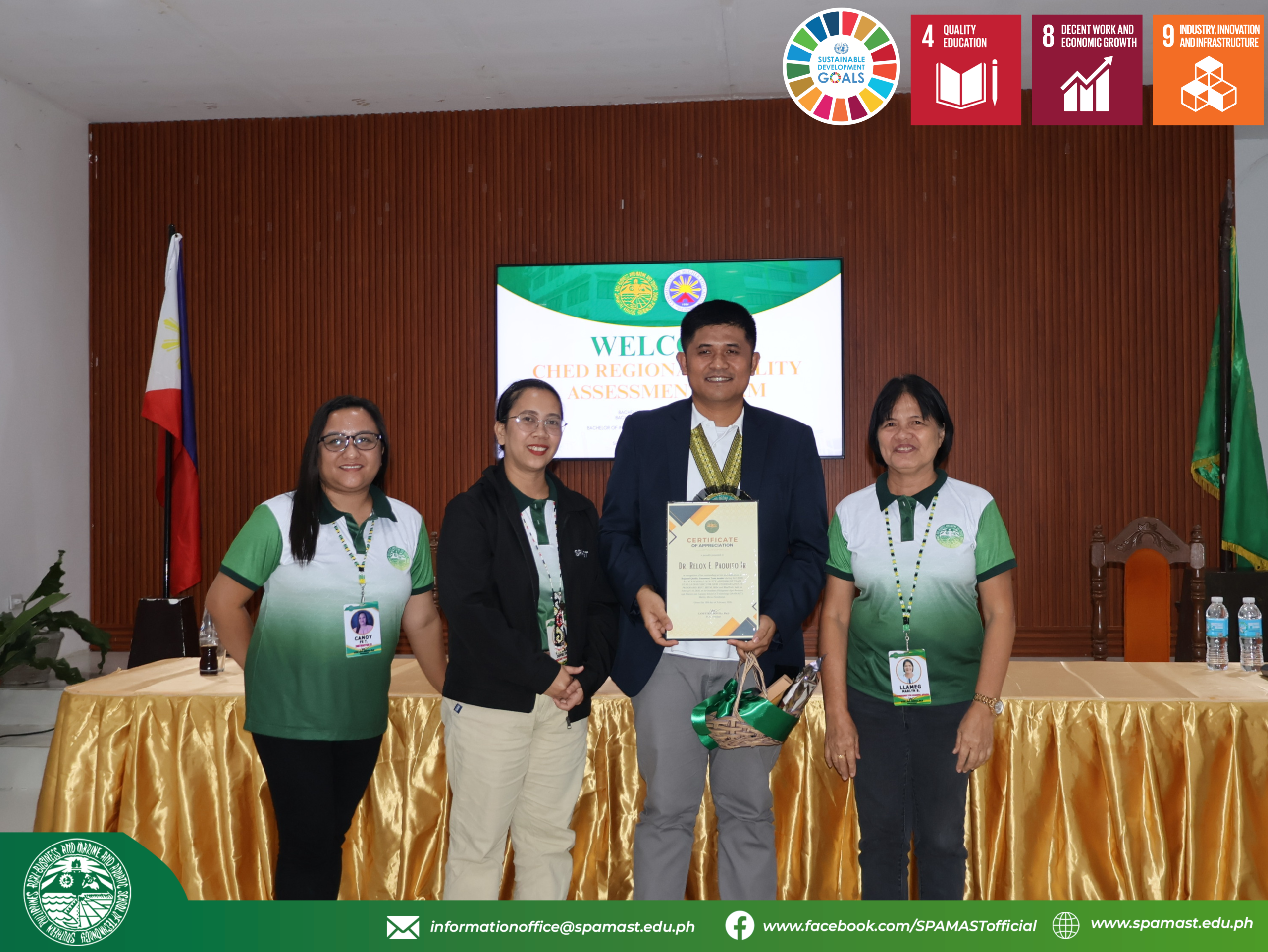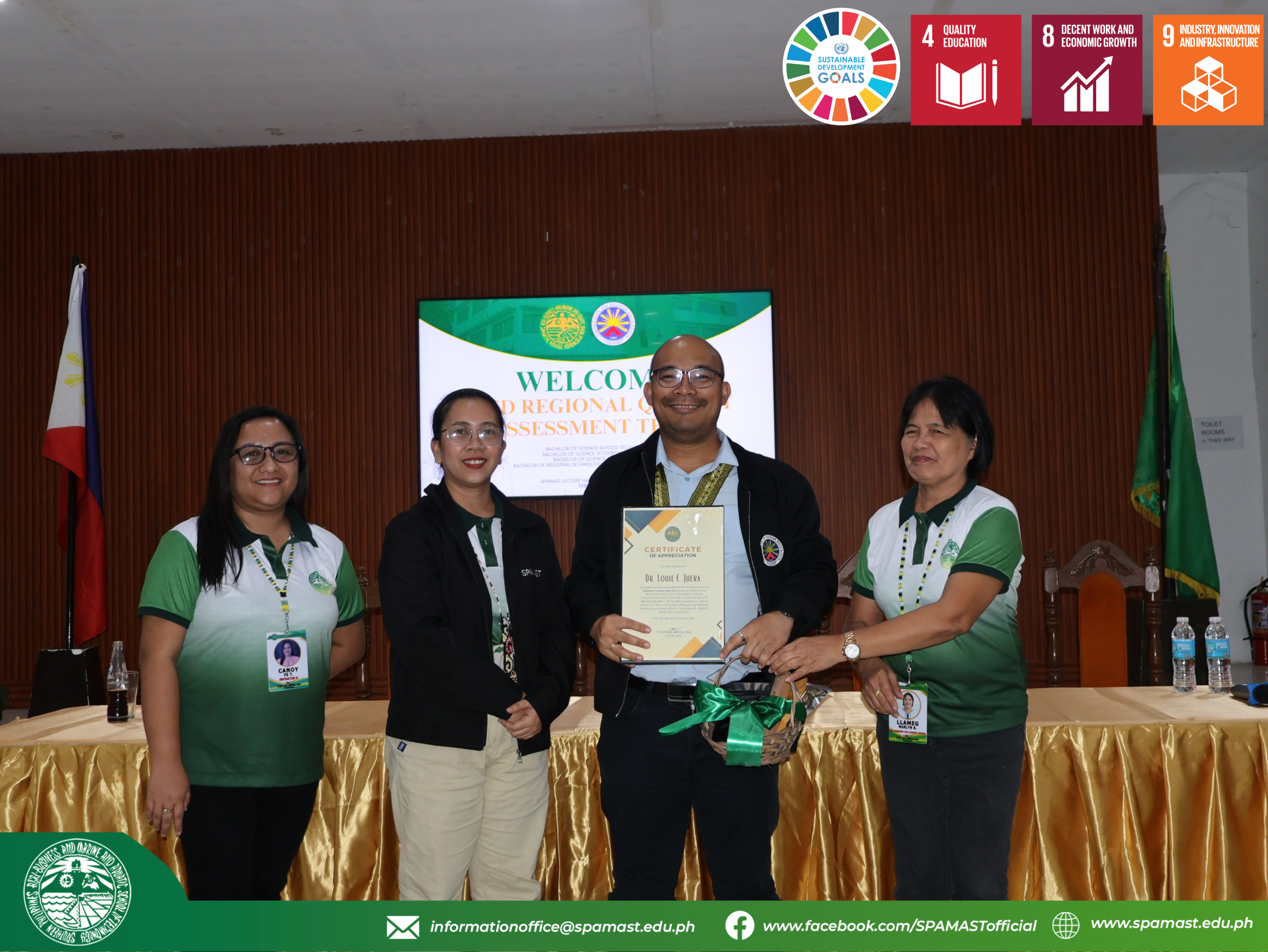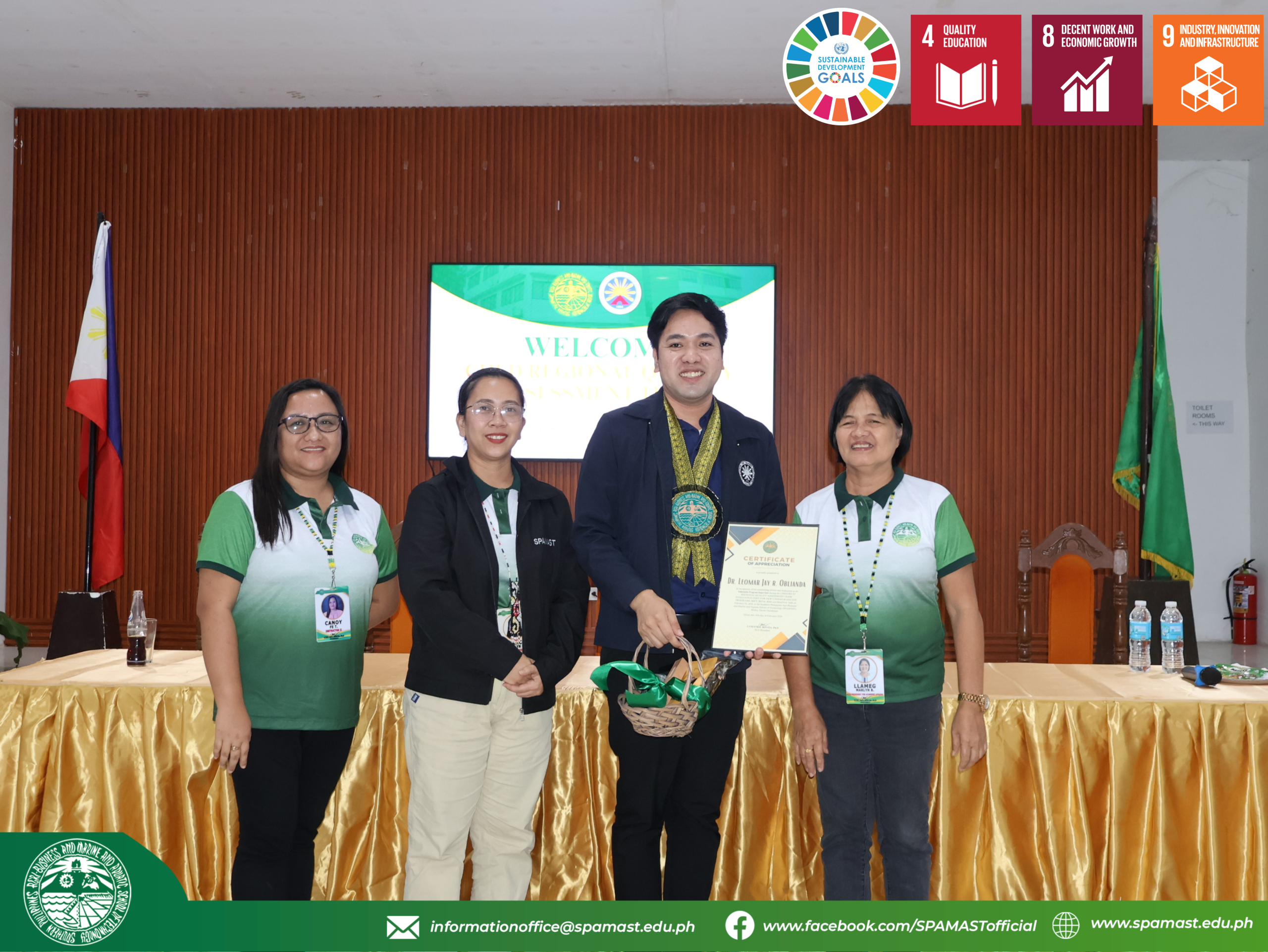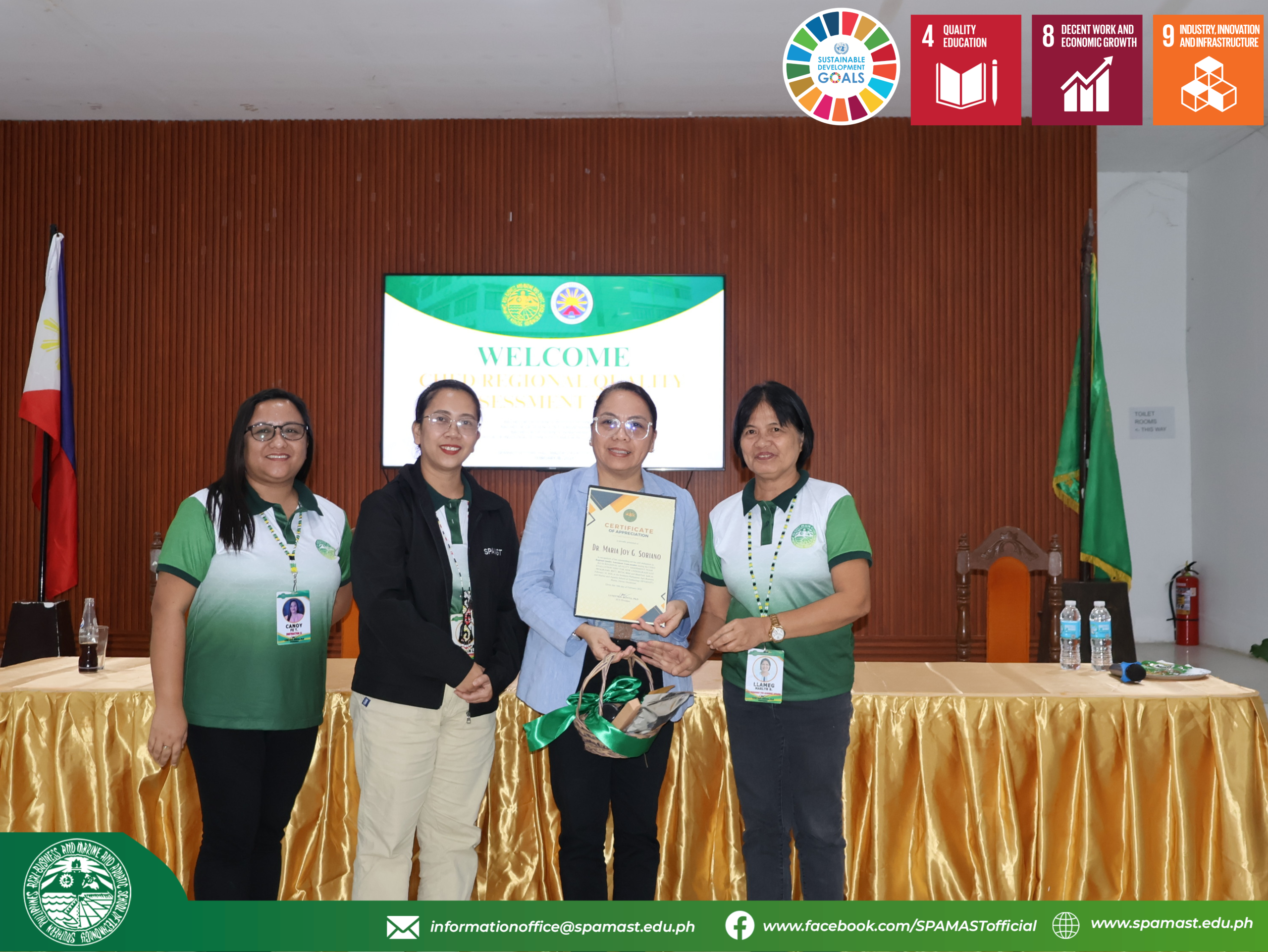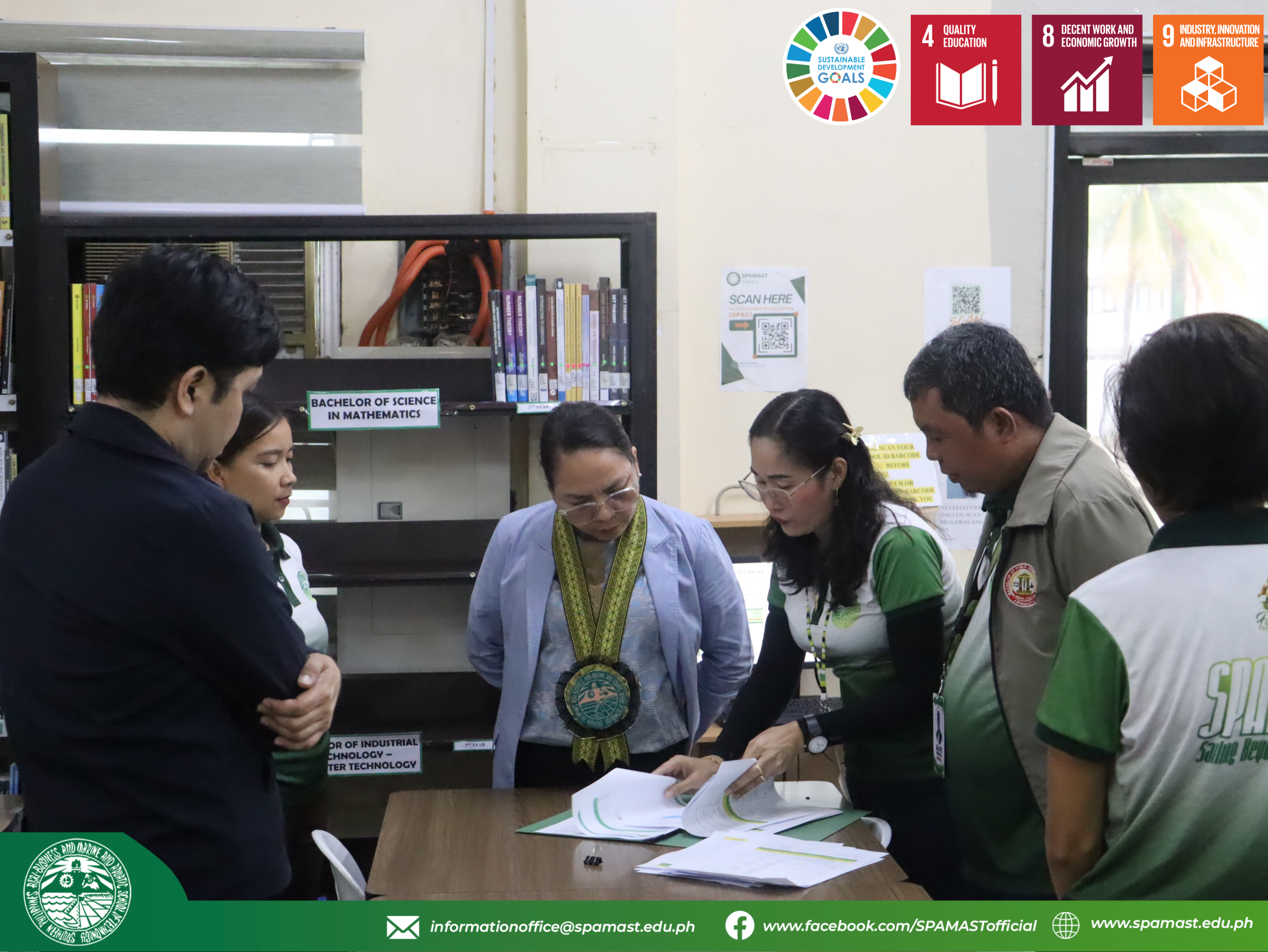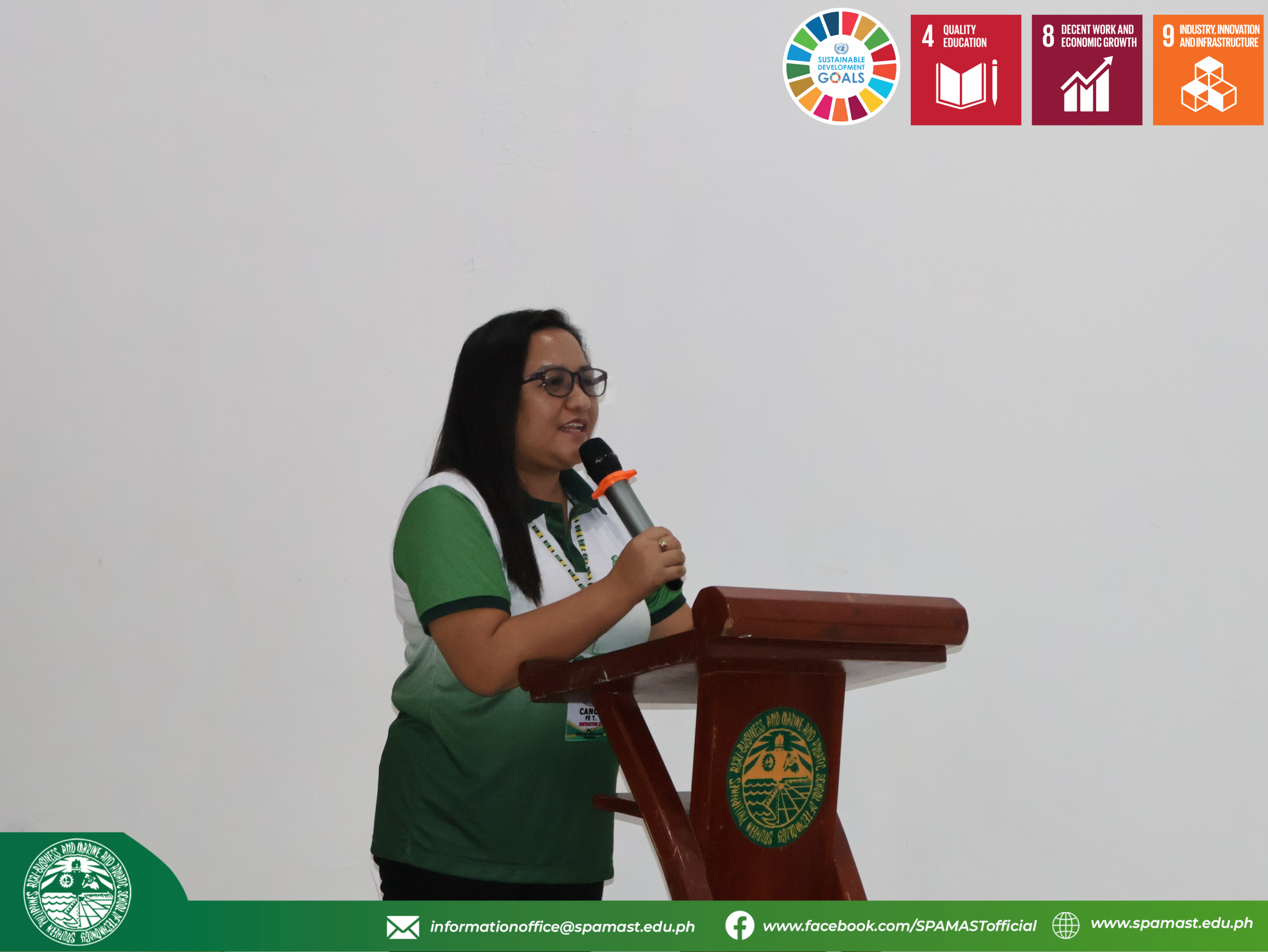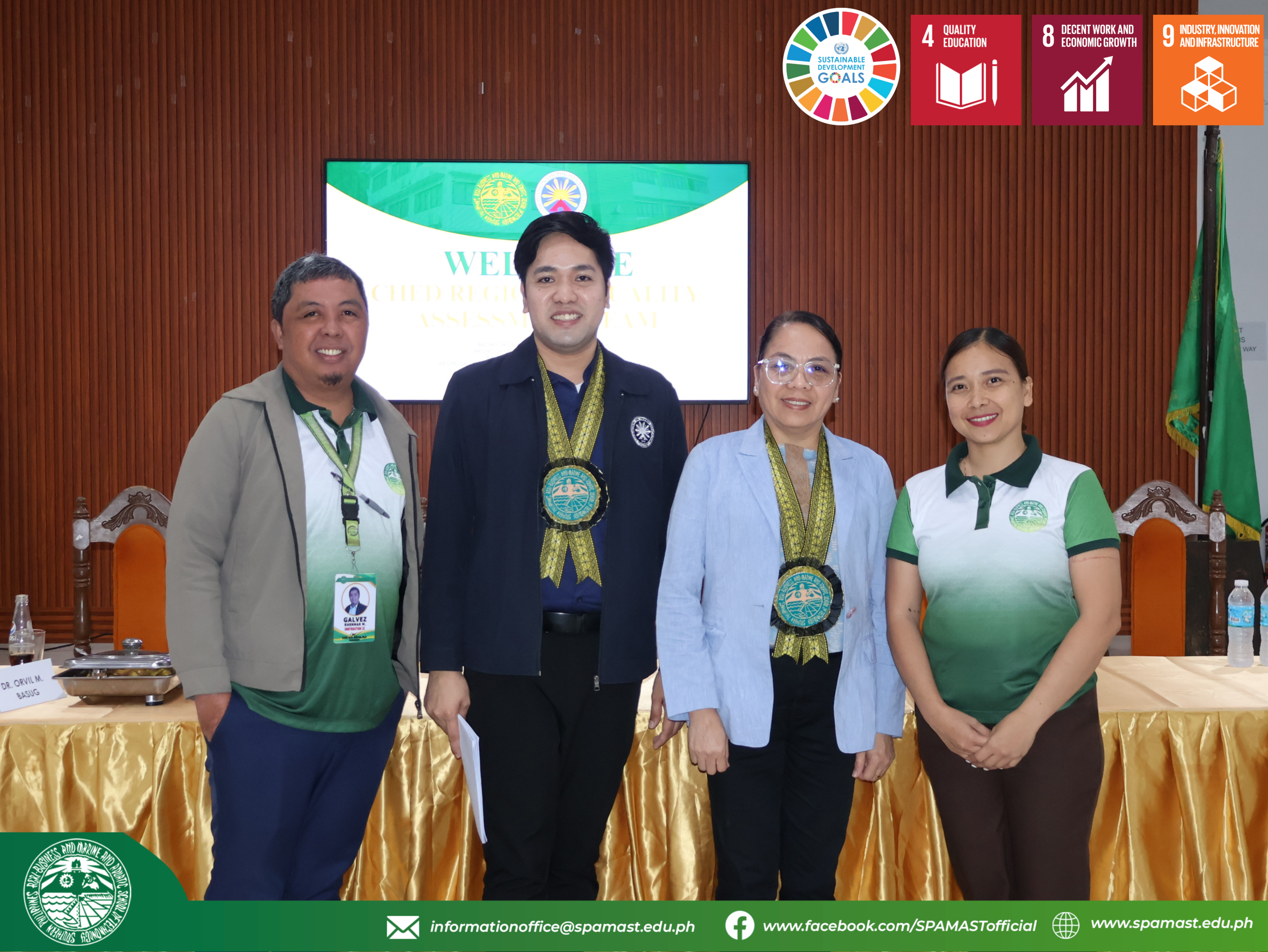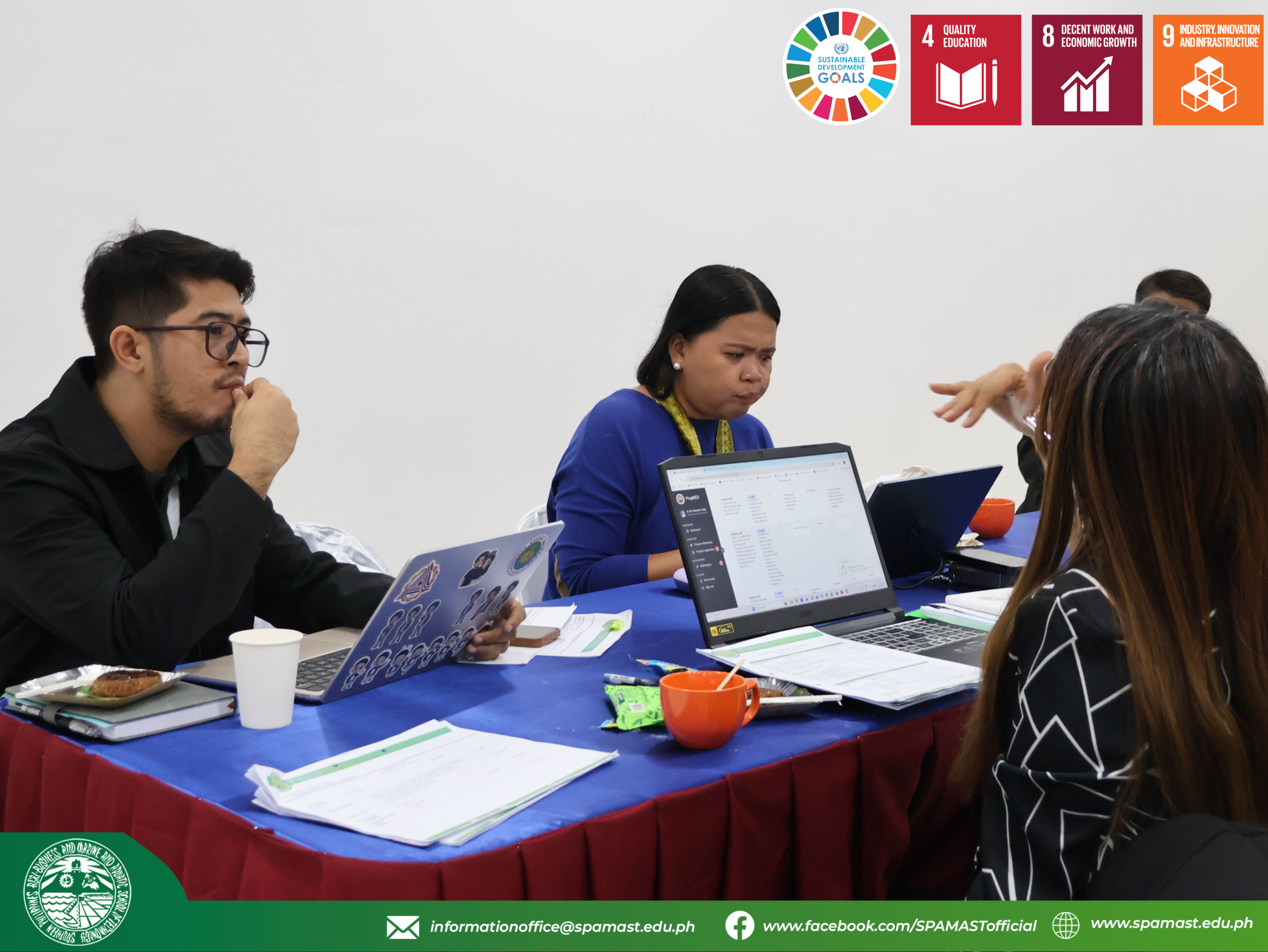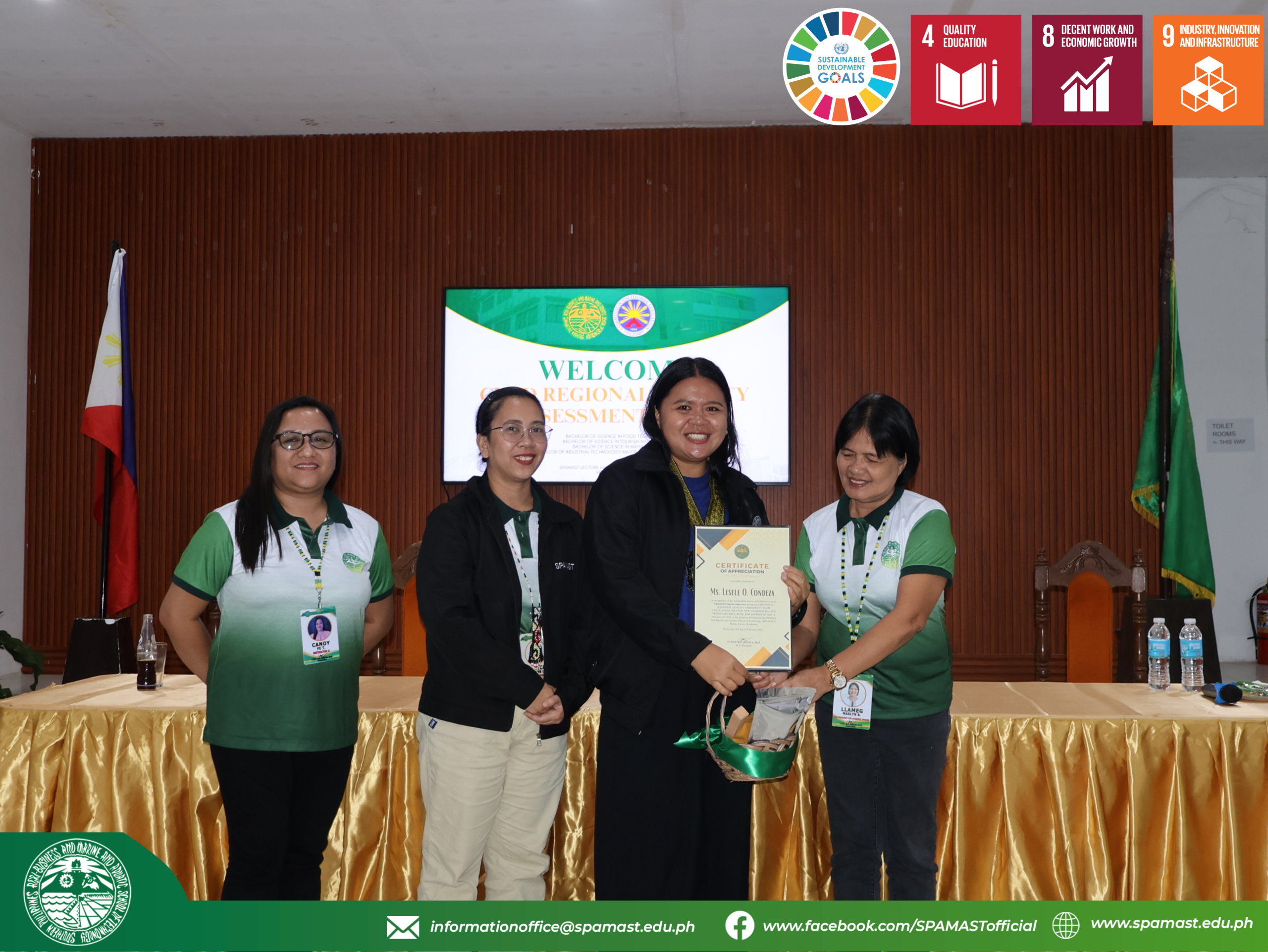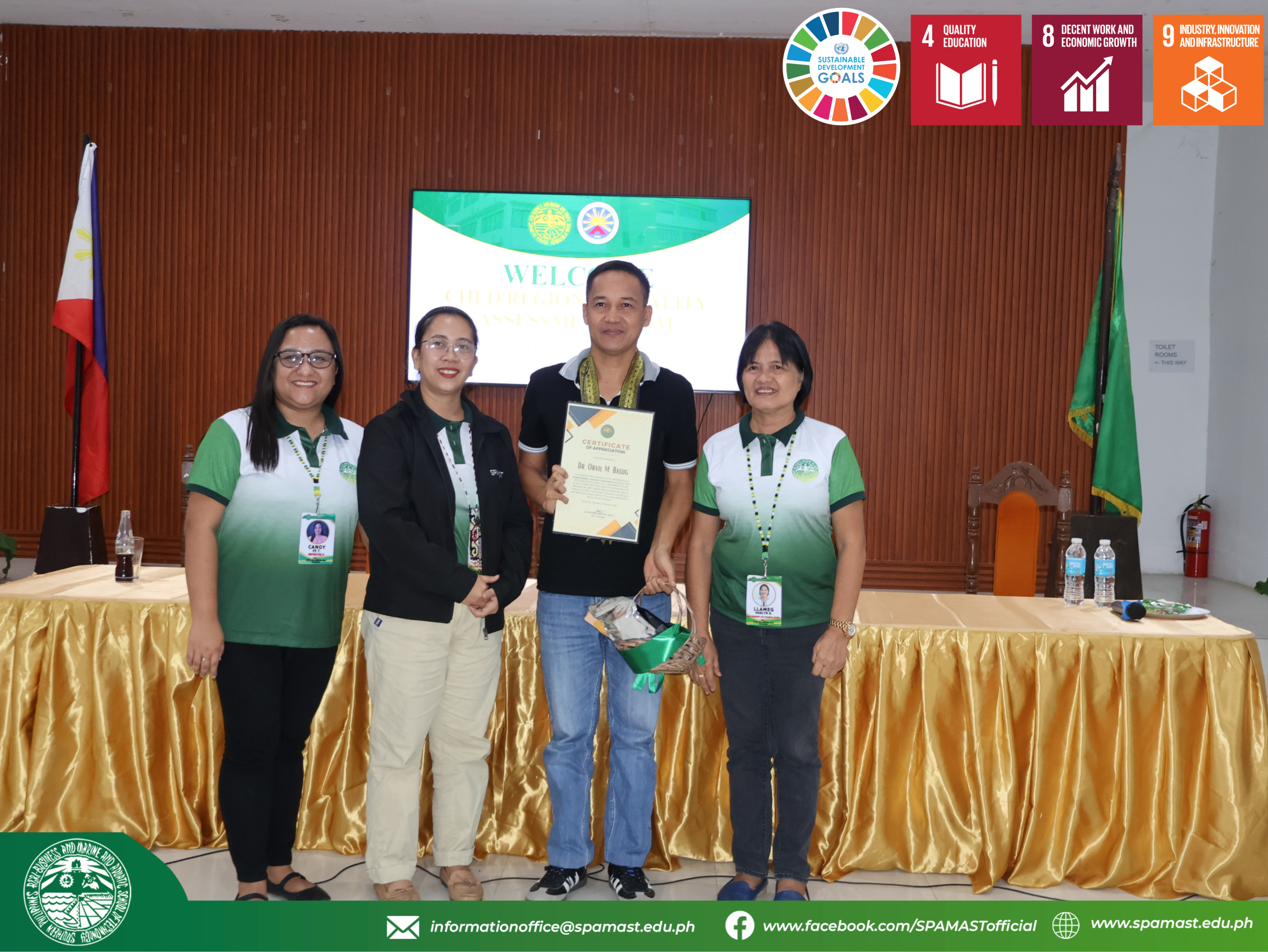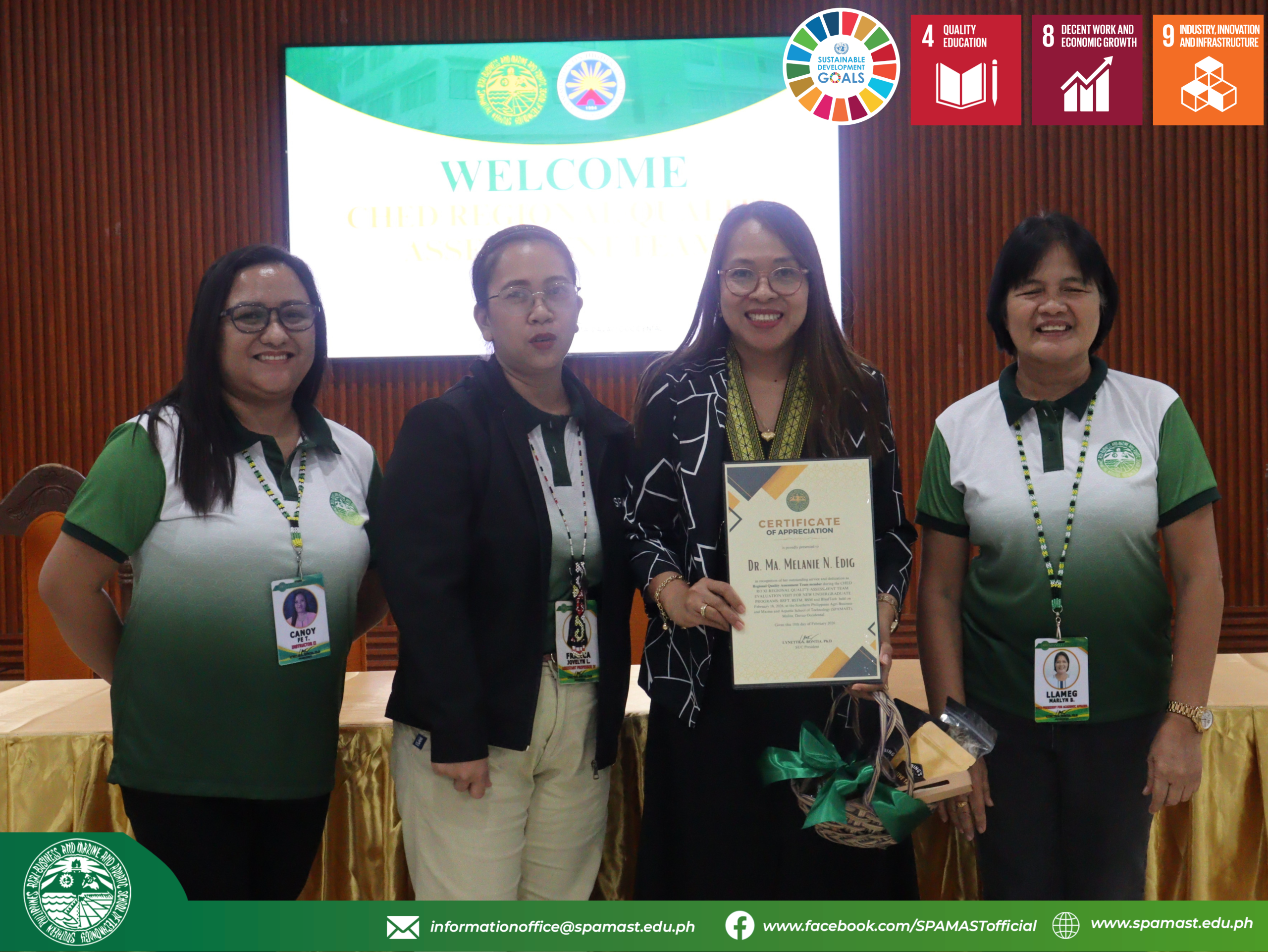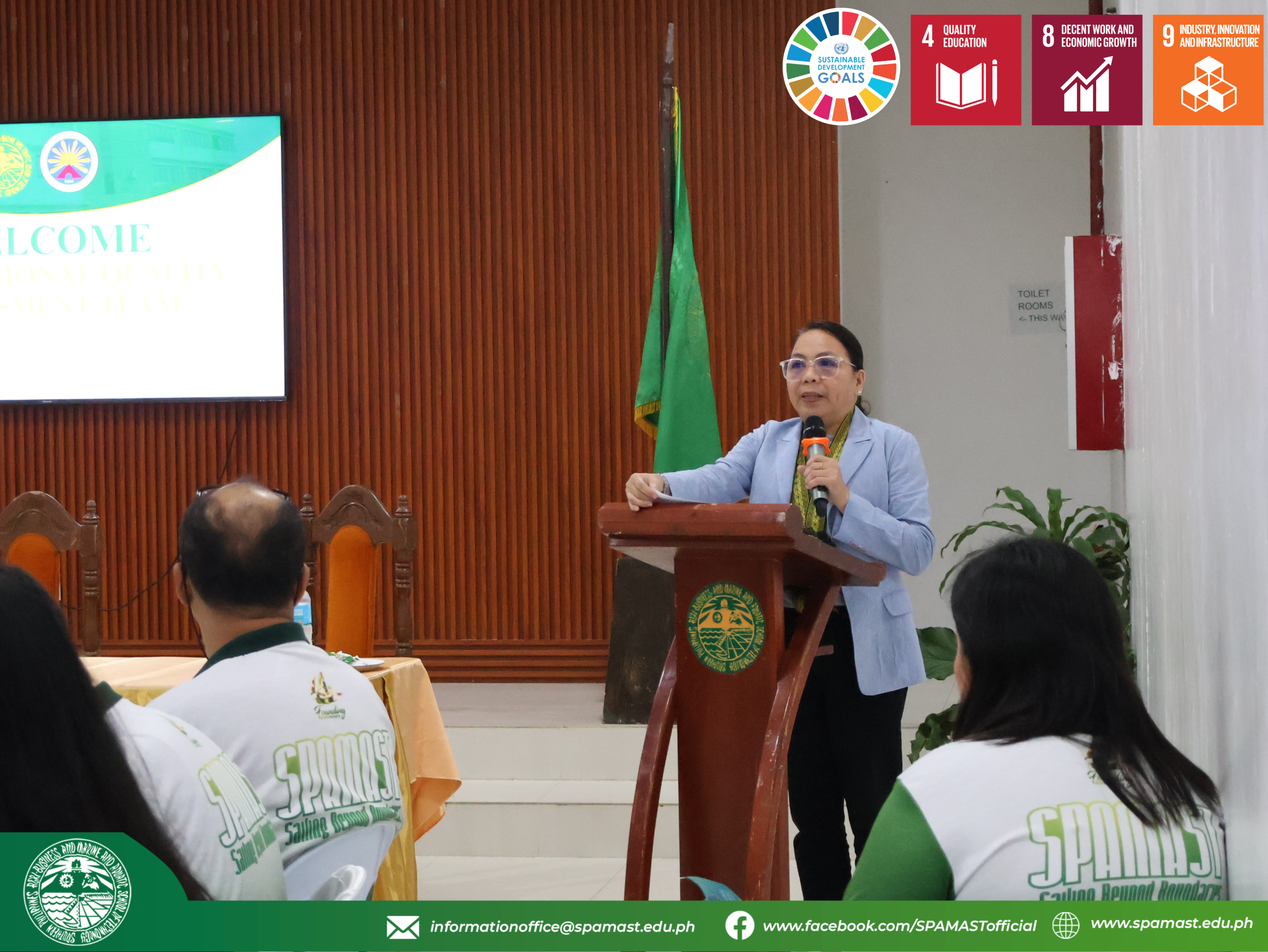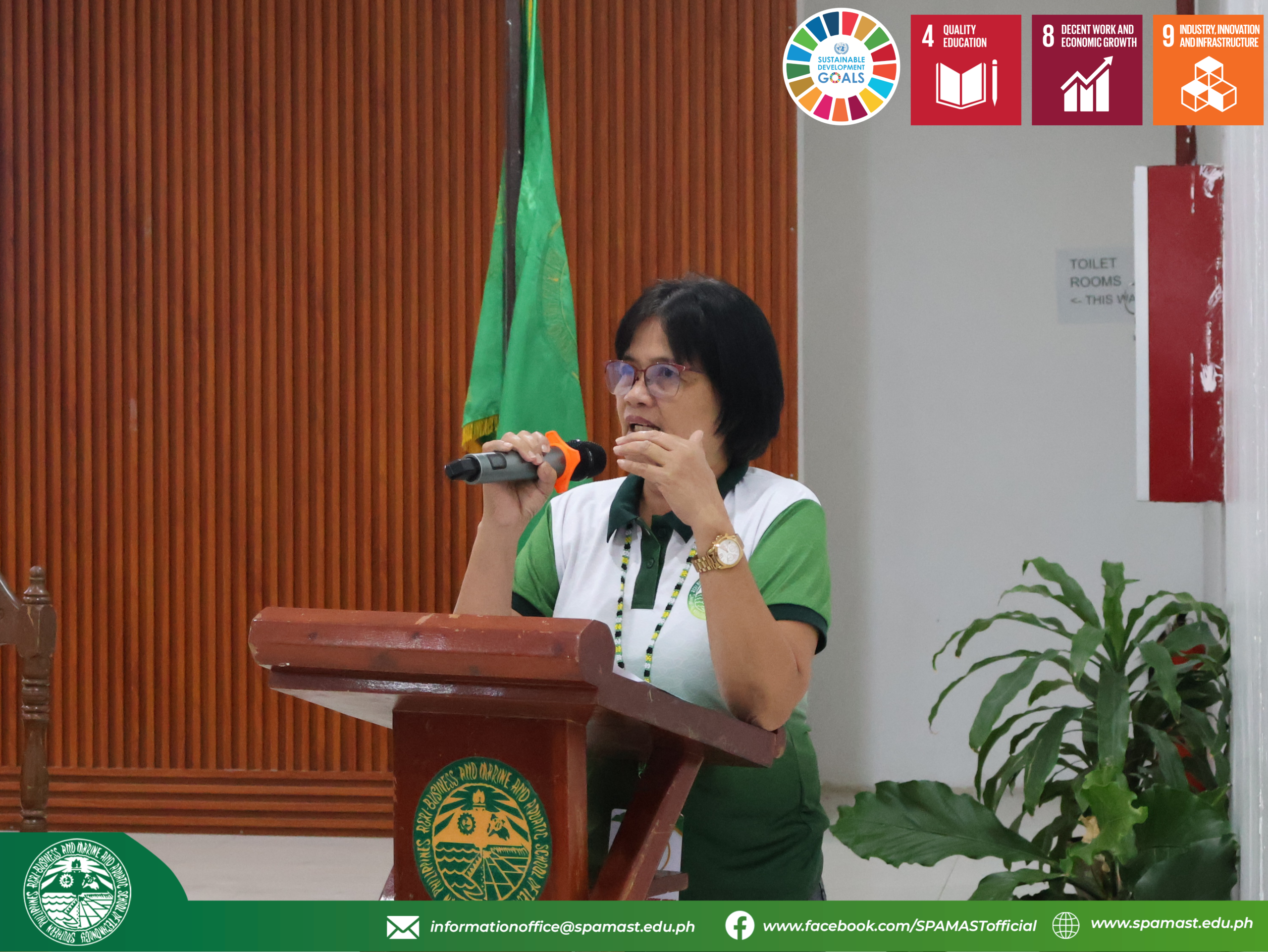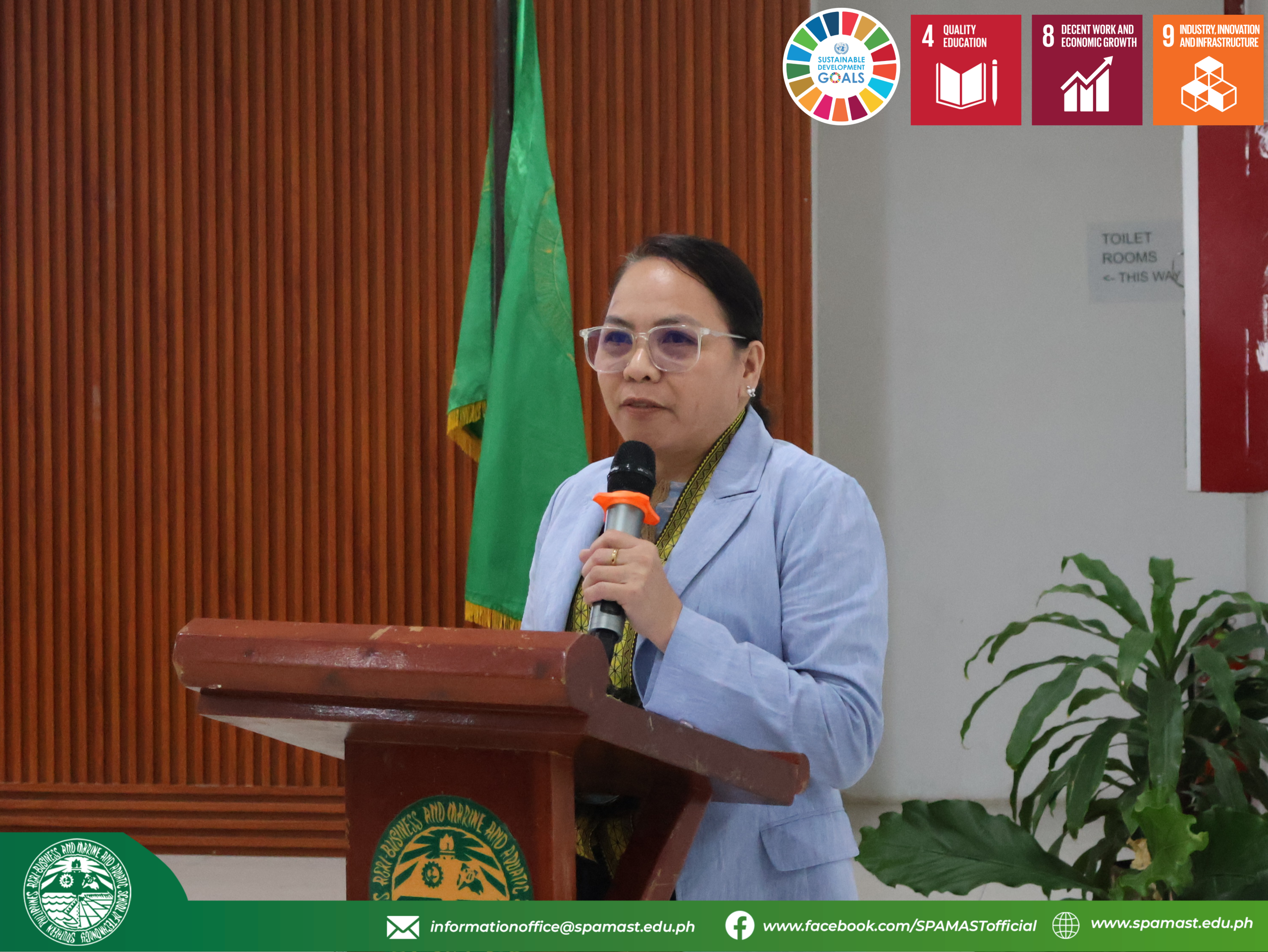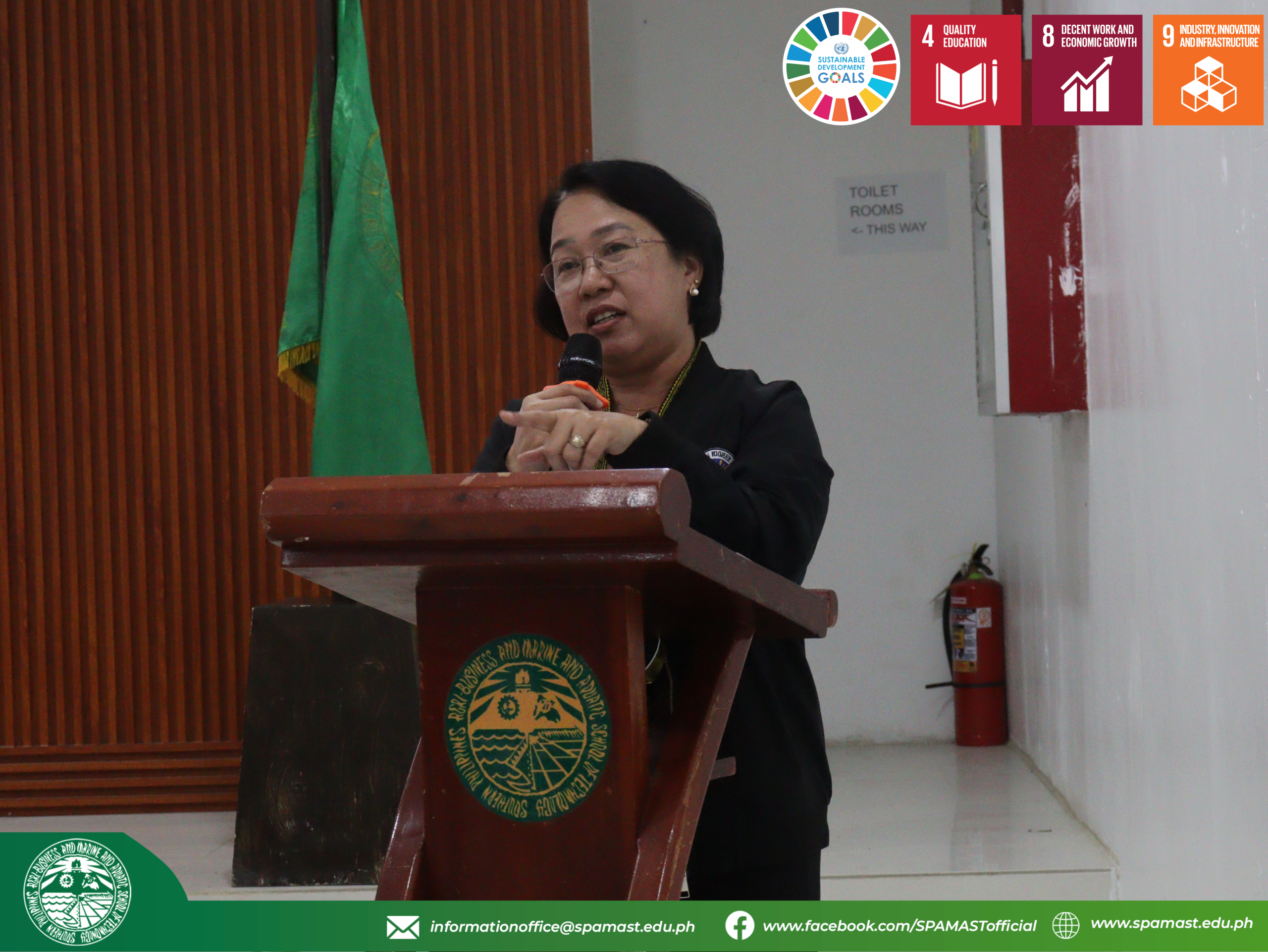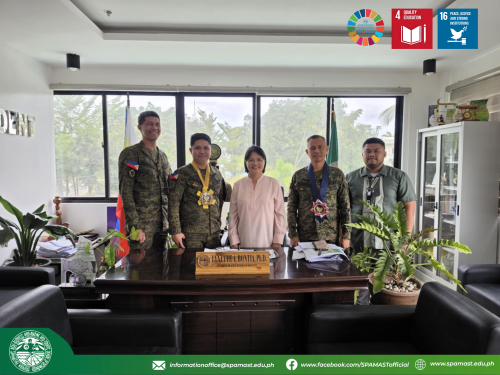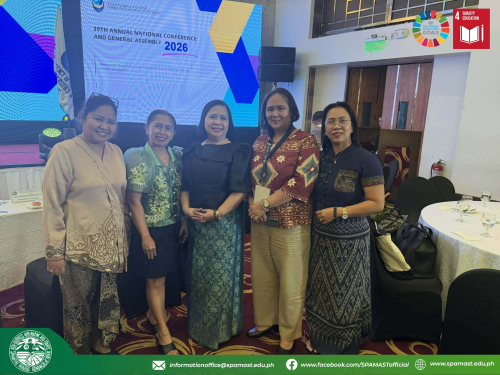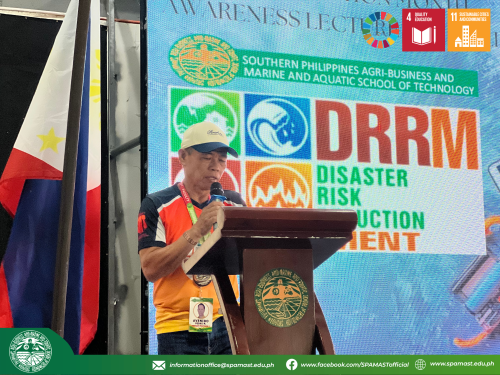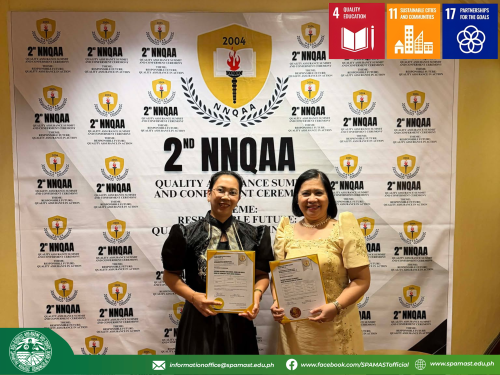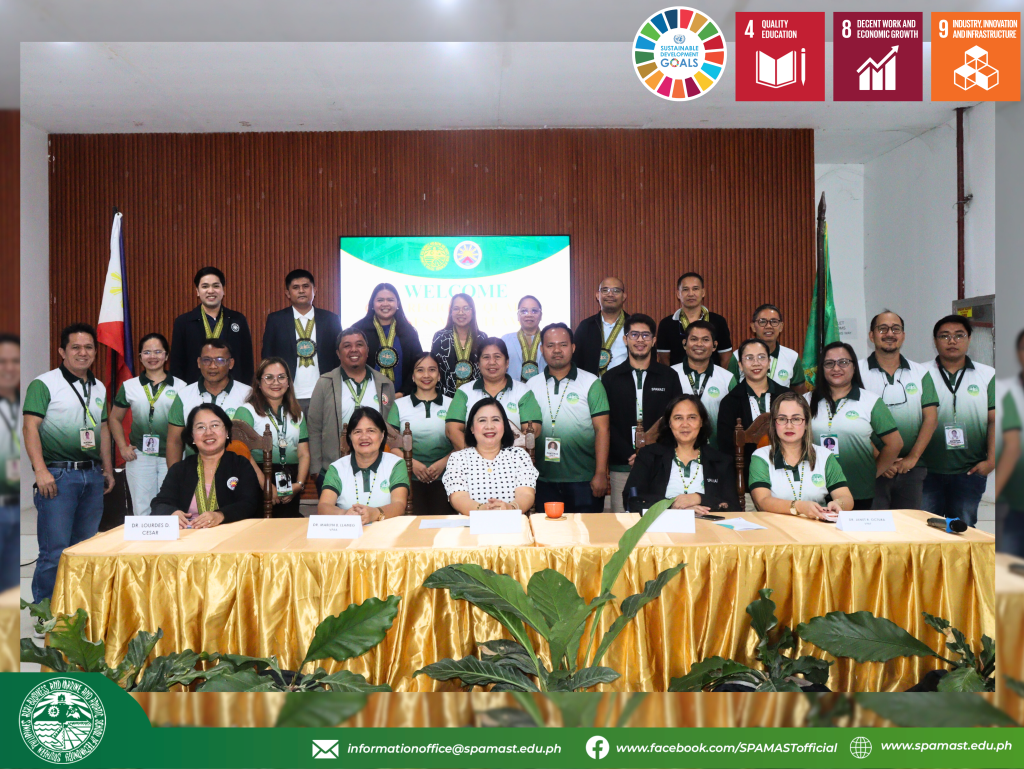
In a strong affirmation of its commitment to academic rigor and institutional excellence, the Southern Philippines Agri-Business and Marine and Aquatic School of Technology (SPAMAST) hosted the Regional Quality Assessment Team (RQAT) of the Commission on Higher Education (CHED) Regional Office XI on February 18, 2026, for the formal evaluation of its newly offered undergraduate programs.
Held at the SPAMAST Lecture Hall, the visit signified more than a compliance exercise—it embodied a scholarly engagement grounded in quality assurance, outcomes-based education, and alignment with national and global development frameworks.
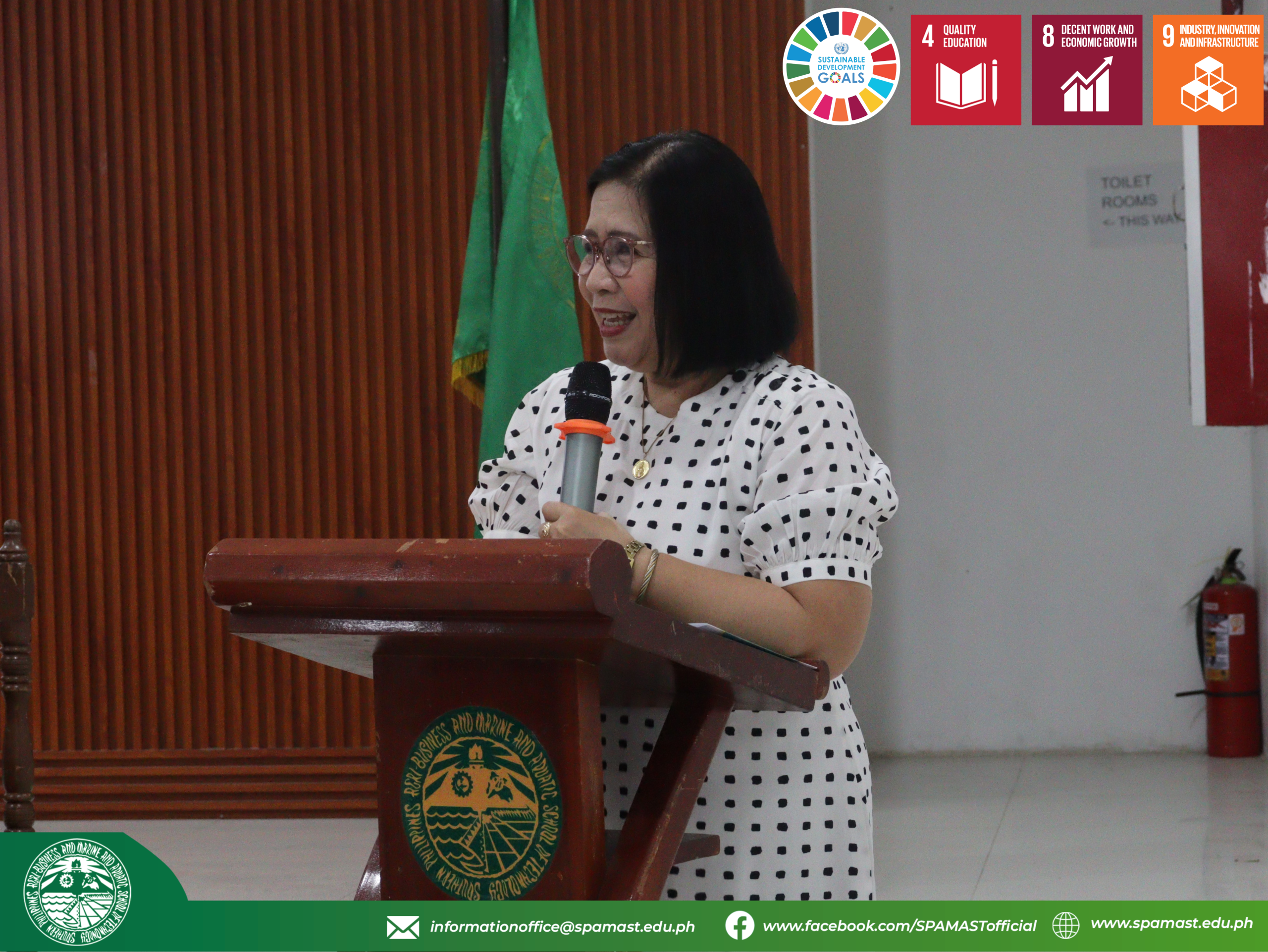
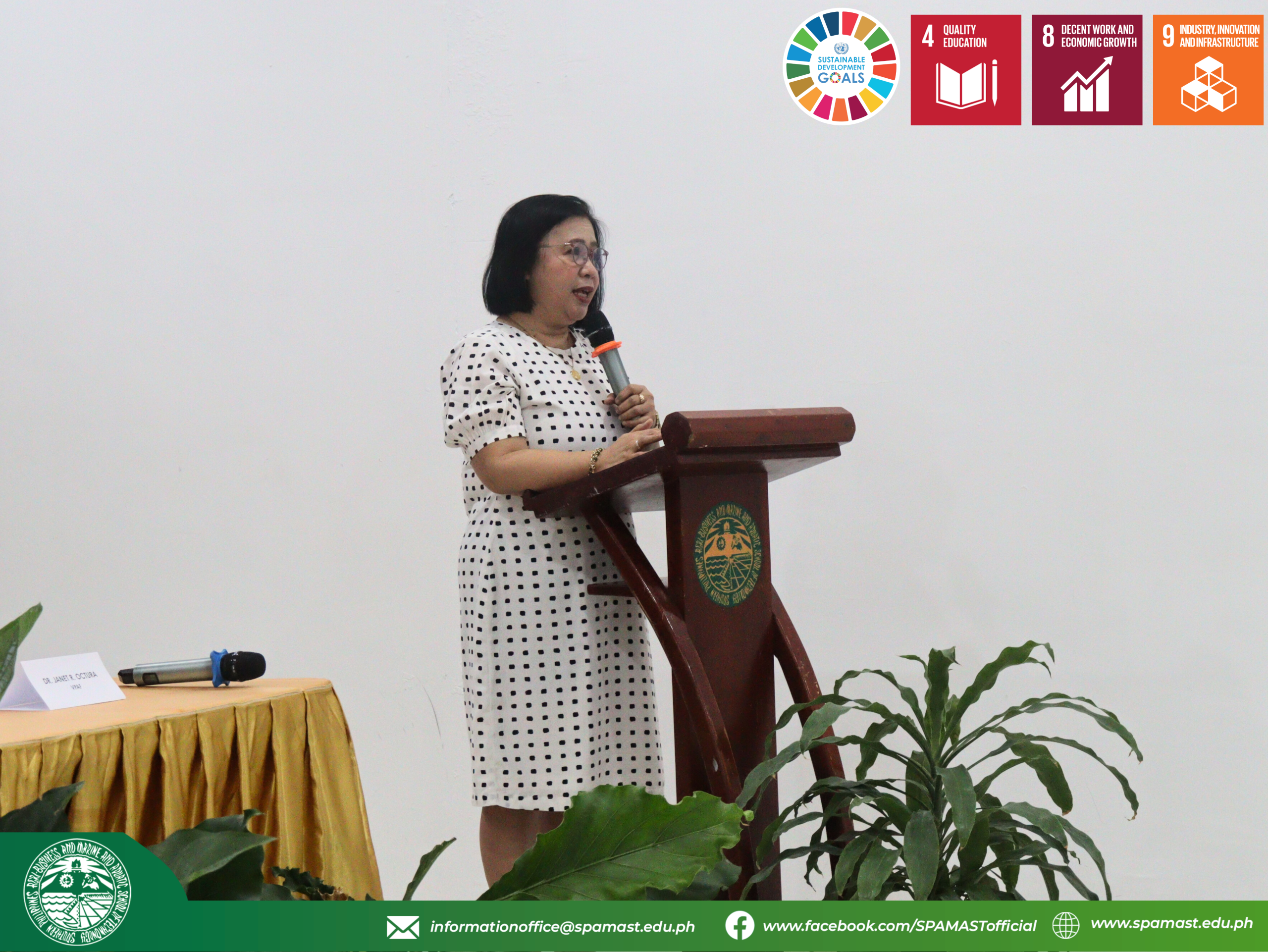
The activity opened with a formal program that reflected the institution’s culture of excellence and transparency. Dr. Marlyn B. Llameg, Vice President for Academic Affairs, emphasized that quality assurance is not merely a regulatory requirement but a continuous institutional discipline that strengthens academic integrity and responsiveness to societal needs.
In her message, SPAMAST President Dr. Lynette A. Bontia articulated the College’s strategic direction toward innovation, sustainability, and global standards. She highlighted that external evaluations such as the RQAT visit reinforce the institution’s pursuit of transformative education—one that equips graduates with competence, character, and competitiveness.
Dr. Jovelyn L. Franca, Director for Quality Assurance, presented the institutional quality frameworks and introduced the program heads, underscoring SPAMAST’s systematic approach to curriculum development, faculty capability enhancement, research productivity, and community engagement.
The evaluation covered four key undergraduate programs:
- Bachelor of Science in Food Technology
- Bachelor of Science in Tourism Management
- Bachelor of Science in Mathematics
- Bachelor of Industrial Technology major in Computer Technology
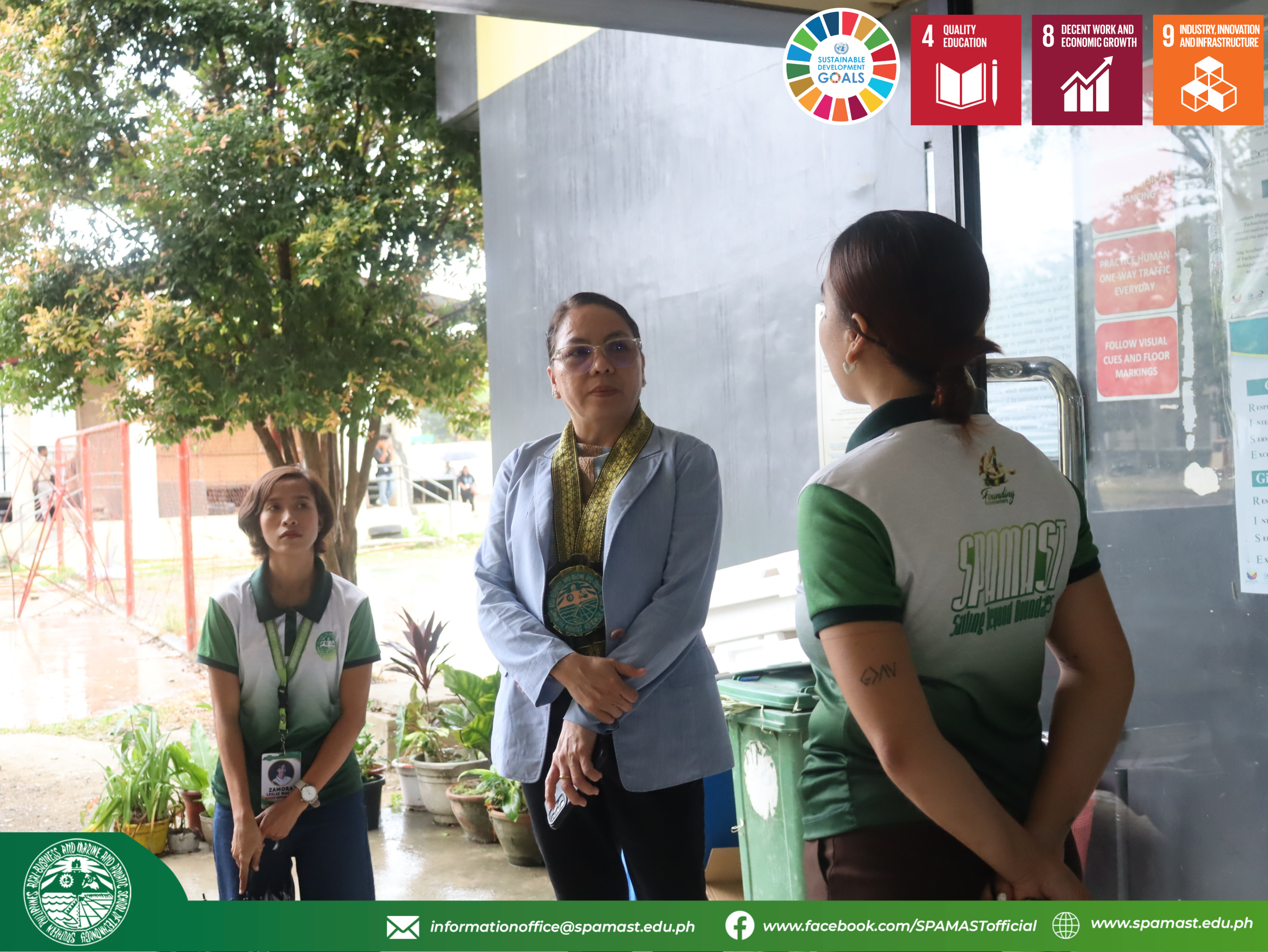
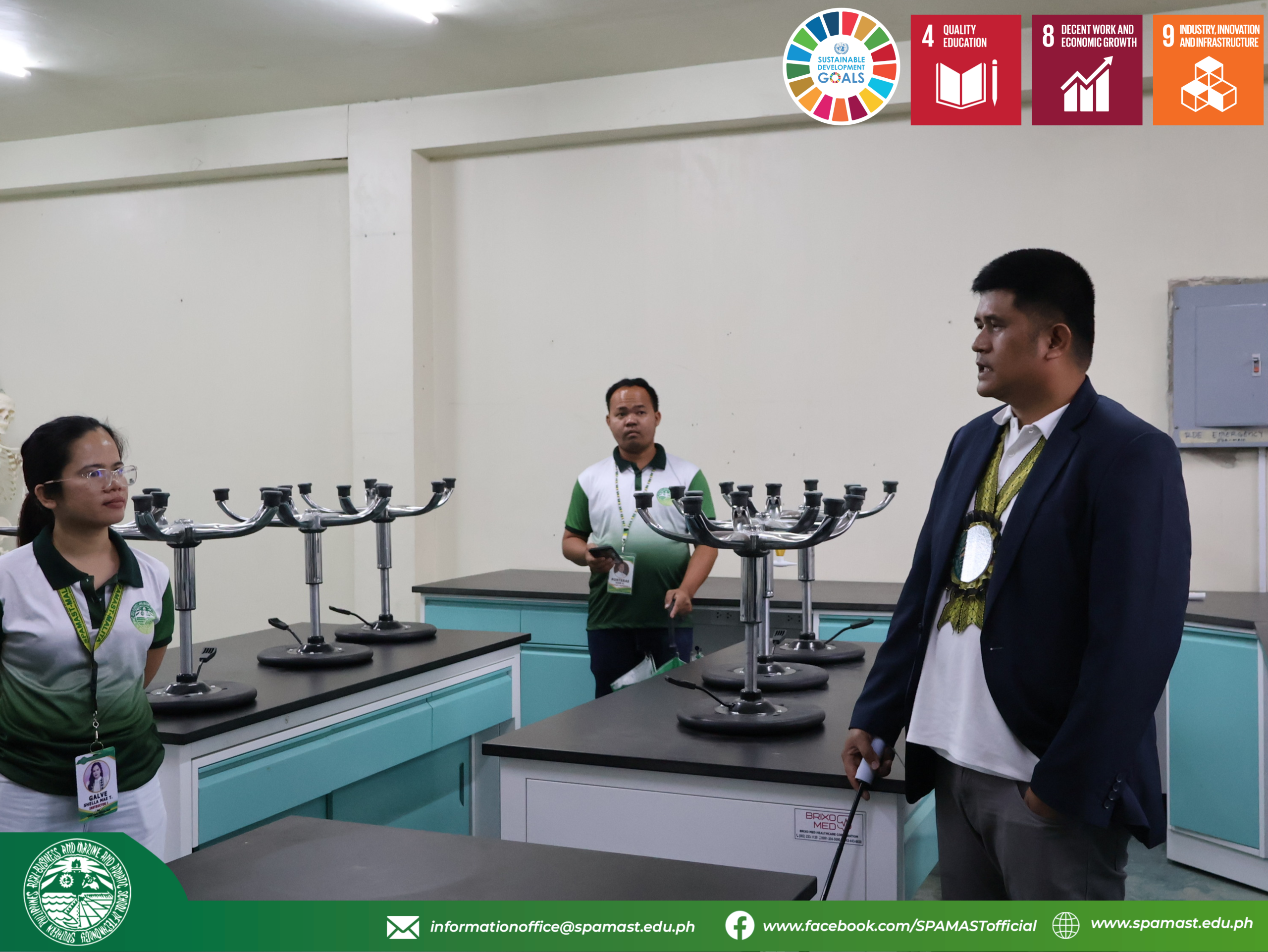
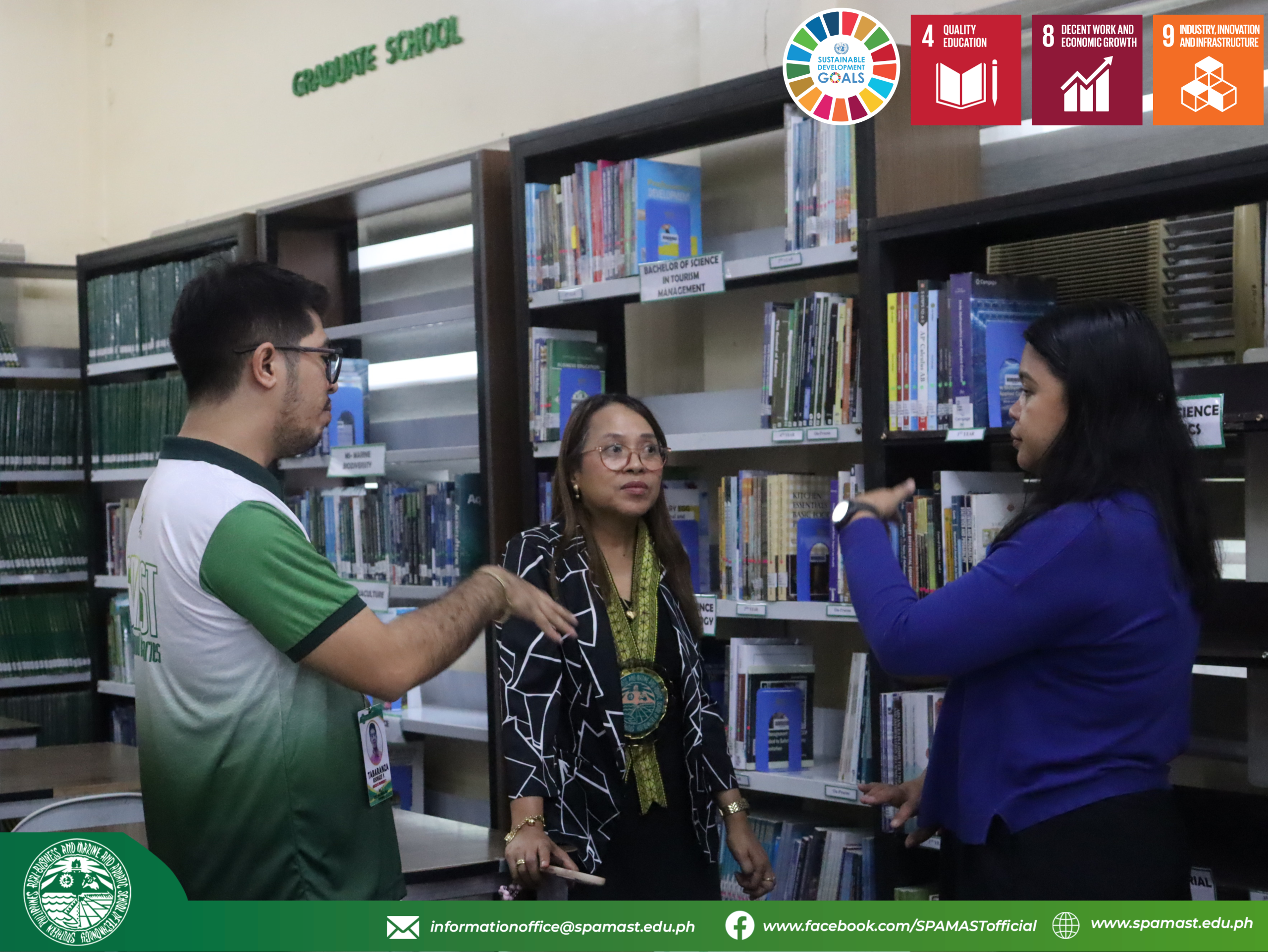
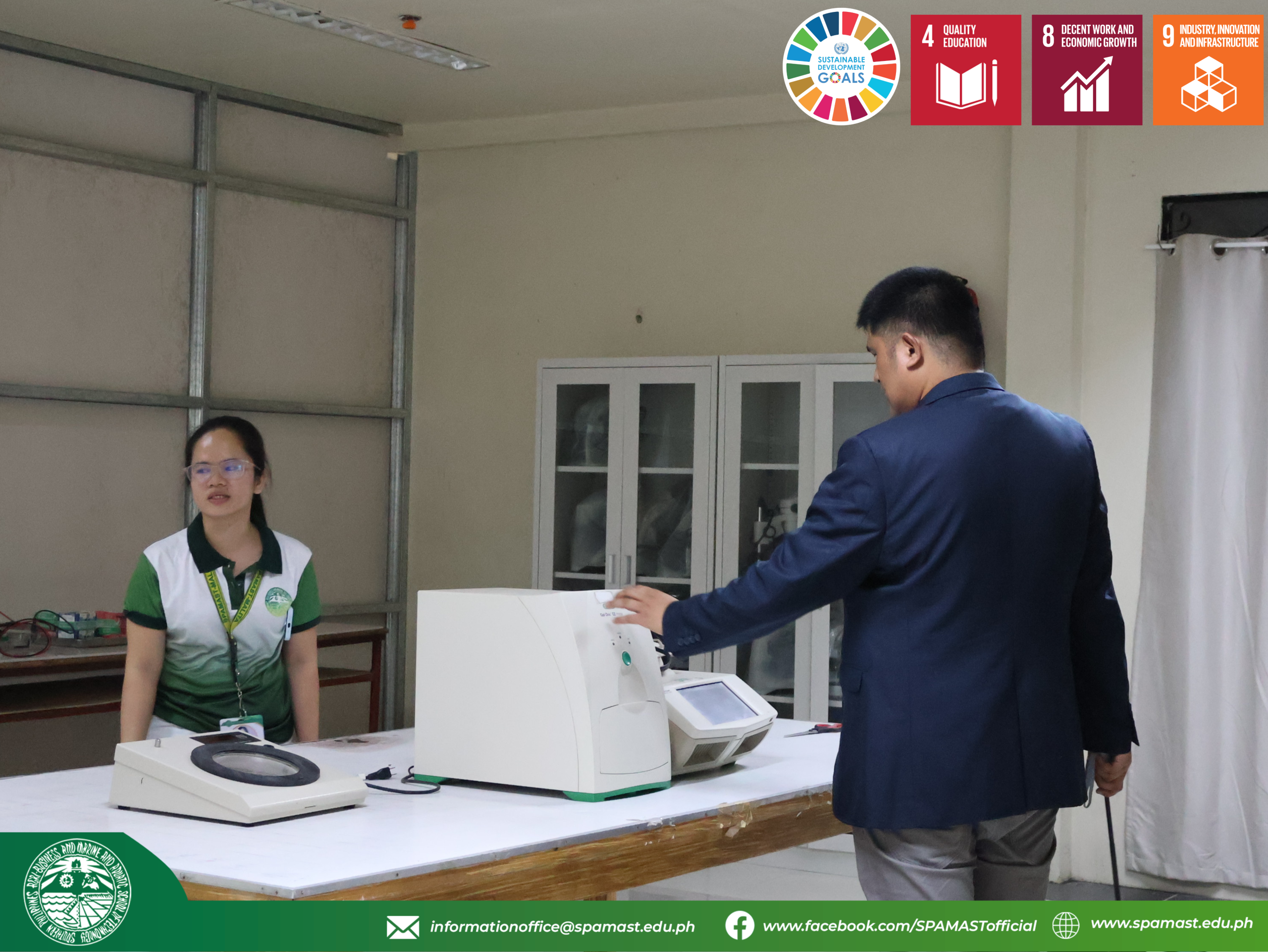
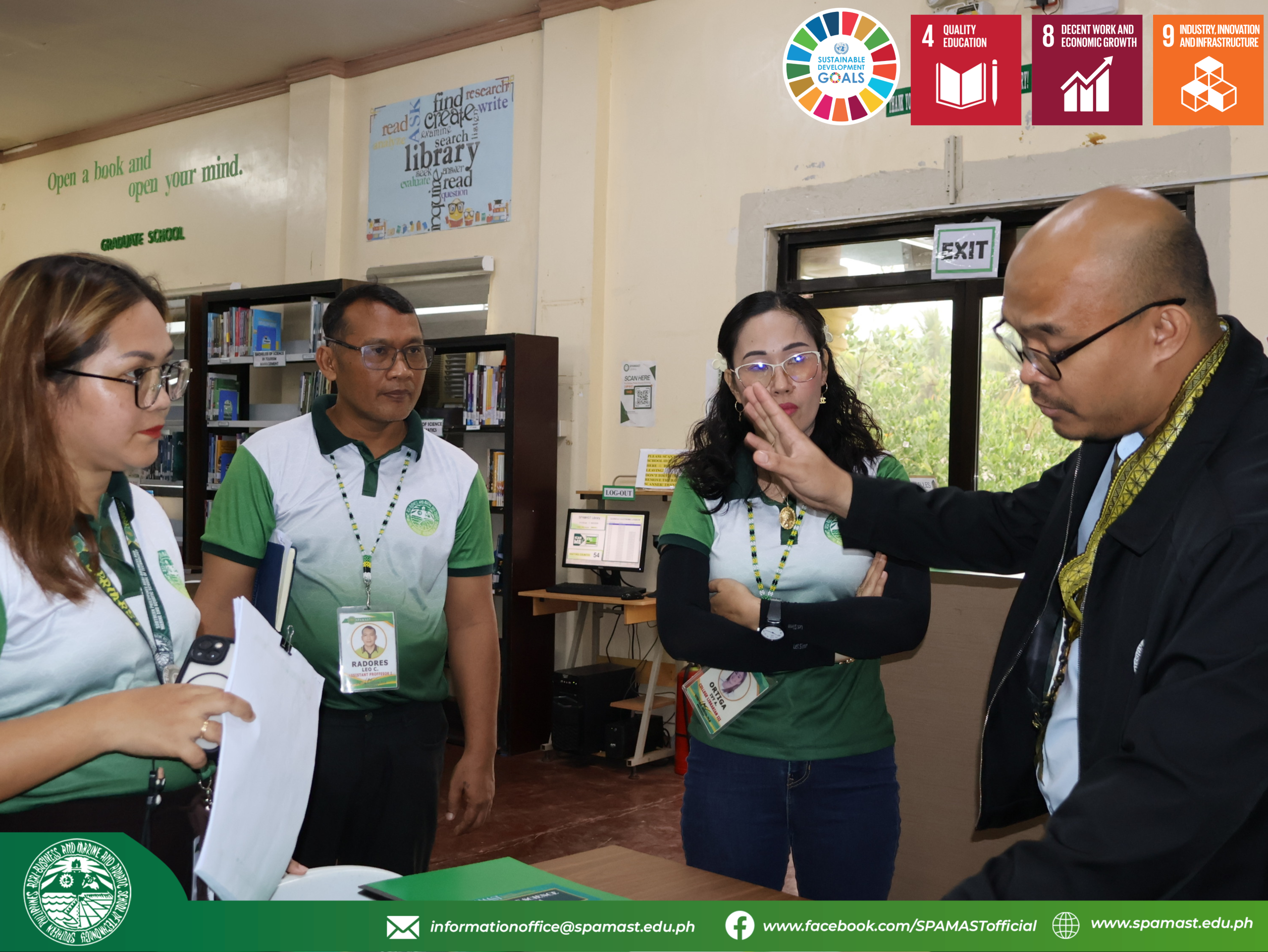
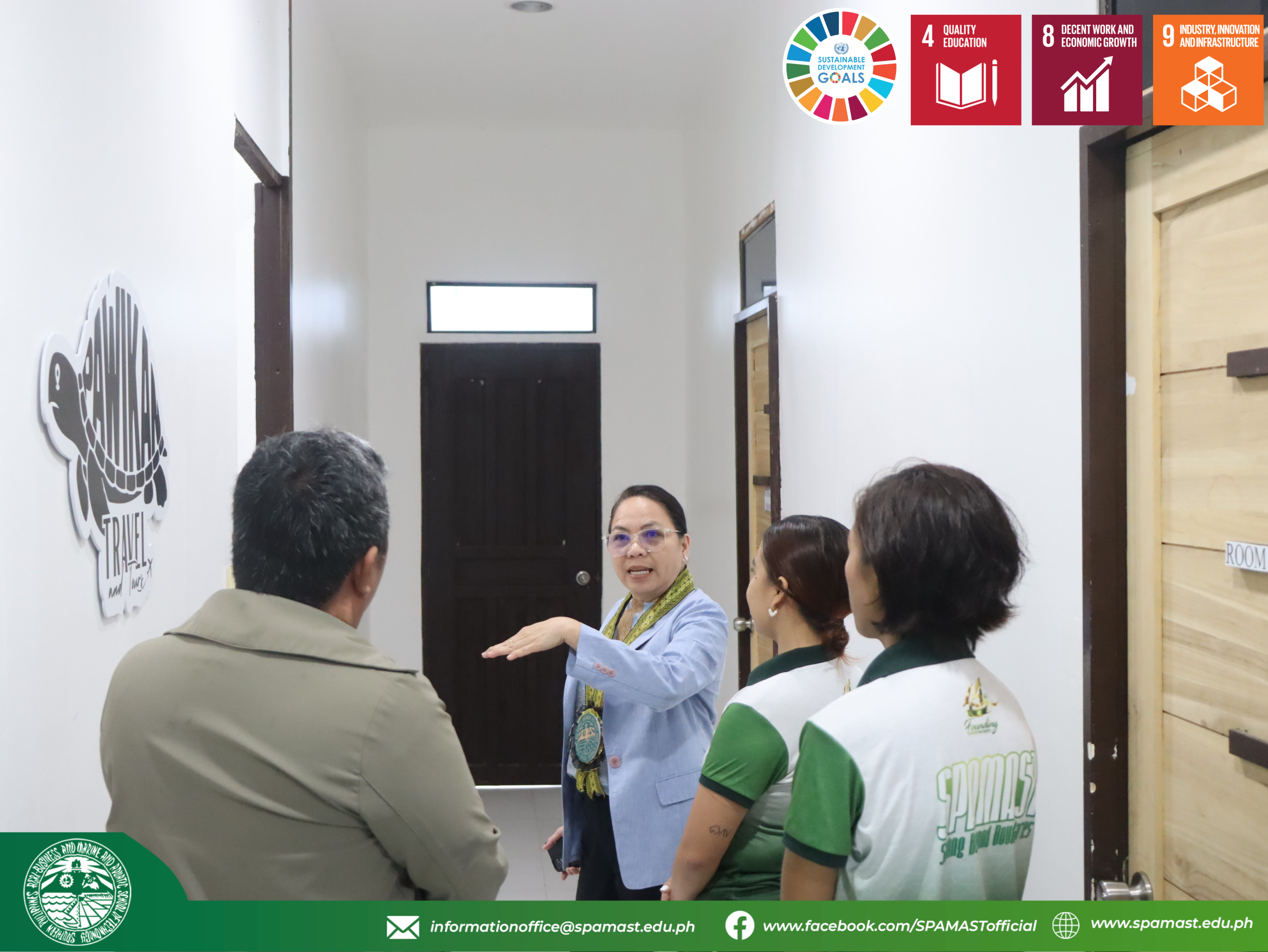
The CHED evaluators conducted comprehensive assessments encompassing curriculum alignment with CHED Policies, Standards, and Guidelines (PSGs), faculty credentials, laboratory and instructional facilities, student support systems, research outputs, extension initiatives, and governance mechanisms.
Esteemed Evaluation Team
The Education Program Specialists (EPS) assigned per discipline were:
- Dr. Louie Juera – Bachelor of Industrial Technology
- Dr. Lourdes Cesar – BS Food Technology
- Dr. Leomar Jay Oblianda – BS Tourism Management
- Ms. Lesele Condeza – BS Mathematics
They were joined by members of the Regional Quality Assessment Team:
- Dr. Maria Joy G. Soriano
- Dr. Ma. Melanie N. Edig
- Dr. Orvil M. Basug
- Dr. Relox Paquito Jr.
Through document validation, stakeholder interviews, and onsite inspections, the team meticulously examined institutional readiness and program sustainability.
Advancing a Culture of Continuous Improvement
During the closing program, the RQAT shared their initial observations and constructive recommendations—providing scholarly insights to further enhance program implementation and quality delivery. The College leadership welcomed the feedback as an essential component of evidence-based improvement and strategic planning.
The evaluation visit underscores SPAMAST’s proactive engagement with national quality assurance mechanisms and its aspiration to stand as a premier higher education institution in Region XI. More importantly, it reflects a deep institutional ethos: that excellence is not declared, but demonstrated—through standards met, systems strengthened, and communities transformed.
As SPAMAST continues its academic journey, the RQAT visit serves as both validation and inspiration—affirming that quality education remains the cornerstone of sustainable and inclusive development.
The successful conduct of the CHED RO XI–Regional Quality Assessment Team Evaluation Visit affirms SPAMAST’s steadfast commitment to academic excellence and sustainable development, directly advancing the United Nations Sustainable Development Goal 4 (Quality Education) by strengthening quality assurance systems and ensuring inclusive, standards-based tertiary instruction. The activity further contributes to SDG 9 (Industry, Innovation and Infrastructure) through the enhancement of technology- and science-driven programs, and SDG 8 (Decent Work and Economic Growth) by preparing competent graduates equipped to drive regional productivity and innovation. In collaboration with the Commission on Higher Education, SPAMAST continues to uphold its mandate as a transformative higher education institution committed to global standards, institutional integrity, and sustainable nation-building.Top of Form