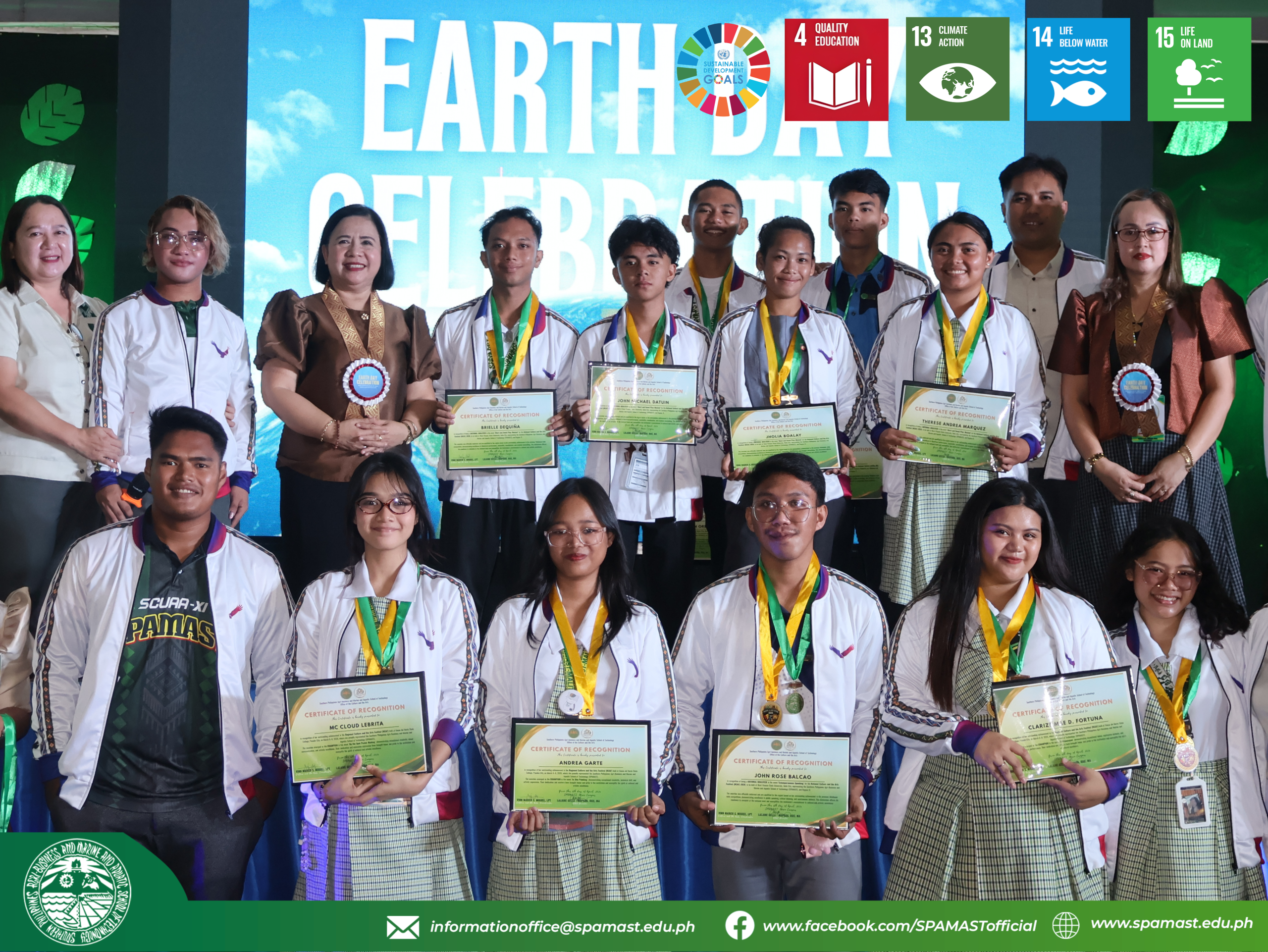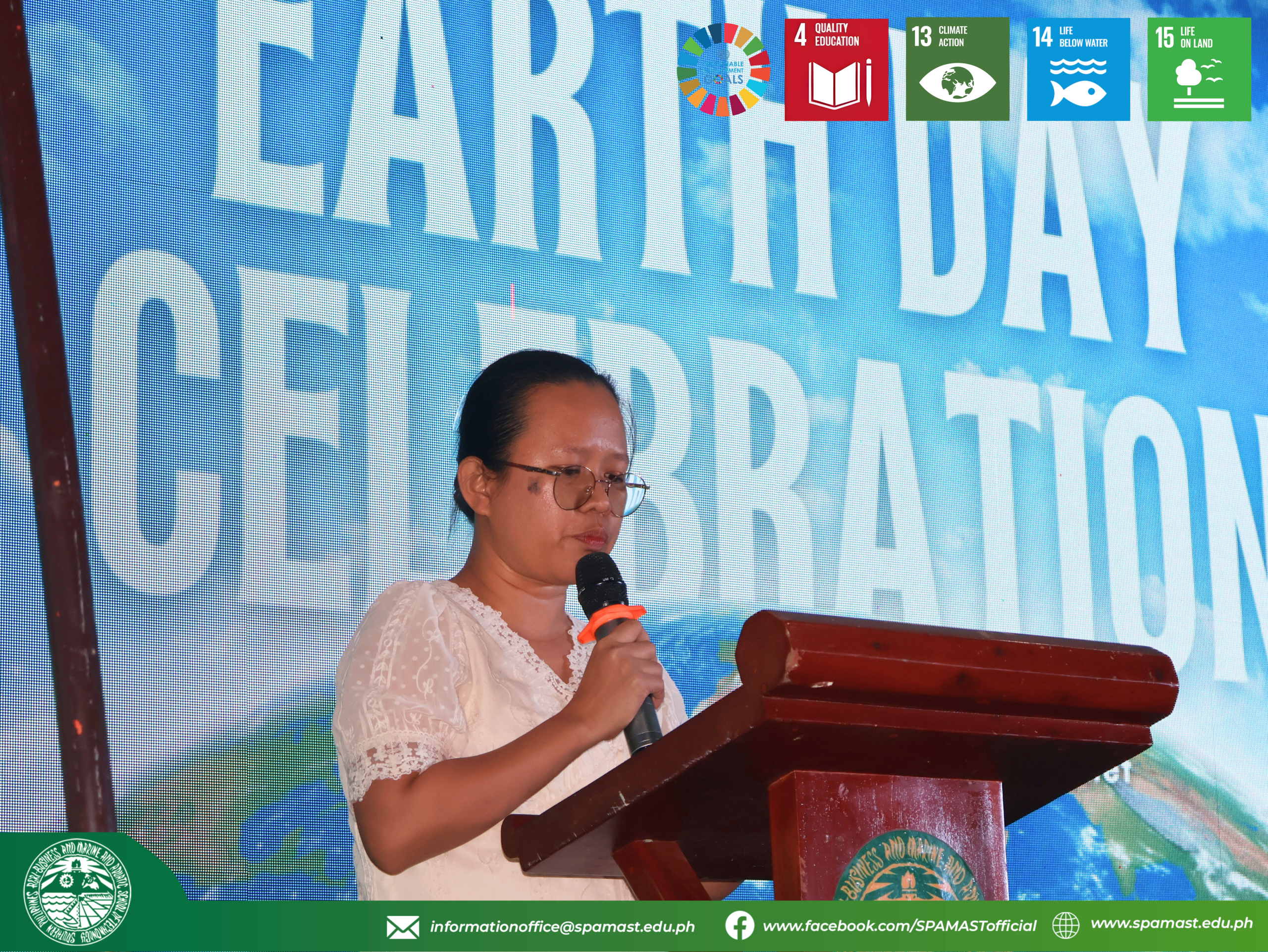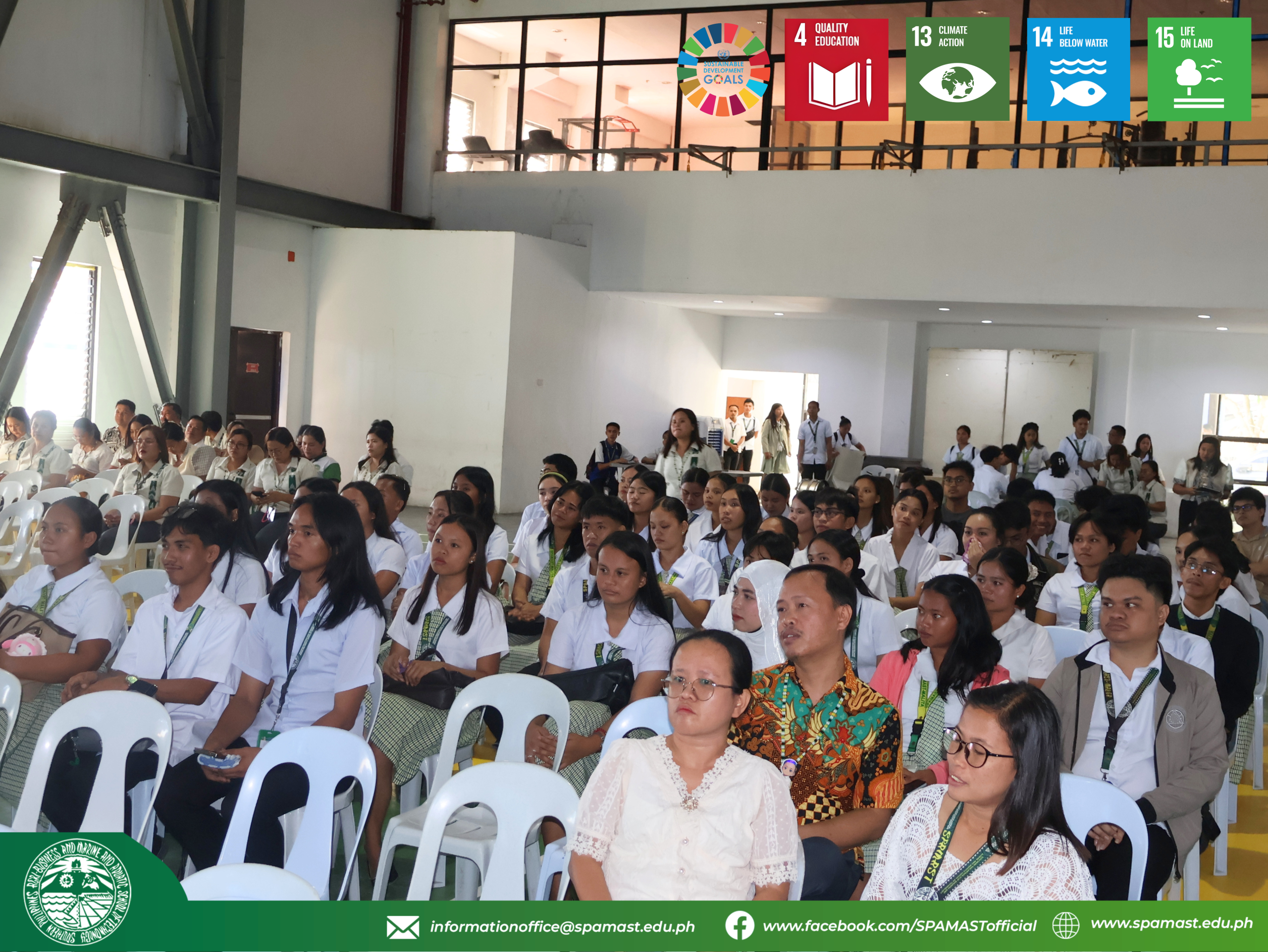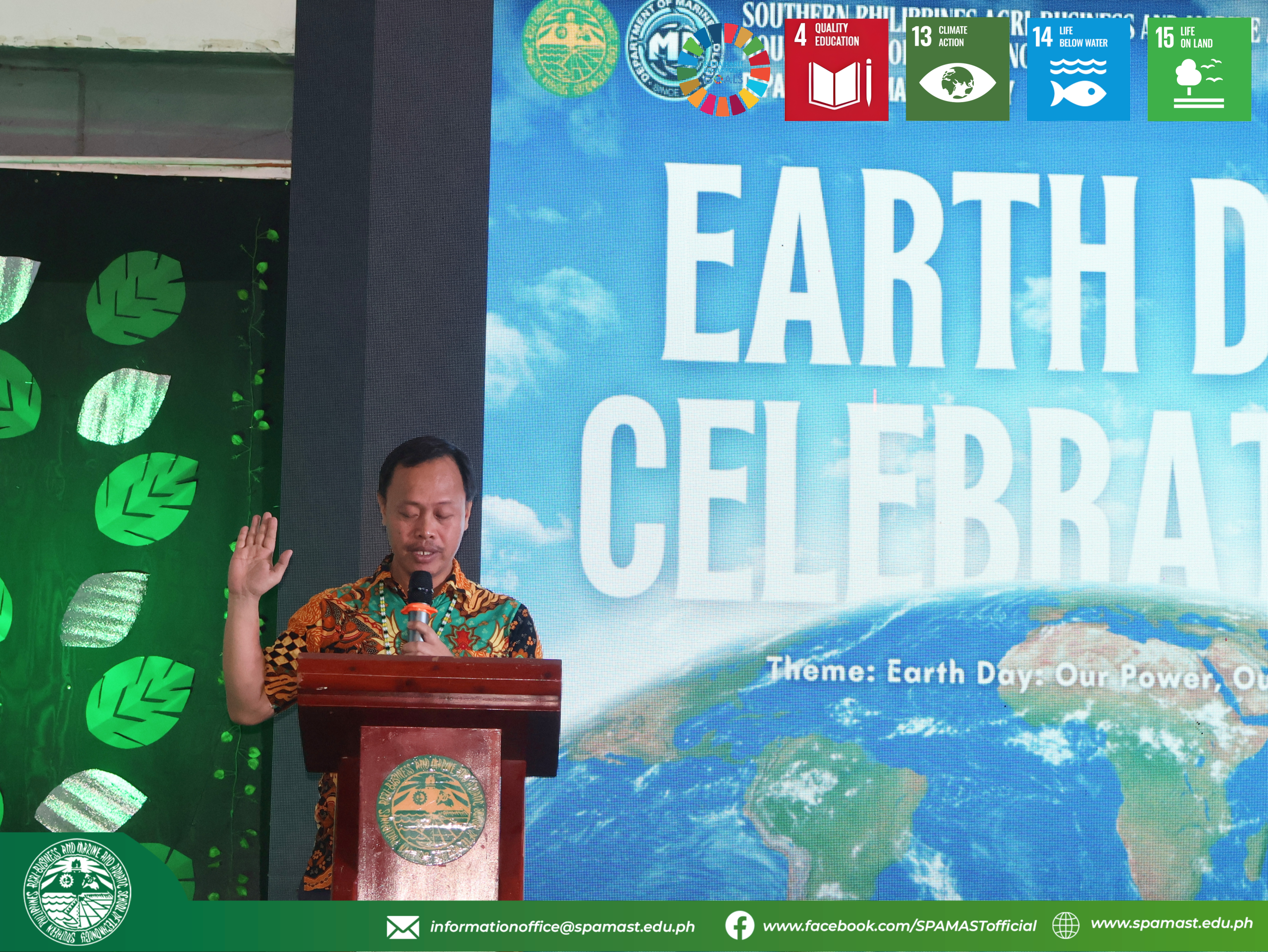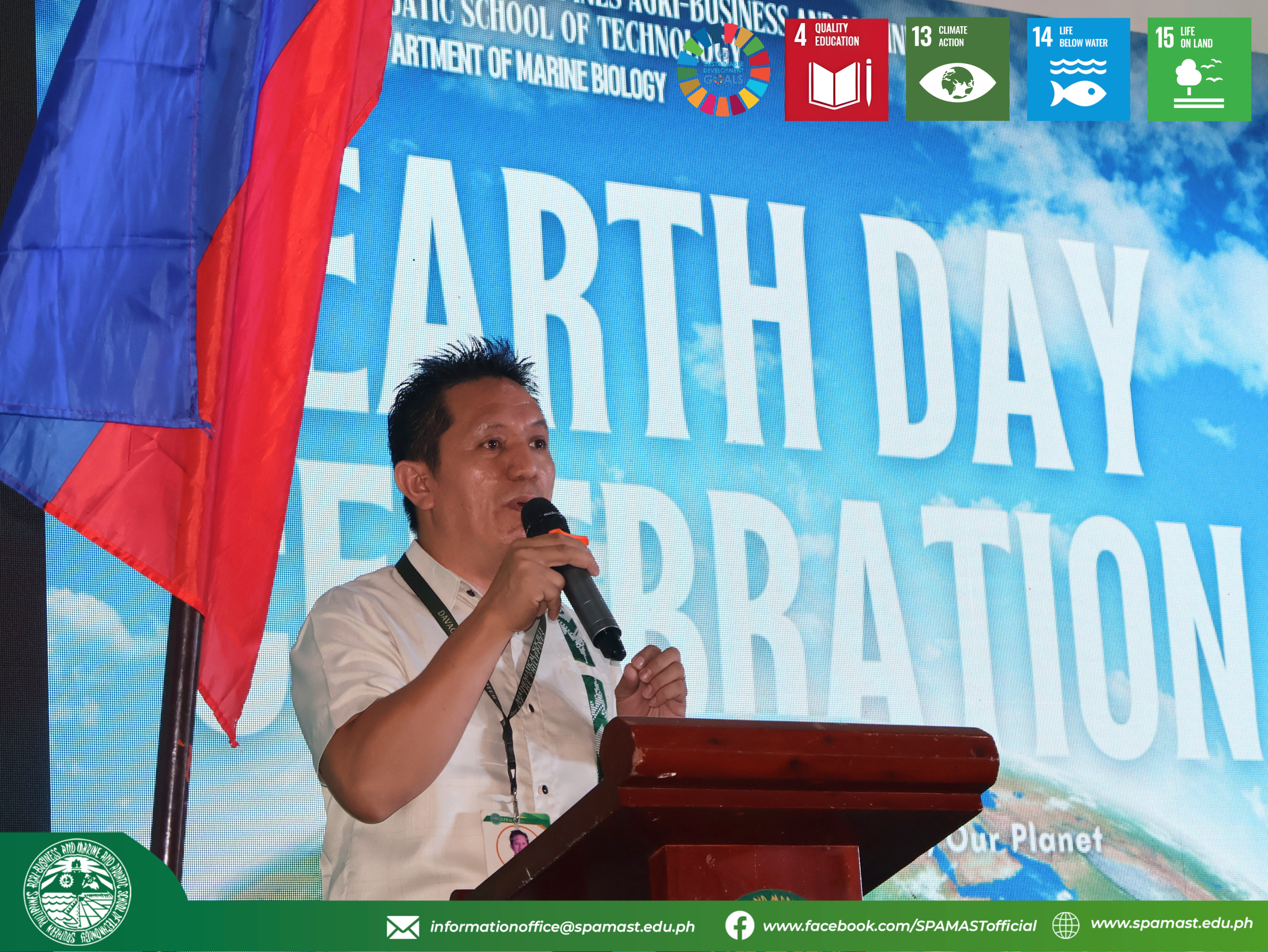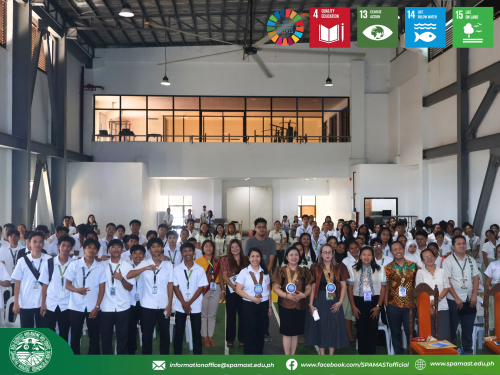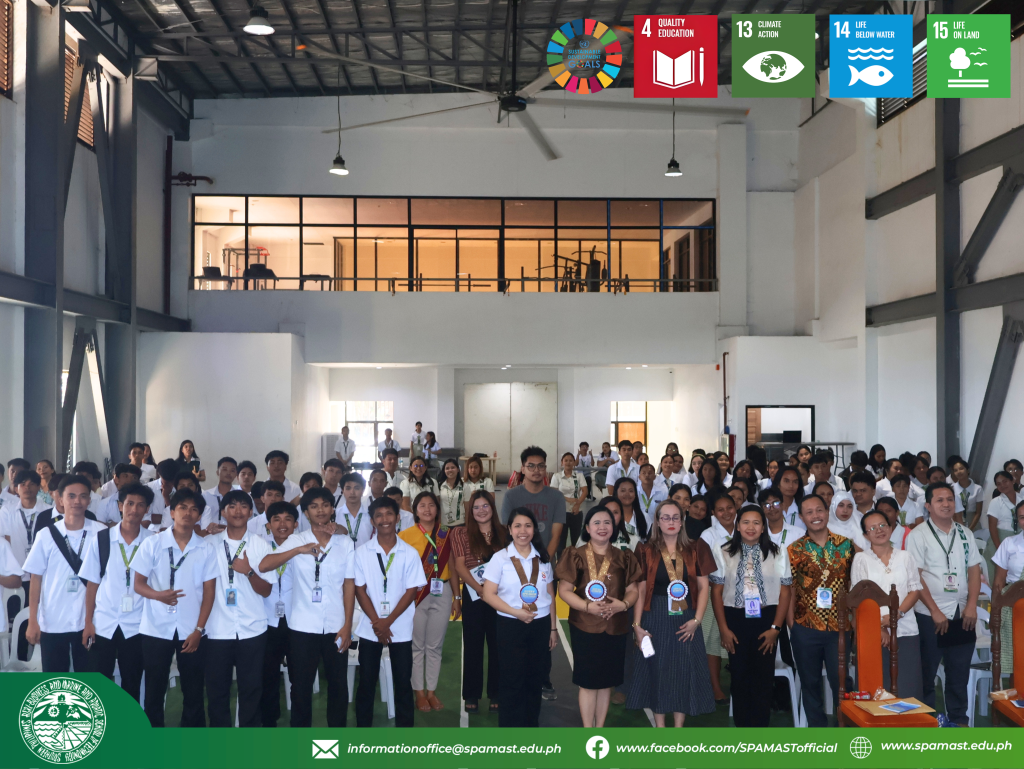
MALITA, Davao Occidental — A compelling call for environmental stewardship echoed through Founder’s Hall on April 6, 2026, as the Southern Philippines Agri-Business and Marine Aquatic School of Technology (SPAMAST), through its Department of Marine Biology, convened students, faculty, and stakeholders for its Earth Day Celebration Convocation. Anchored on the theme “Earth Day: Our Power, Our Planet,” the event underscored the urgency of individual and collective responsibility in safeguarding natural resources. Delivering her inspiring message, SPAMAST President Dr. Lynette A. Bontia emphasized that “Earth Day Celebration is a living covenant between humanity and the environment,” urging participants to recognize their inherent capacity to effect change through conscious choices, environmental protection, and active community involvement. She added, “Let us remember that transformation begins in each of us,” reinforcing the idea that meaningful environmental change starts at the individual level.
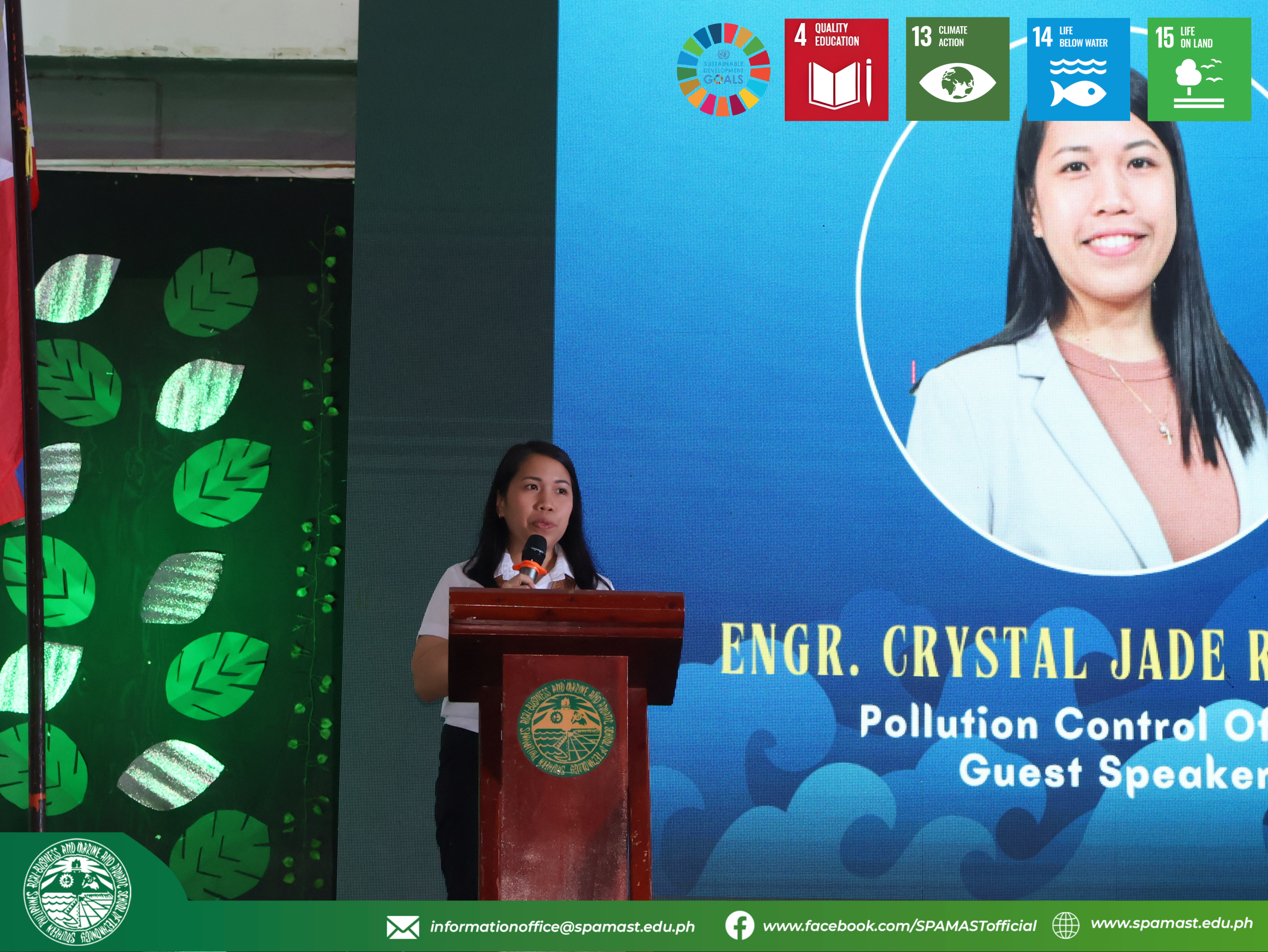
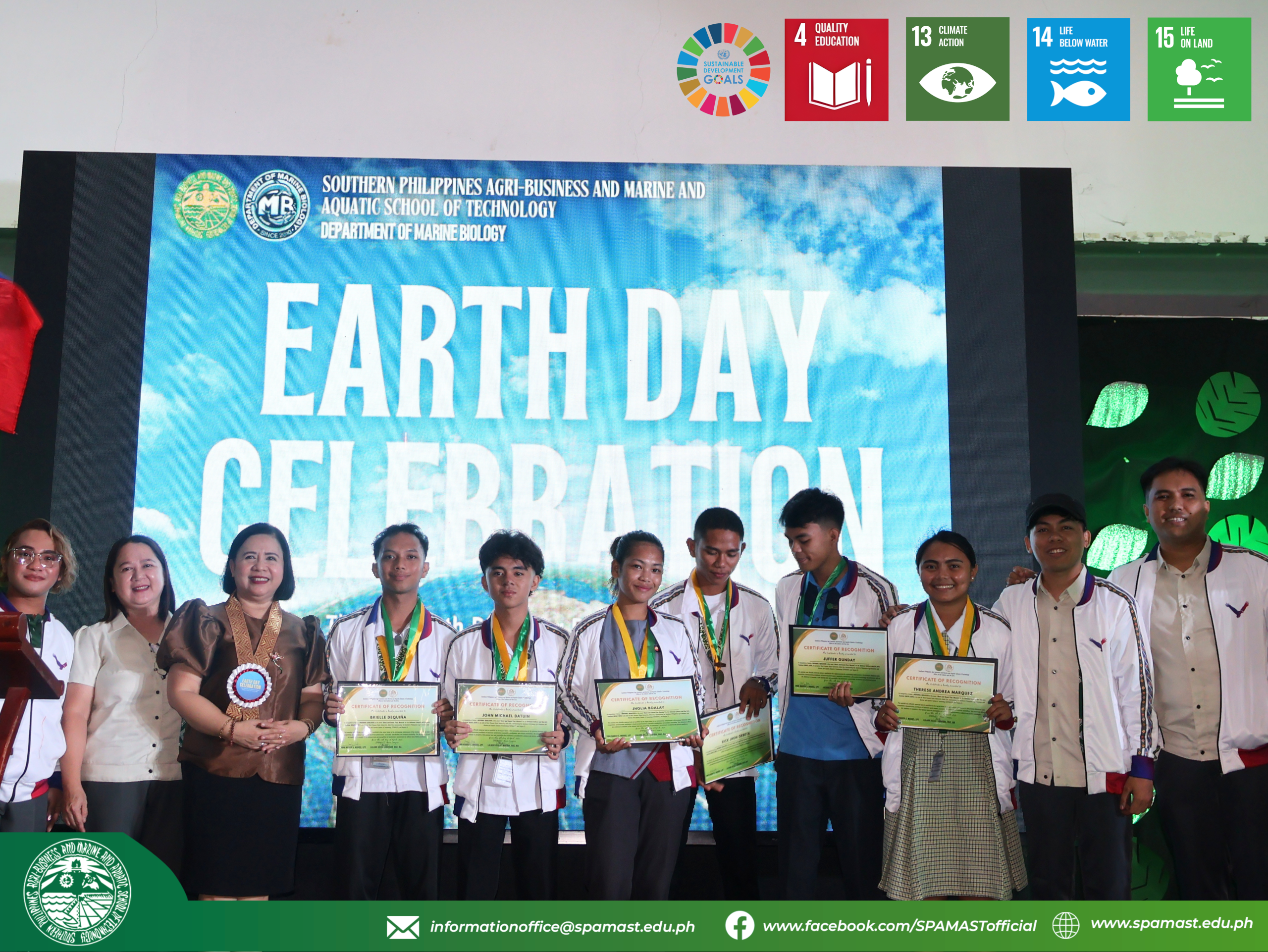
The convocation featured a structured program blending reflection, inspiration, and expert insight. Following a solemn Divine Service, the academic gathering opened with remarks from institutional leaders and a values-focused message from Dr. Aldwin T. Miranda, reinforcing ethical responsibility toward nature. The highlight of the event was the President’s address, which resonated strongly with the audience as she declared, “We are not powerless, we are powerful,” reframing environmental action as a shared human duty rather than a distant institutional mandate. Complementing this perspective, guest speaker Engr. Crystal Jade Remoroza, a Pollution Control Officer, provided technical insights on environmental preservation and the critical role of compliance and innovation in addressing ecological challenges. Recognition rites and cultural intermissions further enriched the program, fostering a sense of unity and shared purpose.
Beyond ceremonial significance, the convocation aligns with global development priorities, particularly the United Nations’ 17 Sustainable Development Goals (SDGs). The event directly advances SDG 13 (Climate Action), SDG 14 (Life Below Water), and SDG 15 (Life on Land), while also promoting SDG 4 (Quality Education) through awareness-building initiatives. Dr. Bontia’s closing message captured the essence of these goals: “The planet’s future isn’t just in the hands of our leaders or scientists—it is in your hands, and our hands.” As participants departed, the convocation left a clear and enduring message—transformative change begins not in policy alone, but in the daily choices and commitments of every individual.