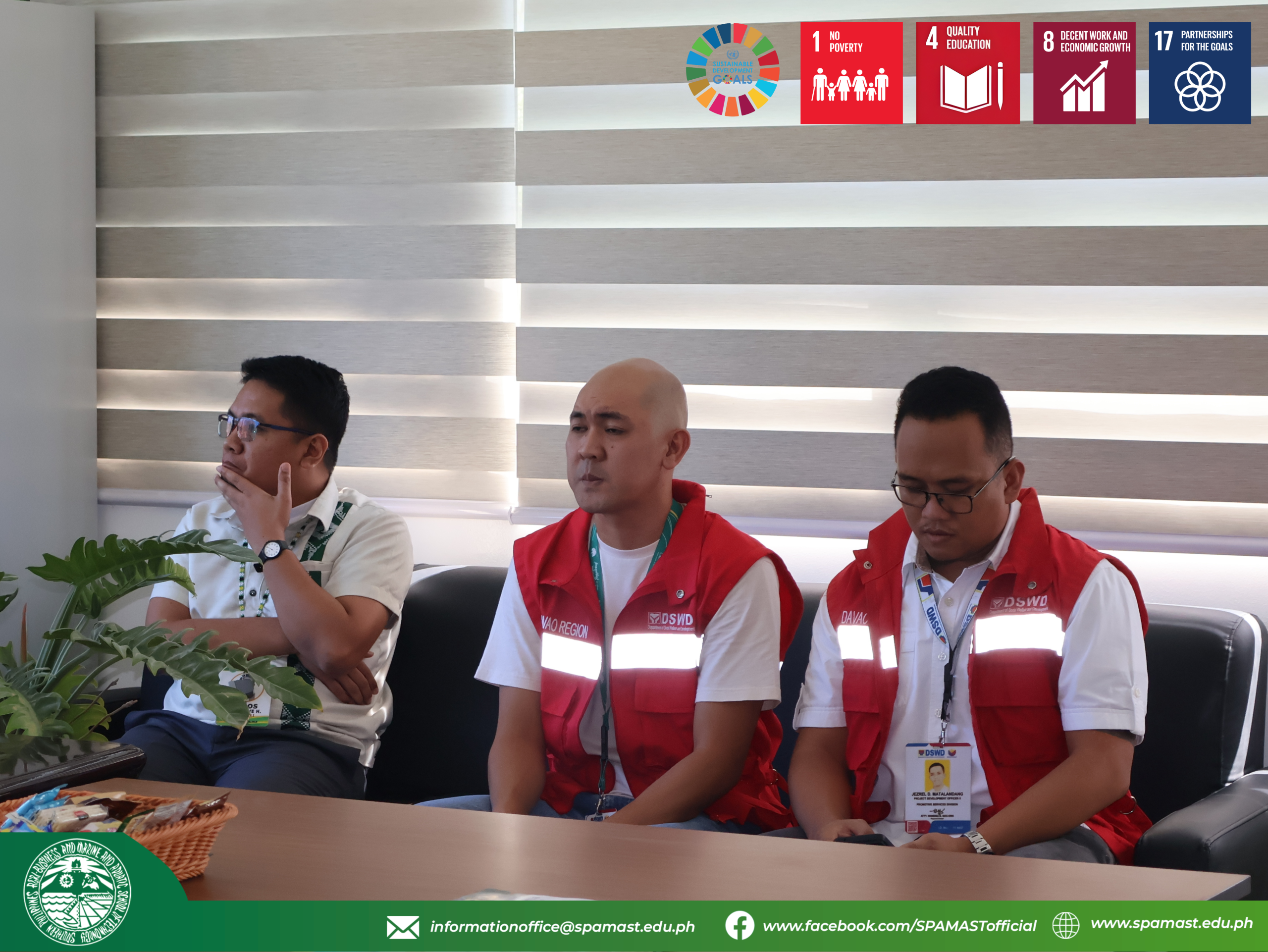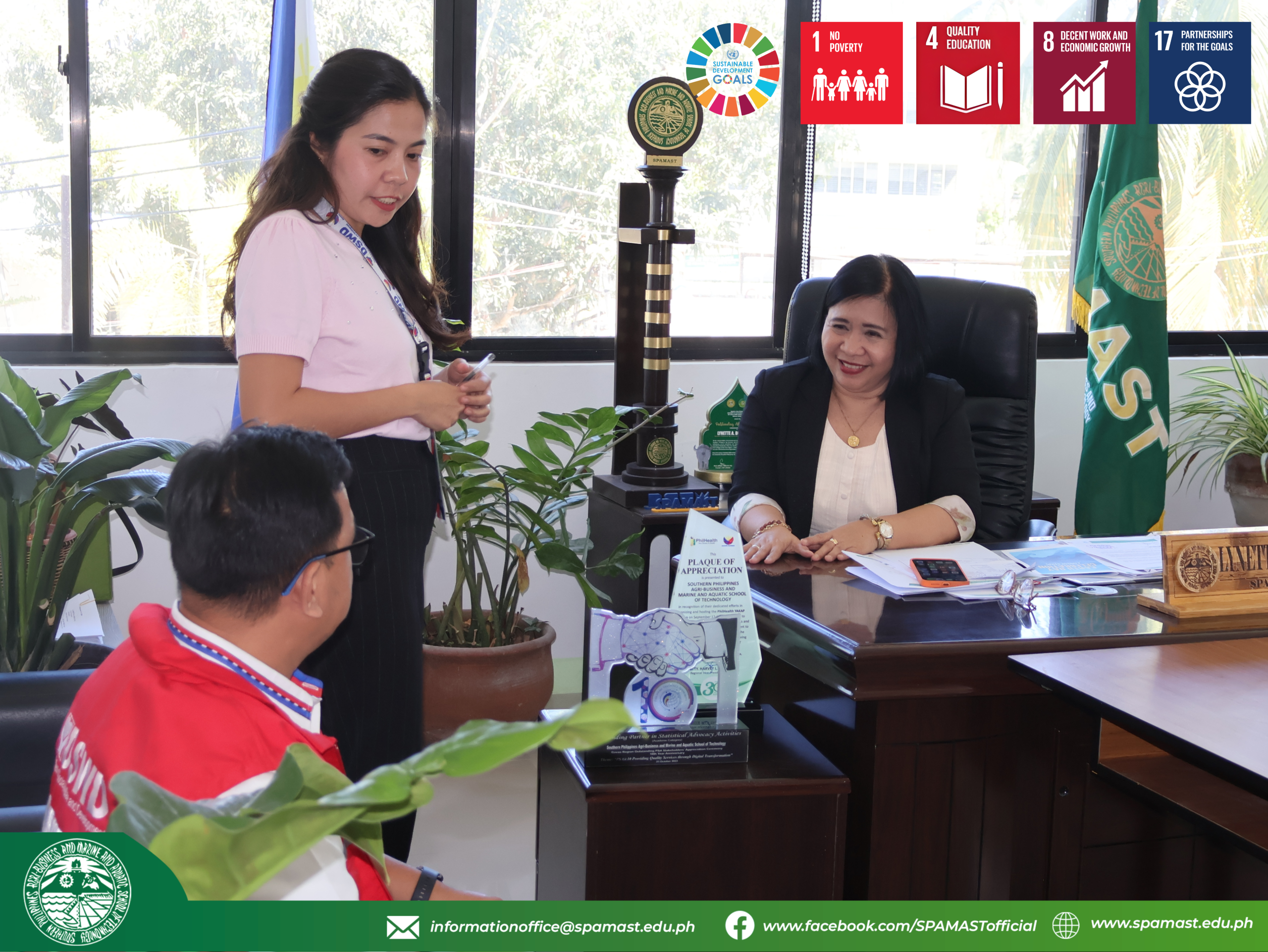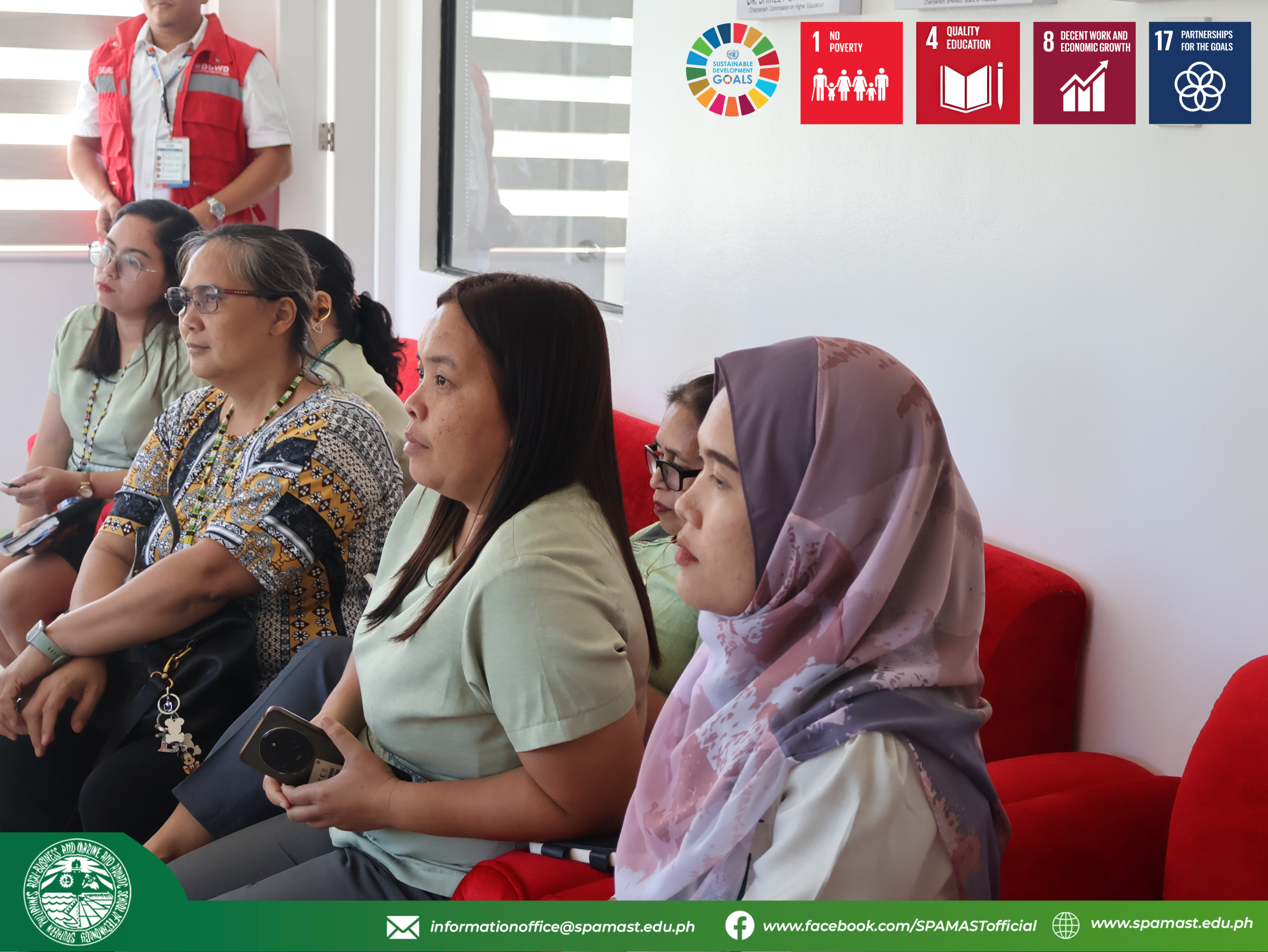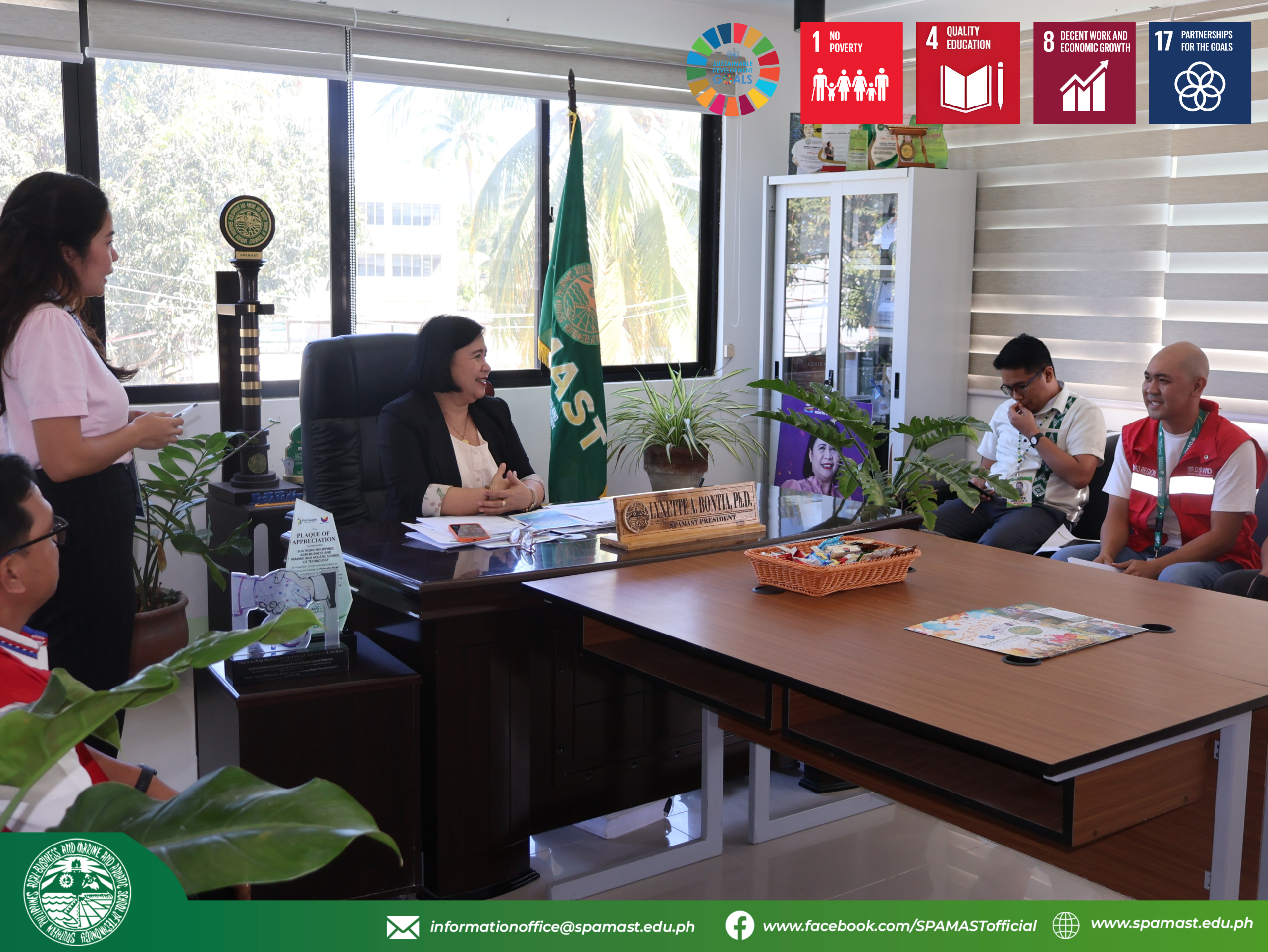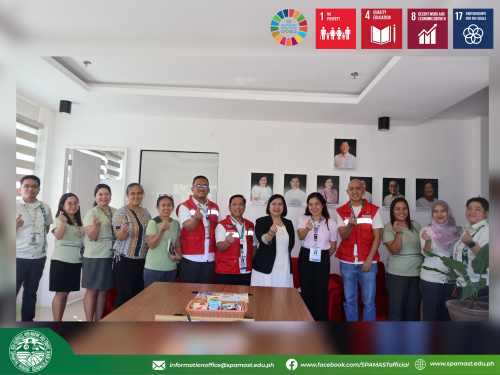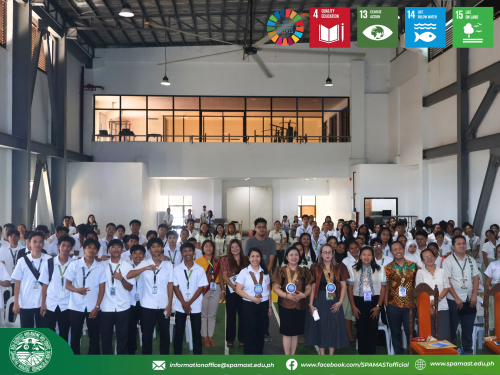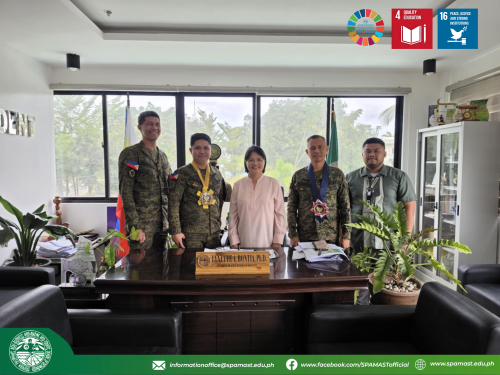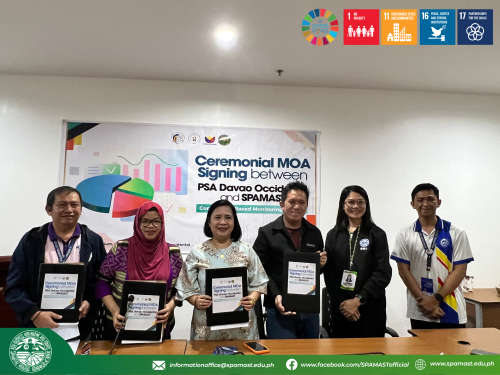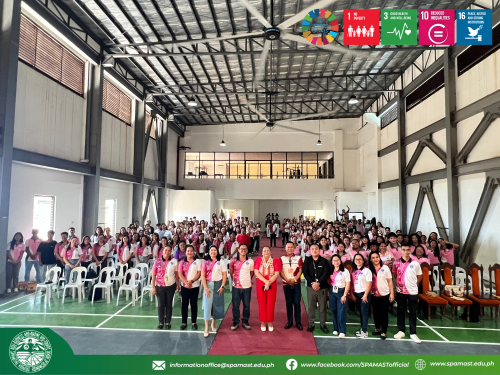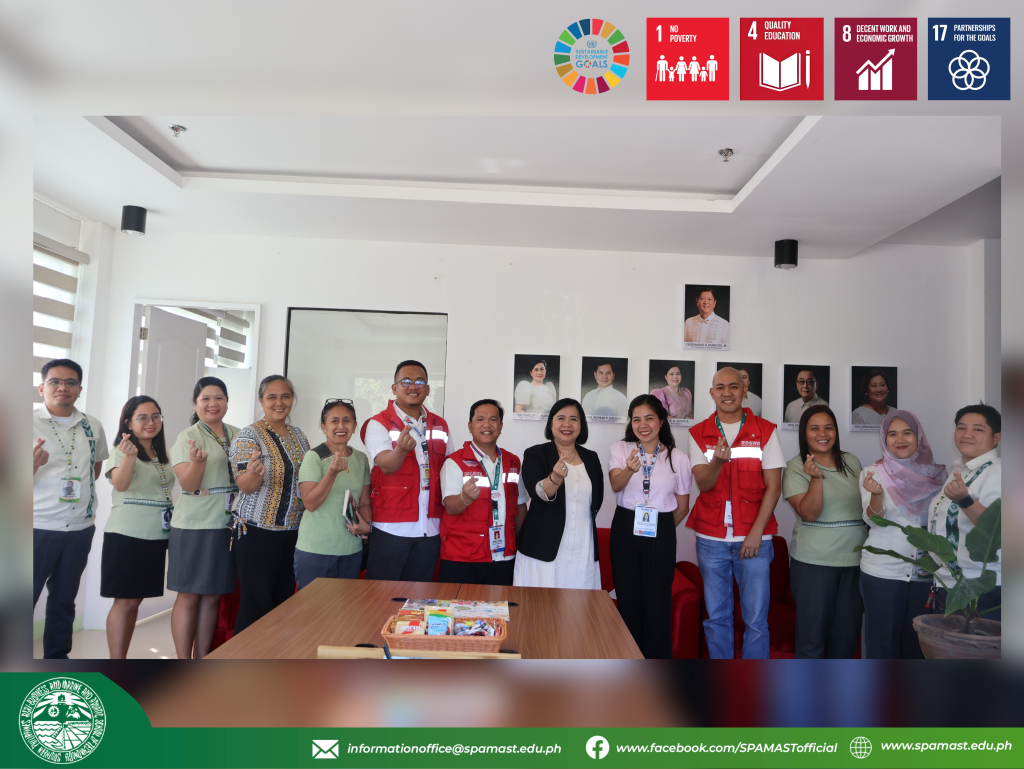
Malita, Davao Occidental — April 6, 2026 — The Southern Philippines Agribusiness and Marine and Aquatic School of Technology (SPAMAST) hosted the Department of Social Welfare and Development (DSWD) Region XI for a high-level courtesy call at its Main Campus in Malita on Monday, reinforcing a shared commitment to advancing social welfare, livelihood development, and inclusive growth. The engagement, convened key officials from both institutions to explore collaborative initiatives aimed at addressing poverty and strengthening community resilience across the Davao Region. The visit highlighted the critical role of academic-government partnerships in designing responsive, community-centered interventions for vulnerable sectors.
In her message, SPAMAST President Dr. Lynette A. Bontia underscored the transformative power of collaboration, stating that “partnership is the bridge between knowledge and transformation,” and emphasizing that meaningful progress is achieved through “shared responsibility in uplifting communities.” The discussion, led by representatives of DSWD Region XI, focused on expanding the implementation of the Sustainable Livelihood Program (SLP), aligning it with SPAMAST’s research, training, and extension services. Both parties recognized the institution’s strong track record in agricultural development, participatory rural appraisal, and community engagement as vital assets in enhancing program delivery and impact.
The activity concluded with a unified direction toward deepening institutional linkages and implementing joint initiatives that address socio-economic challenges at the grassroots level. This strengthened collaboration directly supports the United Nations Sustainable Development Goals, particularly SDG 1 (No Poverty), SDG 4 (Quality Education), SDG 8 (Decent Work and Economic Growth), and SDG 17 (Partnerships for the Goals). As SPAMAST and DSWD XI move forward, the partnership forged at the Malita Main Campus stands as a significant step toward building empowered, resilient, and sustainable communities in the region.