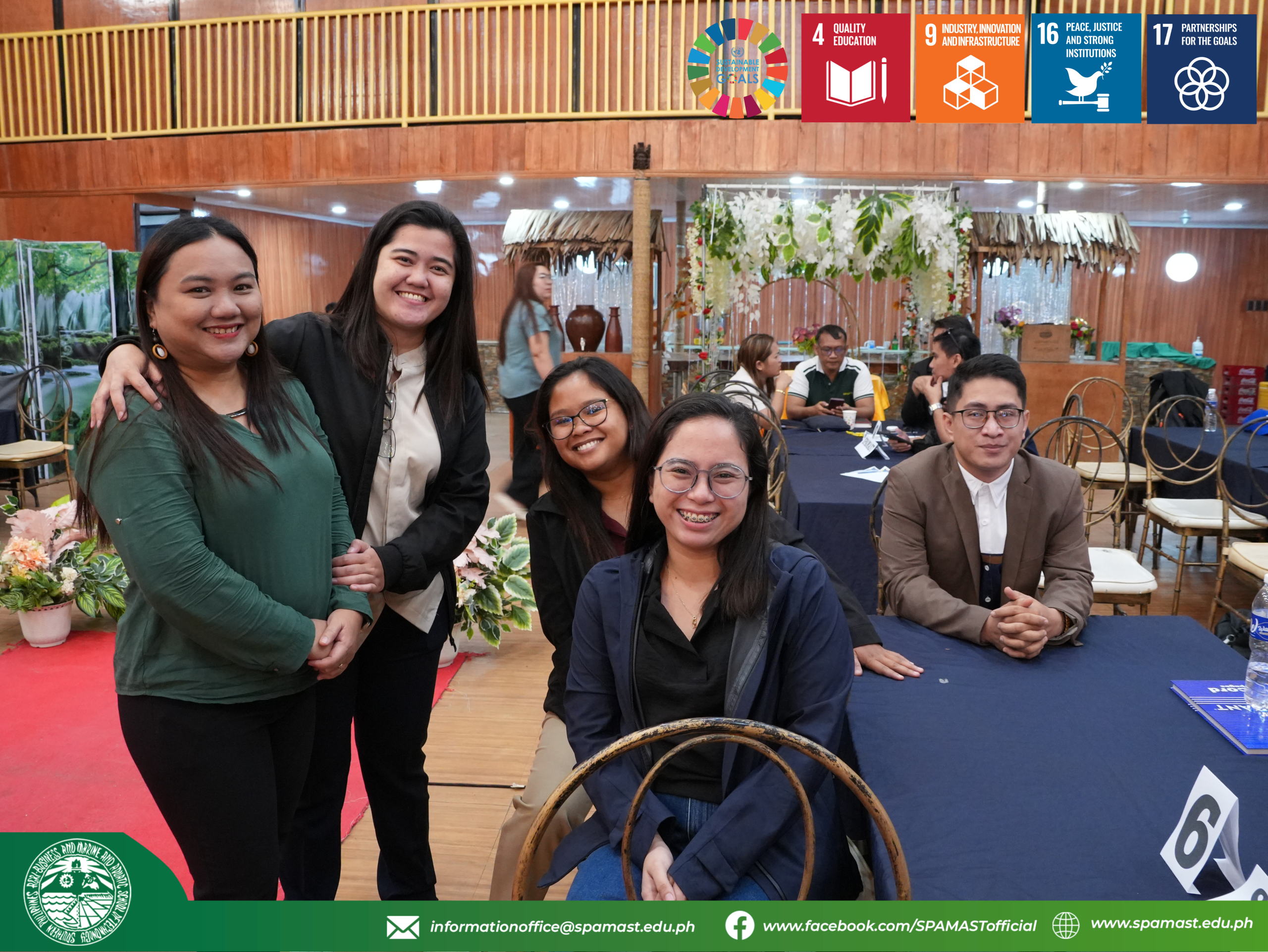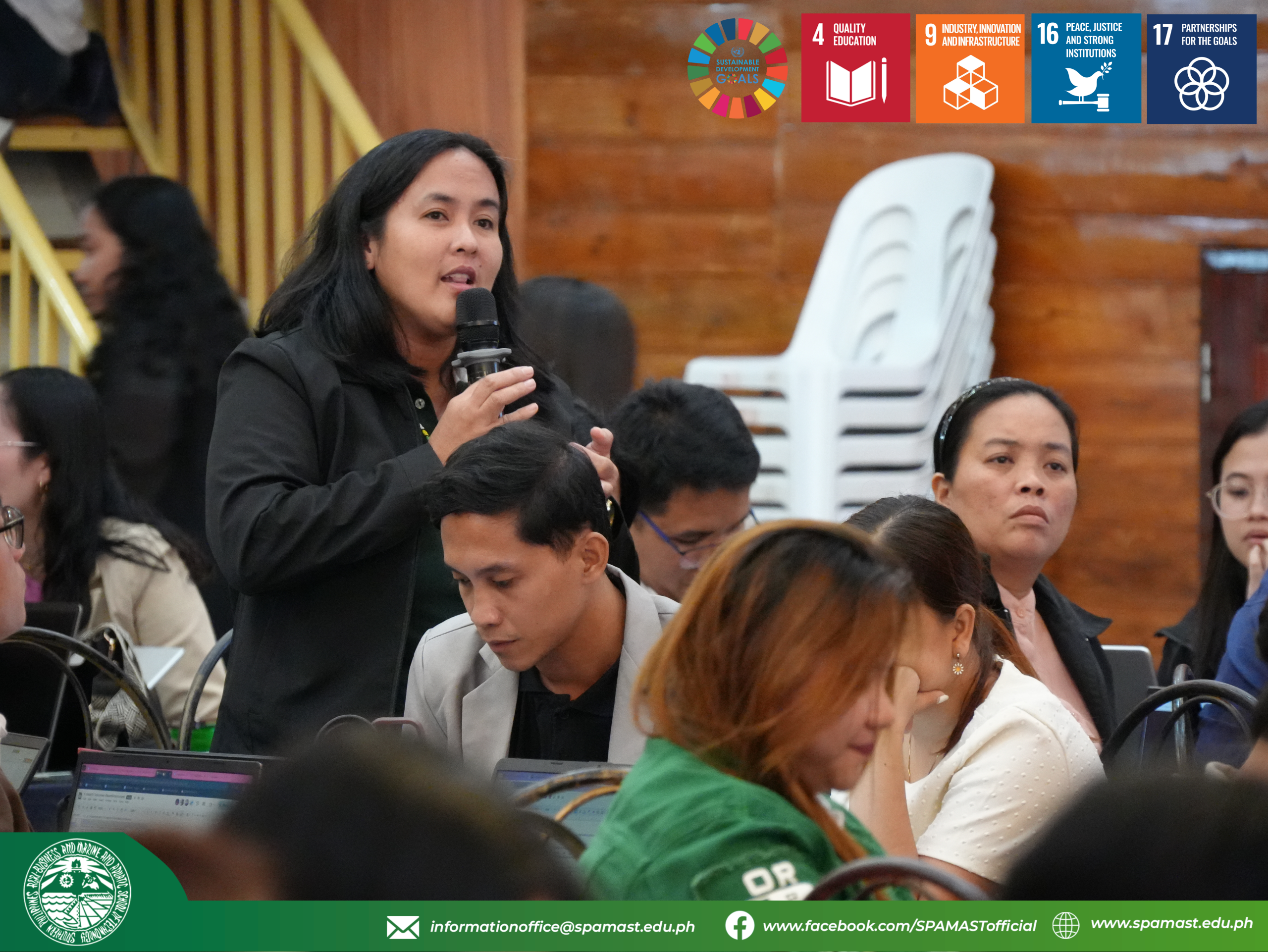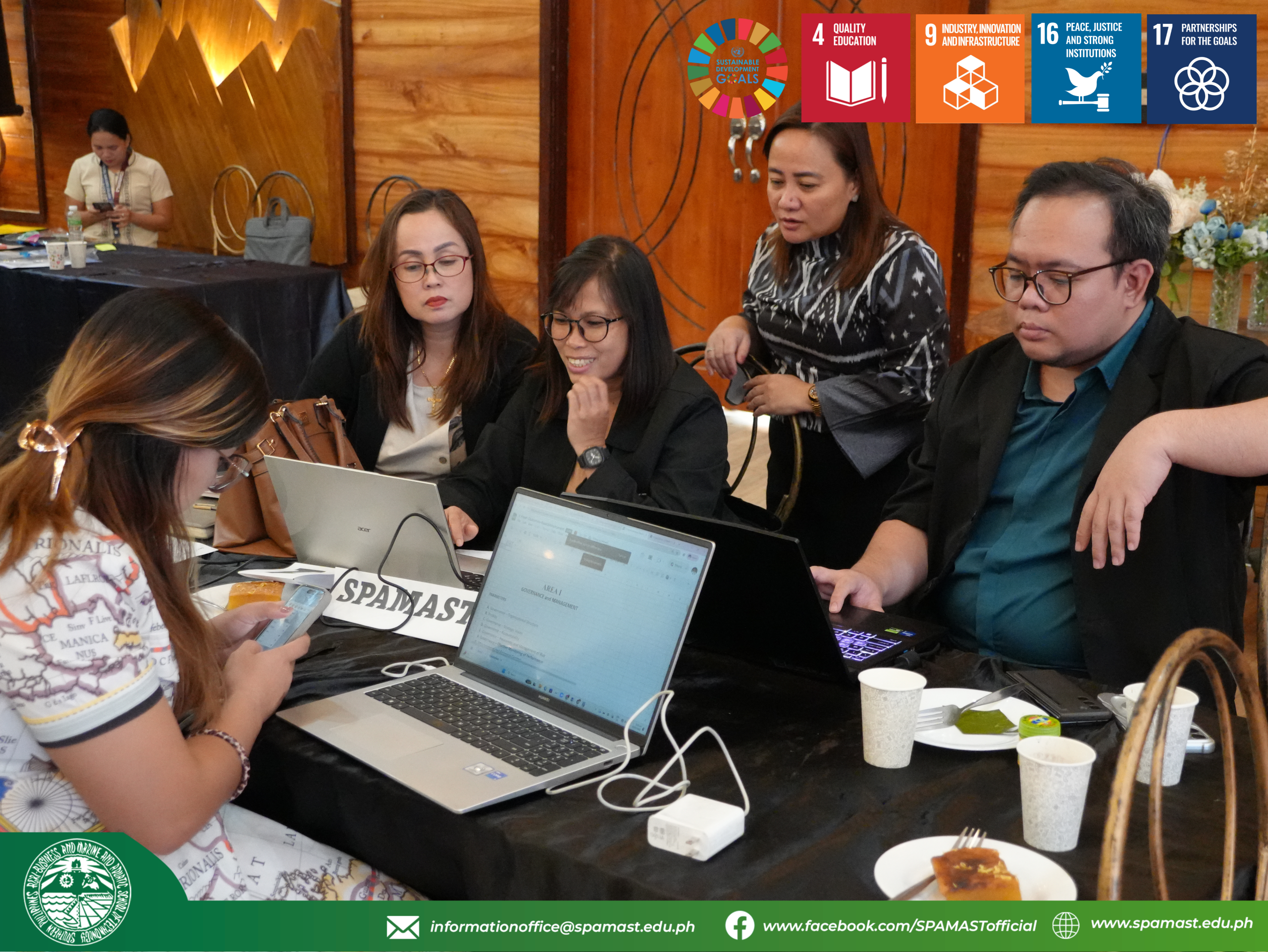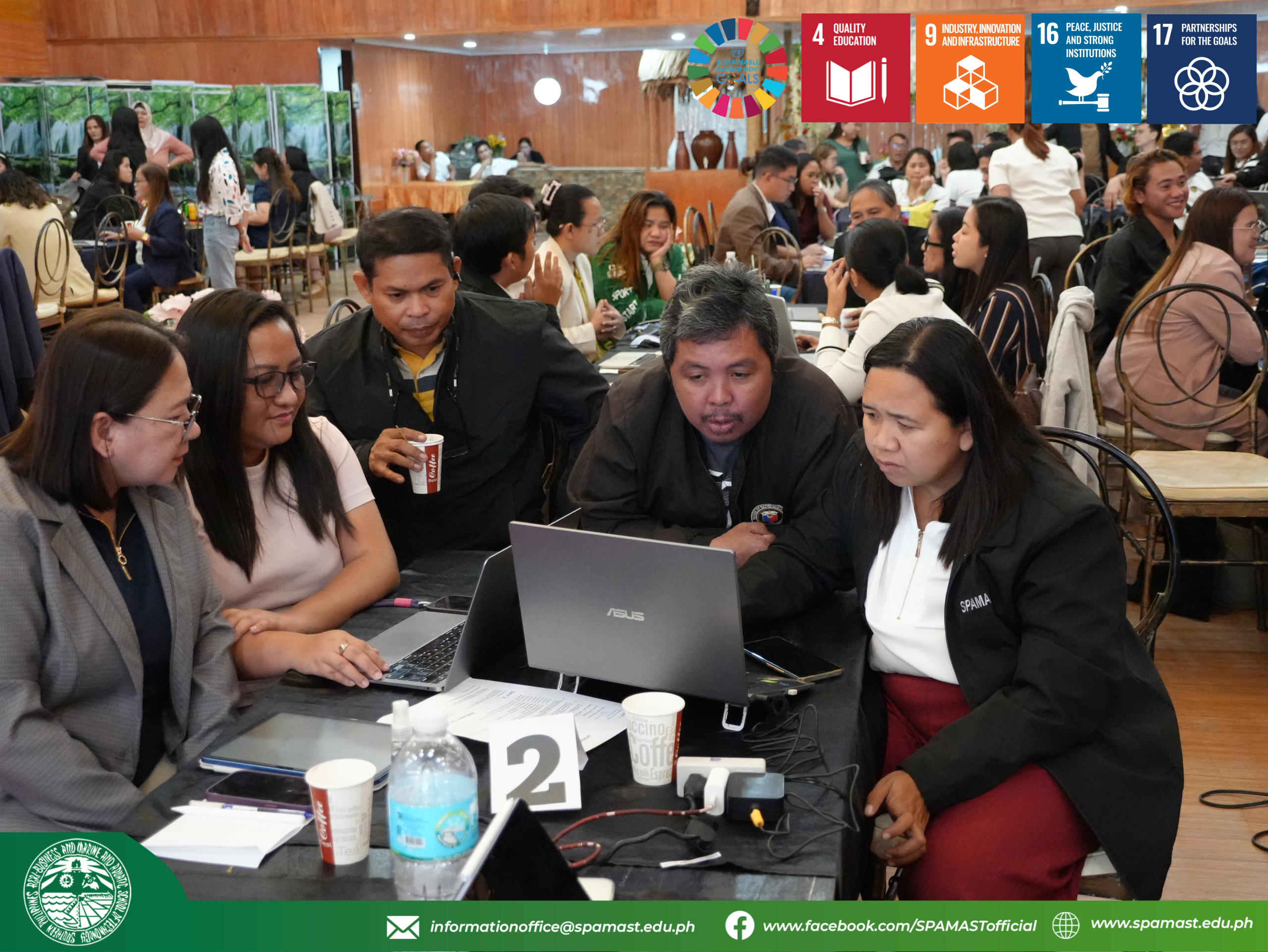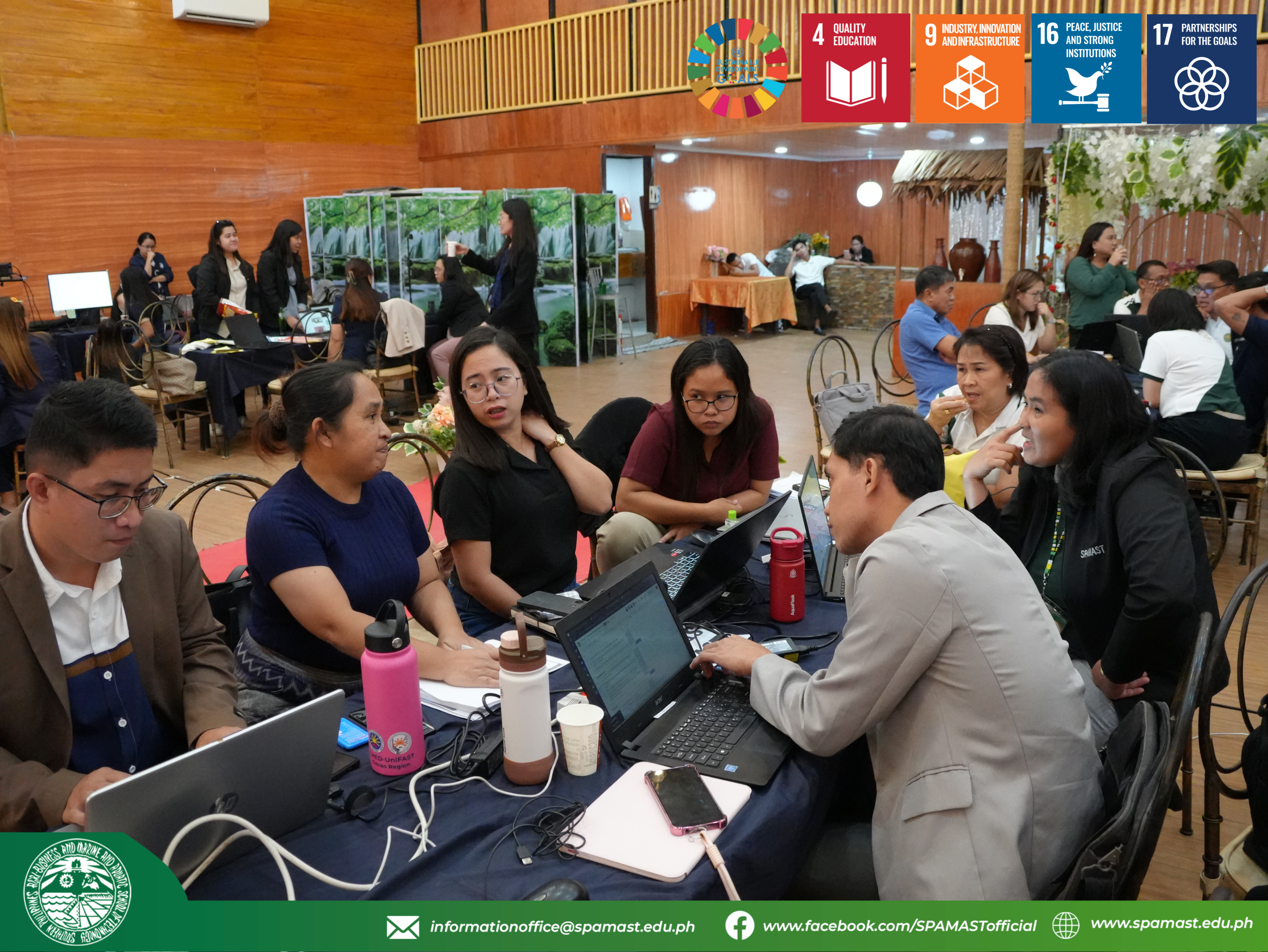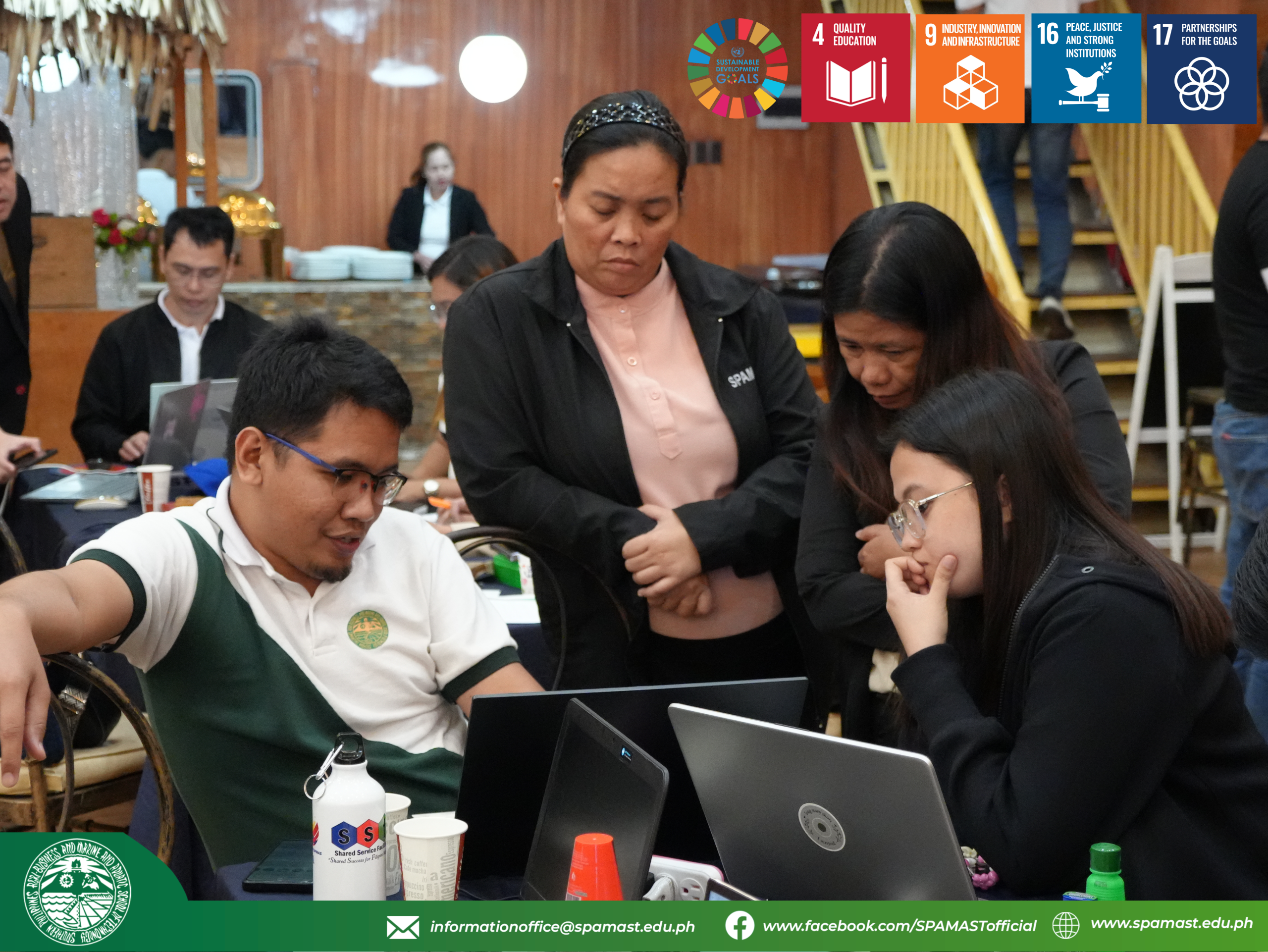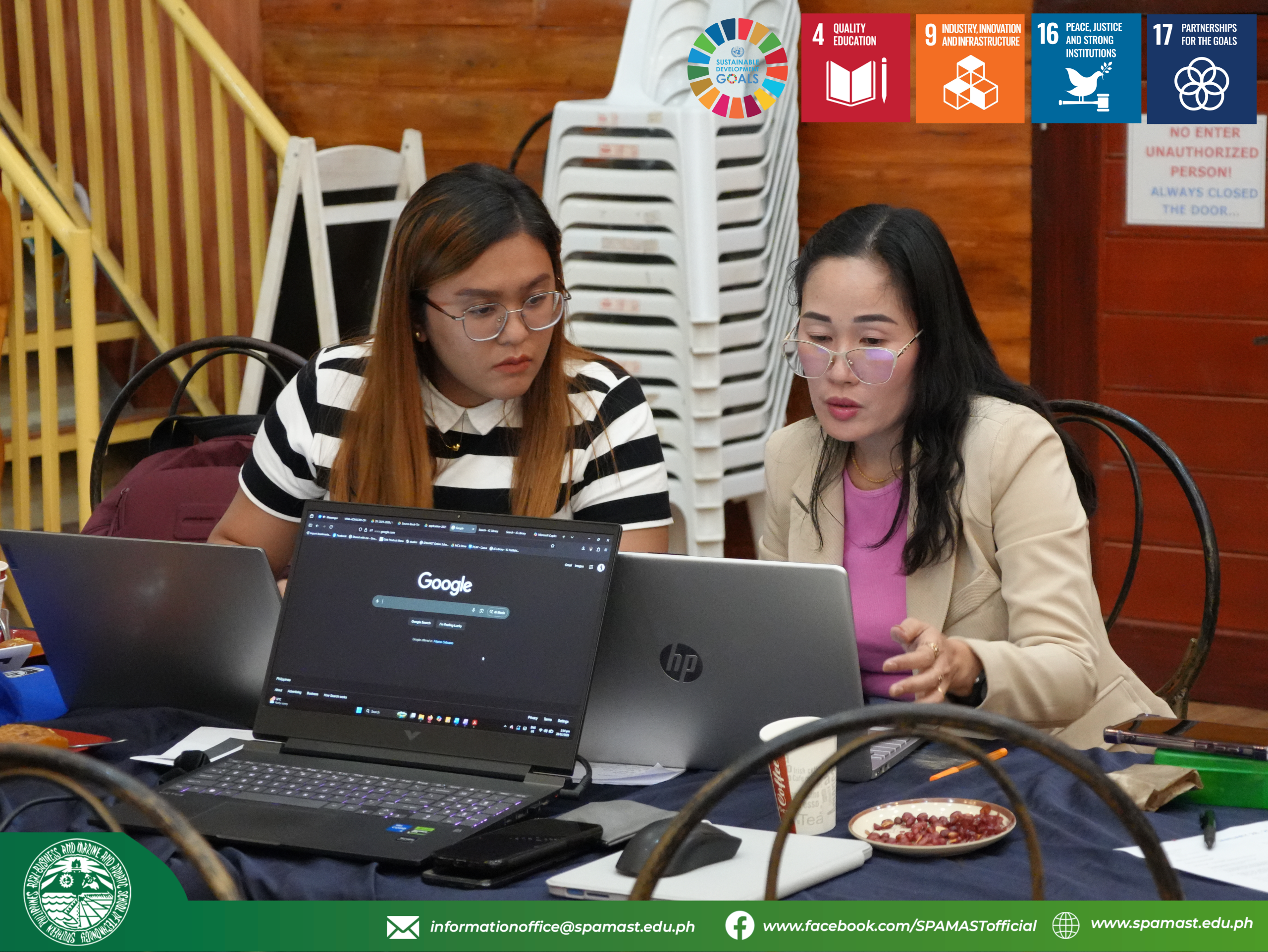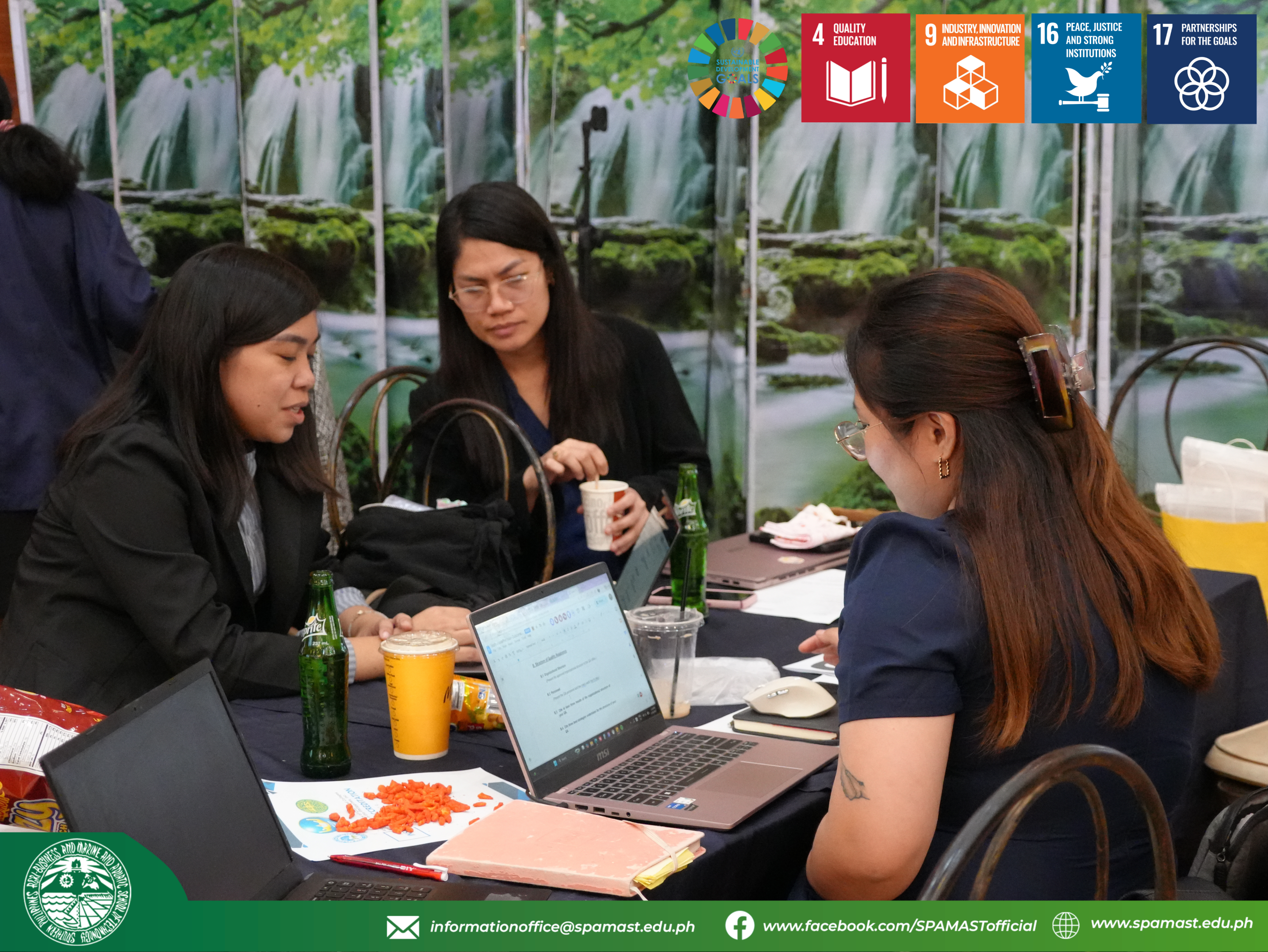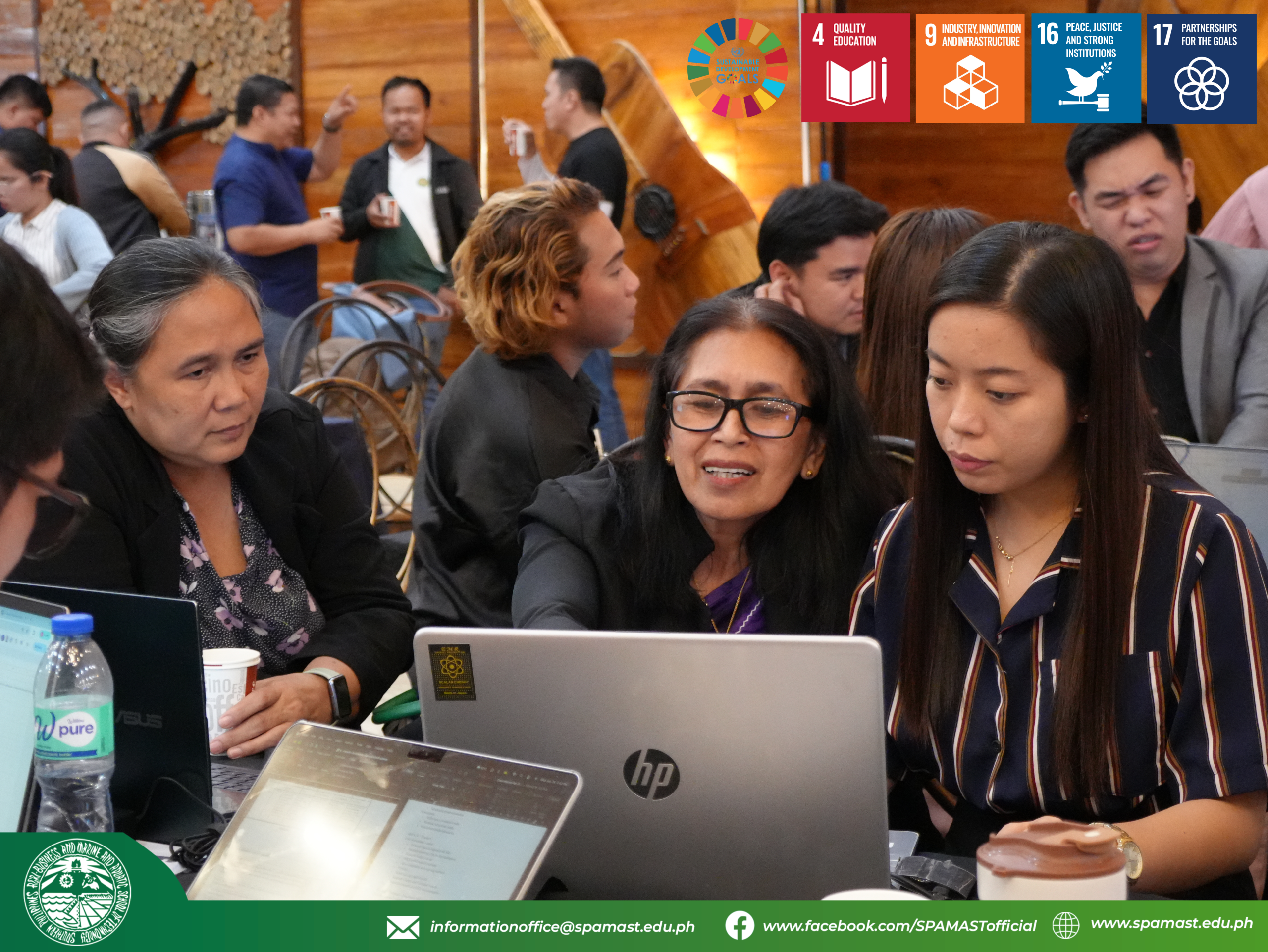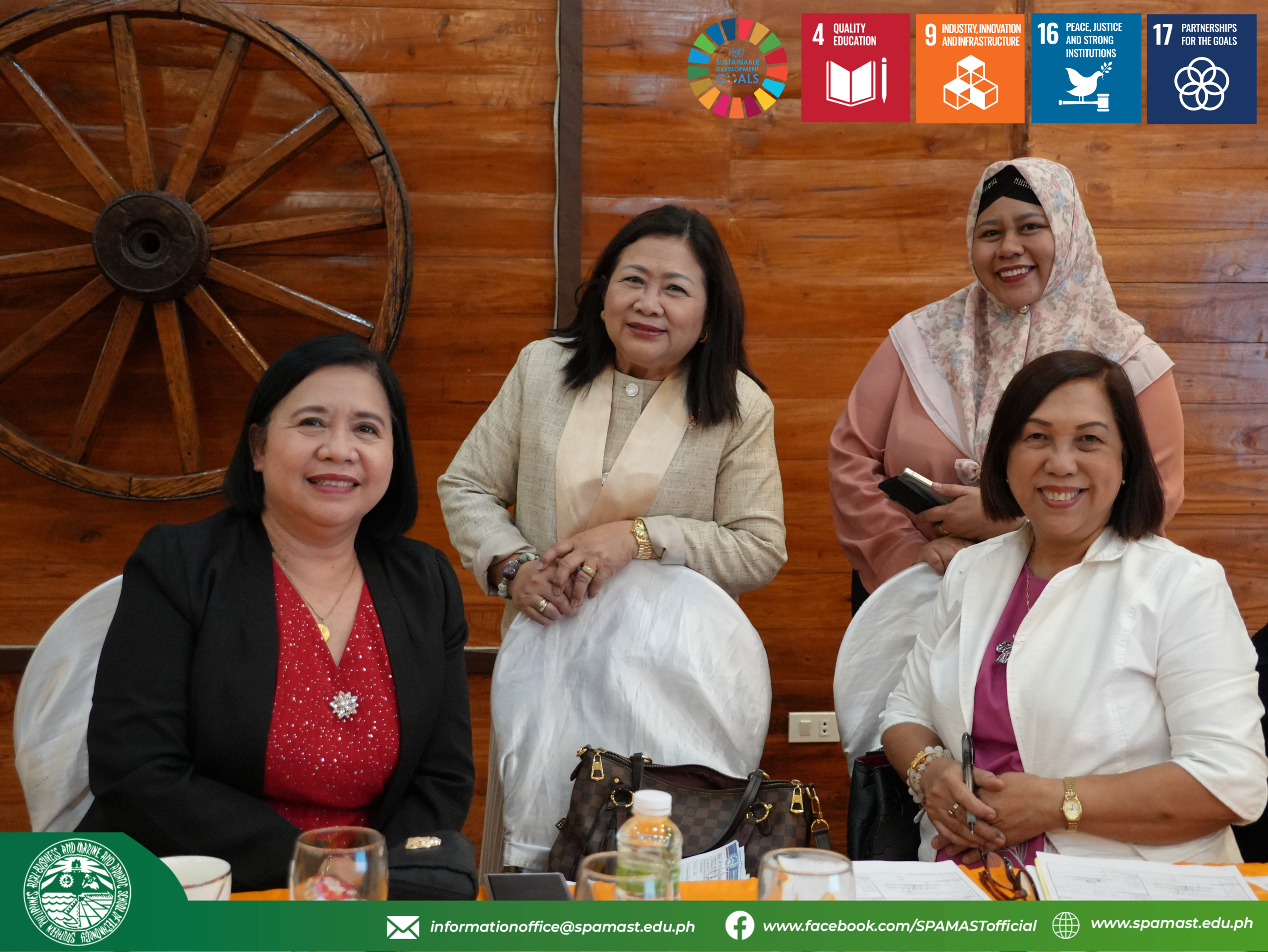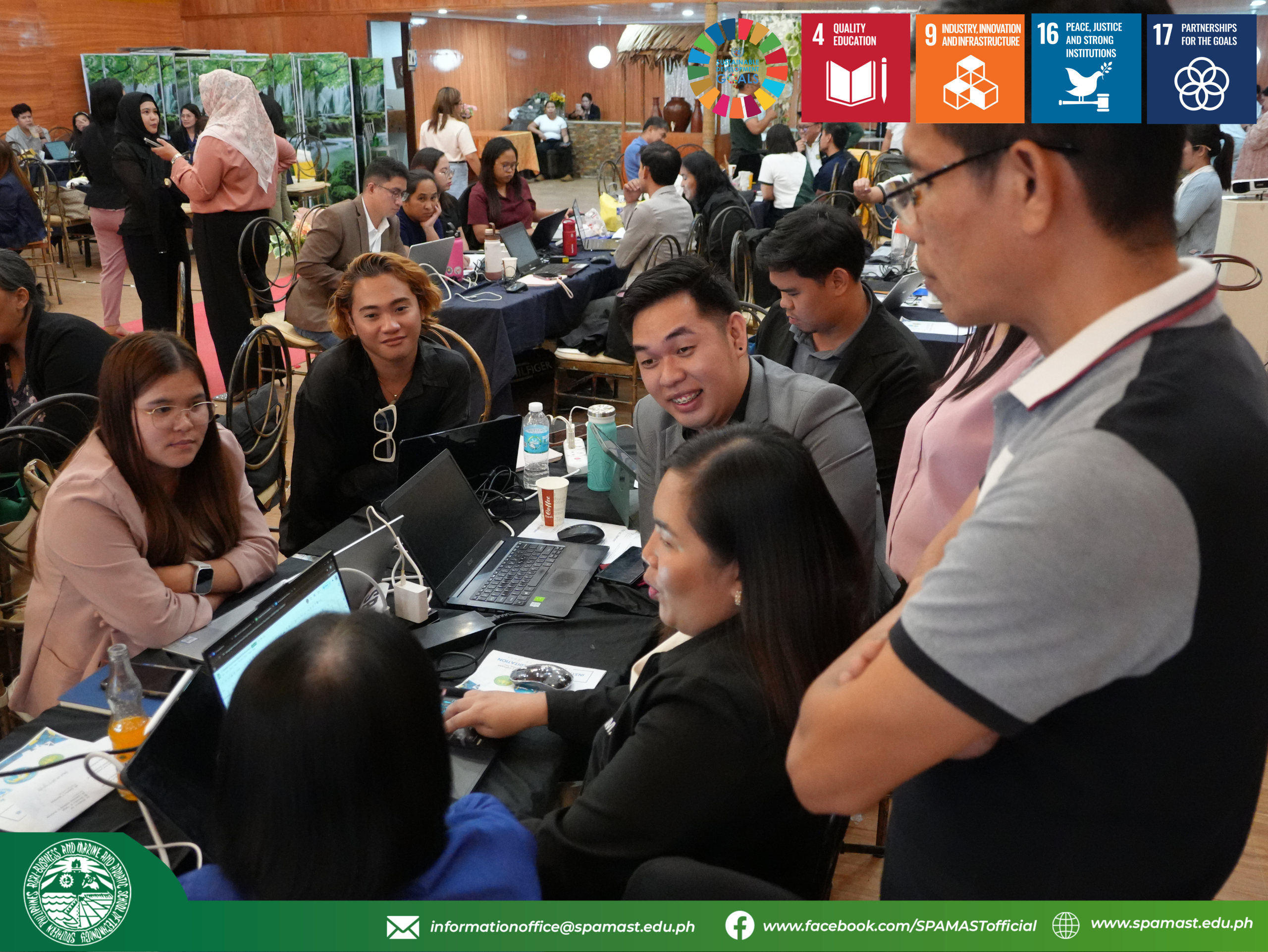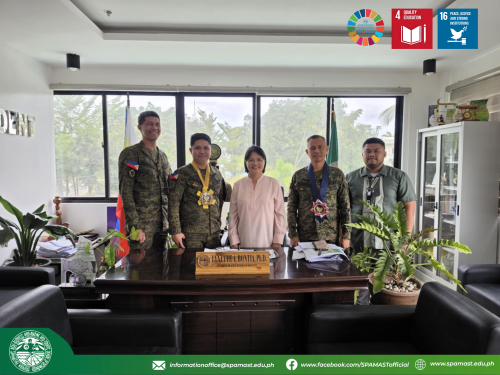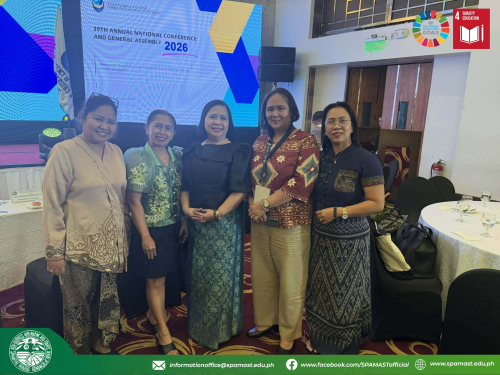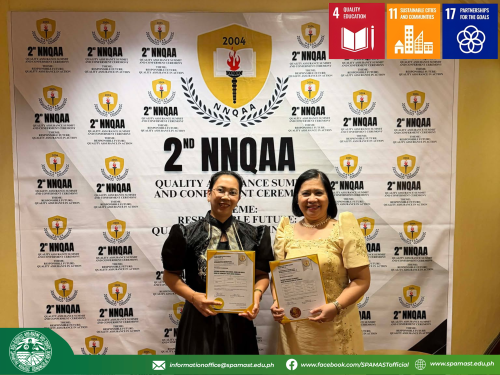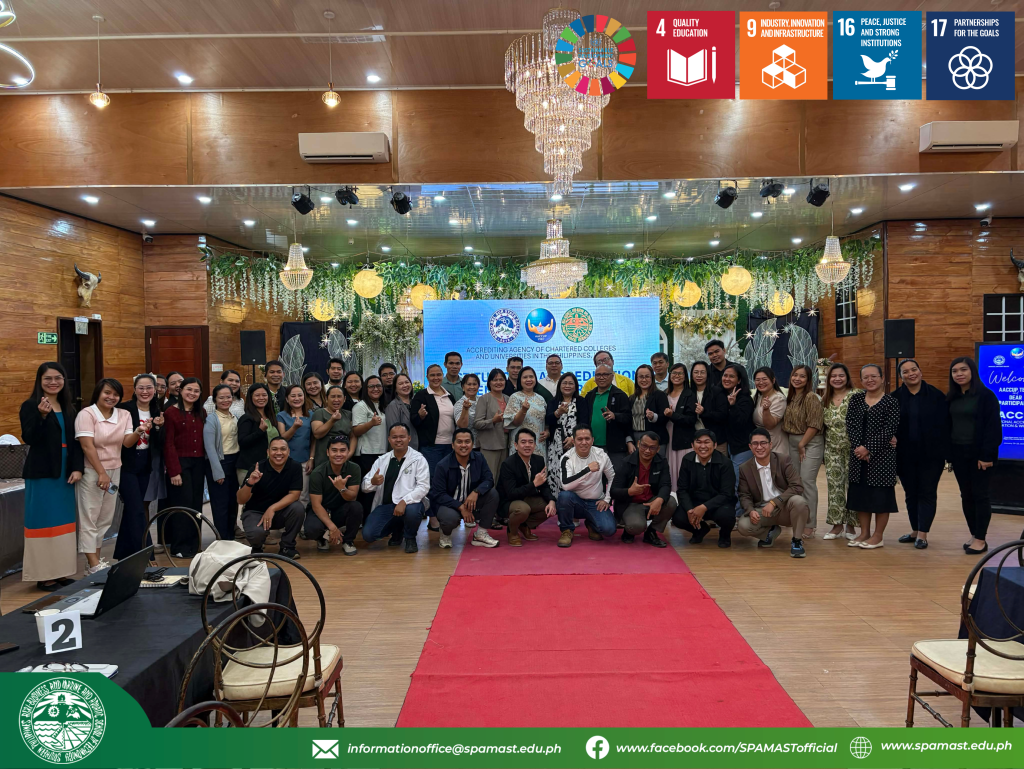
Digos City, Philippines — A two-day orientation on institutional accreditation convened higher education leaders, quality assurance practitioners, and academic administrators on January 28–29, 2026, as part of sector-wide efforts to strengthen governance, instruction, research, and student services in public higher education. Held at Megans Hotel in Digos City, the activity brought together participants from Southern Philippines Agri-Business and Marine and Aquatic School of Technology (SPAMAST) and Davao del Sur State College (DSSC) to prepare for the upcoming institutional review of the Accrediting Agency of Chartered Colleges and Universities in the Philippines (AACCUP), the country’s recognized external quality assurance body for state institutions.
The orientation focused on aligning institutional practices with nationally accepted standards and evidence-based evaluation processes. Sessions examined accreditation requirements, portfolio development, and the integration of institutional data across key areas of assessment, including leadership and management, teaching and learning, faculty development, research, extension services, student support, libraries, infrastructure, and internal quality assurance systems. Resource persons from AACCUP, the Commission on Higher Education community, and partner institutions emphasized that accreditation is not merely a compliance exercise but a strategic mechanism to improve accountability, transparency, and educational outcomes, citing studies from UNESCO and regional higher education networks that link quality assurance systems with improved student performance and institutional credibility.
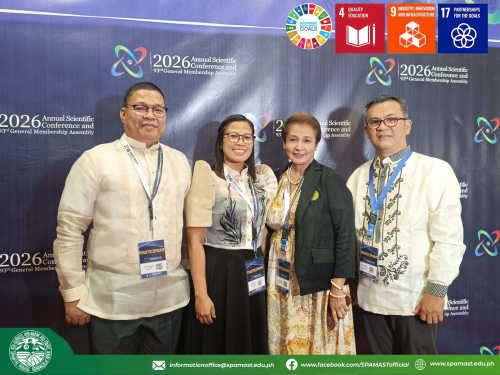
Organizers said the initiative reflects a broader commitment to sustainable development through education, noting that institutional accreditation directly advances the United Nations Sustainable Development Goals—particularly SDG 4 (Quality Education) by strengthening learning systems and academic standards, SDG 9 (Industry, Innovation, and Infrastructure) through improved educational facilities and research capacity, SDG 16 (Peace, Justice, and Strong Institutions) by promoting transparent and accountable governance, and SDG 17 (Partnerships for the Goals) through inter-institutional collaboration and national quality assurance networks. As Philippine higher education continues to navigate rapid technological, social, and economic change, such initiatives underscore the role of accreditation as both a safeguard of public trust and a catalyst for long-term, inclusive development.
Photo Credits: Davao del Sur State College